From cozy cabins to towering townhouses, the U.S. has over 146 million different types of housing in USA. In 2025 alone, about 1.5 million new homes were added to the housing market. This includes every popular house type in the USA.
The U.S. housing market reflects remarkable diversity. Townhouses balance affordability with community living, while manufactured and modular homes provide cost‑effective solutions for budget‑conscious buyers. Niche options like cozy cabins, duplexes, and luxury estates contribute to the rich mix of housing choices.
There are different types of house styles. Each buyer needs to find the type of homes they would stay in. This blog breaks down the different house style types available. Read on to know how to find the right choice for you!
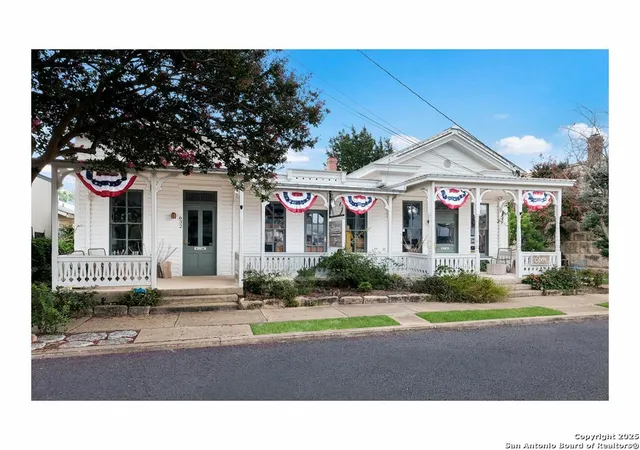


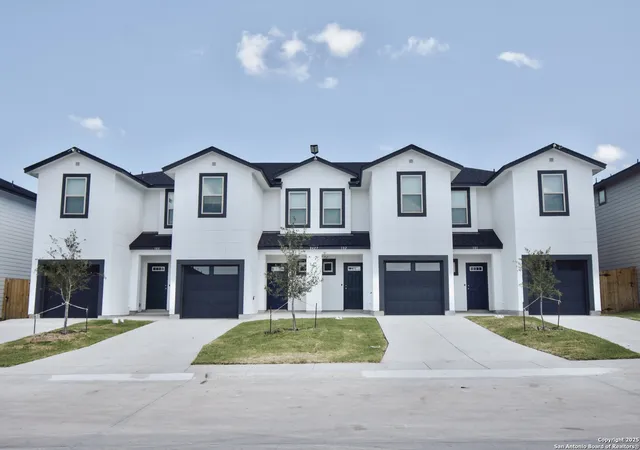

What are Different Types of Houses in USA?
Nearly 20% of listings undergo price cuts, which signals that buyers have regained leverage compared to the overheated pandemic years. With more inventory available and slower appreciation rates, buyers can explore properties without indulging in bidding wars.
Before buying a house, knowing the various types of houses and their descriptions is important. There are many types of houses in the USA. Here are the most popular kinds of houses sold in USA:-
1. Single-Family Home
The single-family home is a popular housing type, designed as a detached property for one household. It dominates suburban landscapes, accounting for nearly 70% of the housing stock. States like Texas and Florida see single‑family homes as the most common purchase.
These homes often come with larger lots, private yards, and more space, making them ideal for families. However, they also carry higher maintenance costs and property taxes. In markets like Dallas, single‑family homes average $375,000, while in California’s Bay Area, prices exceed $1million, reflecting regional disparities.
» Single-Family Homes for Sale: Find your dream single-family residential house today!
2. Multi-Family Home
A multi-family home is divided into two or more units. It is often purchased for rental income. They are popular in cities like Chicago and Boston, where duplexes and triplexes provide strong rental yields. It also offers owner‑occupants lower financing costs and long‑term wealth through combined residence and rental cash flow.
These properties allow owners to live in one unit while renting out the others, offsetting mortgage costs. In Chicago neighborhoods, duplexes sell around $450,000, offering both affordability and investment potential. Multi‑family homes are also common in college towns, where rental demand remains strong year‑round.
On the downside, you’re also taking on landlord duties. It includes tenant concerns, property maintenance, and more. However, if you’re looking to earn while living, these types of houses deliver both financial returns and flexibility.
» Multi-Family Homes for Sale: Unlock your forever multi-family home now!
Yes, this is a common strategy to reduce housing costs and build equity.
3. Apartment
Apartments are units within larger complexes, typically rented but sometimes owned. In urban centers like New York and Los Angeles, apartments are the most accessible option for entry‑level buyers.
They offer affordability compared to single‑family homes, but HOA rules and monthly fees can add up. Apartments in Manhattan average $750,000, while in Atlanta, apartments are roughly $250,000. They also provide access to amenities like gyms, pools, and security services, appealing to younger buyers.
» Apartments for Sale: Find your dream apartment.
4. Townhouse
Townhouses are multi‑floor homes that share walls with neighbors. They are common in Washington D.C., Philadelphia, and other dense metros. Townhouses balance affordability with ownership benefits, making them attractive to young professionals.
These homes are often part of homeowners’ associations (HOAs). HOA handles exterior maintenance but also imposes fees and community rules. They provide a middle ground between apartments and single‑family homes. Different types of townhouses are popular in suburbs where demand for ownership is high.
» Townhouses for Sale: Discover the perfect townhouse for you and your family.
Generally, townhouses are cheaper than single-family homes. However, HOA fees can narrow the gap.
5. Condominium (Condo)
Condos are individually owned units in shared buildings. They often come with amenities like gyms and pools. In Miami and Orlando, condos dominate the market, especially for retirees and investors.
The biggest advantage of a condo is convenience. It is appealing to buyers who want lower maintenance and access to amenities. Condos are also popular in vacation destinations, where they can serve as short‑term rental investments. However, this convenience comes with potential restrictions on renovations.
» Condos for Sale: Find the ideal urban living experience today!
6. Duplex/Triplex
A duplex or triplex consists of two or three separate living units within one building. Additionally, each unit has its own entrance, kitchen and bathroom. Furthermore, these units may be stacked on top of each other or arranged side by side.
These types of homes in America are often preferred by investors looking for rental income, or multi-generational families who want to live close but separately. Anyone looking for affordable entry into homeownership prefers a duplex or triplex.
» Duplexes for Sale: Find a property with income potential.

Pro Tip: Choose areas with strong rental demand (universities, hospitals, or job hubs).
7. Manufactured and Modular Homes
Manufactured and modular homes are factory‑built and assembled on site. In rural Midwest states, manufactured homes average $120,000, offering affordability for buyers priced out of traditional housing.
Manufactured homes are cost‑effective but may face financing challenges. Modular homes, which are built in sections and assembled on site, often appreciate more than manufactured homes, making them a better long‑term investment. A prefab home is a great option for buyers looking for flexibility.
» Manufactured Homes for Sale: Discover the perfect space to live simply and smart.
8. Mobile Homes
Mobile homes are transportable properties often located in parks or leased land. They provide budget‑friendly housing, but land lease terms can affect affordability. Mobile home types are also common in rural areas, where they provide affordable housing solutions for lower‑income households.
Pro Tip Check the condition of the shared systems, like a single roof or a shared foundation. A major repair on a multi-unit property often costs more than a single-family home.
9. Tiny Houses
Tiny houses are compact homes under 400 sq. ft., part of the minimalist trend. Oregon and Colorado have growing tiny home communities, with prices ranging from $60,000–$80,000.
They appeal to buyers seeking sustainability and affordability, but zoning restrictions can limit where they can be placed. Tiny houses are best suited for lifestyle buyers rather than long‑term investors. They are also popular among younger buyers who value mobility and eco‑friendly living.
» Tiny Homes for Sale: The cozy space to live comfortably.
10. Cabin
Cabins and vacation homes are seasonal or secondary residences, often in scenic areas. Cabins in the Smoky Mountains average $300,000, while Lake Tahoe vacation homes exceed $800,000.
Cabin houses are popular among lifestyle buyers and investors seeking short‑term rental income. However, seasonal demand can impact resale value and rental yields. Vacation homes are particularly common in states like Colorado, Florida, and California, where tourism drives demand.
» Cabins for Sale: Find your dream cozy hideaway.
11. Country Home
Country homes are the epitome of wide-open spaces and fresh air. Typically situated on larger plots of land, they provide room to roam. In fact, a 2023 NAR report showed 19% of homebuyers bought properties in rural areas, which highlights interest in country living.
They are ideal for buyers wanting privacy and land, but commuting and access to amenities can be challenging. Country homes often attract buyers seeking a slower pace of life, especially retirees and remote workers.
» Country Homes for Sale: Find your perfect country home.
Country homes in the USA are subject to local zoning laws that regulate land use, density, environmental protections, and building approvals.
12. Farmhouses
Farmhouses are traditional homes tied to agricultural land. Midwest farmhouses average $280,000, while modern farmhouses in Texas suburbs exceed $500,000. They blend classic charm with functionality. In addition, they feature large porches, big yards, and sometimes a barn.
Farmhouses are appealing to buyers who want character and functionality. The design includes open floor plans and wide windows for natural light. Farmhouses are popular in suburban developments that mimic rural aesthetics, especially in states like Texas and Georgia.
13. Patio Home
Patio homes are a single-story residential place. This makes them ideal for downsizers or anyone seeking less upkeep. Typically, they offer low-maintenance living with a focus on convenience. Consequently, around 82% of home buyers want patio homes, drawn to their simplicity and compactness.
Its accessibility makes it ideal for people looking to downsize. Patio homes are often located in planned communities with shared amenities, appealing to buyers who want convenience and community living.
» Patio Homes for Sale: Find your perfect patio home for your ultimate comfort and convenience.
Pro Tip First‑time buyers should prioritize affordability and long‑term maintenance costs. Investors should focus on rental potential in multi‑family homes or condos in high‑demand metros.
Types of House Styles in USA
Homes in the USA are as diverse as the regions they belong to, with architectural styles reflecting history, culture, and local climate. Ranch homes stretch wide across Texas plains, Cape Cod cottages bring coastal charm to New England, Colonials stand tall in the Mid‑Atlantic, and ornate Victorians color San Francisco streets.
Meanwhile, modern farmhouses are trending nationwide, blending rustic character with sleek, contemporary finishes. Let’s explore some of the most popular residential architecture styles shaping the American housing market today.
Ranch-Style Homes
Ranch‑style homes are single‑story properties that became popular in the mid‑20th century, especially across the Sunbelt states. They are characterized by open floor plans, low‑pitched roofs, and large windows that connect indoor and outdoor living.
In Texas and Arizona, ranch homes remain a staple, often built on larger lots with sprawling layouts. They are particularly attractive to families and retirees who prefer accessibility without stairs. Ranch homes also tend to be more affordable than multi‑story properties.
Cape Cod Homes
Cape Cod homes originated in New England in the 17th century and are known for their symmetrical design, steep roofs, and central chimneys. They are typically modest in size but exude charm and historical character.
Cape Cod homes are highly sought after, especially in coastal towns. Prices vary widely, with smaller Cape Cods averaging $400,000, while larger, renovated versions in Cape Cod itself can exceed $1 million. Their timeless appeal makes them popular among buyers seeking a modern traditional house.
Pro Tip Inspect dormer and roofline additions carefully. Older expansions often hide structural or maintenance issues that can drive up long‑term costs.
Colonial Homes
Colonial homes are among the most iconic American styles, featuring two‑story layouts, central hallways, and evenly spaced windows. They are common in the Mid‑Atlantic and Northeast, particularly in states like Pennsylvania and Virginia.
Colonial homes often command higher prices due to their size and historical significance. In Virginia suburbs, a small colonial house averages $500,000–$600,000, while in New Jersey, they exceed $700,000. Buyers are drawn to their architecture and spacious interiors. Colonial homes in Atlanta are an example of unique types of colonial houses around the world.
Craftsman Homes
Craftsman homes emphasize handcrafted details, woodwork, and natural materials. Originating in the early 20th century, they remain popular in the Pacific Northwest and Midwest region.
Seattle and Portland are hubs for Craftsman homes, where average prices range from $550,000–$700,000. Their appeal lies in the balance of artistry and functionality, with features like wide porches, exposed beams, and built‑in cabinetry. Craftsman homes attract buyers who value character and craftsmanship over modern minimalism.
Victorian Homes
Victorian homes are ornate properties built during the late 19th century. They feature decorative trims, turrets, and vibrant colors. San Francisco is famous for its “Painted Ladies,” a row of Victorian homes that symbolize the city’s architectural heritage.
Victorian homes often command premium prices due to their historical significance. In San Francisco, they average $1.2 million–$1.5 million, while in smaller Midwestern towns, they can be found for $300,000–$400,000. Buyers are drawn to their unique charm, though maintenance costs can be high.
Yes. Many Victorian homes fall under historic preservation rules, meaning exterior changes often require approval from local preservation boards to maintain architectural integrity and protect property value.
Mediterranean Homes
Mediterranean homes are inspired by Spanish and Italian architecture, featuring stucco exteriors, red tile roofs, and arched windows. They are common in California, Florida, and other coastal states.
In Los Angeles and Miami, Mediterranean homes are highly desirable, averaging $800,000–$1.2 million. Their design emphasizes outdoor living, with courtyards and balconies that suit warm climates. Buyers often choose Mediterranean homes for their elegance and resort‑like feel.
Mid-Century Modern Houses
Mid‑Century Modern houses emerged in the 1950s. They are characterized by clean lines, open spaces, and large glass windows. They are particularly popular in California, especially in Palm Springs.
These types of modern houses emphasize simplicity and integration with nature. Prices vary, with Palm Springs Mid‑Century Modern houses averaging $600,000–$900,000. Their popularity has surged among younger buyers appreciating retro aesthetics.
Pro Tip When buying a Mid‑Century Modern house, prioritize the original windows and open layout, as they define the style’s value and authenticity.
Modern Farmhouse
Modern farmhouses blend rustic charm with contemporary finishes. They feature open layouts, shiplap walls, and large kitchens, often paired with sleek design elements.
In Texas and Georgia suburbs, modern farmhouses are booming, averaging $450,000–$600,000. They appeal to buyers who want the warmth of traditional farmhouses with the convenience of modern amenities. This style has become a national trend, especially in suburban developments.
A-Frame Homes
A‑Frame homes are triangular structures with steeply pitched roofs. They are often used as vacation properties. They are popular in mountain and lake regions, such as Colorado, Vermont, and Lake Tahoe.
A‑Frame homes average $250,000–$400,000. This is more affordable than other vacation properties. Their design maximizes natural light and provides a cozy retreat. Buyers often choose A‑Frames for seasonal living or short‑term rental investments.
Choose the right house style by aligning it with your budget, lifestyle needs, and long‑term resale value to ensure both comfort and smart investment.
Tips for First-Time Buyers and Investors
First‑time buyers should prioritize affordability and long‑term maintenance costs. Investors should focus on rental potential in multi‑family homes or condos in high‑demand metros. Houzeo’s widgets streamline the buying process with instant offers and side‑by‑side comparisons.
- First‑Time Buyers: Focus on affordability and long‑term maintenance costs. Condos and townhouses can be good entry points, but always review HOA rules carefully. Houzeo’s widgets act as a first time home buyer guide, helping to filter properties by price and property type. This makes it easy to find homes in budget.
- Investors: Multi‑family homes (duplex/triplex) provide rental income and appreciation potential. Vacation homes in tourist destinations can also generate strong short‑term rental yields. Houzeo’s side‑by‑side comparison tool helps investors evaluate multiple properties at once.
- Lifestyle Buyers: Consider regional preferences. Ranch homes in Texas, Cape Cods in Massachusetts, and co‑ops in New York each reflect local culture and demand. Houzeo’s map‑based search lets you explore these hyperlocal options.
- All Buyers: Use Houzeo offers to stay competitive in markets where homes still sell quickly. Even in a balanced market, well‑priced homes in desirable neighborhoods can attract multiple offers.
Find the best house types in America according to your needs on Houzeo: America’s Best Home Buying and Selling Platform.
Making the Right Choice
Your choice depends on budget, lifestyle, and location. All types of houses are available to cater to one’s needs. Families prefer single‑family homes, professionals lean toward condos or co‑ops, and investors choose multi‑family properties.
Filter homes by different housing types in US, price, style, and location. This helps in making comparisons effortless. Browse through different types of homes in USA on Houzeo, America’s best home-buying website.
| New Homes for Sale | Land/Lot for Sale | Luxury Homes for Sale |
| Houses with Acreage for Sale in US | Cheap Houses for Sale | – |
Pricing Point for Popular House Types
| House Type | Typical Price Range (2026) | Notes |
|---|---|---|
| Single‑Family Home | $350,000 – $500,000 | Most common; prices vary widely by region and lot size. |
| Townhouse | $300,000 – $450,000 | Affordable option in urban/suburban areas; HOA fees often apply. |
| Condo | $250,000 – $400,000 | Lower upfront cost; shared amenities but monthly association dues. |
| Duplex/Triplex | $400,000 – $600,000 | Rental income potential; owner‑occupied financing benefits. |
| Manufactured Home | $100,000 – $250,000 | Cost‑effective; must comply with HUD codes; land ownership varies. |
| Modular Home | $150,000 – $300,000 | Factory‑built; higher quality than manufactured; customizable. |
| Luxury Estate | $1M+ | Premium locations and finishes; significant maintenance costs. |
| Cabin/Cottage | $200,000 – $350,000 | Popular in rural or vacation areas; seasonal demand impacts value. |
Regional Variations in Types of Houses Across the USA
The housing market in the United States is deeply regional. Each state and metro reflects its unique economic drivers, demographics, and housing preferences.
Florida
In Florida, condos and retirement communities dominate. Cities like Miami and Orlando attract retirees and investors alike, with condos averaging around $420,000. The state’s warm climate and tax advantages make it a magnet for second‑home buyers.
California
California emphasizes eco‑friendly homes and luxury estates. In Los Angeles, Mediterranean and Mid‑Century Modern homes are popular, while the Bay Area continues to struggle with affordability, where single‑family homes exceed $1 million.
Texas
Texas remains a hub for ranch‑style and modern farmhouses. Dallas and Houston suburbs see strong demand for single‑family homes averaging $375,000–$450,000, while rural areas offer affordable country homes and farmhouses.
Co‑ops, condos, and historic brownstones together define real estate in New York. In Manhattan, co‑ops account for 75% of apartment inventory, while Brooklyn’s brownstones remain highly desirable, often selling above $1 million.
Other Areas
The Midwest, including states like Ohio and Michigan, offers affordability with average home prices under $250,000. Manufactured and modular homes are common here, providing cost‑effective solutions for buyers.
The Mountain West, including Colorado and Utah, has seen a surge in demand for cabins, vacation homes, and tiny houses. Scenic landscapes pull buyers. Cabin homes in the Rockies average $300,000–$400,000.
Houzeo’s widgets and tools, have advanced filters. It is easier to browse homes nationwide and make counter offers online. For example, Houzeo’s closing cost calculator helps both buyers and sellers to estimate expenses and earnings when making transactions.