
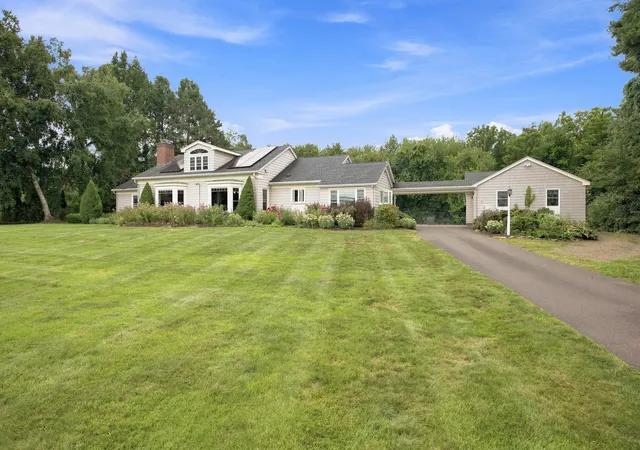


$849,900
 1
1
4Bds
4Ba
3,308sqft
Single family home for sale
Berkshire Hathaway Homeservices Realty Professionals
$849,900
1
4Bds
4Ba
3,308sqft
Single family home for sale
Berkshire Hathaway Homeservices Realty Professionals

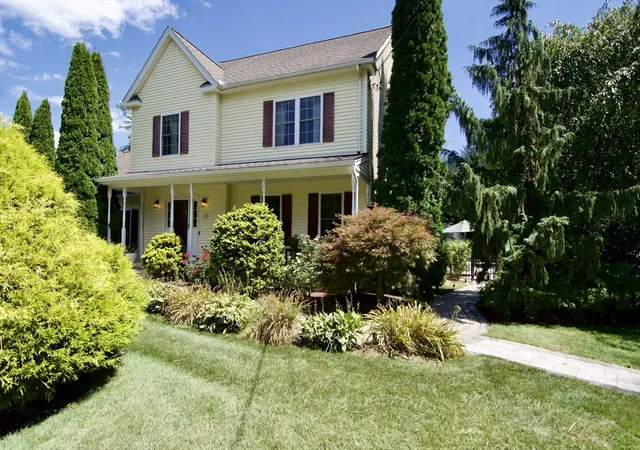

$575,000
4
3Bds
3Ba
2,041sqft
Single family home for sale
Executive Real Estate, Inc.
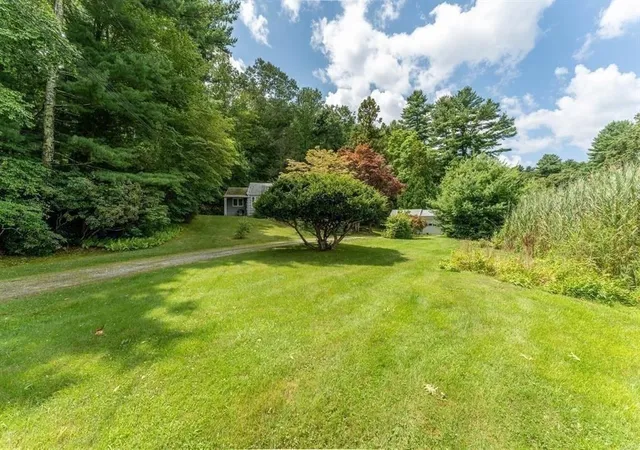
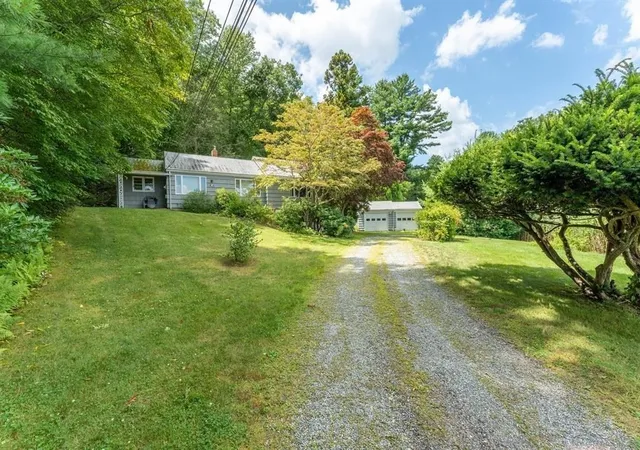
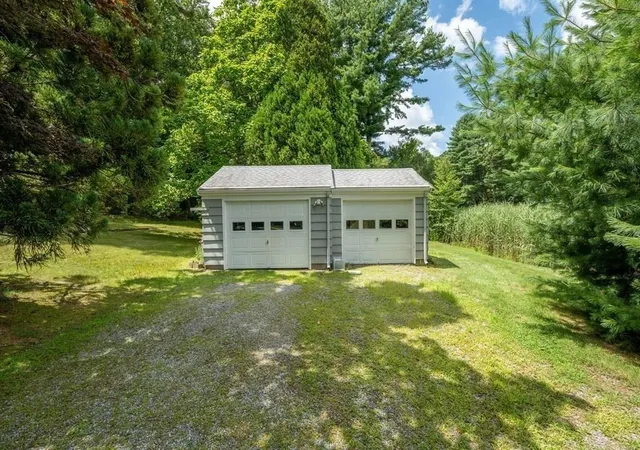
$899,900
4
3Bds
3Ba
1,869sqft
Single family home for sale
Kazantzis Real Estate, Llc

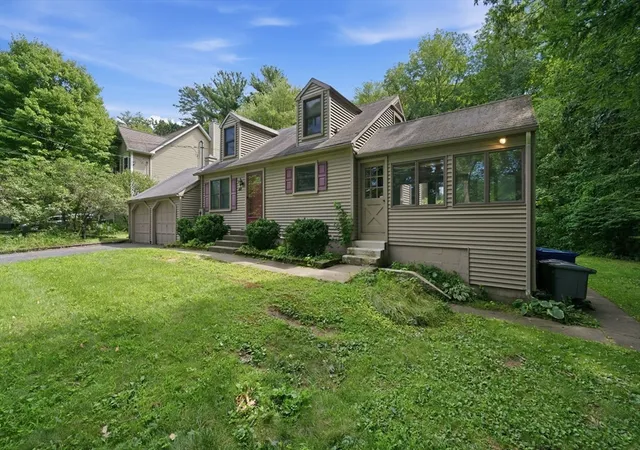
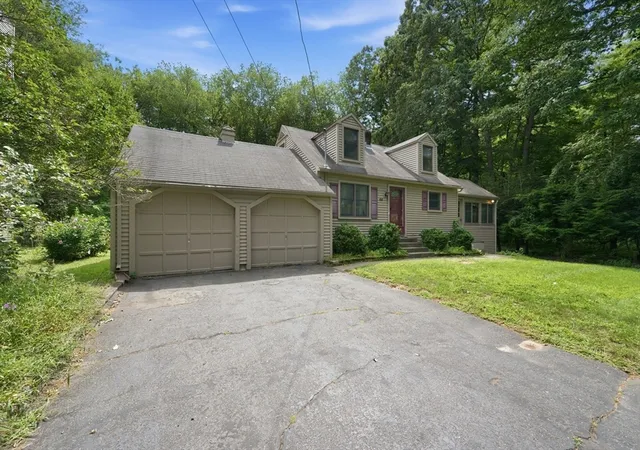
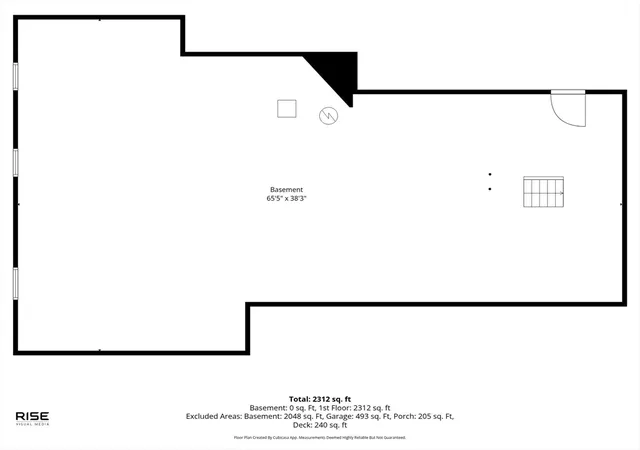

$624,000
9
4Bds
4Ba
4,832sqft
Sale Pending
Berkshire Hathaway Home Service New England Properties
 Price Drop: $10K

$439,900
1
3Bds
2Ba
1,960sqft
Single family home for sale
Trend 2000 Real Estate


$449,970
24
4Bds
4Ba
2,834sqft
Sale Pending
Century 21 Allpoints Realty
Don't miss out on new listings — and get instant email alerts!
Do Real Estate on the Go!
Find your dream home, receive real-time updates, and many more!
Connecticut is a balanced market, giving buyers and sellers room to negotiate. With 3 months of supply and homes averaging 52 days on the market, you can make decisions without the pressure of a highly competitive market.
Balanced Market
52
8
In Aug 2026 · YoY
Current rate · YoY
30-Year Fixed
30-yr fixed rate 6.23% · Data as of Aug 2026 · Source: Houzeo Research.
View Full Connecticut Market ReportA median home in Connecticut costs around $425,000. However, this price can vary widely by location and property type.
For instance, homes in Greenwich and New Canaan are more expensive, while properties in Waterbury, Hartford, and Bridgeport have a lower median price. Focus on the prices in the city you’re interested in rather than the state median price if you’re looking to buy a house in Connecticut.
Connecticut has no county government. Each of its 169 towns sets its own mill rate based on local budget needs and total property wealth. Wealthy towns like Greenwich maintain low rates around 12 mills because their total property value base is so high.
Cities like Hartford set much higher rates, up to 68.95 mills, to fund basic public services. Since property is generally assessed at 70% of market value, mill rates dramatically change your bill. A $400,000 home assessed at $280,000 generates about $3,370 in annual taxes in Greenwich, but well over $15,000 in a high-mill municipality.
Always verify an individual address's mill rate rather than relying on home price alone.
Yes, Connecticut state law requires a licensed Connecticut attorney to conduct real estate closings involving mortgage loans or ownership transfers. Under Public Act 19-88, non-attorneys who conduct real estate closings commit an unauthorized practice of law, which carries criminal penalties.
This requirement increases your buyer closing costs compared to escrow states. However, your closing attorney searches for property titles, clears liens, handles escrow funds, reviews contracts, and protects your legal rights throughout the transaction.
Sellers of residential properties with one to four units must give buyers a Residential Property Condition Disclosure Report before signing a contract. If a seller fails to provide this written disclosure, state law requires the seller to credit $500 to the buyer at closing. Some sellers choose to pay the $500 credit instead of filling out the form to avoid putting property conditions in writing.
However, taking the credit penalty does not release a seller from legal liability. Under Connecticut’s state law, you can still sue the seller who knowingly conceals major defects that impact safety, health, structural integrity, or property value.
Yes, crumbling foundations are a serious home issue in eastern Connecticut. It slowly expands, cracks, and destabilizes foundations when exposed to air and moisture. Over 35,000 homes in Hartford, Tolland, and Windham counties are at risk of damage. Total foundation replacement often costs between $120,000 and $200,000. State law requires sellers in affected regions to provide a separate Residential Foundation Condition Report.
If you choose to buy a home built between 1983 and 2015 in eastern Connecticut, hire a licensed engineer to conduct a professional foundation inspection before closing.
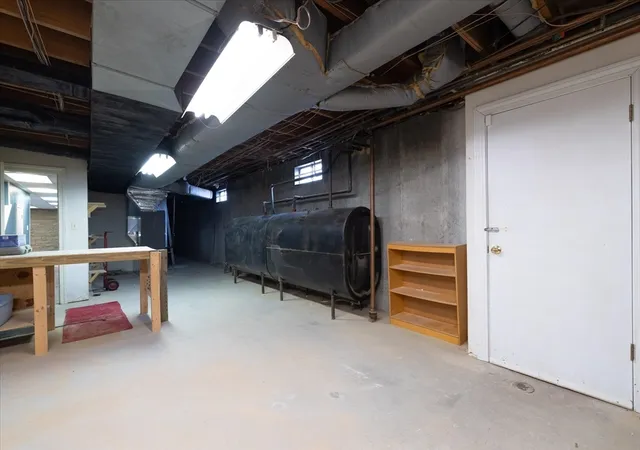
Before buying a home with oil heat, check for an underground storage tank (UST). Unused buried tanks can corrode, and leaking oil can cause over $100,000 in soil remediation costs.
Hire an inspector to complete an oil tank sweep on homes built before the mid 1980s. If an underground tank exists, demand removal records, testing results, or a closure letter from local environmental authorities. For aboveground systems that are functioning, check the tank's age and condition, inspect lines for active leaks, and review recent maintenance and heating oil bills.
If you have a steady source of income and plan to settle down in Connecticut, buying a house is better than renting. Properties in the Connecticut housing market gain value over time, allowing you to build equity and take advantage of potential tax savings.
If you’re in Connecticut for a short time, rent a house. With a median home price of $425,000 and high interest rates, monthly mortgage payments end up being way higher than typical rent prices in most cities.
Living in Connecticut brings significant financial drawbacks. Residents face a heavy overall tax burden, including high income taxes and steep local property taxes. Electricity costs rank among the highest nationwide, while hot summers and freezing, snowy winters further increase utility bills. Drivers deal with heavy traffic along major highway corridors like I-95, making daily commutes difficult without reliable public transport options.

Houzeo Corp. holds real estate brokerage licenses in Alabama (License No. 000157023 - 0) and Texas (License No. 9013396)
TREC: Info About Brokerage Services, Consumer Protection Notice.
§ 442‑H New York Standard Operating Procedure.
New York State Fair Housing Notice.


8
Homes Available

$ 425,000
Median List Price

52 Days
Avg on Market


Do Real Estate on the Go!


