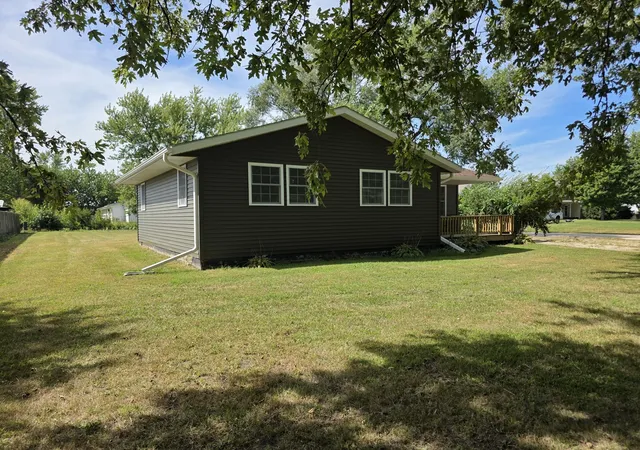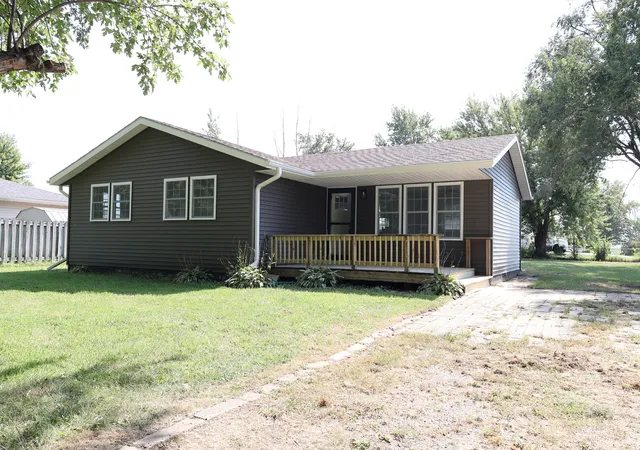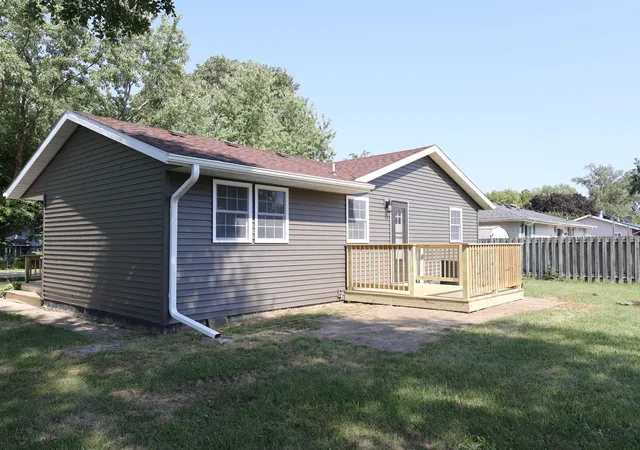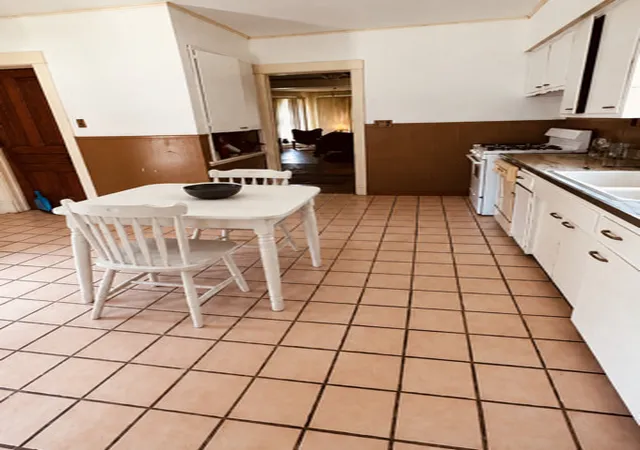
Cheap Homes for Sale in Chebanse, IL

We couldn’t find any listings matching your search

Search Tips

mapBlueIcon

Widen the search area

Expand your search to a larger area (eg: neighborhood to ZIP) or simply click and zoom out on the interactive map.

filterBlueIcon

Refine your search

Reduce the number of applied filters to make your search less restrictive.

searchBlueIcon

Try adjusting your filters or search by

  • Address: 16308 Mount Holly Dr, Bradenton, FL 34211
  • Neighborhood - Reseda
  • ZIP - 33143
  • City - Miami

Don't miss out on new listings — and get instant email alerts!

Do Real Estate on the Go!

Find your dream home, receive real-time updates, and many more!

Chebanse, IL Housing Market Overview

Chebanse's housing market currently favors sellers. With just a 1-month supply of homes and properties taking an average of 47 days to sell, sellers have considerable pricing power and can command premium offers.

Status

Seller's Market

Days on Market

47

Inventory

0

Aug 2021Aug 2023Mar 2026

Median Home Price

$150,000Down 0.00%

In Mar 2026 · YoY

Aug 2021Sep 2023Mar 2026

Mortgage Rates 30-Yr Fixed

6.23%Down 0.58%

Current rate · YoY

Loan Type

30-Year Fixed

Housing Supply

Homes For Sale
2 Down 0.00%
Newly Listed Homes
0 Down 0.00%
Months of Supply
1 Down 0.00%

Housing Demand

Homes Sold
2 Down 0.00%
Sale-to-List Ratio
97.4% Down 0.00%
Homes Sold Above List
0% Down 0.00%

30-yr fixed rate 6.23% · Data as of Mar 2026 · Source: Houzeo Research.

View Full Chebanse Market Report

Frequently Asked Questions

Which is the safest city to live in Illinois?

If you are planning to buy a home in Illinois, Pingree Grove is the safest city to live in. According to 2025 FBI data and SafeWise rankings, the crime rate here is only 167 per 100,000 people, which is 92% below the national average.

Apart from Pingree Grove, Homer Glen, Buffalo Grove, and Park Ridge are a few other places in Illinois that top the list for a safe, stress-free environment.

Why do Chicago bungalows show up so often in Illinois listings?

Bungalows are common in Illinois listings because more than 80,000 were built in and around Chicago between 1910 and 1940. These bungalows are brick, one-and-a-half-story homes constructed in the area known as the Bungalow Belt.

Buyers often prefer these homes for their sturdy construction, practical layouts, and classic character. However, older, unrenovated bungalows may need updates to features such as knob-and-tube wiring, galvanized plumbing, and small or unfinished attic spaces.

Why do property taxes differ from one Illinois city to another?

Illinois has an average effective property tax rate of about 1.88%, ranking among the highest in the nation, alongside New Jersey. Lake County and the Chicago suburbs have the highest rates, while southern and downstate counties pay well below the state average.

Illinois has nearly 7,000 local government units, more than any other state. Most of these, including schools, parks, and library districts, levy their own property taxes. When these taxes stack up, two similar homes just miles apart can end up with very different tax bills.

How much should I budget for homeowners insurance in Illinois?

In 2026, the average insurance premium in Illinois is about $3,240 per year for a $400,000 home. That's 30% higher than the national average of $2,490, mostly due to the frequent occurrences of hailstorms and thunderstorms.

Insurance rates vary by location, too. In Chicago, it's $3,745 annually, while in Naperville the cost drops to about $2,860. The property's age, roof condition, and building materials also affect this rate. Older Chicago homes and downstate farmhouses often cost more to insure because of outdated plumbing or wiring.

Why do most Illinois home purchases go through attorney review?

Attorneys handle real estate contracts in the Prairie State. Once buyers and sellers sign the contract, each side's attorney has five business days to review, object to, or request changes to terms such as inspections, financing, and closing dates.

This review period is standard procedure, but it means your accepted offer isn't final till those five days are done. Out-of-state buyers are often surprised by this step, as agents finalize contracts in most other states.

What are the average HOA fees in Illinois?

Average HOA fees in Illinois range from $300 to $400. This depends on factors such as exterior maintenance, landscaping, trash collection, common-area utilities, and shared amenities.

More than 30% of Illinois homes fall under an HOA, one of the highest rates in the country. This makes it more important to review the specific HOA's financial health, monthly dues, and the risk of special assessments, which will increase your overall housing costs.

Who pays the transfer tax when you buy a house in Illinois?

Sellers in Illinois typically pay a statewide transfer tax of $0.50 per $500 of the sale price. However, buying a home in Chicago adds an extra local tax. The buyer pays a city tax of $3.75 per $500, while the seller pays $1.50 per $500 CTA transit tax and a $0.25 per $500 Cook County tax.

These overlapping taxes often surprise buyers from other states, since the transfer tax is the seller's expense in most other states.

Should I worry about radon in an Illinois home?

Yes, homes in Illinois face higher radon risks than those in most states. State health agencies report that 41% of tested homes exceed the EPA safety threshold of 4.0pCi/L. While sellers must disclose known radon test results, Illinois law does not require a radon test before a home sale.

Consider requesting a radon test during the inspection, particularly for homes with basements. If elevated levels are found, a mitigation system can reduce radon exposure and may be a worthwhile investment given the potential health risks.

Are there any down payment assistance programs for Illinois homebuyers?

Yes, the Illinois Housing Development Authority (IHDA) offers several home buyer assistance programs that can help cover down payments and closing costs when paired with a 30-year fixed-rate mortgage.

The Access Forgivable program offers up to $6,000, forgiven monthly over 10 years. Access Deferred gives up to $7,500 with no payments until you sell or refinance, while Access Repayable offers up to $10,000. Many cities provide local aid in addition to these options. However, eligibility depends on your county and home price due to income and purchase-price limits.

How much earnest money should I expect to put down in Illinois?

Most Illinois contracts don't require a specific minimum deposit. However, buyers typically put down 1% to 2% of the purchase price, or more in competitive markets.

A title company or listing brokerage holds the funds in escrow to apply toward your down payment or closing costs. Standard inspection, financing, or attorney review contingencies protect your earnest money if the deal falls through for a contractually valid reason.

Click to see all homes
static map image
Satellite
Chebanse, IL Housing Marketlink qauare
Homes Available icon

0

Homes Available

Median List Price icon

$ 150,000

Median List Price

Avg on Market icon

47 Days

Avg on Market

Close IconHouzeo

Do Real Estate on the Go!

For Sale
Price
Beds & Baths
Home Type (5)
Filters
Save Search Share