 35 hours ago
 No HOA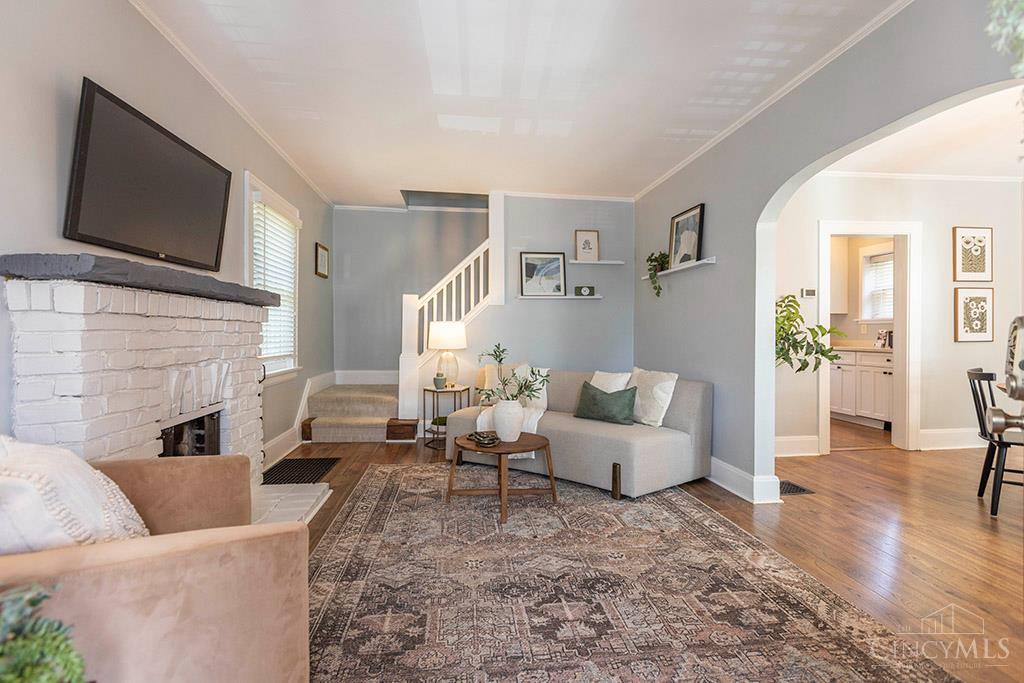
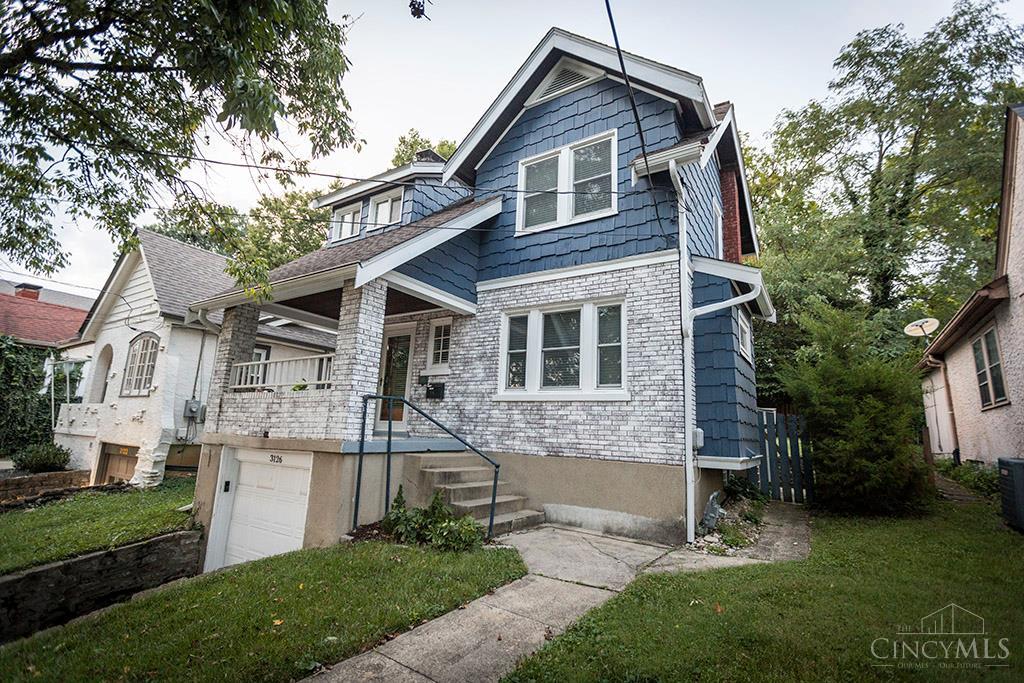
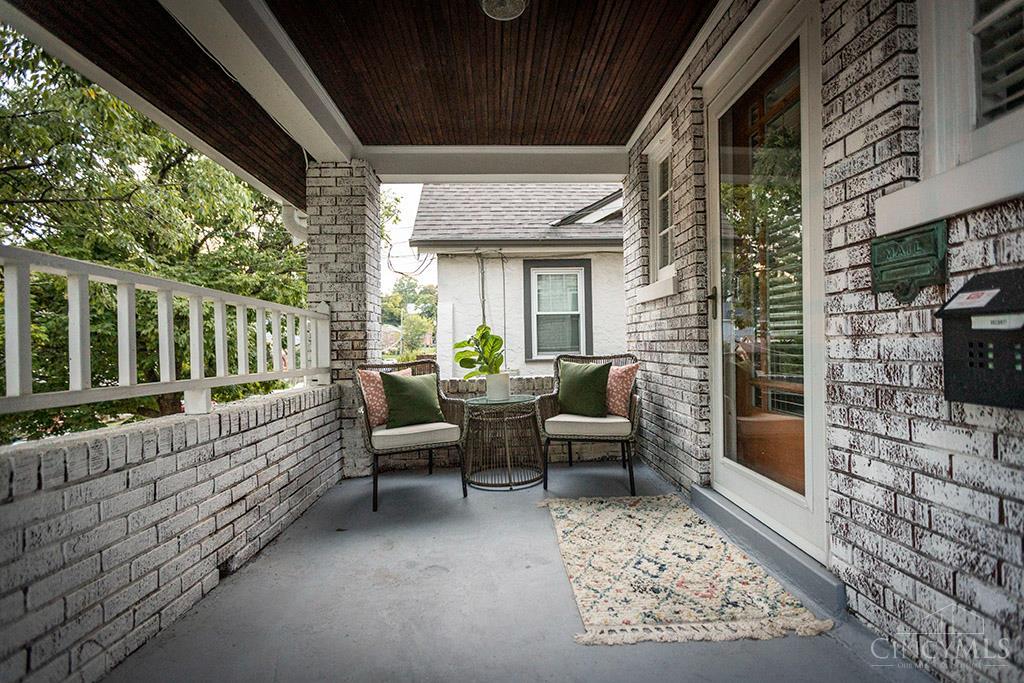

$355,000
2Bds
1Ba
996sqft
Single family home for sale
Sibcy Cline, Inc.
35 hours agoNo HOA$355,000
2Bds
1Ba
996sqft
Single family home for sale
Sibcy Cline, Inc.
5 days agoNo HOA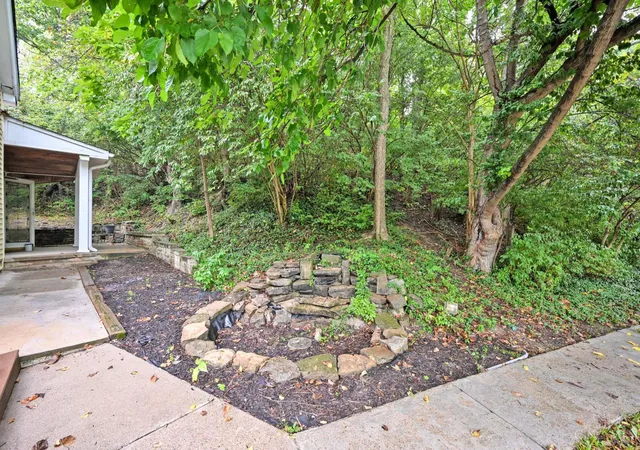
 6 days agoNo HOA
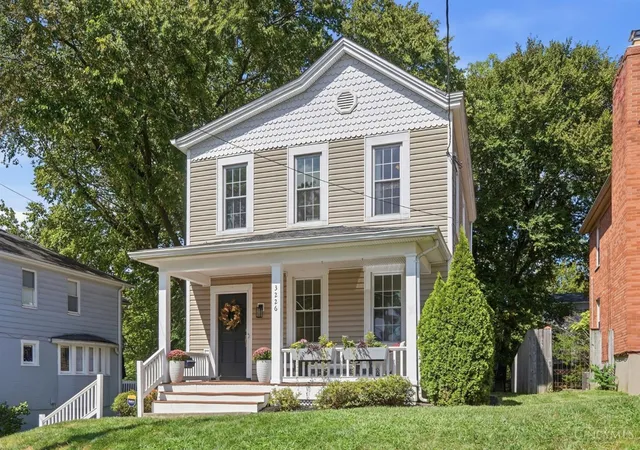
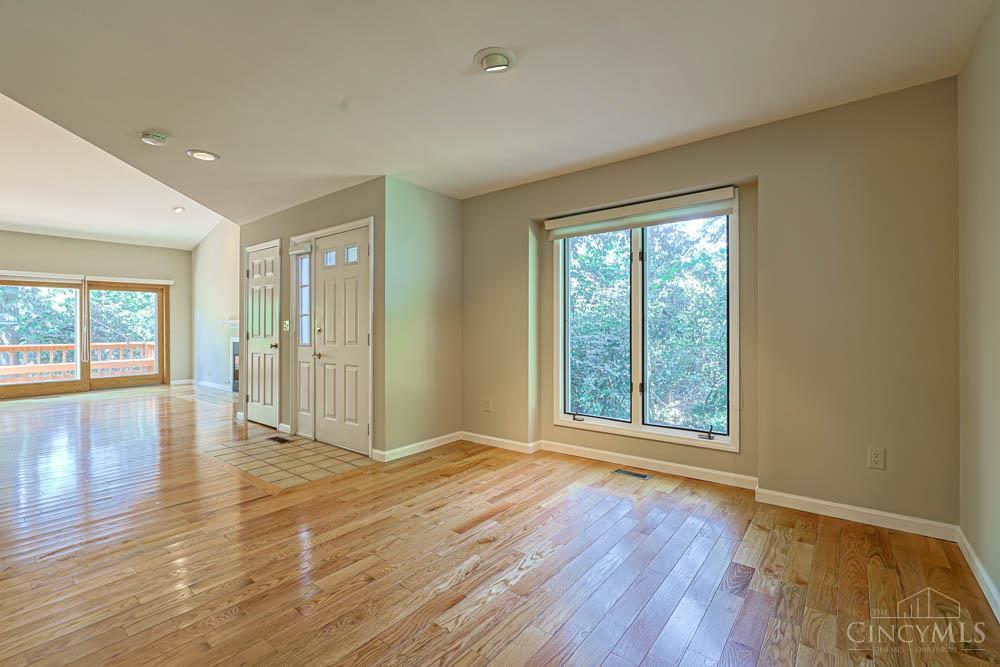
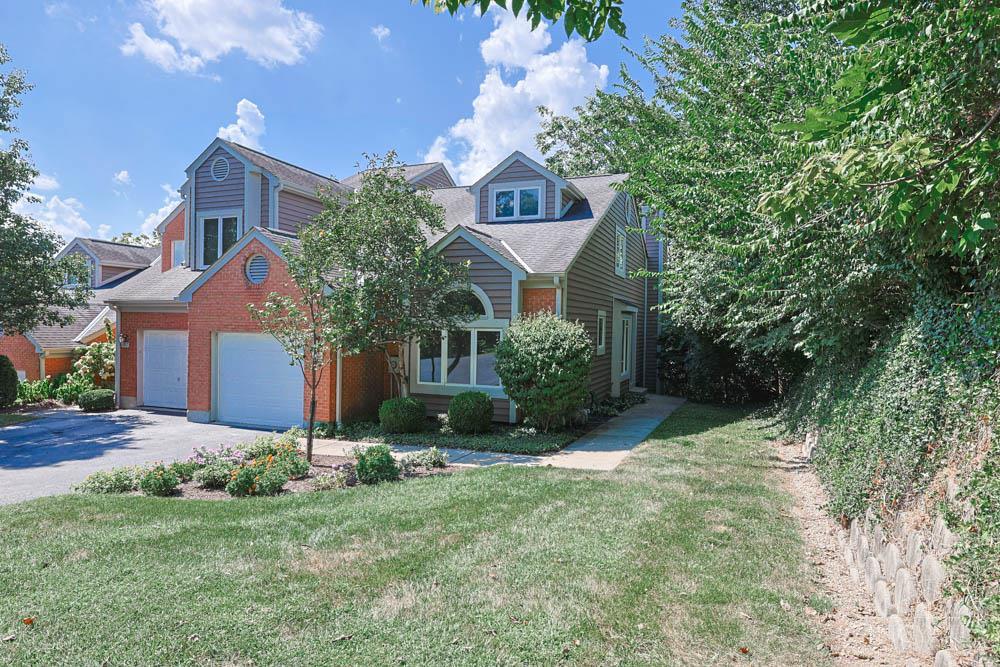
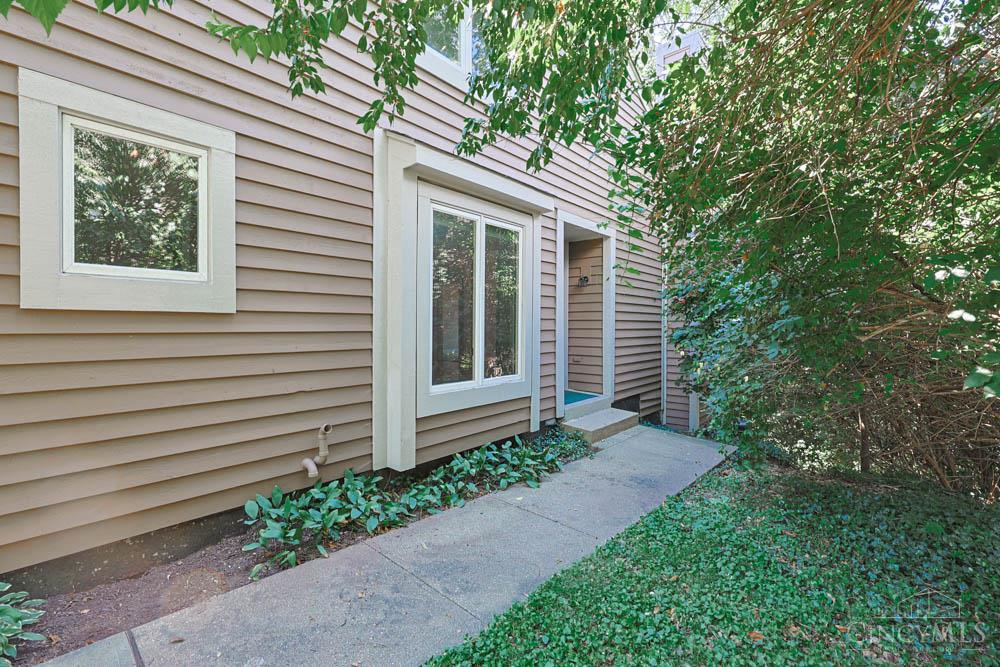
Sibcy Cline, Inc.
No HOA
 3D TourNo HOA
 No HOA
 No HOA
$515,000
 6
6
3Bds
1Ba
1,452sqft
Single family home for sale
Coldwell Banker Realty
No HOA
$580,000
2
3Bds
2Ba
2,123sqft
Single family home for sale
Coldwell Banker Realty
3D Tour
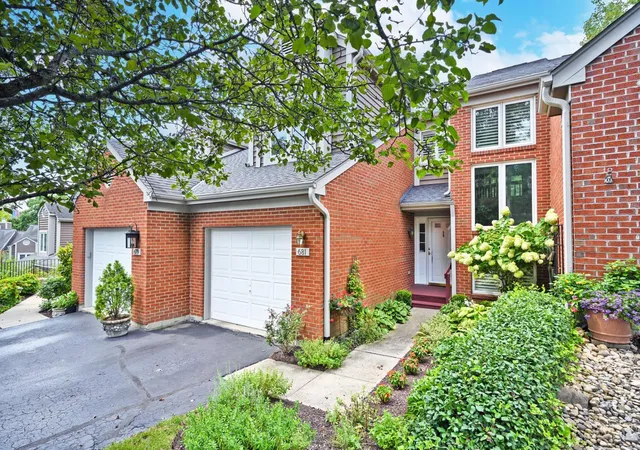
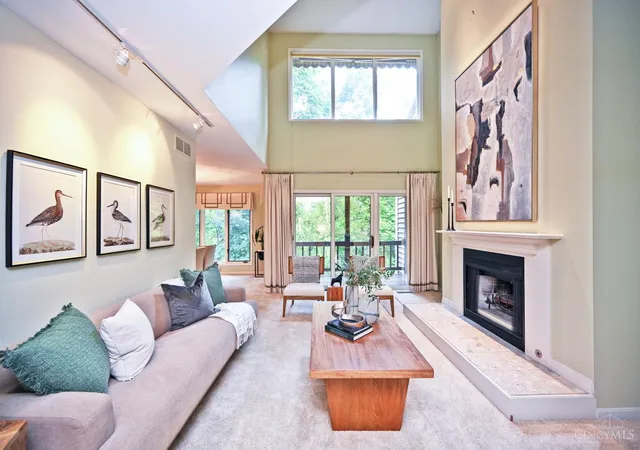 No HOA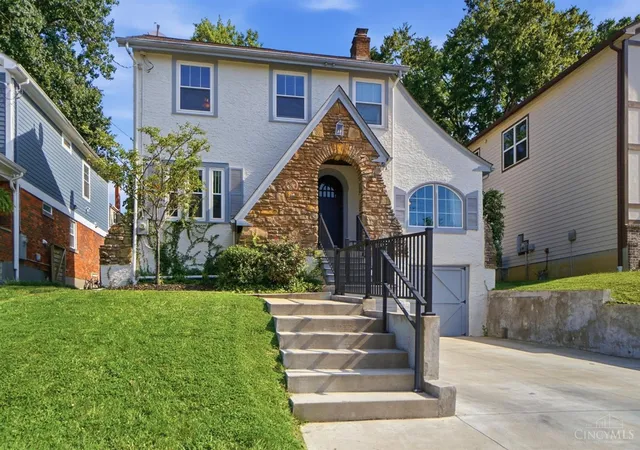
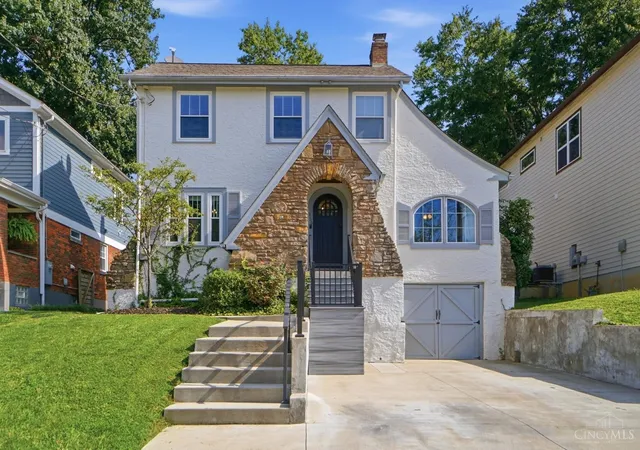
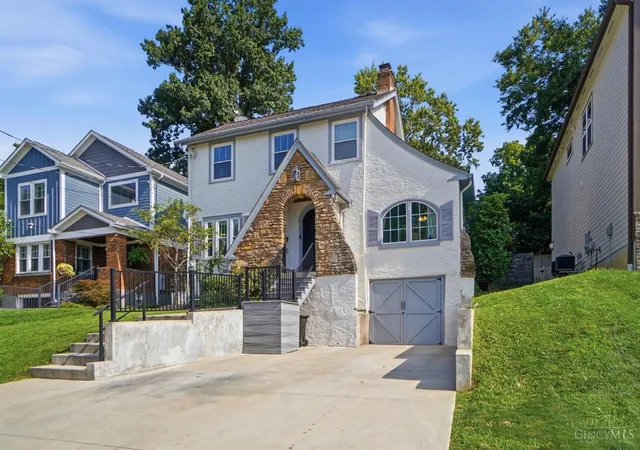
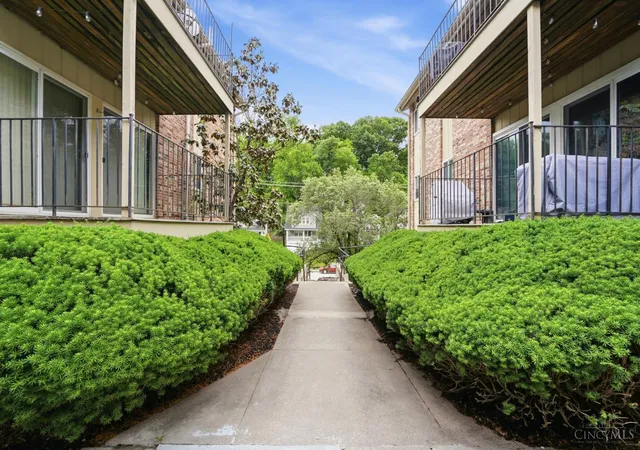
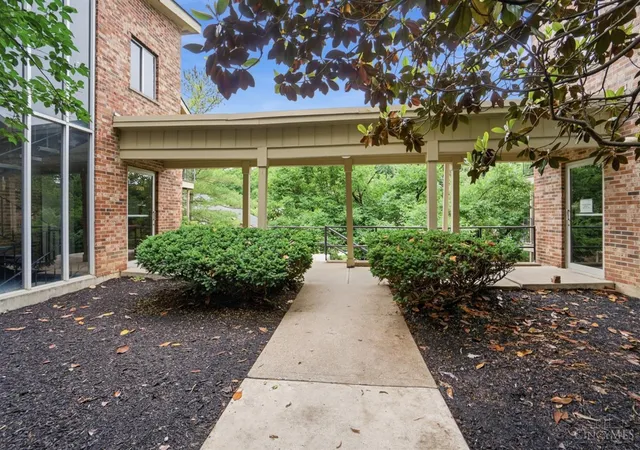
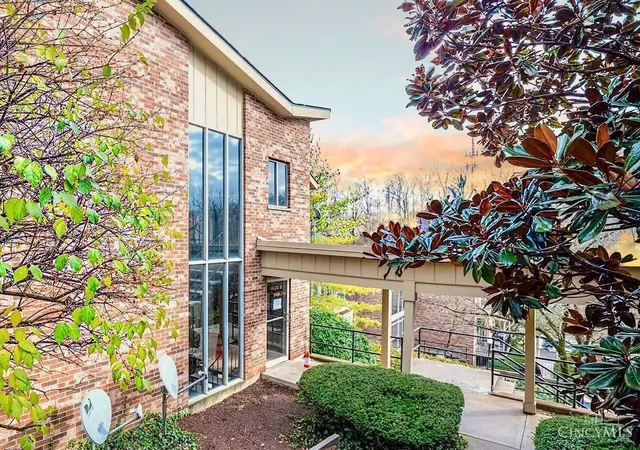
Coldwell Banker Realty
3D TourNo HOA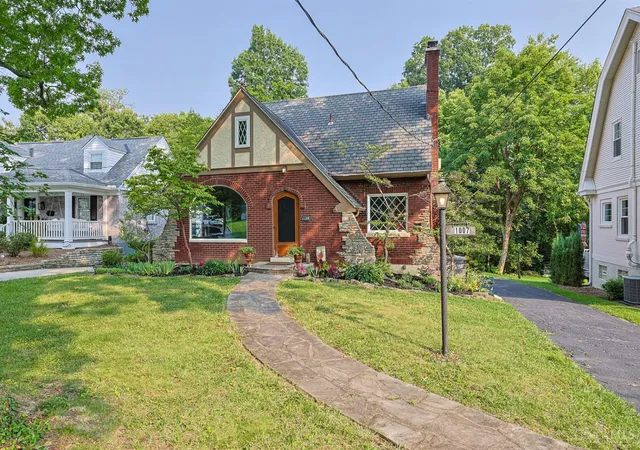
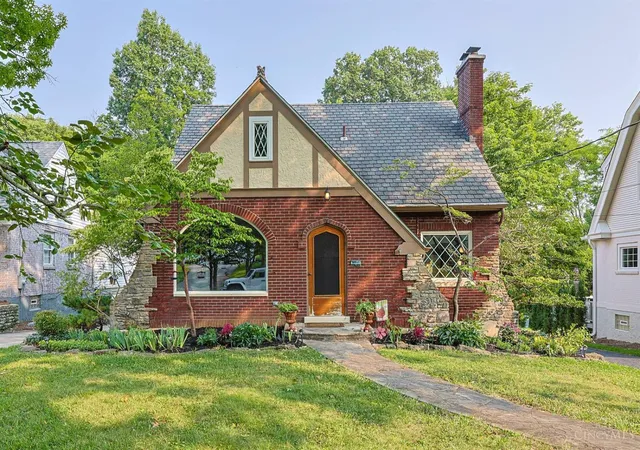
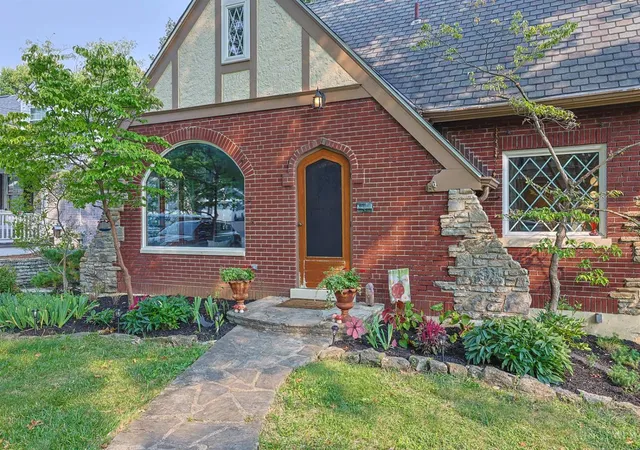
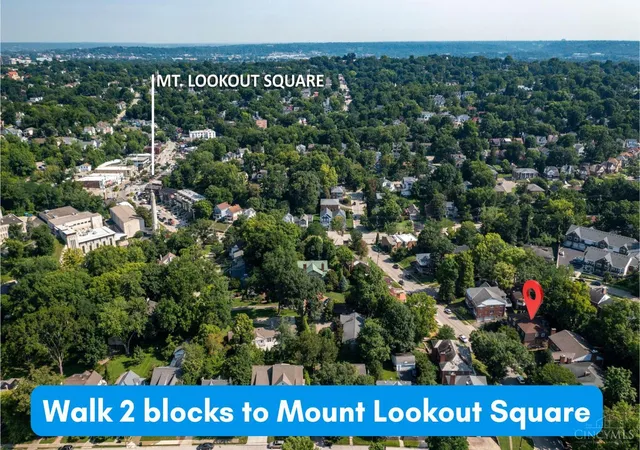
Keller Williams Advisors
No HOA
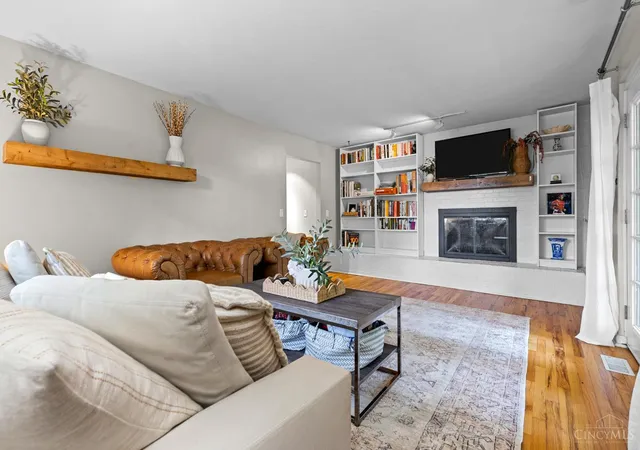
$449,900
4
3Bds
2Ba
2,249sqft
Single family home for sale
Coldwell Banker Realty
No HOA

Don't miss out on new listings — and get instant email alerts!
Do Real Estate on the Go!
Find your dream home, receive real-time updates, and many more!
A median-priced Cincinnati home runs about $299,450, one of the lowest figures among major U.S. metros. The bigger line item to plan for is property tax, because effective rates across Hamilton County land roughly around 2%, against a national median near 1.02%. That puts the typical Cincinnati tax bill around $3,600 a year, and it varies noticeably by school district even within city limits.
Expect roughly $60 to $500 a month, with the split between property types mattering far more than the neighborhood. Across Ohio, the median single-family HOA fee is about $54 because it usually covers only landscaping and common areas. Condo fees run much higher at a median near $368, since those dues also absorb exterior maintenance and the building's master insurance policy.
East Price Hill and Winton Hills are the cheapest places to buy inside city limits, with medians around $110,000 and $160,000. Both trade convenience for price; the housing stock is older and much of it needs work before it appraises well. If you'll drive, Hamilton sits 20 miles north in Butler County and stretches the same budget further.
A typical Cincinnati rental costs about $1,400 a month, roughly a quarter below the national average. Studios sit near $930 and one-bedrooms near $1,050, so a single renter can live well under that headline number. Rental houses average closer to $1,800, which is what pulls the citywide figure up.
Buying wins sooner in Cincinnati than in almost any comparable metro, because the gap between a mortgage payment and $1,400 rent is unusually narrow at these prices. The catch is the tax side. Hamilton County's effective rates near 1.5% to 2% mean your monthly escrow is a bigger share of the payment than a national rule of thumb would suggest. Run the numbers with the actual district rate, not a countywide average, since rates swing by several tenths of a point across city neighborhoods.
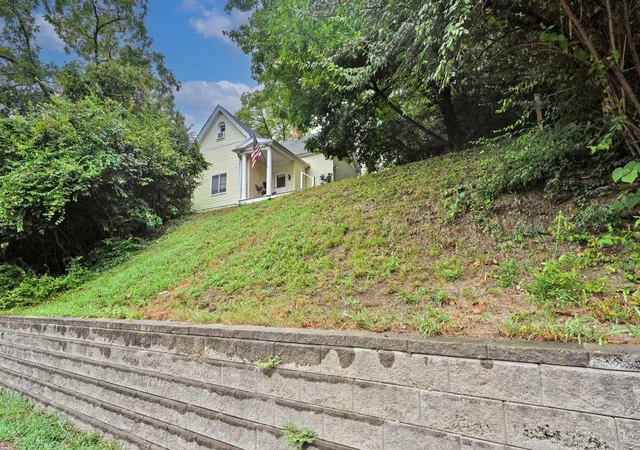
Yes, Greater Cincinnati is one of the most landslide-active regions in the country, with among the highest per-capita mitigation costs nationally. The hillsides are loose clay over shale, and the 1973 Mount Adams slide destroyed two streets and sixteen houses before a $30 million tie-back wall stabilized the toe of the hill.
If you're buying on or below a slope, ask for retaining wall records, past slope movement, and any geotechnical report before you fall for the view.
Only if you both live and work outside the city. Cincinnati's 1.8% earnings tax follows the paycheck, not the address. Work downtown from a suburb and you still owe the full 1.8% on those wages, though your home municipality credits you for what you paid. The genuine savings go to people who live and work in a township or a low-tax suburb, and Cincinnati's 1.8% is still cheaper than the 2.5% charged in Columbus and Cleveland.
Yes, and the lot matters more than the neighborhood's reputation. A house at the top or base of a steep Cincinnati slope needs a geotechnical inspection alongside the standard home inspection, because stabilizing local hillsides typically means drilled piers or engineered retaining walls. Those are five-figure repairs at minimum, and landslide damage in Hamilton County has historically run into millions of dollars a year countywide.

Houzeo Corp. holds real estate brokerage licenses in Alabama (License No. 000157023 - 0) and Texas (License No. 9013396)
TREC: Info About Brokerage Services, Consumer Protection Notice.
§ 442‑H New York Standard Operating Procedure.
New York State Fair Housing Notice.


Do Real Estate on the Go!


