
$1,995,000
 3
3
3Bds
3Ba
2,722sqft
Sale Pending
Martha Turner Sotheby'S International Realty
$1,995,000
3
3Bds
3Ba
2,722sqft
Sale Pending
Martha Turner Sotheby'S International Realty
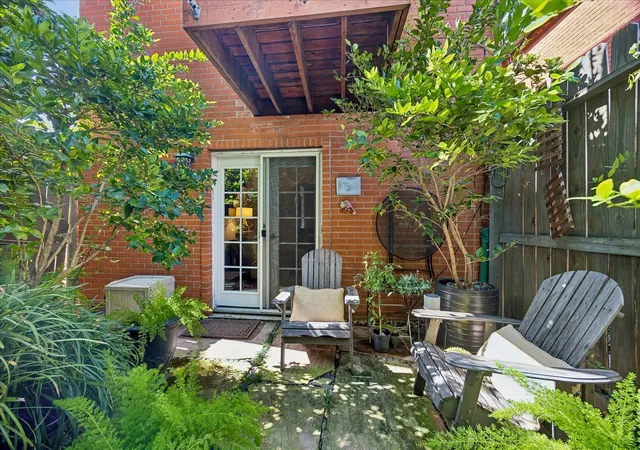
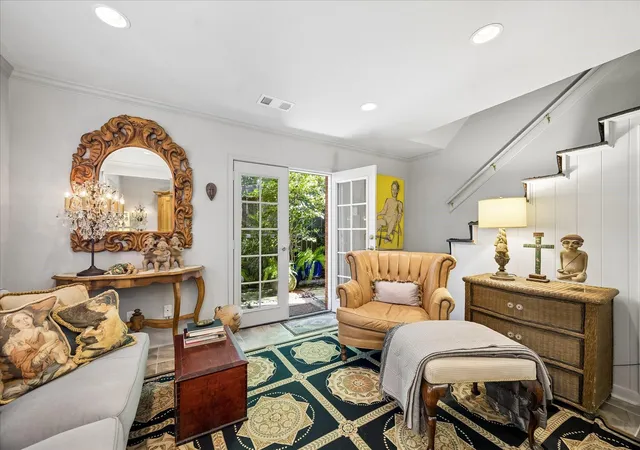
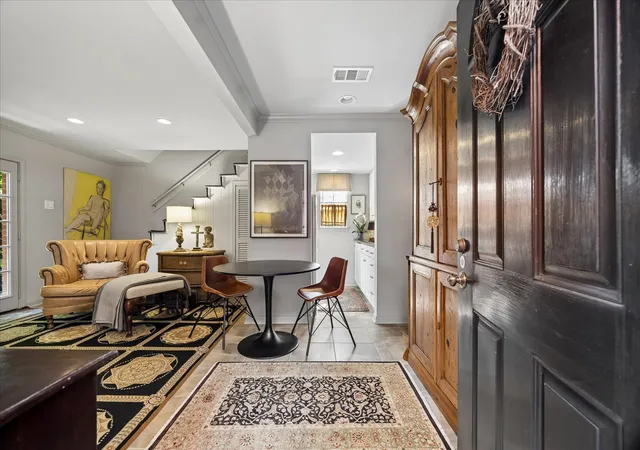
 Price Drop: $105K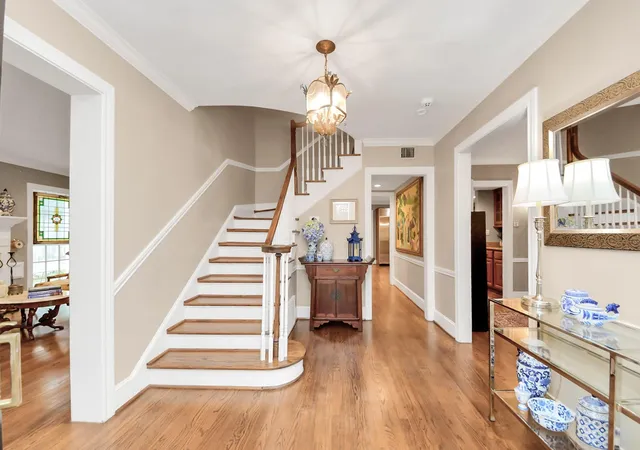
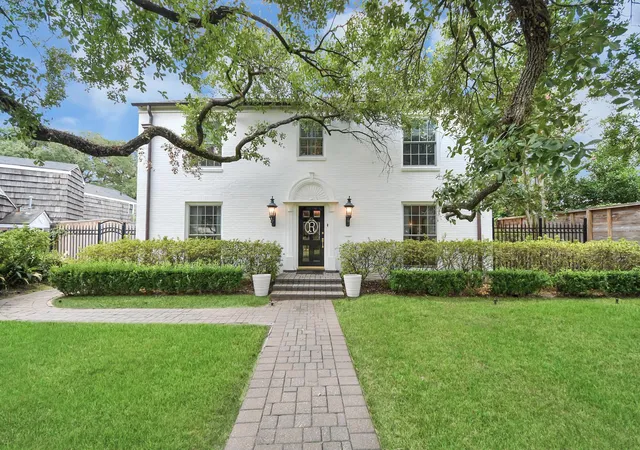
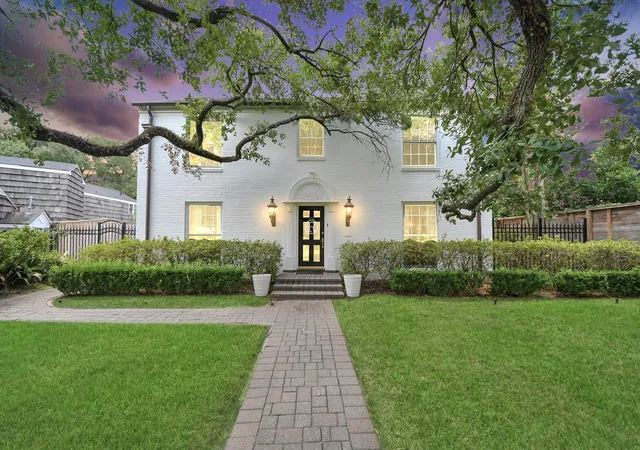
$1,995,000
8
3Bds
4Ba
3,542sqft
Sale Pending
Jane Byrd Properties International Llc
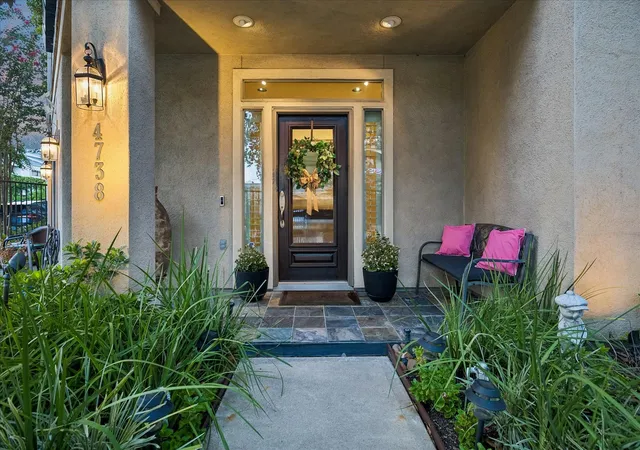
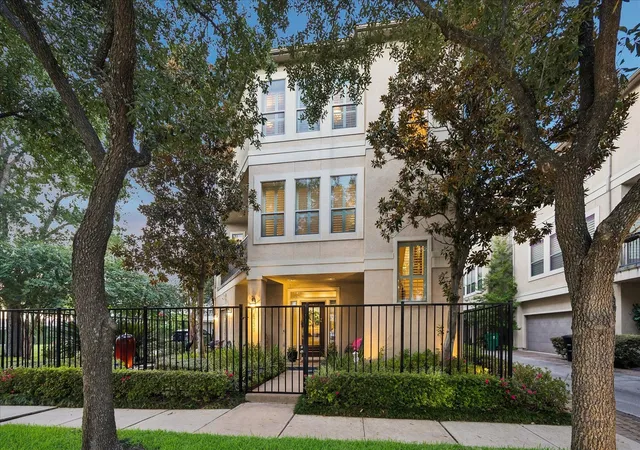
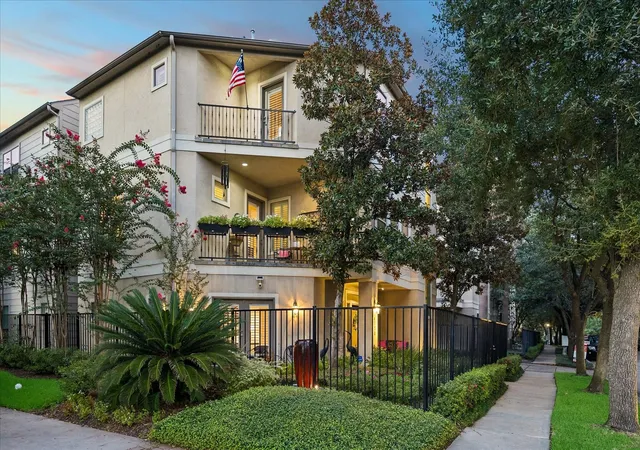
$775,000
2
3Bds
4Ba
2,828sqft
Single family home for sale
Martha Turner Sotheby'S International Realty - Memorial
 New Construction


Compass Re Texas, Llc - Houston
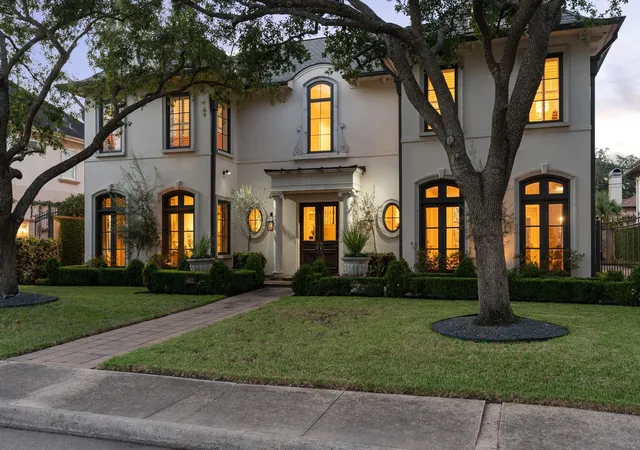
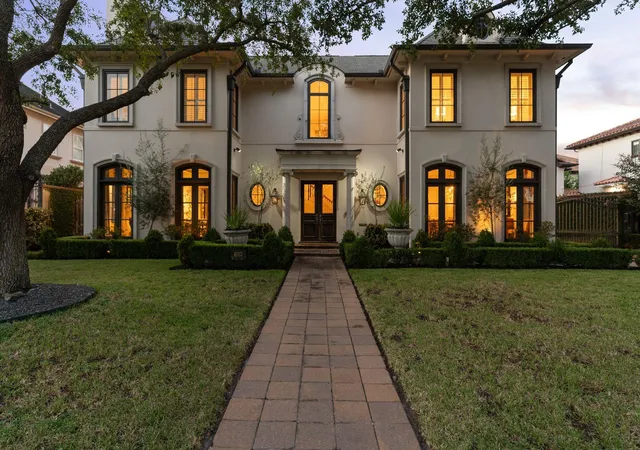
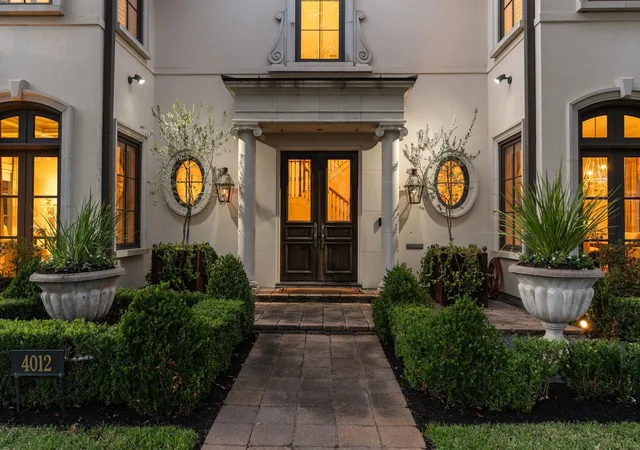
$3,695,000
5
4Bds
7Ba
6,715sqft
Single family home for sale
Martha Turner Sotheby'S International Realty
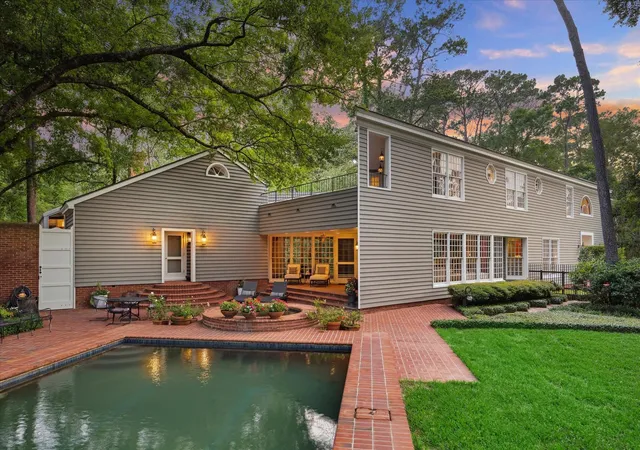
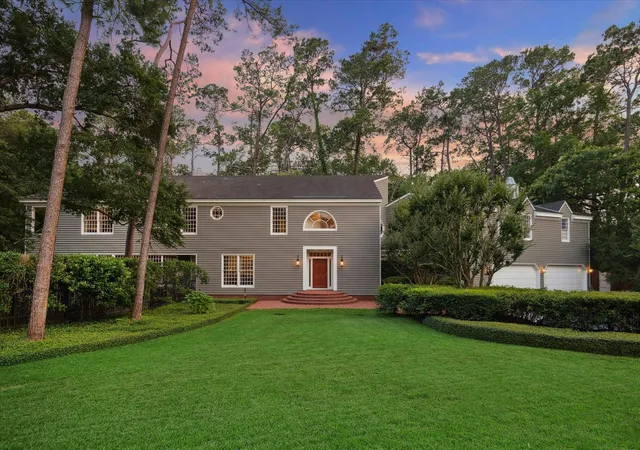
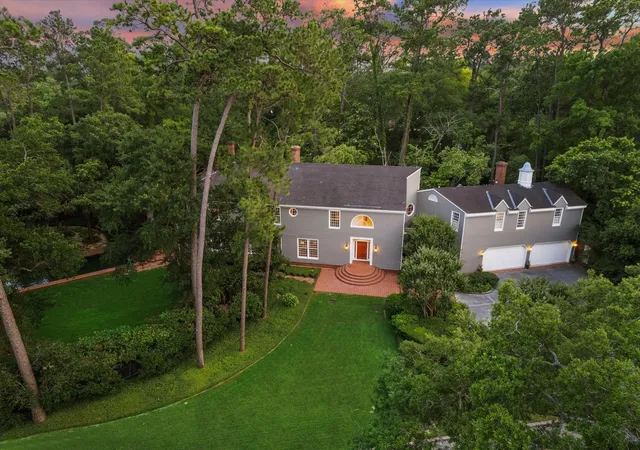
$12,500,000
6
5Bds
8Ba
7,221sqft
Mansion for sale
Martha Turner Sotheby'S International Realty
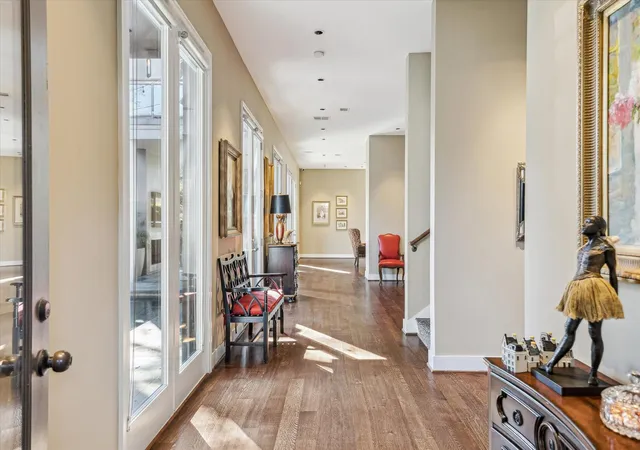
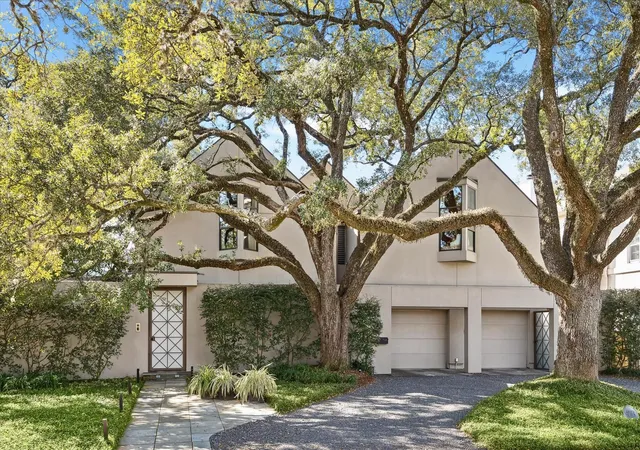
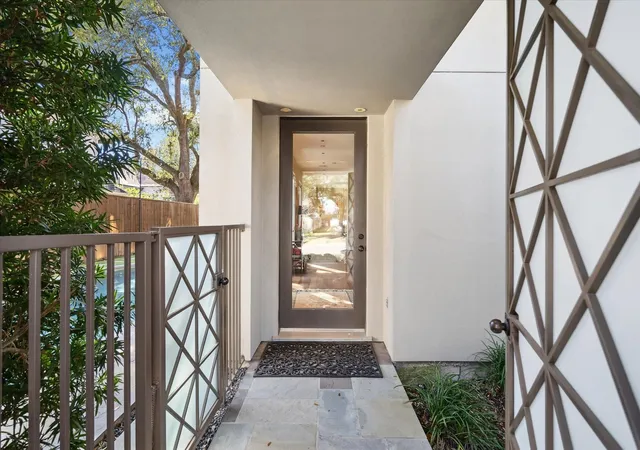
$2,350,000
5
3Bds
6Ba
4,862sqft
Single family home for sale
Compass Re Texas, Llc - Houston
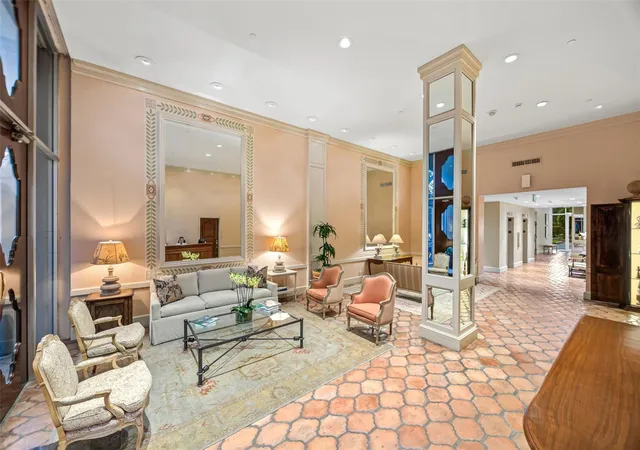
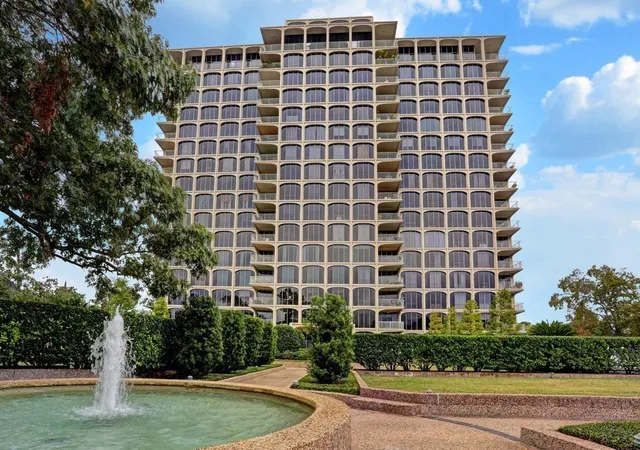
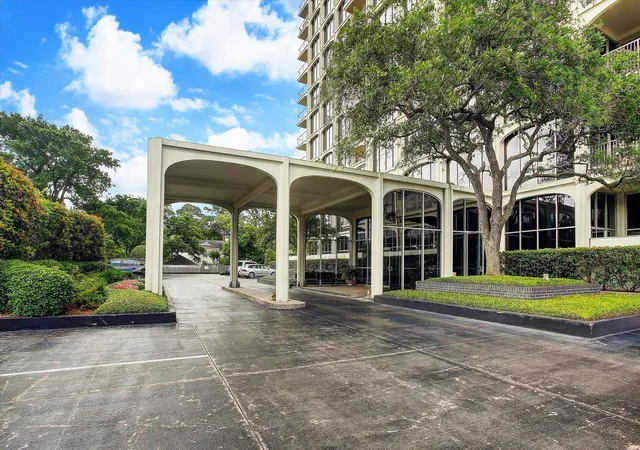
Martha Turner Sotheby'S International Realty
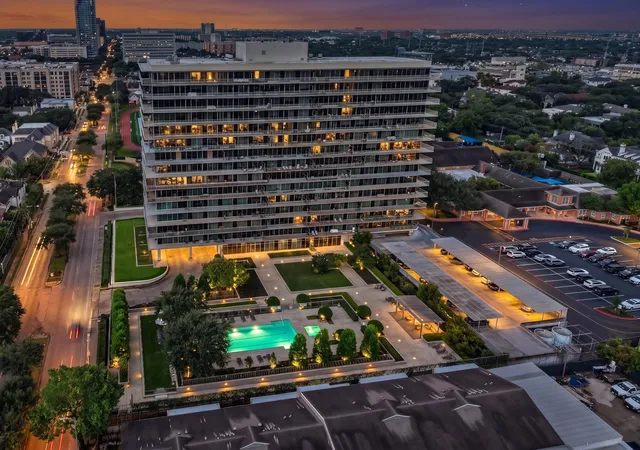
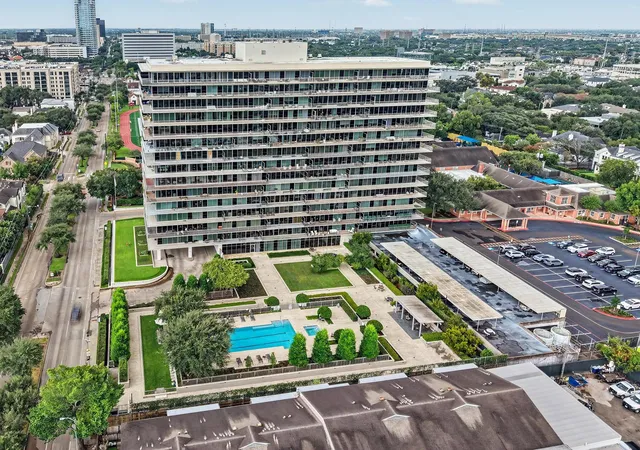
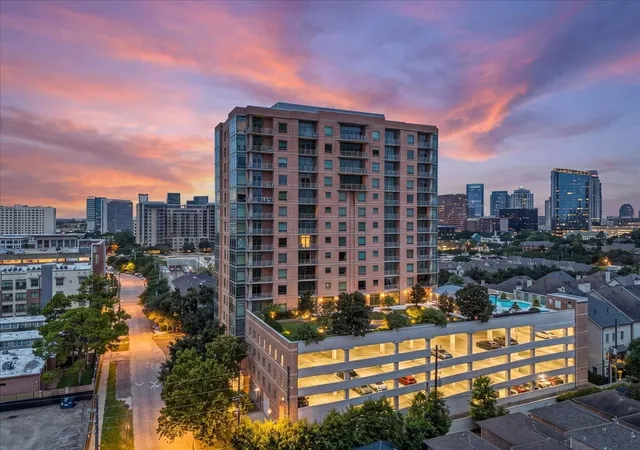
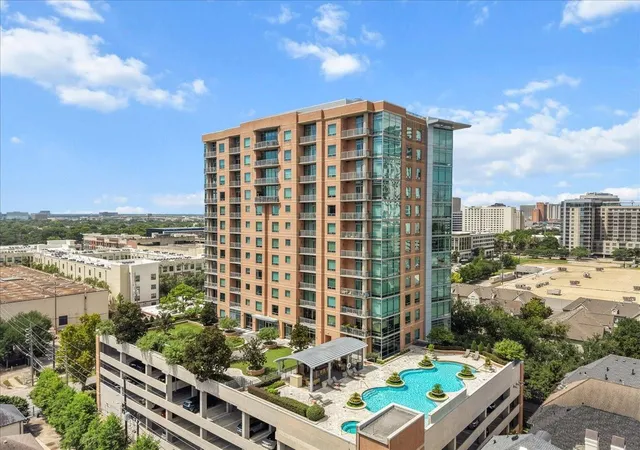
3711 San Felipe St
$275,000 - $1,995,000
Studio
$275k+
1 Bed
$414.9k+
2 Beds
$795k+
3 Beds
$1.4M+
Price Drop: $1KNew Construction
$1,565,000
7
4Bds
5Ba
4,080sqft
Single family home for sale
Trotwood Realty
New Construction
$4,995,000
1
5Bds
6Ba
6,168sqft
Mansion for sale
Martini & Co. Real Estate Advisors
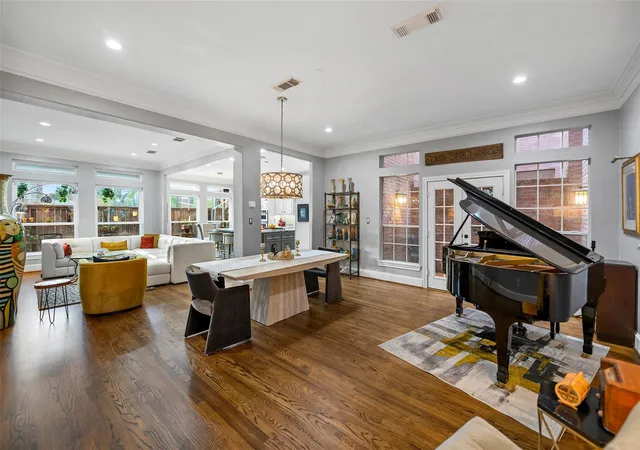
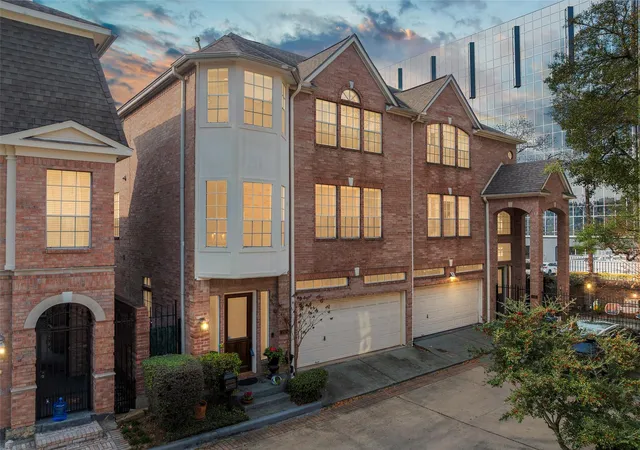
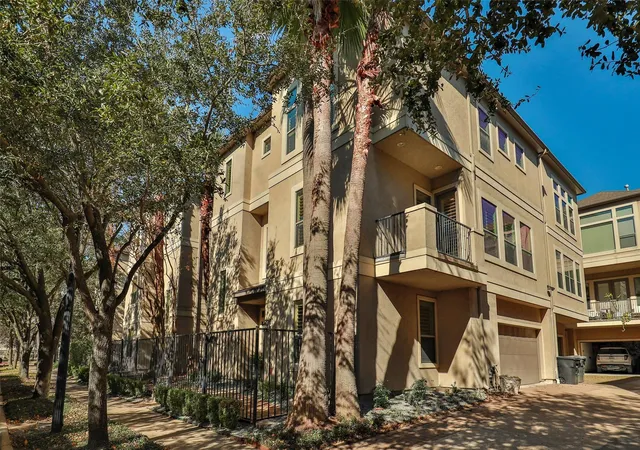
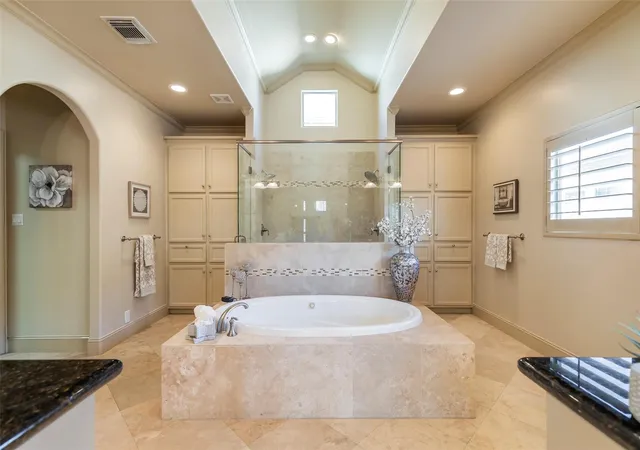
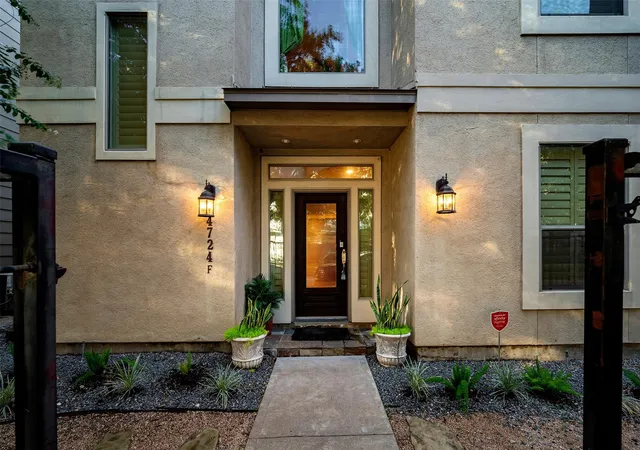
$924,800
2
3Bds
4Ba
3,619sqft
Single family home for sale
Patricia Fleming Realty Llc
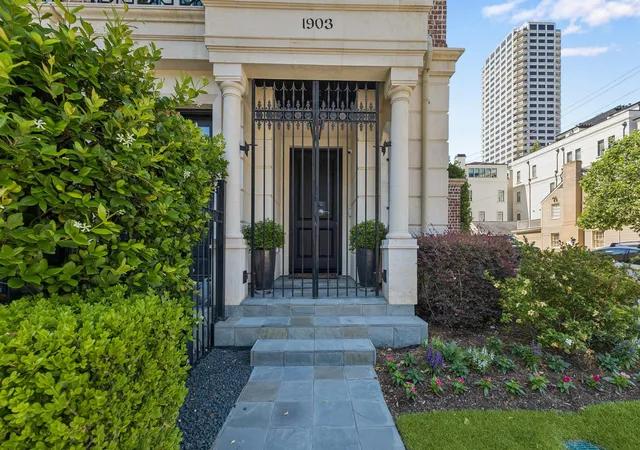
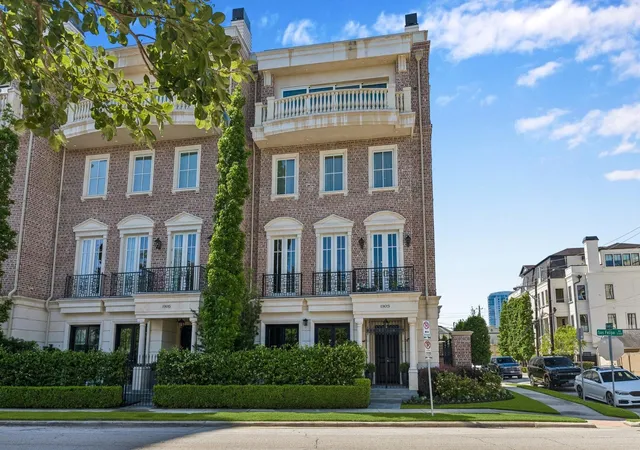
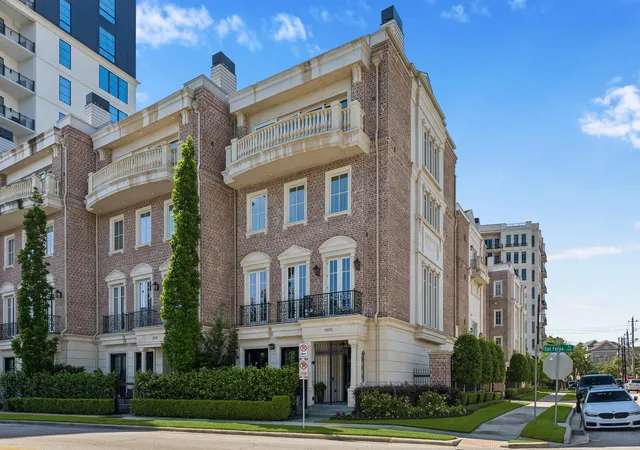
$1,495,000
3
3Bds
4Ba
4,121sqft
Sale Pending
Compass Re Texas, Llc - Houston
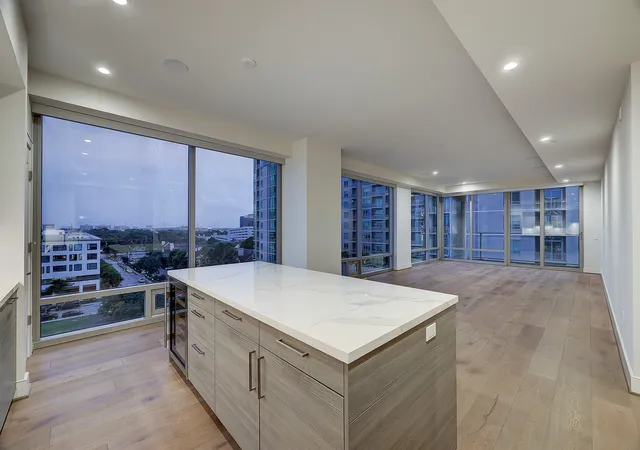
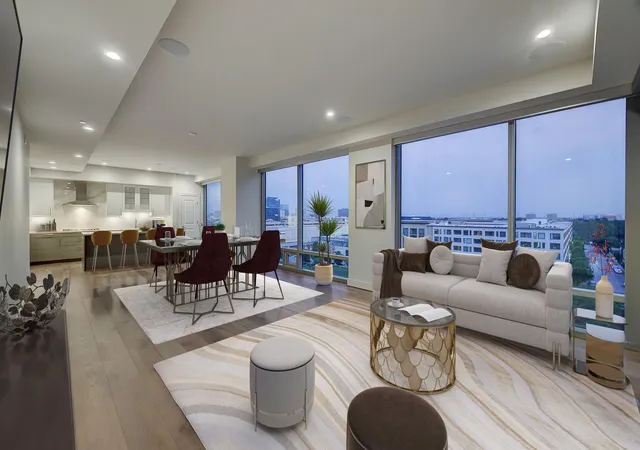
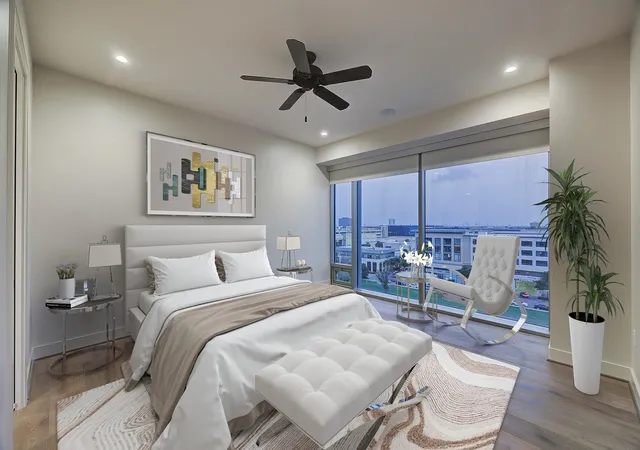
Bernstein Realty
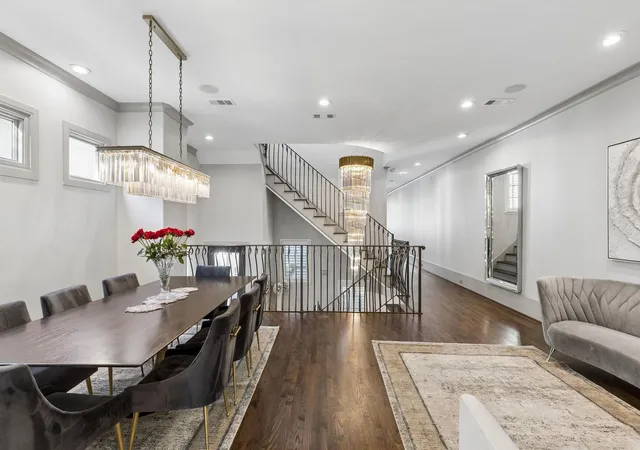
High Standards Realty Llc
$1,200,000
2
3Bds
3Ba
2,737sqft
Sale Pending
Compass Re Texas, Llc - Houston
New Construction


Douglas Elliman Real Estate
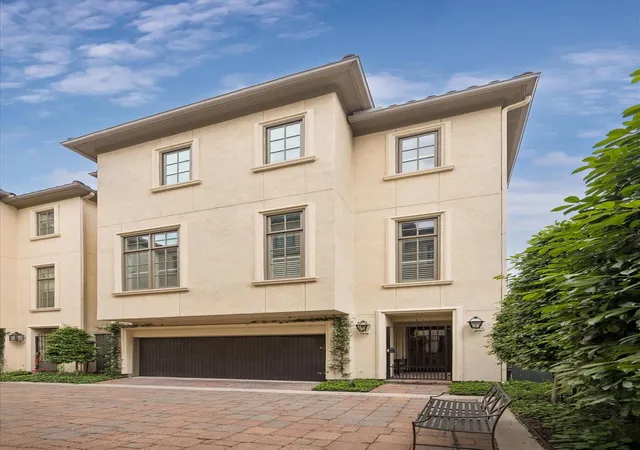
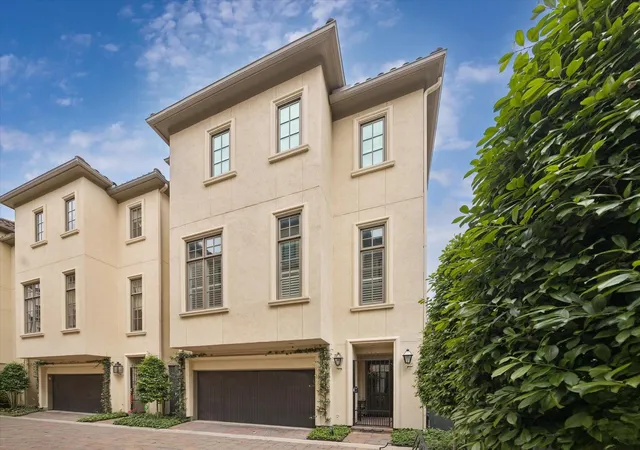
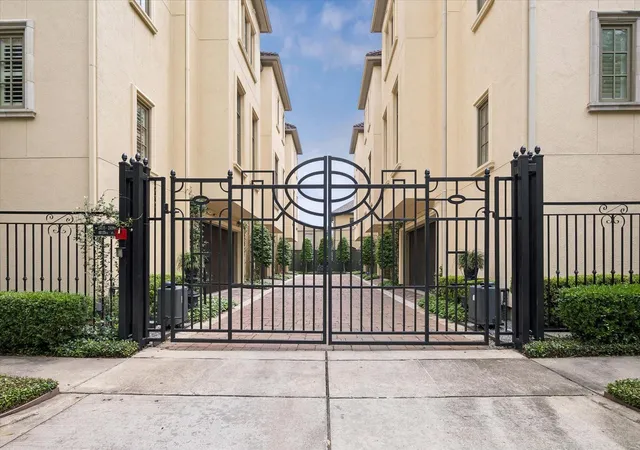
$925,000
5
3Bds
4Ba
3,301sqft
Sale Pending
Greenwood King Properties - Kirby Office
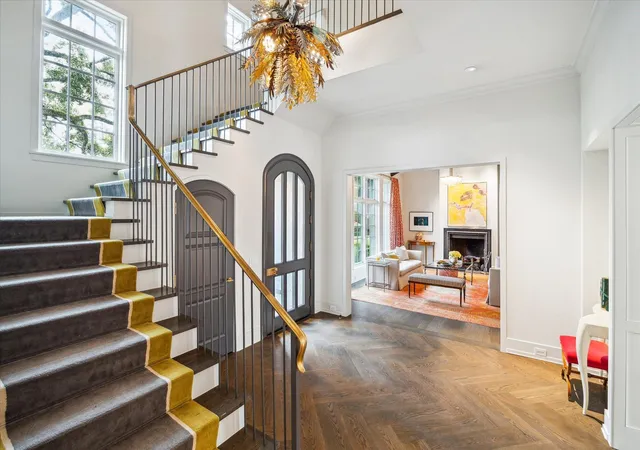
$10,500,000
6
5Bds
9Ba
7,222sqft
Mansion for sale
Martha Turner Sotheby'S International Realty
Keller Williams Realty Metropolitan
Price Drop: $13.1K


Keller Williams Realty Metropolitan
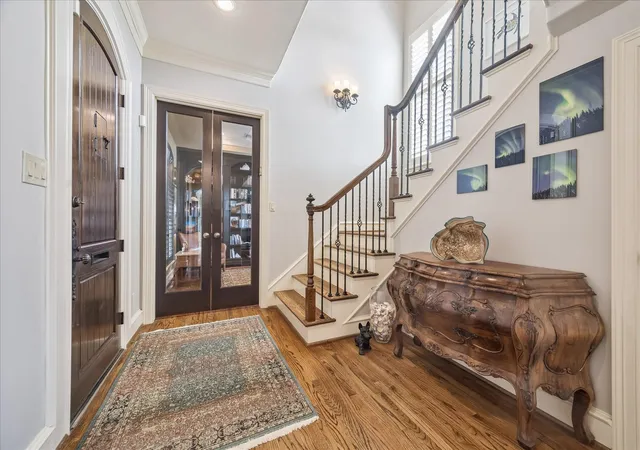
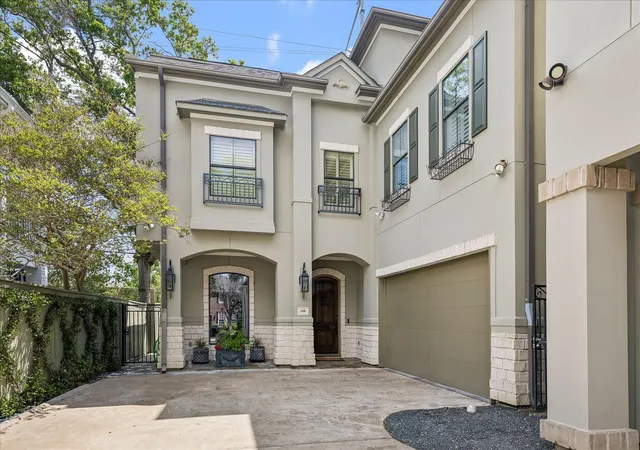
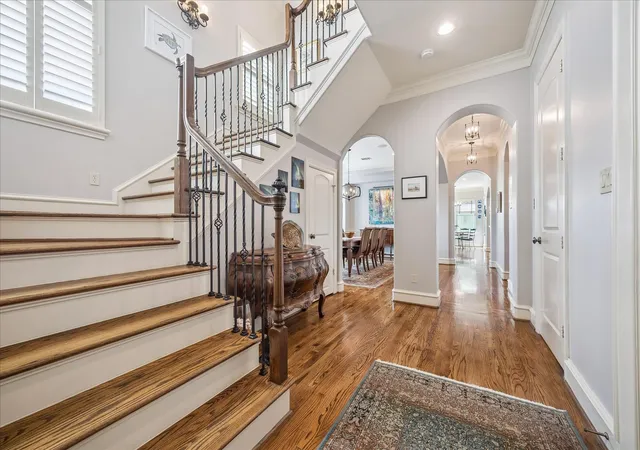
$1,149,000
4
4Bds
4Ba
3,548sqft
Single family home for sale
Real Broker, Llc
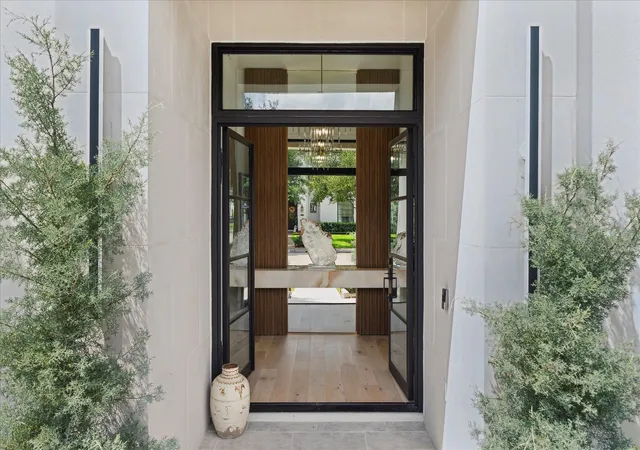
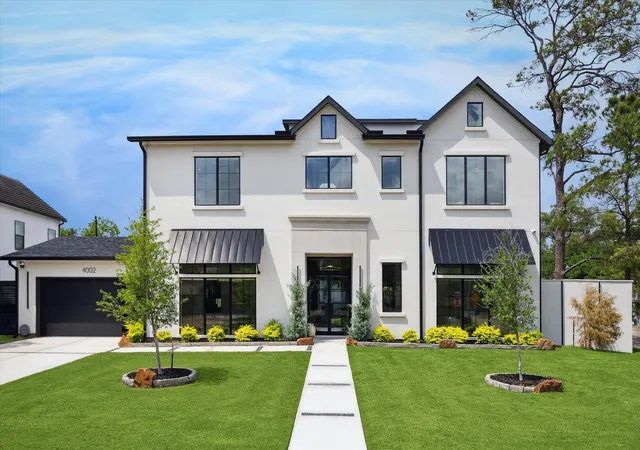
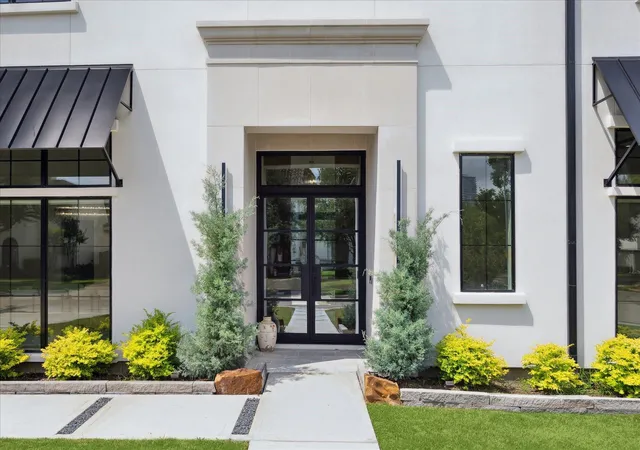
$4,295,000
2
4Bds
6Ba
6,451sqft
Single family home for sale
Martha Turner Sotheby'S International Realty
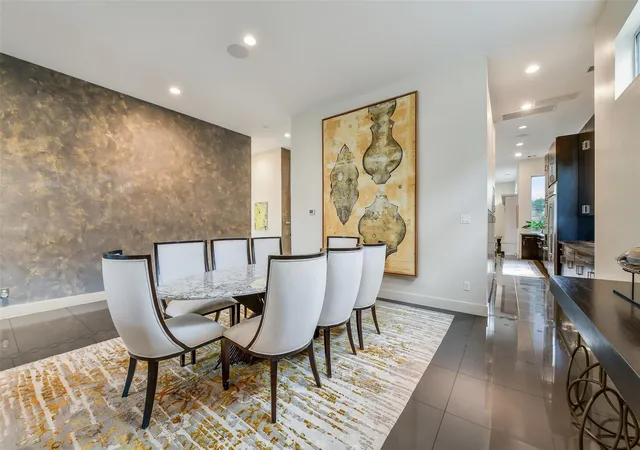
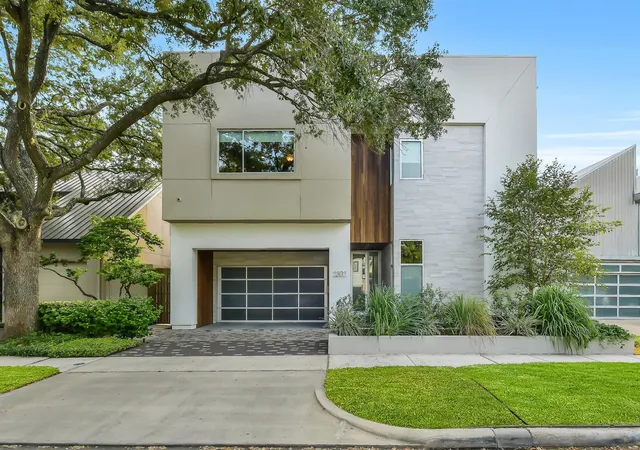
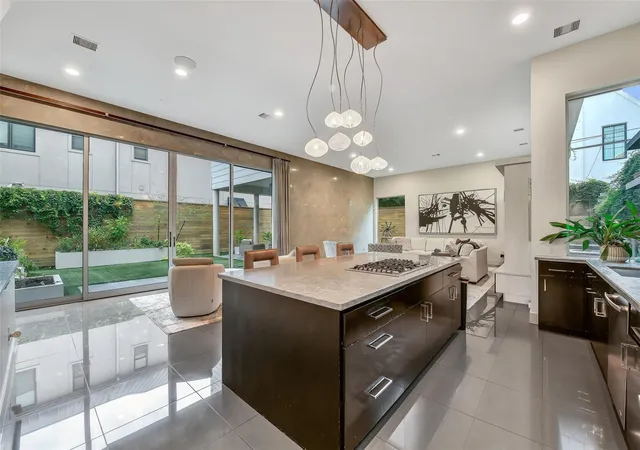
$2,395,000
3
4Bds
4Ba
4,852sqft
Single family home for sale
Beth Wolff Realtors
Price Drop: $10K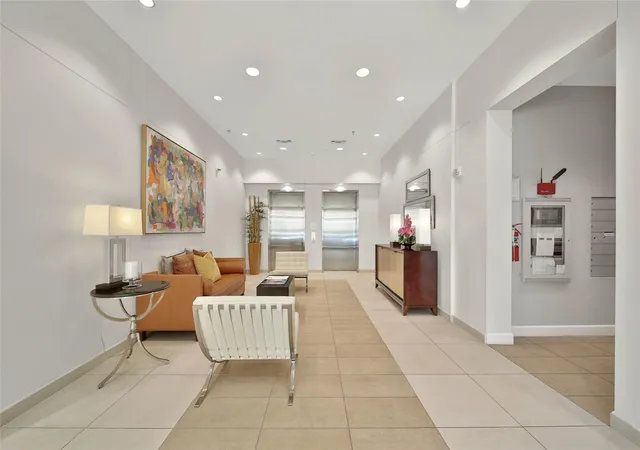
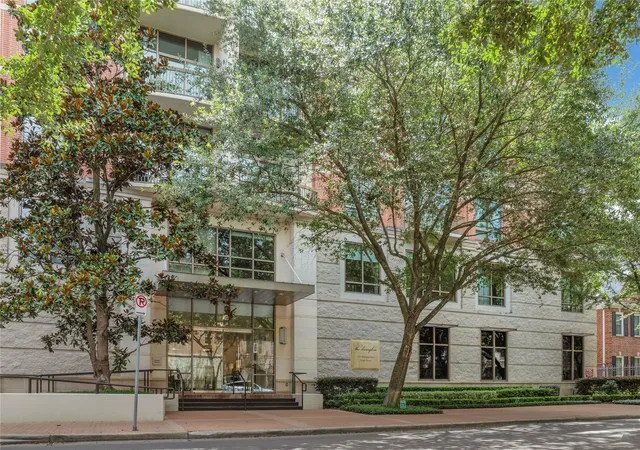
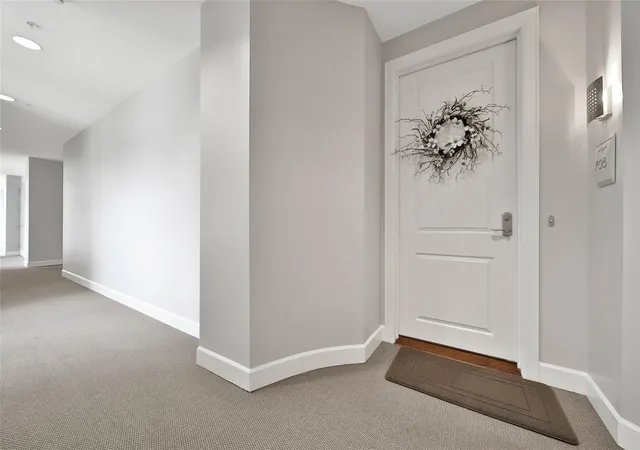
Cornell Real Estate Group, Llc
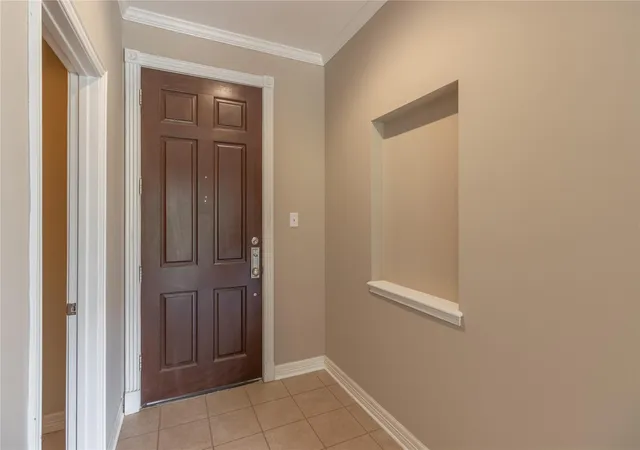
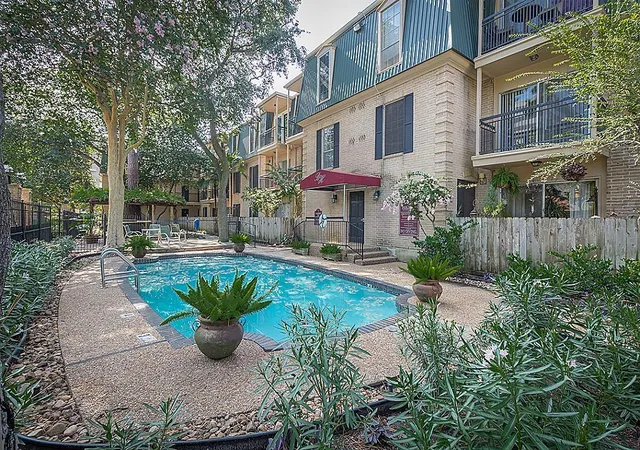
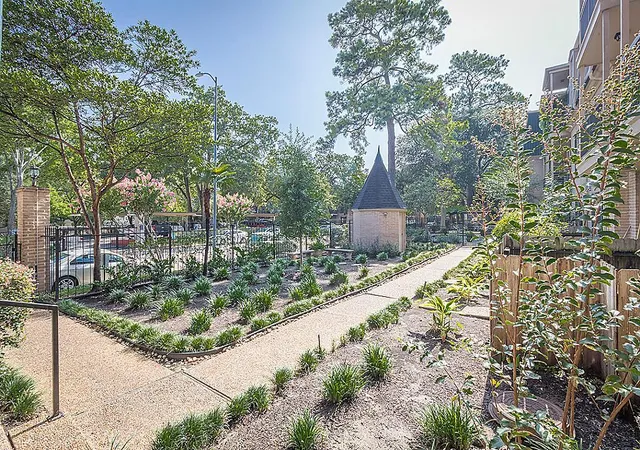
Intero River Oaks Office
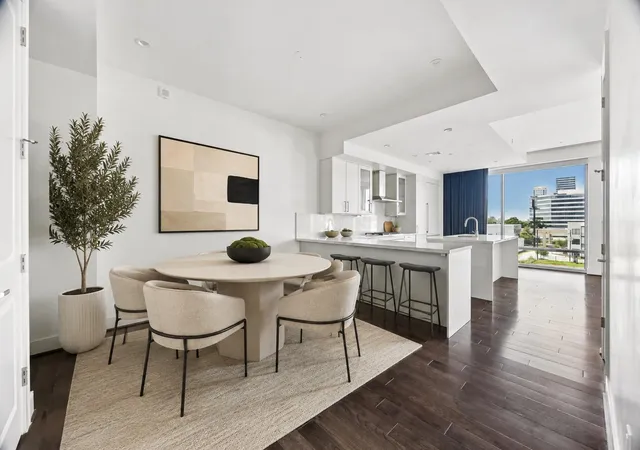
Compass Re Texas, Llc - Houston
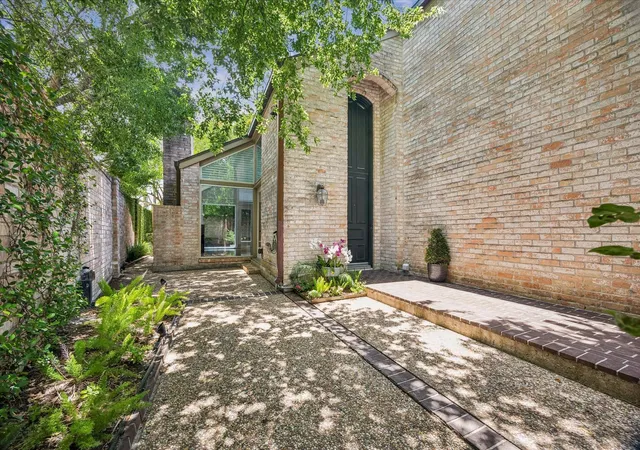
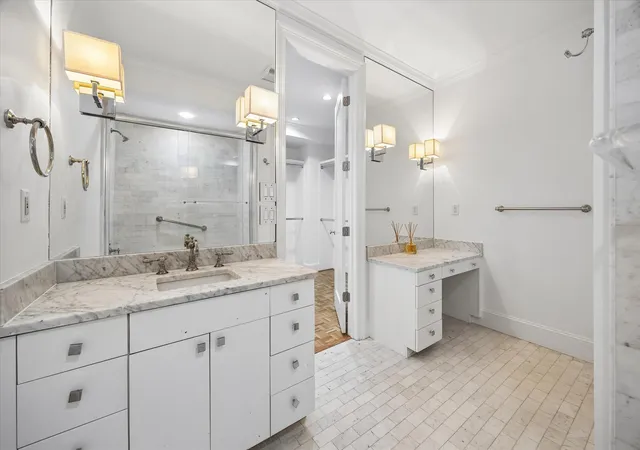
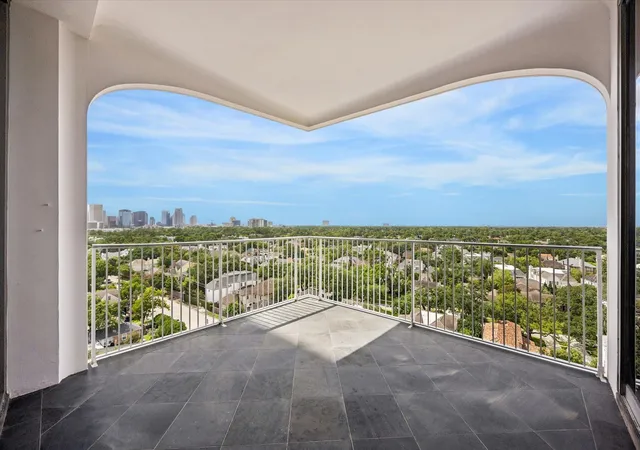
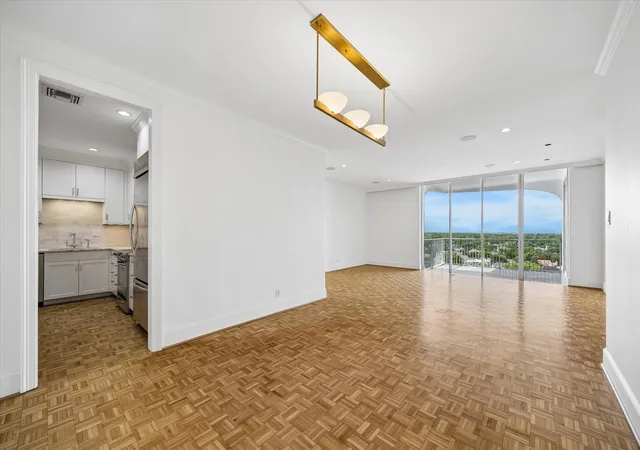
$1,235,680
5
4Bds
3Ba
3,282sqft
Townhouse for sale
Compass Re Texas, Llc - Houston
Compass Re Texas, Llc - Houston
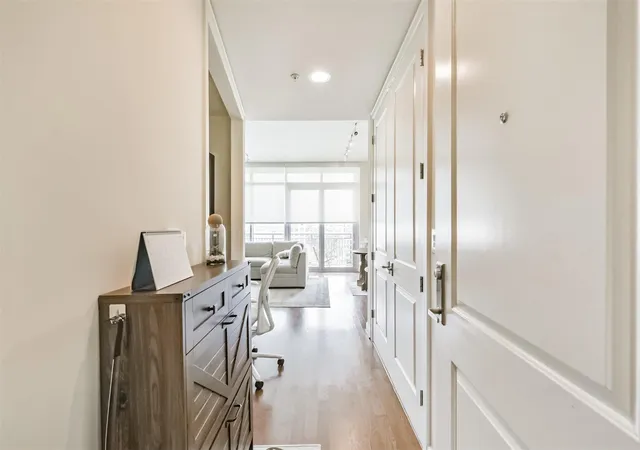
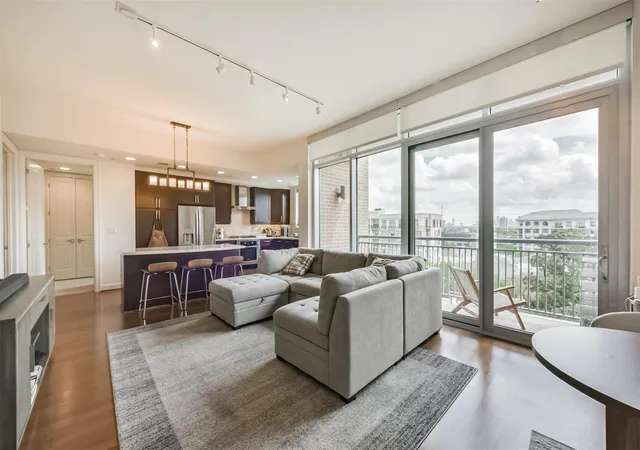
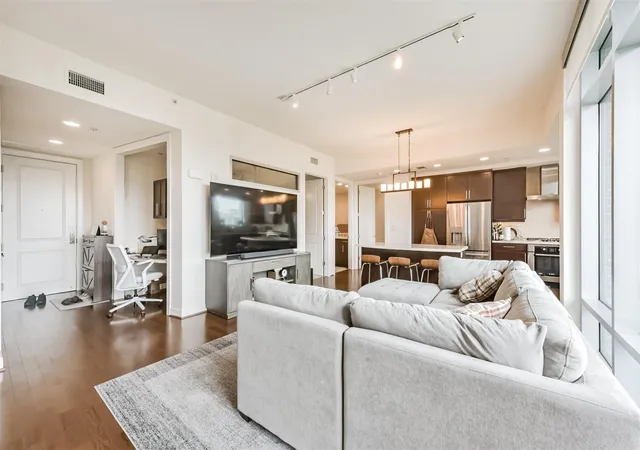
W Realty & Investment Group
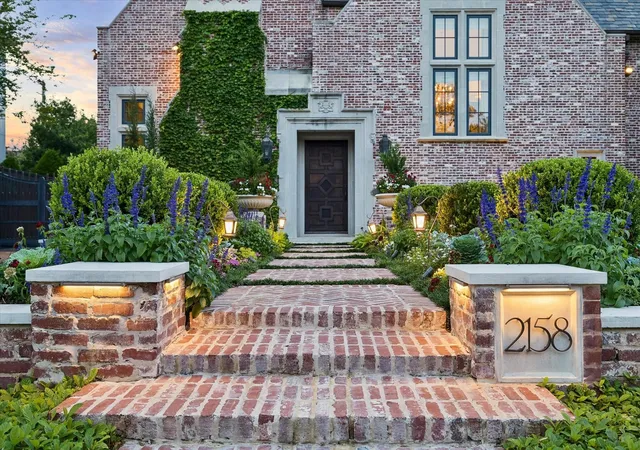
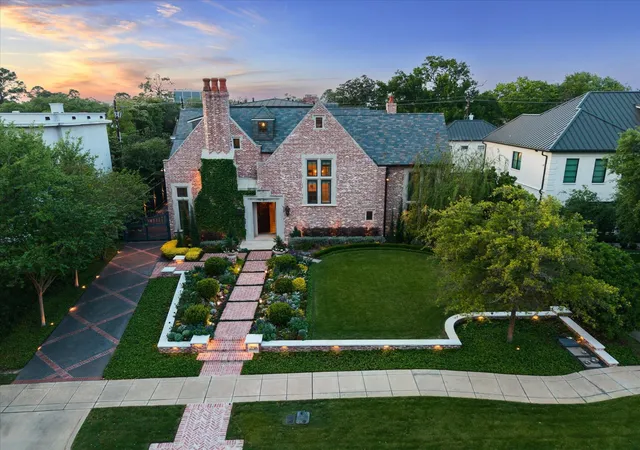

$6,995,000
1
5Bds
8Ba
8,609sqft
Mansion for sale
Compass Re Texas, Llc - Houston
Greenwood King Properties - Kirby Office
Annoura Realty Group, Llc
Foundations Realty
Robertson Realty Of Texas

 New Construction
$7,995,000
2
5Bds
8Ba
8,633sqft
Mansion for sale
Greenwood King Properties - Kirby Office
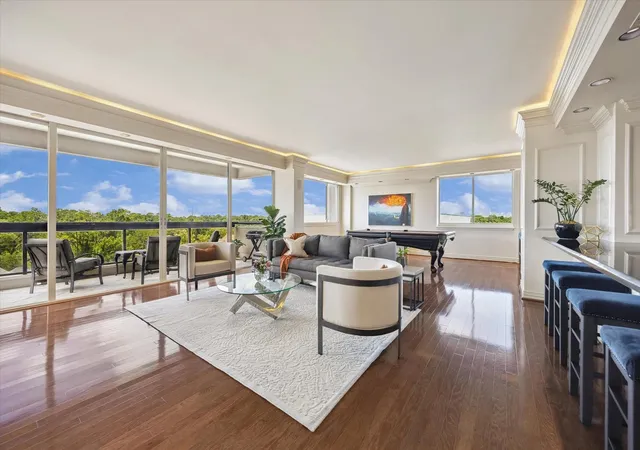
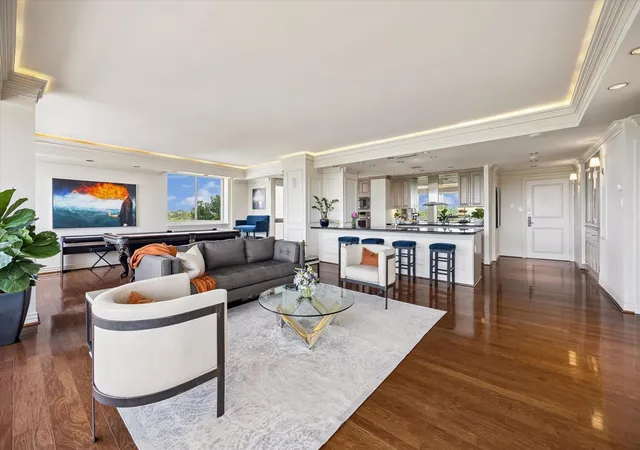
Martha Turner Sotheby'S International Realty
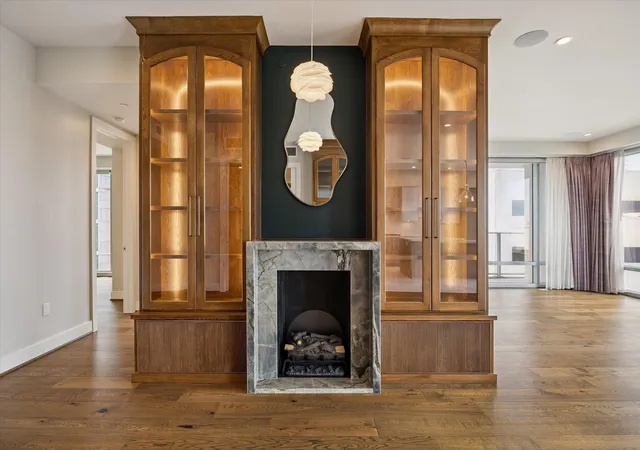
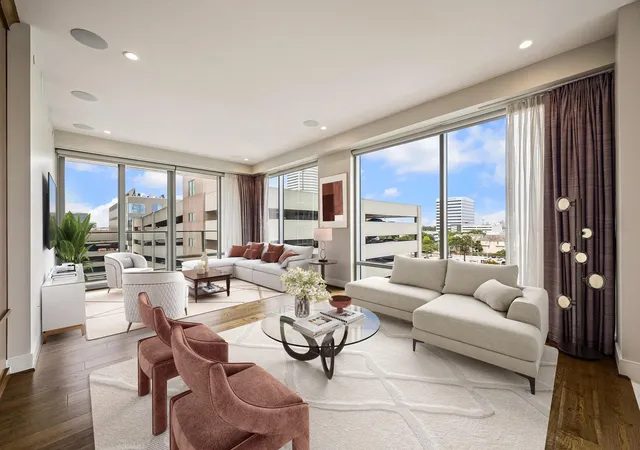
Martha Turner Sotheby'S International Realty
Don't miss out on new listings — and get instant email alerts!
Do Real Estate on the Go!
Find your dream home, receive real-time updates, and many more!

Homes

Rental Prices

Median Home Price
Houston's median home price is $365,500. However, prices vary widely by neighborhood, so check figures for your target area rather than relying on the citywide median alone.
Tax bills vary because independent local entities layer separate rates onto each parcel. Key drivers include differing school district budgets, county-specific levies, and municipal utility district (MUD) taxes, which add substantial costs in newer suburban developments to fund infrastructure. Two similarly priced homes just a few miles apart can carry significantly different tax bills depending on which county, city, school district, or special utility district (MUD) they fall in.
Buying a home in Houston is better than renting if you plan to stay long-term (at least 3-5 years), since Houston's affordable home prices make it easier to build equity over time. Renting requires fewer upfront costs and offers flexibility, but rents increase upon lease renewals. Your choice depends on your timeline and available cash reserves.
Houston voters within city limits rejected zoning in 1948, 1962, and 1993. Instead, private deed restrictions, HOA covenants, and city ordinances govern land use. For buyers, homes in areas without active deed restrictions risk commercial development next door, making a thorough title and deed check essential before purchasing.
A Municipal Utility District (MUD) is a special local district that finances water, sewer, and drainage infrastructure for new subdivisions, often in outer suburbs like Katy, Cypress, or Sugar Land.
Homes within a MUD pay an additional tax, often adding 0.5% to 1.5% or more to your total rate. These rates typically decrease as the district retires its infrastructure bonds.
Yes, flooding is one of the biggest factors Houston buyers need to consider before making an offer. Texas law requires sellers to disclose known flood history on the Seller's Disclosure Notice, but FEMA maps often lag behind actual development and historical rain events. Always review the property's specific base flood elevation, local drainage history, and FIRM panel alongside disclosures.
A mandatory HOA has legal authority to collect dues, place property liens, and enforce deed restrictions. A voluntary HOA, often formed as a civic club in older urban neighborhoods, requests dues for local beautification or security patrols, but cannot legally force payment.
Older Houston neighborhoods typically rely on voluntary civic clubs, whereas modern master-planned suburbs require mandatory HOAs.
Areas like Aldine, Northline, and parts of Northeast Houston offer some of the lowest median home prices.
Outer suburbs like Humble and parts of Cypress offer strong value for larger footprints and newer construction. Always balance purchase price against commute times, MUD taxes, and flood risks before deciding.
Houston's high humidity accelerates wear on HVAC systems, roofing, and exterior paint. Moreover, it creates ideal conditions for mold growth if a home isn't properly ventilated or has any water intrusion.
Many homes run two zoned AC units to manage cooling loads evenly, which adds to both installation and long-term repair costs. Factor in more frequent HVAC servicing and moisture-related upkeep when budgeting your overall buying costs.
Houston's primary drawbacks stem from its climate, rapid sprawl, and infrastructure. Extended summers yield high electricity costs, and flood risks require ongoing vigilance and flood insurance.
Furthermore, car dependency and highway traffic create long commutes, while the lack of zoning means commercial businesses can develop next to residential properties.

Houzeo Corp. holds real estate brokerage licenses in Alabama (License No. 000157023 - 0) and Texas (License No. 9013396)
TREC: Info About Brokerage Services, Consumer Protection Notice.
§ 442‑H New York Standard Operating Procedure.
New York State Fair Housing Notice.


Do Real Estate on the Go!