 Hot
Hot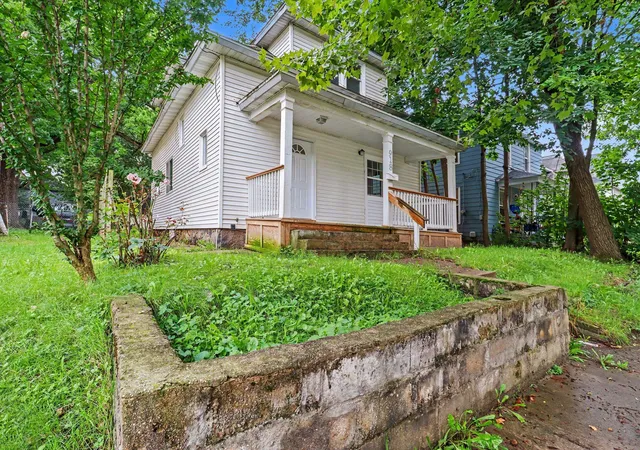
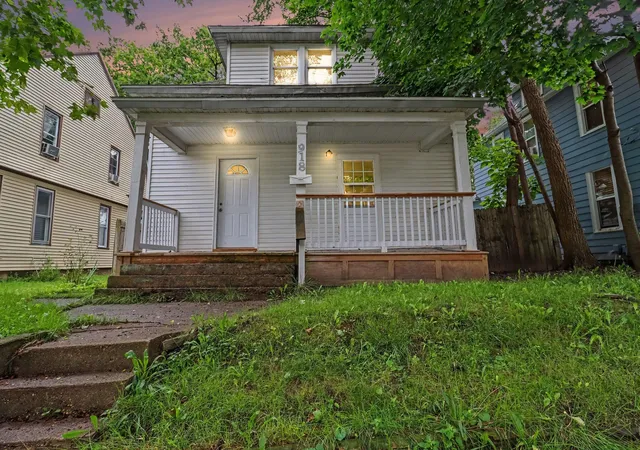
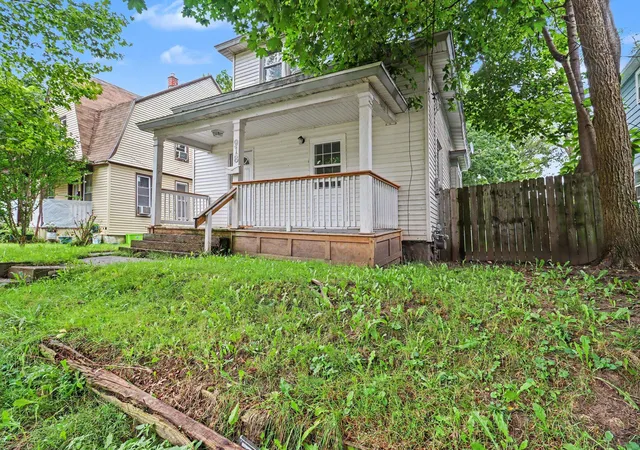

$224,900
 11
11
4Bds
2Ba
1,347sqft
Single family home for sale
Lake Michigan Realty Mgmt
Hot$224,900
11
4Bds
2Ba
1,347sqft
Single family home for sale
Lake Michigan Realty Mgmt
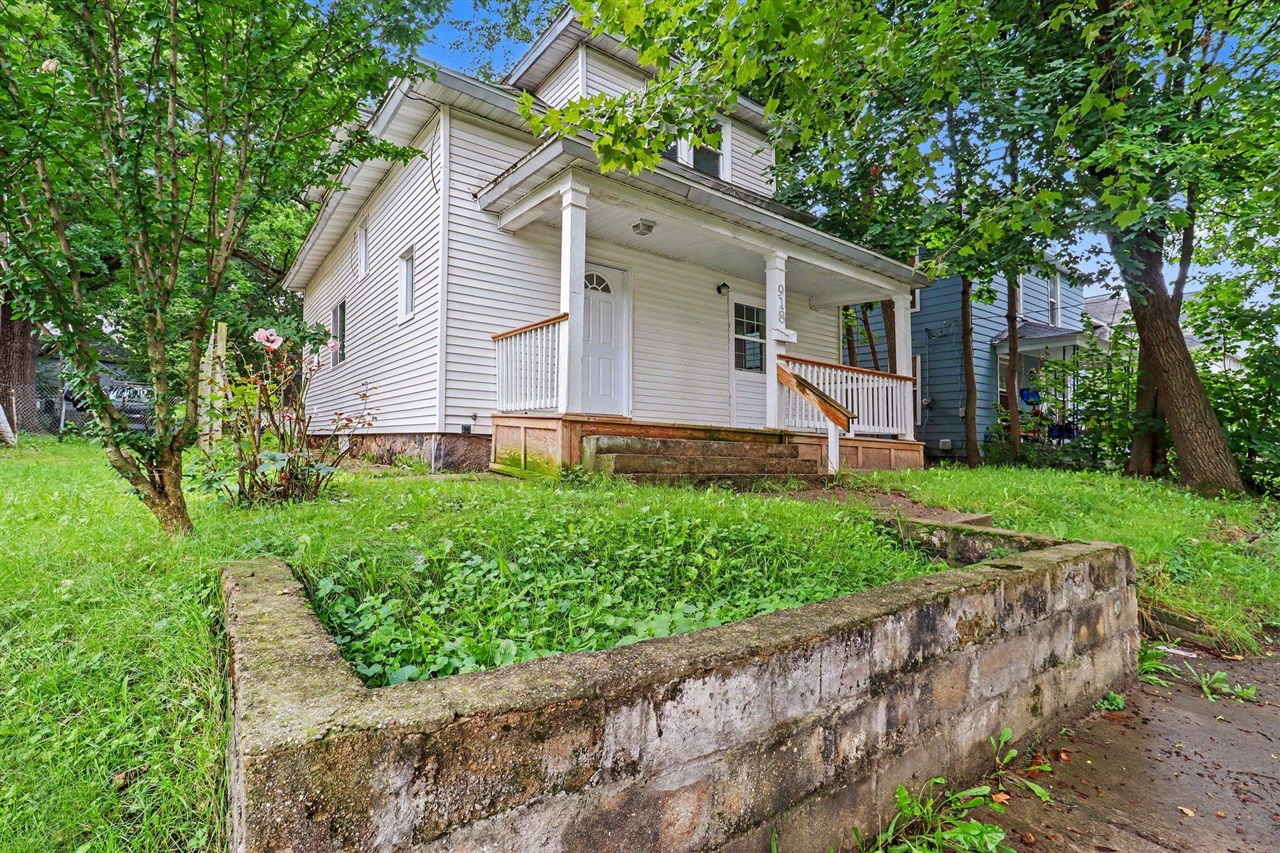
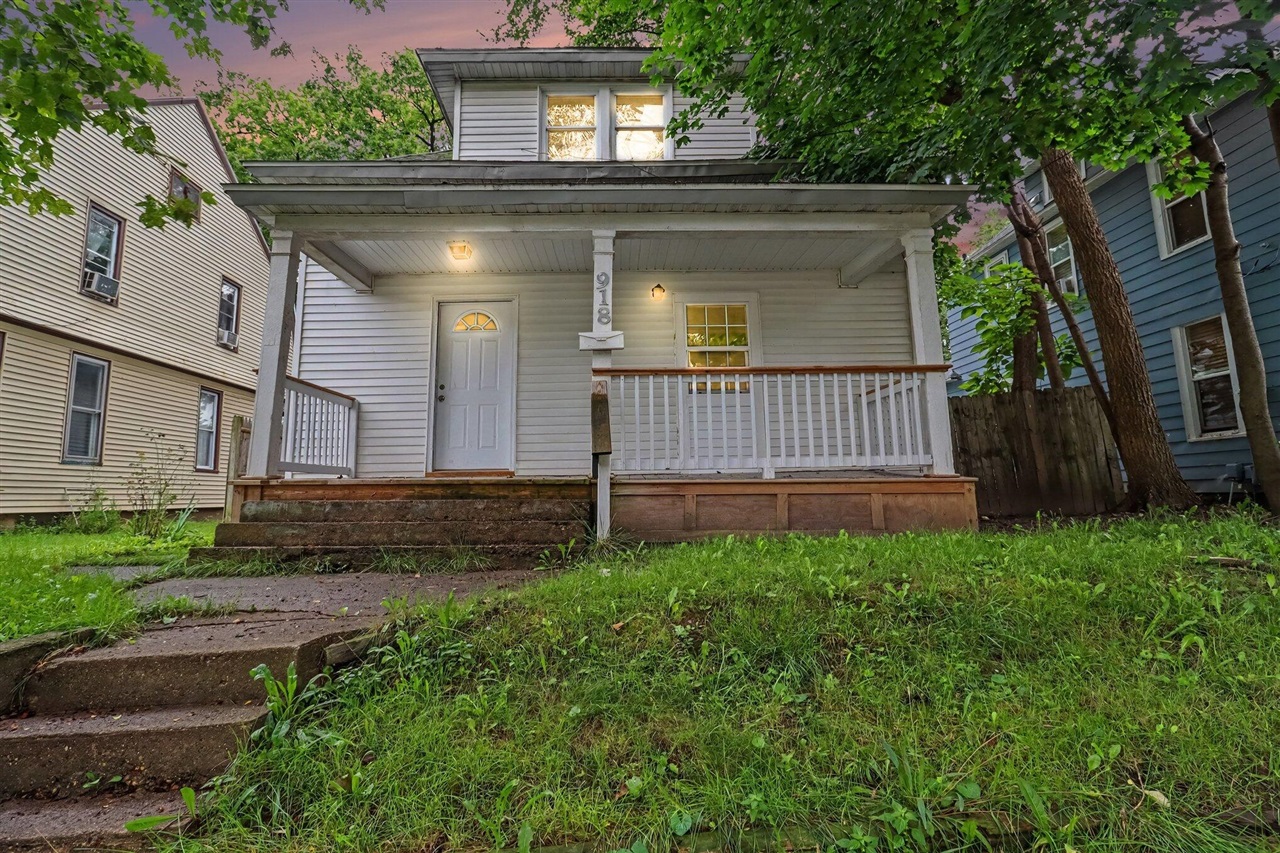
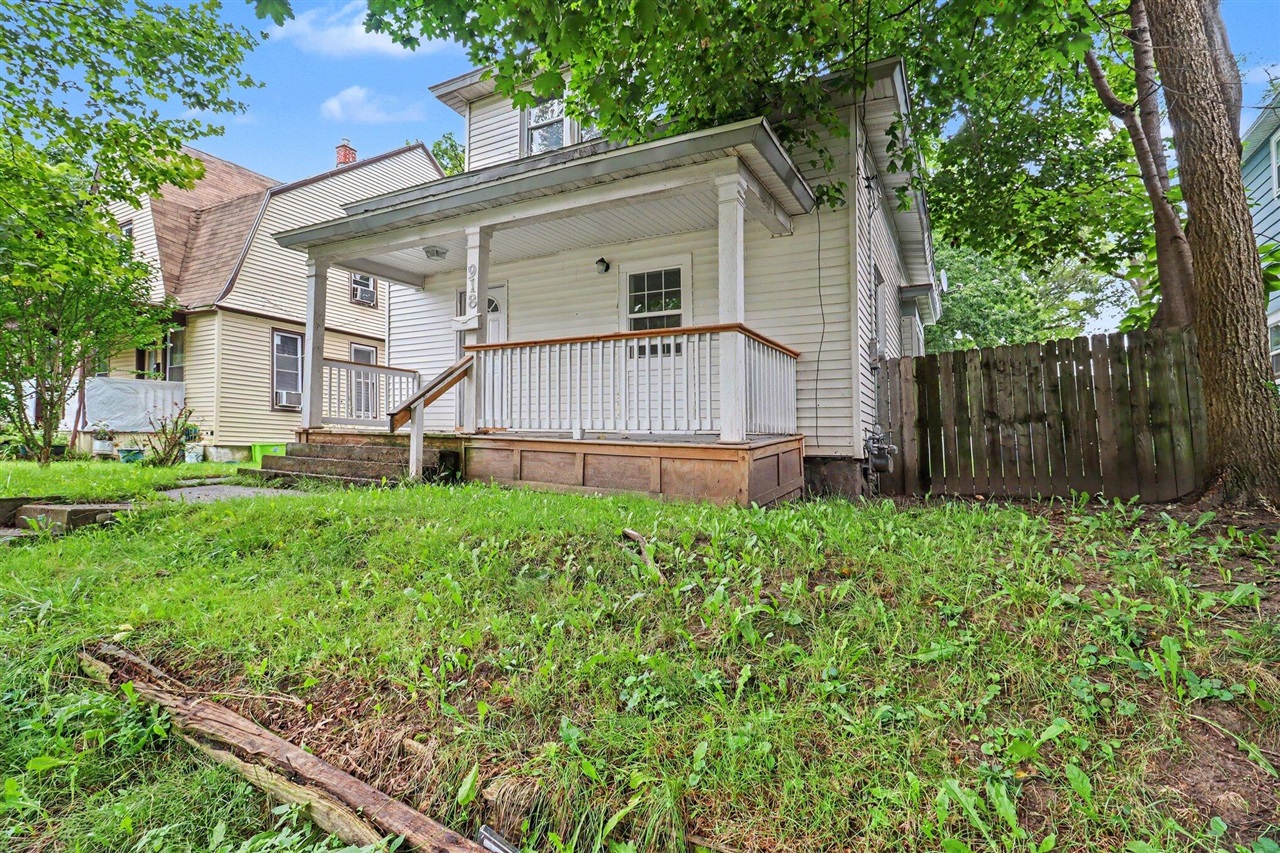

$224,900
1
4Bds
2Ba
1,347sqft
Single family home for sale
Lake Michigan Realty Mgmt
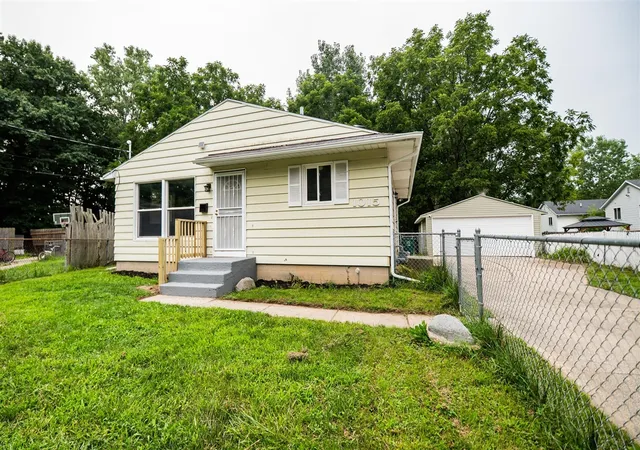
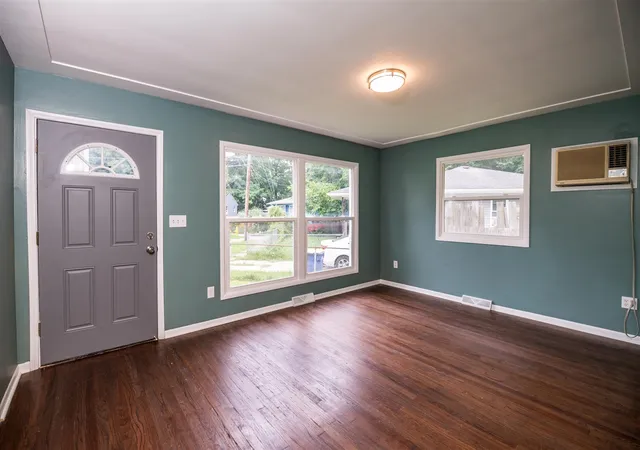
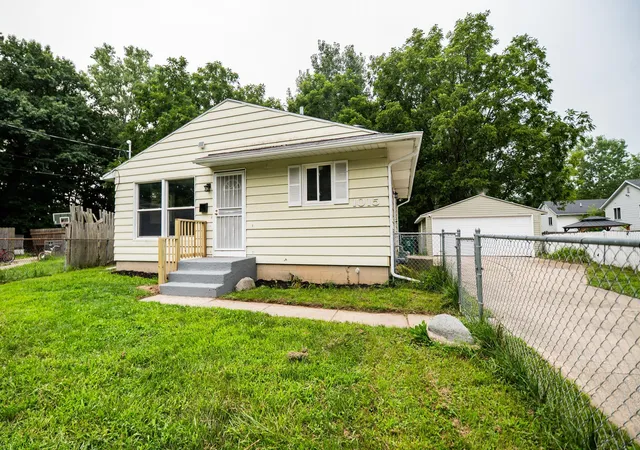
$249,900
3
4Bds
2Ba
1,665sqft
Sale Pending
Bellabay Realty Llc
Don't miss out on new listings — and get instant email alerts!
Do Real Estate on the Go!
Find your dream home, receive real-time updates, and many more!
Black Hills in Grand Rapids is a balanced market, giving buyers and sellers room to negotiate. Homes are selling for 100% of asking price and averaging None days on the market, so you can make decisions without the pressure of a highly competitive market.
Seller's Market
0
4
In Oct 2025 · YoY
Current rate · YoY
30-Year Fixed
30-yr fixed rate 6.23% · Data as of Oct 2025 · Source: Houzeo Research.
View Full Black Hills Market ReportThe median sale price of a Grand Rapids home is $335,000 across 1,664 recent sales. Age and condition move that number more here than in a newer metro, because the core neighborhoods are largely pre-1930. A restored Heritage Hill Victorian and a post-war bungalow trade far apart within a few miles.
Grand Rapids homes average 36 days on the market against 0.8 months of supply. Thin inventory is the main driver, which is why the city passed its Housing Now! zoning reforms to add units. Affordability relative to Chicago and the coasts keeps pulling demand into West Michigan. Come in pre-approved and expect competition.
Heritage Hill gives you roughly 1,300 historic homes, making it one of the largest urban historic districts in the United States. Those houses date to 1844 and span more than 60 architectural styles, from Greek Revival through Prairie. Because it is a locally designated district, exterior changes require a Certificate of Appropriateness. Budget for that review before planning any facade work.
Yes, but exterior work in a local historic district requires a Certificate of Appropriateness from the city first. Staff can approve minor, clearly compliant projects administratively, while larger alterations go before the Historic Preservation Commission. Interior work generally falls outside that review but still needs standard building permits. Confirm the property's district status before you close, not after.
Your Grand Rapids tax bill equals taxable value divided by 1,000, multiplied by the millage rate. Taxable value is not the same as assessed value, and that gap matters most in the year you buy. Under Michigan's Proposal A, a sale uncaps taxable value, which resets near half of market value the next year. Treat the seller's current bill as a floor, not a forecast.
Yes, the city's Homebuyer Assistance Fund provides up to $7,500 toward down payment and closing costs. You must earn at or below 80% of area median income and hold under $10,000 in assets. You also cannot have owned a home in the past three years, and you must occupy the property for five. Apply through a participating lender and complete an approved homebuyer education course.
Yes, Grand Rapids permits accessory dwelling units on single-family and two-family residential lots. The city does not require you to live on site, which makes an ADU workable as a straight rental. You must record a deed restriction before permit issuance, barring any separate sale of the ADU later. Leases must run 30 days or longer, so short-term rental income is off the table.
Heritage Hill is the largest, but Grand Rapids designates several other local historic districts. Cherry Hill, designated in 1994, covers part of the southeast corridor under the same exterior review rules. District boundaries can run mid-block, so a home's status depends on the parcel and not the neighborhood name. Check the city's historic district map before you fall for a listing.
Focus on what ages worst in Grand Rapids' pre-1930 stock: knob-and-tube wiring, galvanized supply lines, and original roof framing. Anything built before 1978 triggers federal lead paint disclosure, and the core neighborhoods predate that by decades. Stone-and-mortar basements common in older West Michigan homes need a close look for water intrusion. Hire an inspector who works historic properties regularly.
Yes, Grand Rapids requires permits for work touching structure, major systems, or the building footprint. Additions, new ADUs, and electrical or plumbing replacements all fall inside that line. In a local historic district, exterior work also needs a Certificate of Appropriateness on top of the building permit. Ask the seller for permit records, because unpermitted work becomes your liability at closing.


4
Homes Available

$ 235,000
Median List Price

- Days
Avg on Market


Do Real Estate on the Go!

