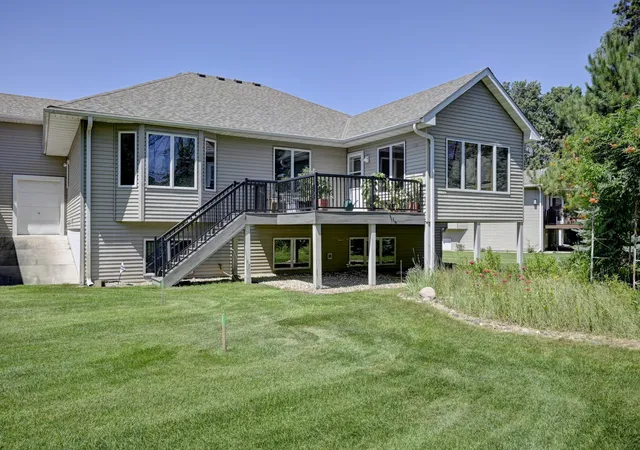
2 Bedroom Homes for Sale in Ham Lake, MN

We couldn’t find any listings matching your search

Bedroom : 2+ beds

Close

Search Tips

mapBlueIcon

Widen the search area

Expand your search to a larger area (eg: neighborhood to ZIP) or simply click and zoom out on the interactive map.

filterBlueIcon

Refine your search

Reduce the number of applied filters to make your search less restrictive.

searchBlueIcon

Try adjusting your filters or search by

  • Address: 16308 Mount Holly Dr, Bradenton, FL 34211
  • Neighborhood - Reseda
  • ZIP - 33143
  • City - Miami

Don't miss out on new listings — and get instant email alerts!

Do Real Estate on the Go!

Find your dream home, receive real-time updates, and many more!

Frequently Asked Questions

Where is the cheapest place to buy a house in Minnesota?

Duluth is the cheapest place to buy a house in Minnesota, with a median price of $235,000. The cost of living is also 5% lower than the national average.

Other affordable places include Mankato, Bemidji, and Brainerd. These cities have median prices under $250K and offer a lower cost of living.

What is the average cost to buy a house in Minnesota?

The average cost to buy a house in Minnesota is $368,600. Home prices have increased by 3% over the past year. Moreover, the cost of living in Minnesota is 4% lower than the national average.

How many homes are available for sale in Minnesota?

There are currently 40,000+ homes for sale in Minnesota. Among them, 83 are Minnesota’s hot properties, and 39,236 are Minnesota homes without HOA fees.

What is the average utility cost in Minnesota?

The average monthly utility cost in Minnesota is about $300, covering electricity, gas, water, trash, and internet. Electricity averages $120/month, with higher bills in winter due to heating needs. Natural gas costs around $120/month, water adds $35, and trash is typically $25/month.

Utility costs can vary based on location, home size, and usage. Cities like Minneapolis, Saint Paul, and Rochester tend to have higher bills, especially in winter due to heating. While Minnesota’s winter utility costs may be above the national average, energy-efficient appliances and proper insulation can help lower expenses.

What are the average HOA fees in Minnesota?

HOA fees in Minnesota typically range from $100 to $500/month, depending on property type, location, and amenities. For single-family homes, the average is around $250/month. Condos and townhomes often cost more, ranging from $300–$500, with luxury communities sometimes exceeding $800/month.

Cities like Minneapolis, Saint Paul, and Eden Prairie tend to have higher fees, particularly in gated or upscale areas. These fees generally cover services such as landscaping, snow removal, building insurance, and maintenance of common areas.

Is it smarter to rent or buy a home in Minnesota?

Whether it’s smarter to rent or buy depends on your finances, long-term plans, location, and Minnesota's housing market. In many parts of Minnesota, buying is a better long-term choice. The average home price is around $368,600, while rent typically ranges from $1,300 to $1,600 per month.

With 20% down and a 30-year loan at 6.5%, monthly payments range from $1,700 to $1,900, not including taxes and insurance. In cities like Saint Paul, Minneapolis, and Rochester, buying may cost more upfront but helps build equity over time.

If you plan to stay for five years or more, buying often makes sense. If you're unsure about settling down or still saving for a home, renting may be a better option. It offers lower upfront costs and more flexibility. Use a mortgage calculator to compare real-time costs in your area.

Is Minnesota a good place to live?

Yes, Minnesota is considered a great place to live for many people. It offers a high quality of life, excellent schools, and access to outdoor activities year-round. Cities like Minneapolis, Saint Paul, and Rochester provide job opportunities, cultural diversity, and a strong healthcare system.

Rochester is often ranked as one of the best places to live in Minnesota, with a median home price of around $275,000. The city is home to the Mayo Clinic, offering top-rated healthcare and a thriving economy. It’s particularly popular with healthcare professionals and families looking for a smaller city with big amenities.

However, Minnesota has some downsides. These include long, cold winters, high property taxes, and higher utility costs in colder months. Whether Minnesota is right for you depends on your lifestyle, budget, and tolerance for harsh winters.

What's the safest place to live in Minnesota?

Eden Prairie is considered the safest city in Minnesota, with a violent crime rate of about 0.5 and a property crime rate of 5.0 per 1,000 residents, both well below the national average.

Other safe places include Minnetonka, Shakopee, and Maple Grove. These cities offer low crime rates, good schools, and family-friendly environments. If safety is your top priority, these areas are excellent choices.

Can a foreigner buy a house in Minnesota?

Yes, foreigners can buy a house in Minnesota. There are no general restrictions on citizenship or residency. You do not need to be a U.S. citizen or a green card holder to own property.

However, buyers from certain countries like China, Russia, Iran, and North Korea may face restrictions, particularly for land near military bases or critical infrastructure. A valid visa is required for the purchase, and foreigners may need to comply with additional regulations if purchasing land near sensitive sites.

What are the disadvantages of moving to Minnesota?

Cold winters: Minnesota’s winters can be brutally cold, with temperatures often dropping below 0°F. This can make daily life more challenging, increase heating costs, and limit outdoor activities.

High property taxes: Property taxes in Minnesota can be relatively high, especially in urban areas like Minneapolis and Saint Paul, which adds to your overall housing costs.

Traffic congestion: While traffic is not as severe as in major cities like New York or LA, areas like Minneapolis and Saint Paul experience congestion during rush hour, leading to longer commute times.

High utility bills: Due to the harsh winters, many residents face higher-than-average utility costs. Heating costs can be significant, especially in older homes.

Limited job opportunities in rural areas: While cities like Minneapolis offer many career opportunities, rural areas may have fewer job prospects, particularly for specialized fields.
Click to see all homes
static map image
Satellite
Ham Lake, MN Housing Marketlink qauare
Homes Available icon

0

Homes Available

Median List Price icon

$ 470,000

Median List Price

Avg on Market icon

24 Days

Avg on Market

Close IconHouzeo

Do Real Estate on the Go!

For Sale
Price
Beds & Baths
Home Type (5)
Filters
Save Search Share