
 3D Tour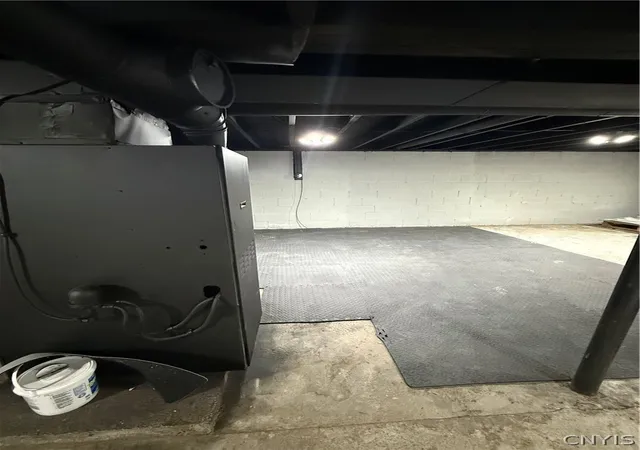
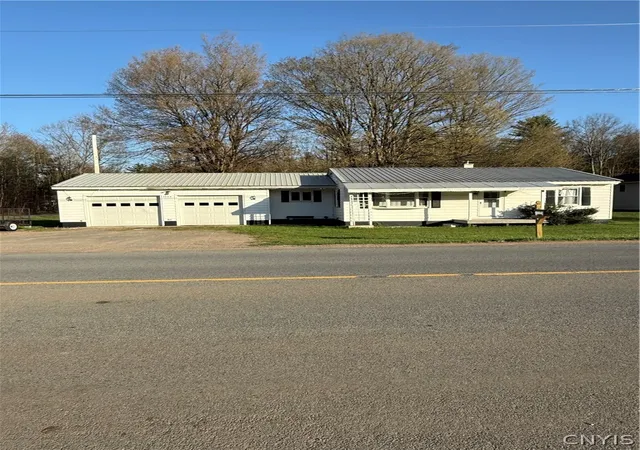
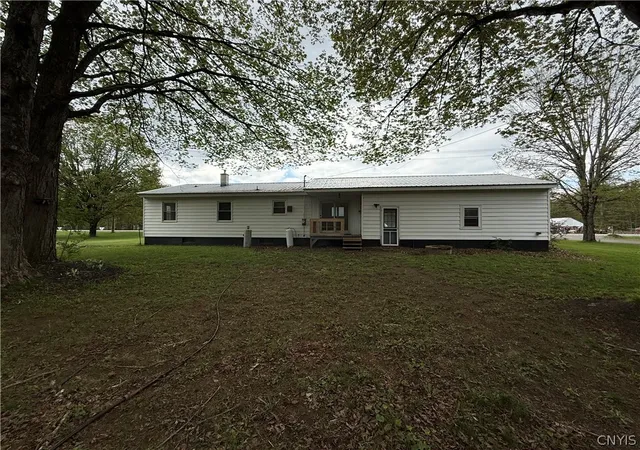

$199,900
 1
1
2Bds
1Ba
1,165sqft
Sale Pending
MLS ID #S1680675, Re/Max One
3D Tour$199,900
1
2Bds
1Ba
1,165sqft
Sale Pending
MLS ID #S1680675, Re/Max One
3D Tour


$190,000
1
3Bds
3Ba
1,567sqft
Single family home for sale
MLS ID #S1693786, Coldwell Banker Prime Properties
3D Tour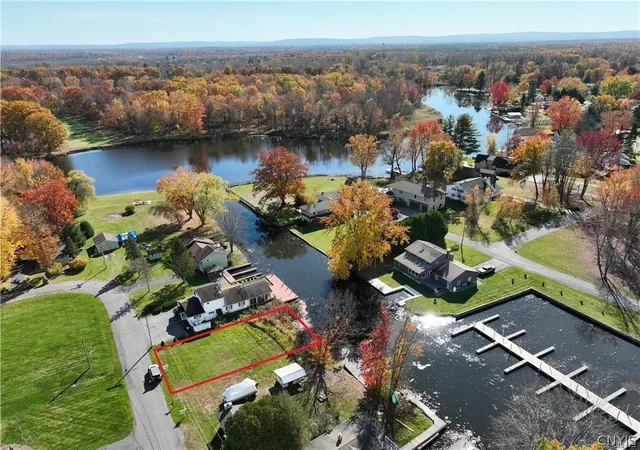
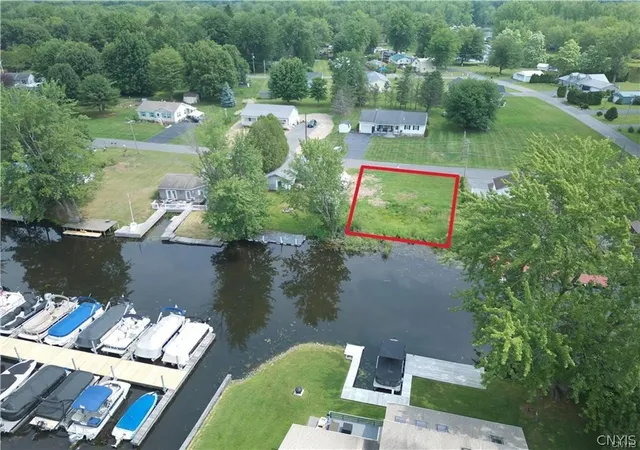
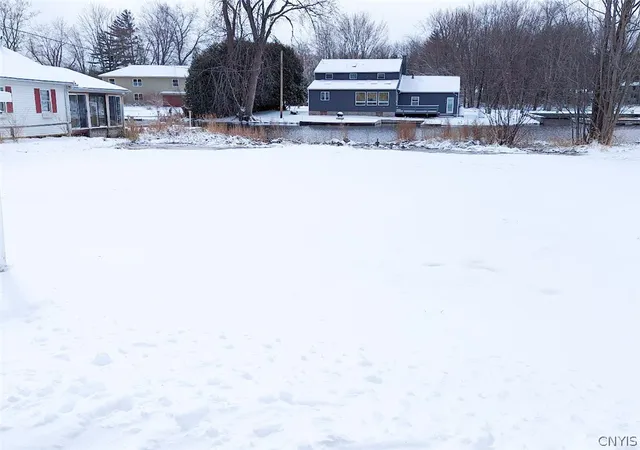
$110,000
3
--Bds
--Ba
0.19acre lot
Land for sale
MLS ID #S1666685, Coldwell Banker Prime Prop. Inc.
3D Tour


$99,900
3
--Bds
--Ba
42acres lot
Land for sale
MLS ID #S1703264, Wilkes Real Estate Llc
3D Tour


$99,900
1
3Bds
1Ba
1,762sqft
Single family home for sale
MLS ID #S1699309, Coldwell Banker Prime Prop. Inc.
3D Tour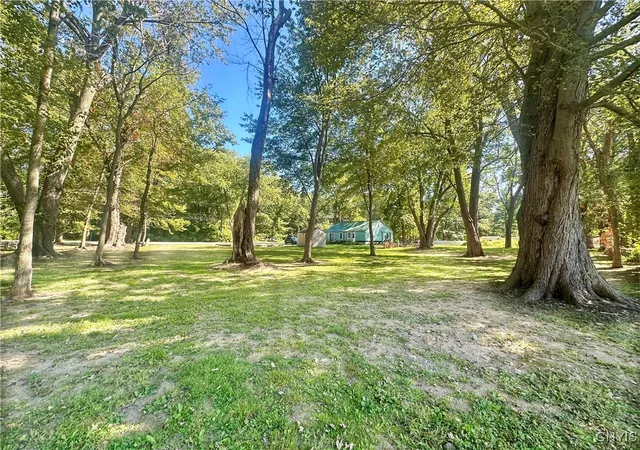
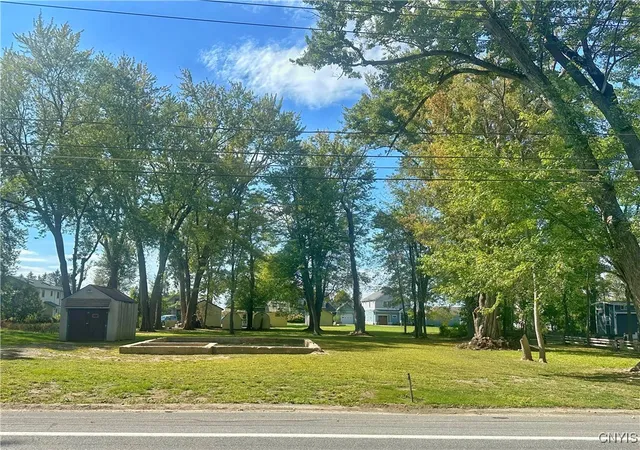
$95,000
1
--Bds
--Ba
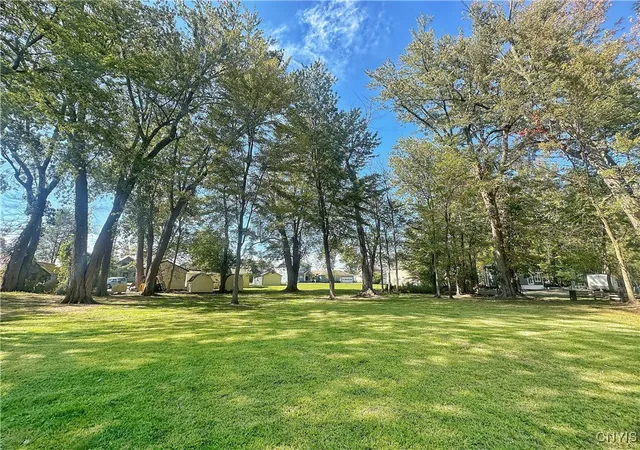
0.49acre lot
Land for sale
MLS ID #S1639180, North Country Realty Group

$35,000
1
3Bds
2Ba
1,007sqft
Sale Pending
MLS ID #S1703133, Shamrock Real Estate Inc
Don't miss out on new listings — and get instant email alerts!
Do Real Estate on the Go!
Find your dream home, receive real-time updates, and many more!
The median home sale price in New York is $515,000. Home prices have continued to rise through 2025 and into 2026, even as some Sun Belt markets have seen softer conditions.
However, the purchase price is only part of the cost of buying a home in the Empire State. Buyers should also budget for the down payment, property taxes, homeowners insurance, inspections, and closing costs. Depending on the property's location and purchase price, state and local transfer taxes can add thousands of dollars to the transaction.
Niagara Falls is the cheapest city to live in New York, with a median home price of $515,000. Its cost of living is 33% below the state average.
Other affordable cities include Hornell, Ogdensburg, and Rochester. These cities offer great options for budget-conscious buyers, with median home prices under $250,000.
Every New York sale carries a state transfer tax of $2 per $500 of the sale price, or 0.4%, which is usually paid for by the seller. Buyers and sellers in New York City must also pay the NYC Real Property Transfer Tax, which is 1% on sales under $500,000, and 1.425% on sales at or above $500,000. Financed purchases require a mortgage recording tax, ranging roughly from 1.8% to 1.925% of the loan amount.
Homeowners insurance in New York costs about $1,683 per year on average, but premiums vary significantly by location. A homeowner in Albany might pay around $1,200 annually, while similar coverage could cost roughly $3,295 in Queens. Waterfront properties on Long Island can cost $4,500 or more per year.
Location, coastal exposure, urban density, property value, and local construction costs all affect premiums. If you're buying a home in New York, get an insurance quote for the specific property before finalizing your budget.
Rye is the safest city in New York, with a safety score of 98/100. It is popular for its well-established residential neighborhoods and a strong sense of community.
Other safe places include Scarsdale, Old Westbury, and New Rochelle. These cities are known for their low crime rates, family-friendly environments, and walkable neighborhoods.
The typical New York HOA fee is $670 per month, though it can range from $190 to $1,900 per month. It differs depending on the location and property type.
Buying a house in New York is generally better if you plan to stay in the home for several years, while renting may be the better choice if you expect to move soon. Renting requires less money upfront, and you don't have to pay property taxes, major maintenance, or other homeownership costs. Buying, on the other hand, allows you to build equity over time and gives you more control over your housing costs.
STAR is a New York State program that reduces the school tax portion of a property tax bill for primary residences. Homeowners receive this benefit as a credit check or an assessment exemption.
Basic STAR is available to owners with a combined household income up to $500,000 for the credit. Enhanced STAR serves homeowners aged 65 or older with incomes at or below $110,750, providing a larger reduction. Actual savings will vary based on your local school tax rate.
A flip tax can add thousands of dollars to a New York condo or co-op transaction. However, it isn't charged by every building and is usually paid by the seller. Where applicable, the fee is often around 1% to 3% of the sale price, although the rate and who pays it depend on the building's rules and the terms of the sale.
If you're buying a condo or co-op, ask for the building's governing documents and fee schedule early in the process. Don't assume the flip tax will appear alongside property taxes in the listing.

Houzeo Corp. holds real estate brokerage licenses in Alabama (License No. 000157023 - 0) and Texas (License No. 9013396)
TREC: Info About Brokerage Services, Consumer Protection Notice.
§ 442‑H New York Standard Operating Procedure.
New York State Fair Housing Notice.


Do Real Estate on the Go!


