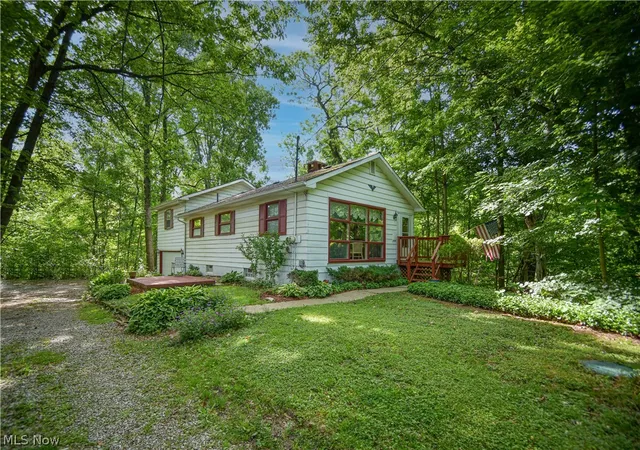
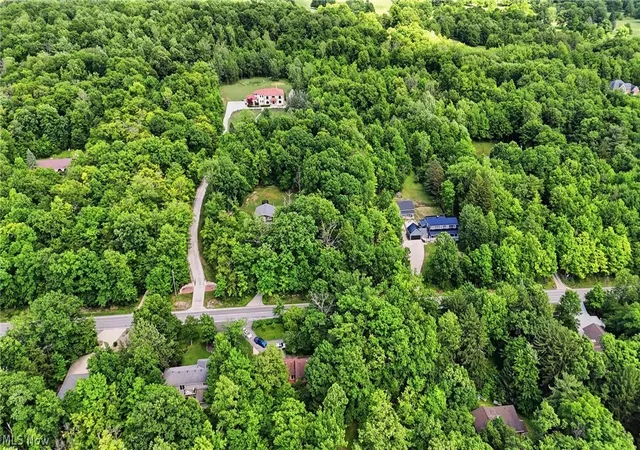
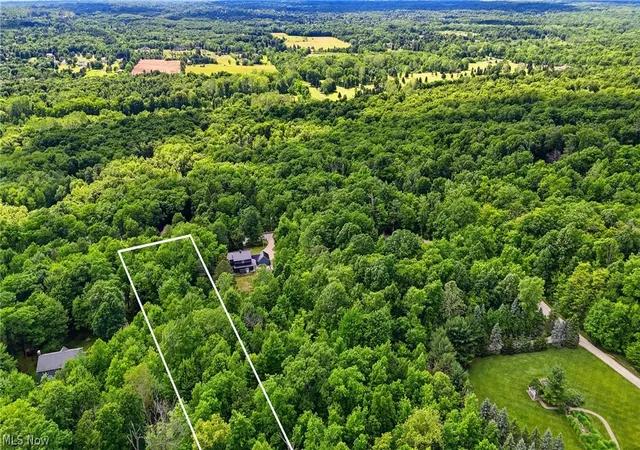
$335,000
6
--Bds
--Ba
6.38acres lot
Land for sale
Coldwell Banker Schmidt Realty. Listing provided by Mls Now
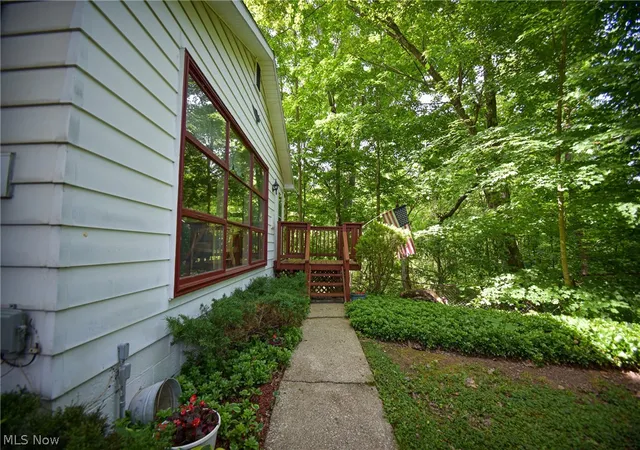
$335,000
6
--Bds
--Ba
6.38acres lot
Land for sale
Coldwell Banker Schmidt Realty. Listing provided by Mls Now
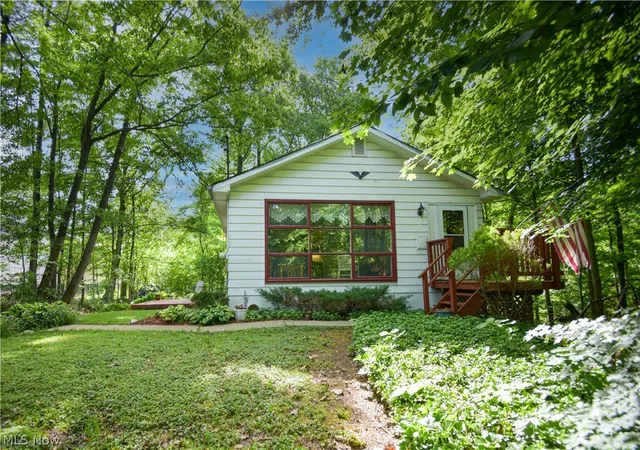
$249,900
4
3Bds
1Ba
1,446sqft
Sale Pending
Keller Williams Elevate. Listing provided by Mls Now
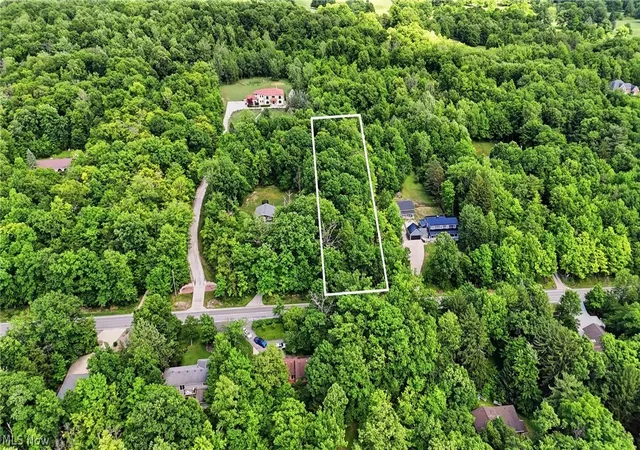
$129,900
2
--Bds
--Ba
1.22acres lot
Land for sale
Re/Max Transitions. Listing provided by Mls Now
Don't miss out on new listings — and get instant email alerts!
Do Real Estate on the Go!
Find your dream home, receive real-time updates, and many more!
Buying a home in Ohio usually costs about $287,000. Despite a rise in property prices since 2025, Ohio remains one of the most affordable housing markets in the country.
However, the purchase price isn't the only expense you need to account for when buying a home in the Buckeye State. You will also need to consider additional costs like property taxes, down payment, insurance, inspections, and closing costs.
HOA fees in Ohio typically range from $60 to $500 per month, with many homeowners paying around $125 to $230 monthly. Single-family homes generally have lower fees, often $50 to $300 per month, covering services such as landscaping and maintenance of shared areas. Condo fees tend to be higher, often $300 to $400 or more per month, because they may also cover exterior maintenance, roof repairs, building insurance, and other shared expenses.
When budgeting for a home, look beyond the monthly fee. Review the community's amenities, what the HOA covers, and the strength of its reserve fund. A low fee may not always mean lower costs if the association has inadequate reserves or is likely to impose a special assessment.
If you want to buy a house in Ohio without breaking the bank, Steubenville is your best bet. Median home prices here are around $287,000, and the cost of living is 10% lower than the national average.
Apart from Steubenville, Niles, Milestone, and Youngstown are a few more budget-friendly cities you can choose from. Here, median prices are much less than Ohio's overall median.
Ohio property tax bills vary because taxes are largely driven by local levies, including those imposed by counties, municipalities, and school districts. These taxes fund services such as schools, public safety, and infrastructure.
The statewide average annual property tax bill is approximately $2,937 on a median-priced home. Cuyahoga County has one of Ohio's higher effective property tax rates at around 1.80%, while some rural counties have rates below 1%.
School district levies make up a significant share of many property tax bills. Consequently, two homes with similar values just a few miles apart can have very different tax bills if they fall in different school districts.
When comparing homes in Ohio, check the county, municipality, and school district rather than relying on the countywide average alone.
The average rent for an apartment in Ohio is $1,363. Studio apartments at $957 offer the most budget-friendly option with 421 square feet, making them ideal for single renters prioritizing location over space. One bedroom apartments provide 687 square feet for $1,169, balancing privacy and affordability.
Buying a home in Ohio builds long term financial value, while renting provides short term flexibility.
Purchasing is attractive due to relatively affordable home prices, predictable fixed rate mortgage payments, and equity building. However, buyers have to bear upfront closing costs, down payments, and ongoing maintenance expenses.
Renting offers flexibility to move easily, lower initial entry deposits, and freedom from major upkeep expenses. However, monthly rent payments build no personal equity and remain subject to annual price increases upon lease renewal.
Ohio buyers typically pay 2% to 5% of the purchase price in closing costs. This covers loan origination fees, home appraisals, inspections, title insurance, and prepaid property taxes and insurance. On a standard home purchase, this adds up to several thousand dollars due at closing.
Yes, Ohio's Homestead Exemption allows qualifying homeowners who are 65 or older, permanently disabled, or a qualifying surviving spouse to exempt the first $29,000 of their home's value from property tax. This is when their household income is below the state limit.
Disabled veterans and surviving spouses of public safety officers qualify for a larger $58,000 exemption with no income restrictions. If you are buying a home for yourself or an aging parent, file this exemption with the county auditor right after closing.
Yes, most of Ohio falls into the EPA's highest or moderate radon-potential zones. Elevated indoor radon is common enough that the EPA recommends testing every home in the state, regardless of its zone. Radon risk depends more on an individual home's foundation and soil conditions than on its location, so a zone rating alone will not tell you whether a specific house is affected.
Ohio first-time homebuyers can access down payment assistance through the Ohio Housing Finance Agency (OHFA). OHFA mortgage programs can provide assistance of 2.5% or 5% of the purchase price, which can be used towards the down payment or closing costs. Depending on the program, the assistance may be forgiven after the buyer meets the required occupancy period.
For OHFA programs, you generally qualify as a first-time buyer if you have not owned or had an ownership interest in a primary residence during the previous three years. Certain OHFA programs also offer benefits for eligible public service professionals, such as teachers, nurses, and veterans.
3
Homes Available
$ NaN
Median List Price
- Days
Avg on Market
Do Real Estate on the Go!