

$700,000
 4
4
--Bds
--Ba
100acres lot
Land for sale
Century 21 North East
$700,000
4
--Bds
--Ba
100acres lot
Land for sale
Century 21 North East


$700,000
4
3Bds
3Ba
2,890sqft
Single family home for sale
Casella Real Estate
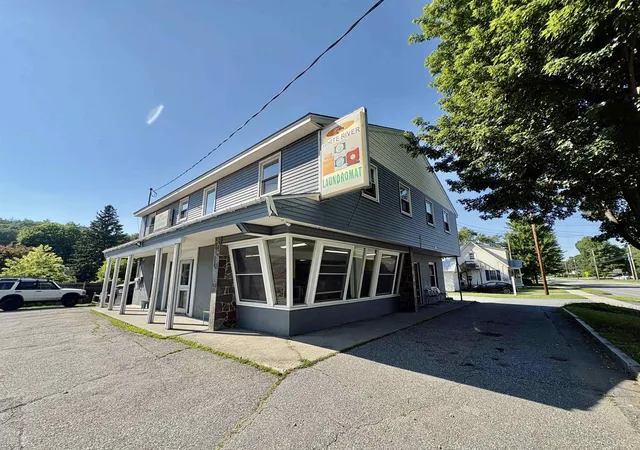
$700,000
3
--Bds
--Ba
3,526sqft
Multi family home for sale
Beacon Realty Group, Llc


$700,000
5
5Bds
4Ba
2,494sqft
Single family home for sale
Kw Vermont-Stowe
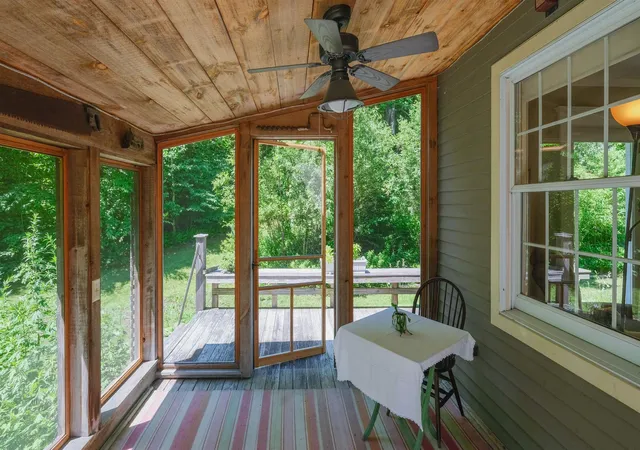
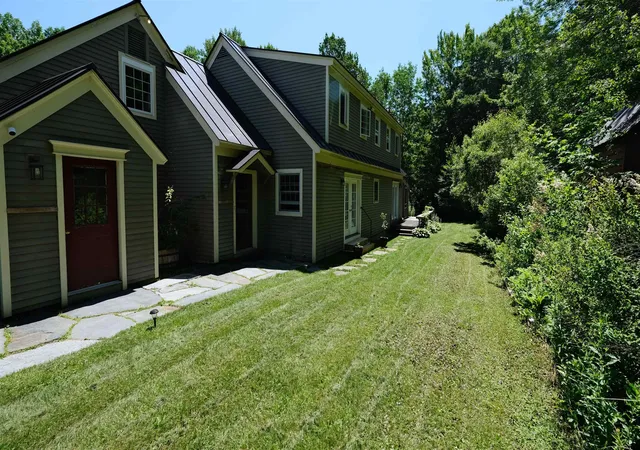
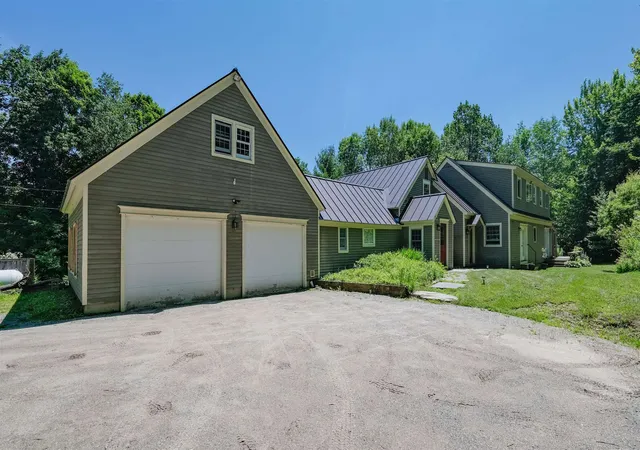
$700,000
3
5Bds
4Ba
3,641sqft
Single family home for sale
William Raveis Real Estate Vermont Properties
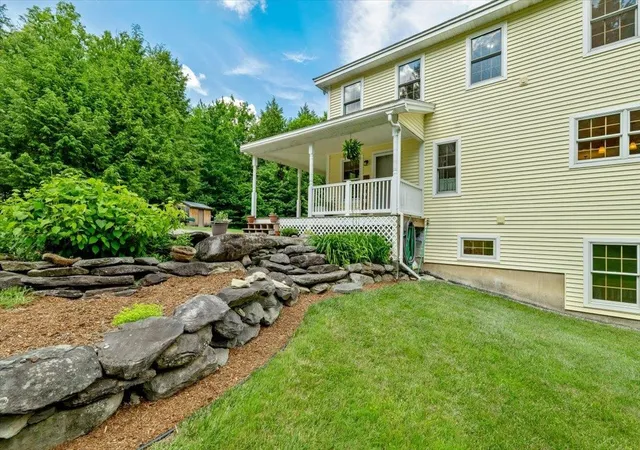
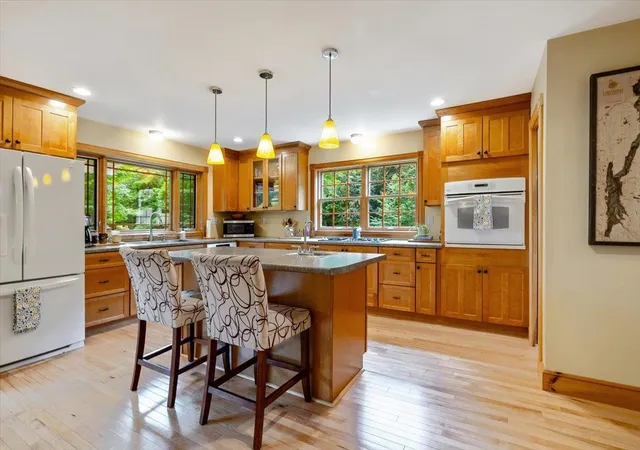
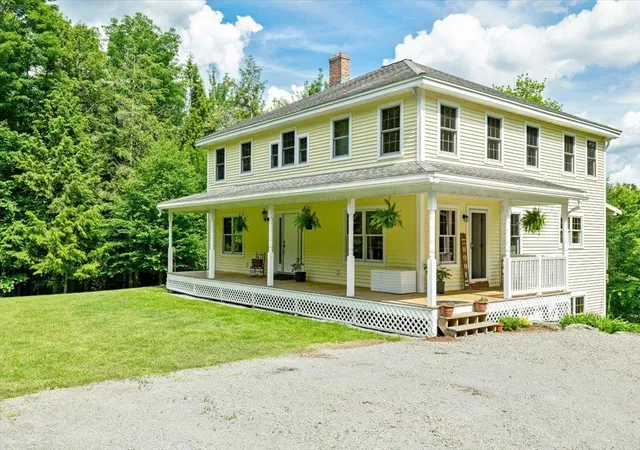
 3D Tour


$699,995
5
--Bds
--Ba
5.33acres lot
Land for sale
Century 21 The One
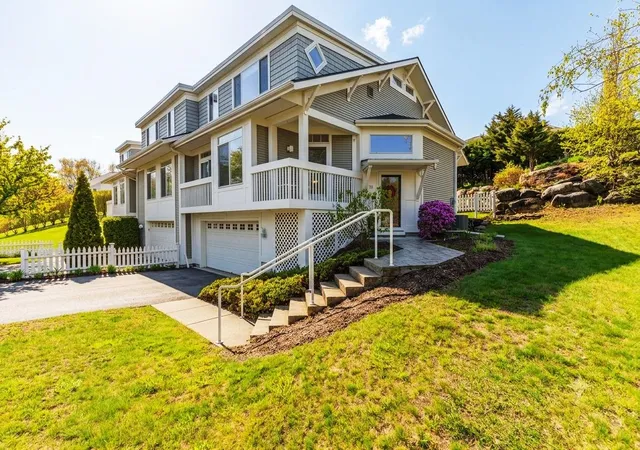
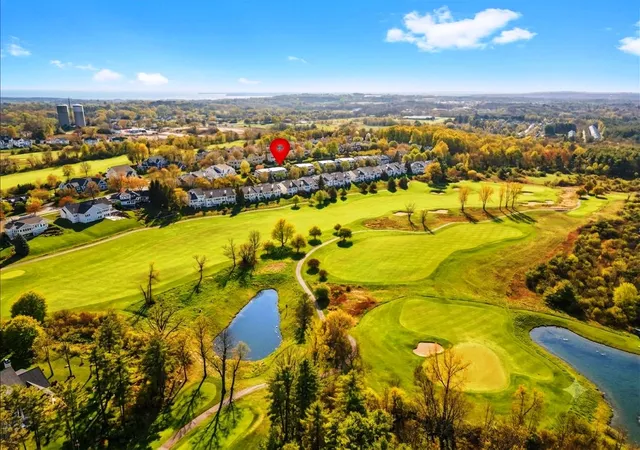
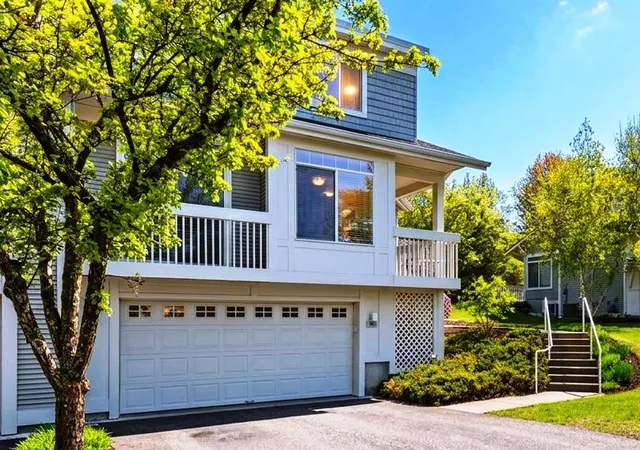
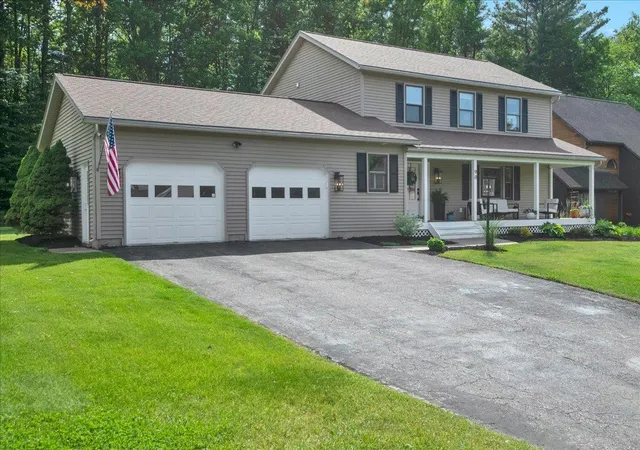
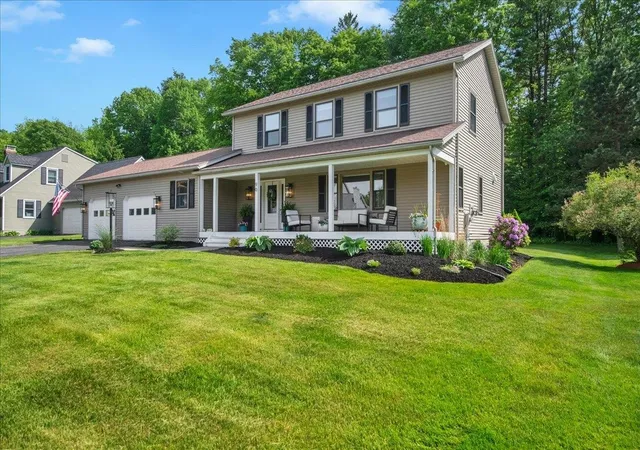

$699,900
5
3Bds
3Ba
1,968sqft
Sale Pending
Signature Properties Of Vermont
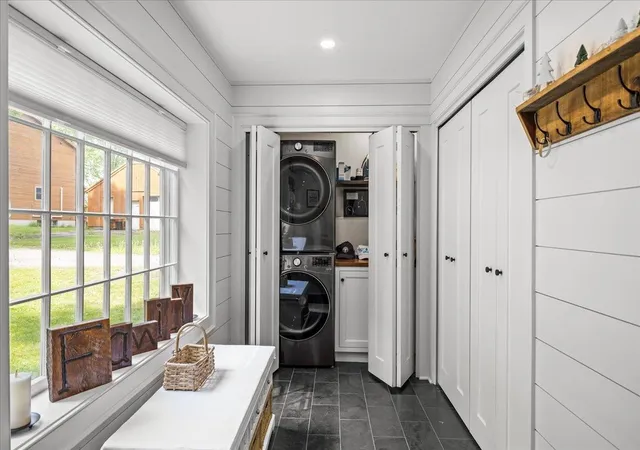
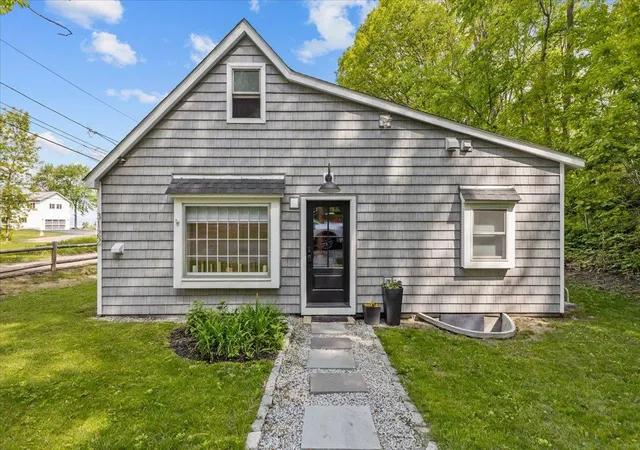
$699,900
5
2Bds
2Ba
1,538sqft
Single family home for sale
Flat Fee Real Estate
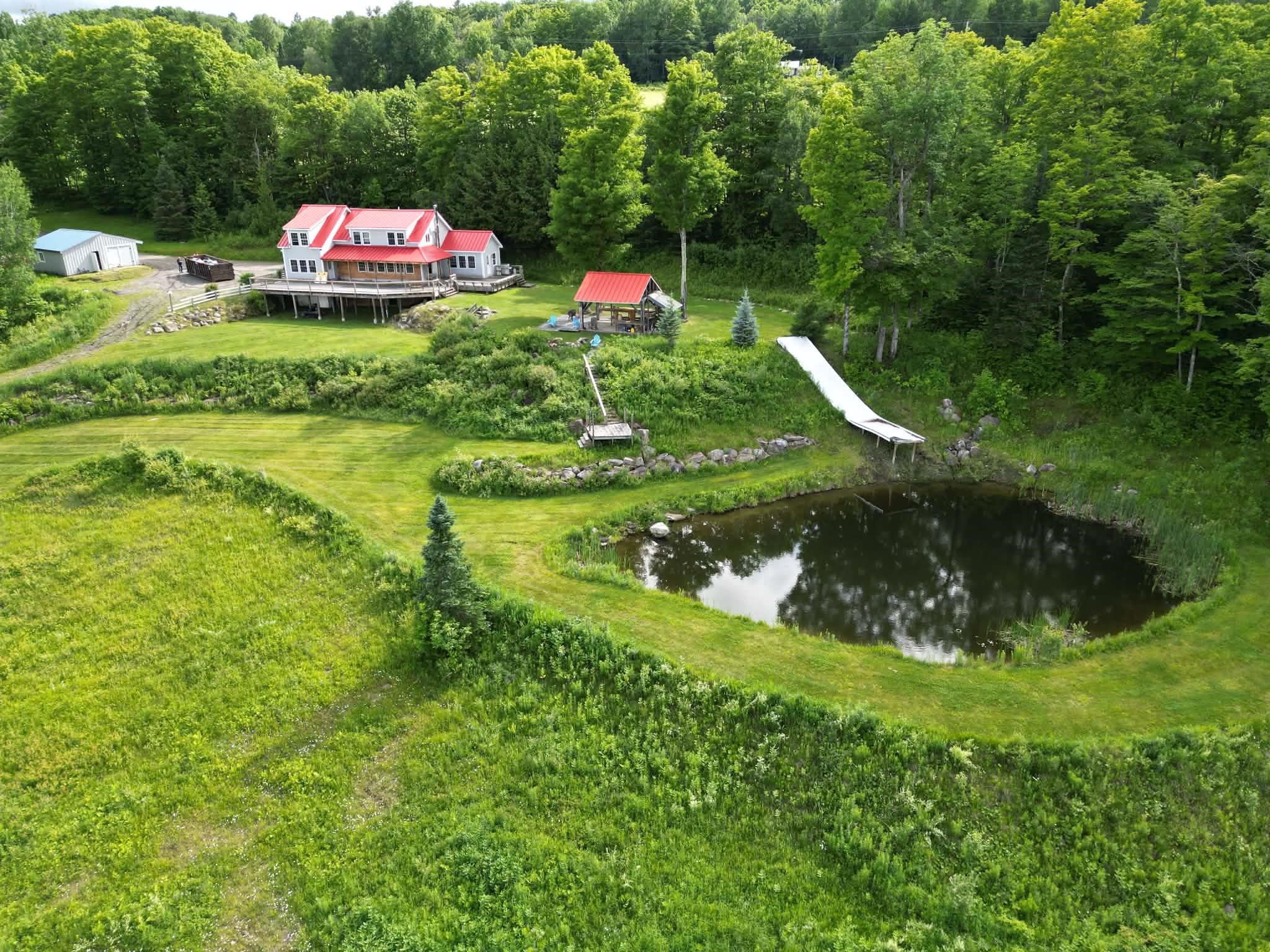

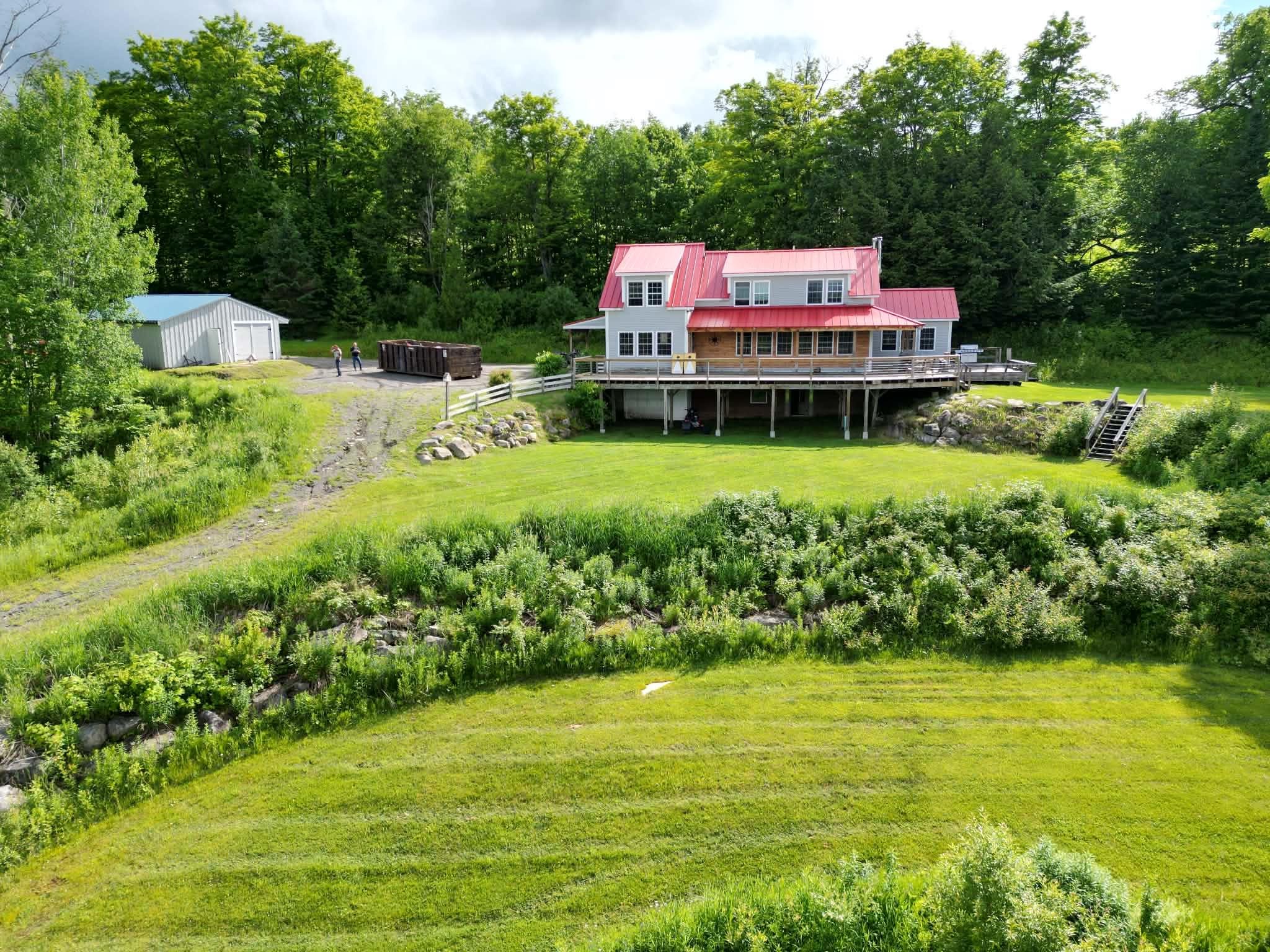
$699,900
2
5Bds
2Ba
3,035sqft
Single family home for sale
Rowell Realty Llc
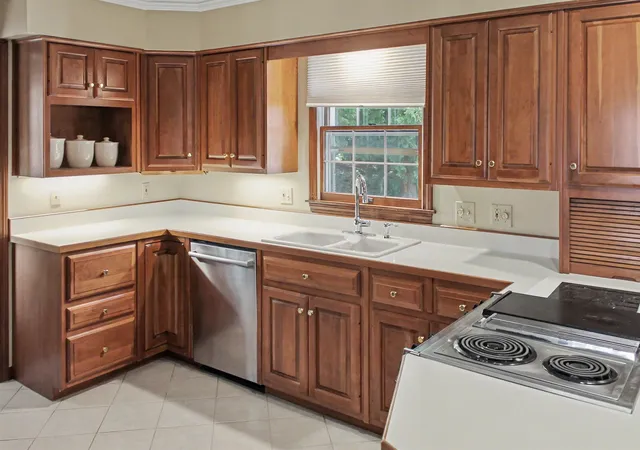
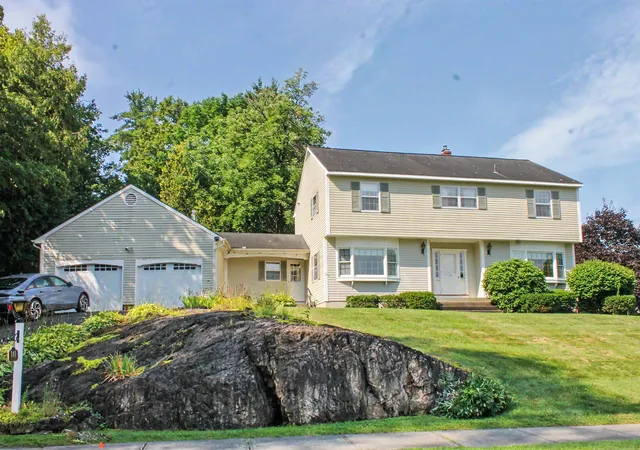
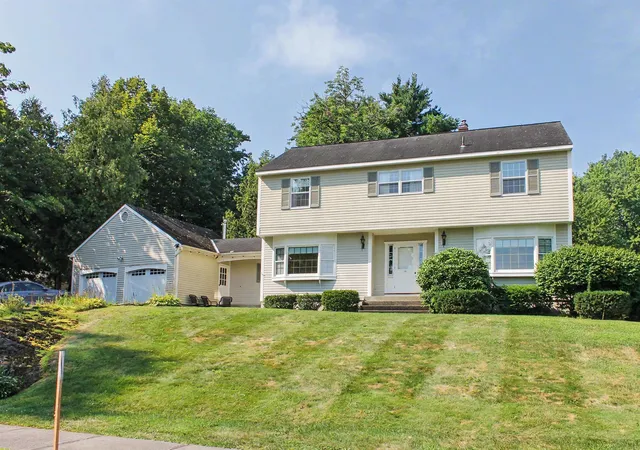
$699,900
7
4Bds
3Ba
2,206sqft
Single family home for sale
Brian French Real Estate
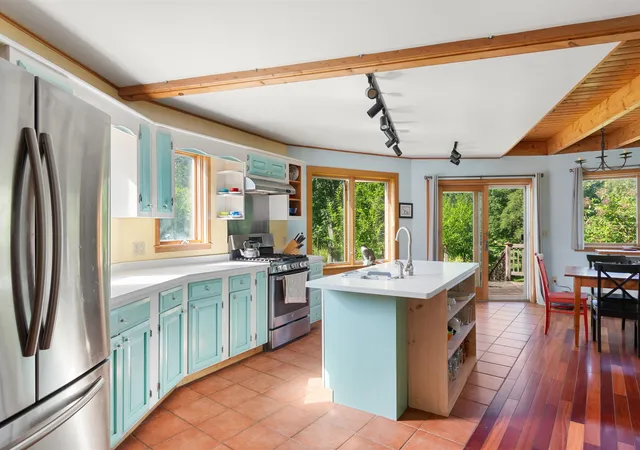
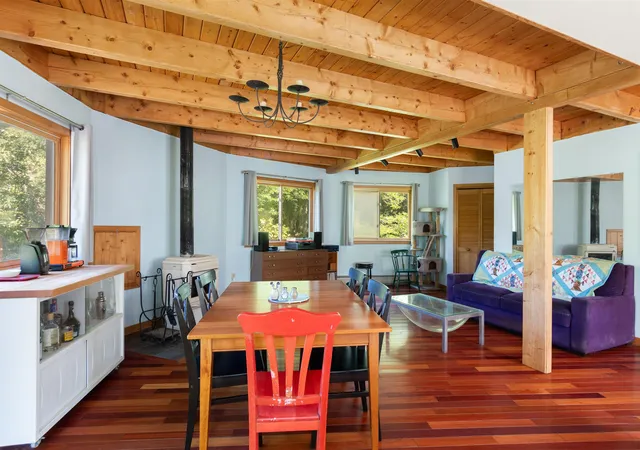
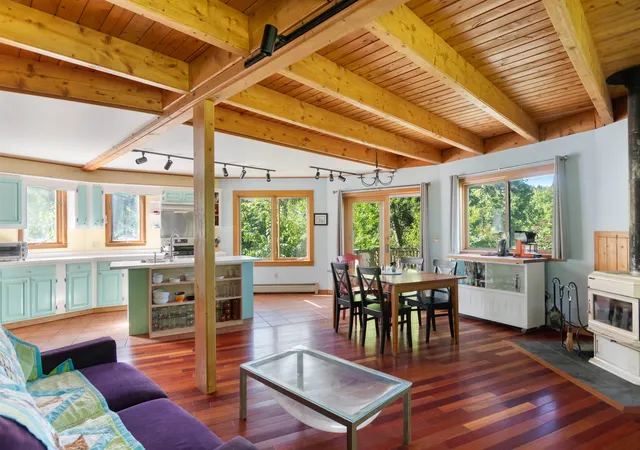
$699,900
3
3Bds
4Ba
2,051sqft
Single family home for sale
Bhhs Vermont Realty Group/S Burlington


$699,400
4
3Bds
3Ba
1,876sqft
Single family home for sale
Vermont Real Estate Company
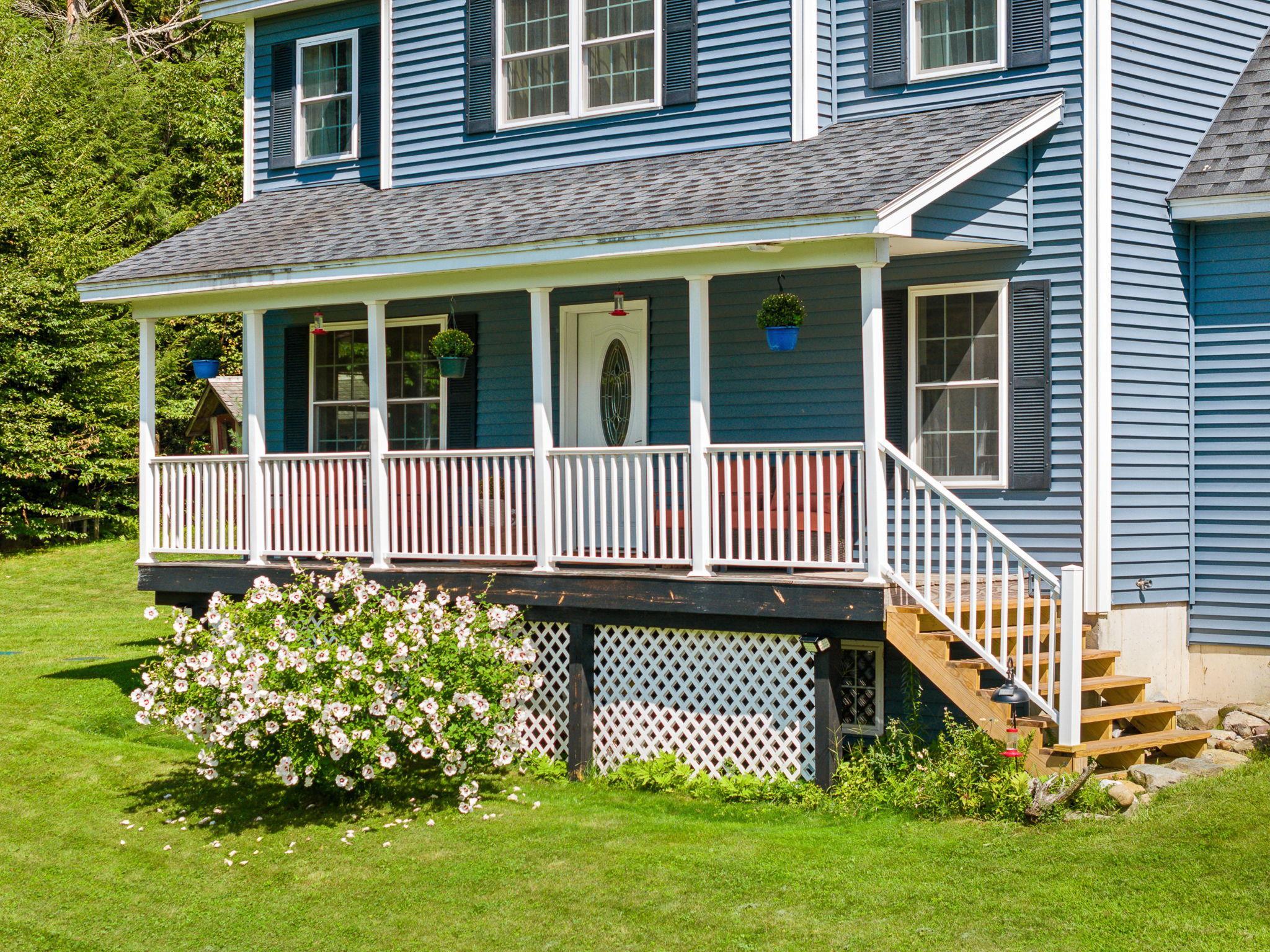

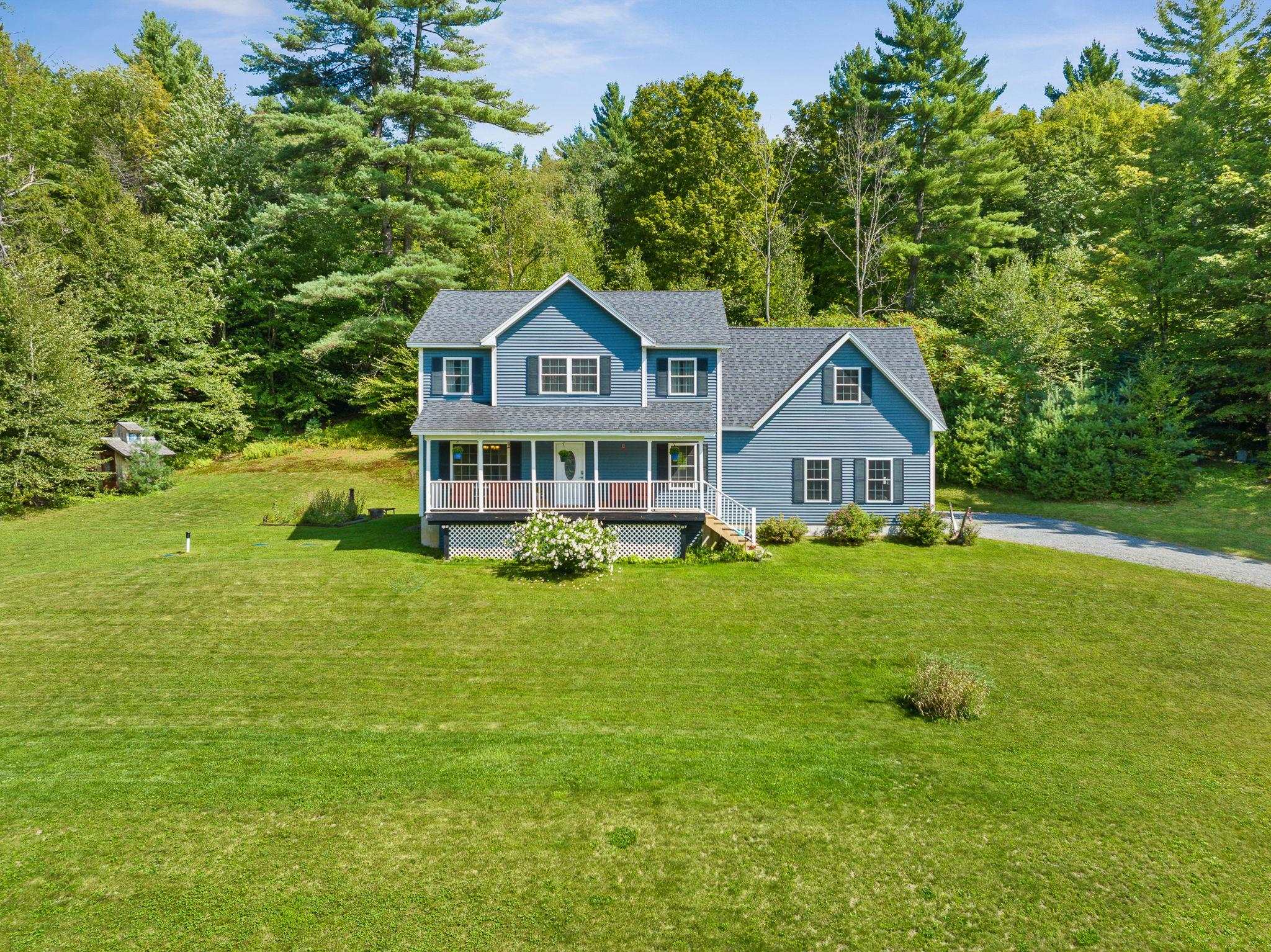


$699,000
3
3Bds
3Ba
2,716sqft
Single family home for sale
Champlain Valley Properties
3D Tour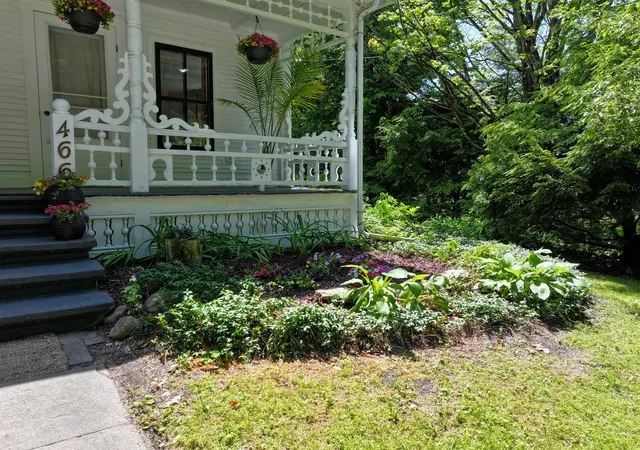
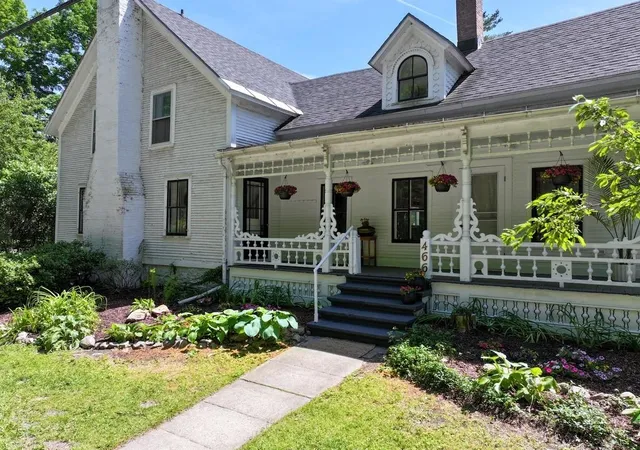
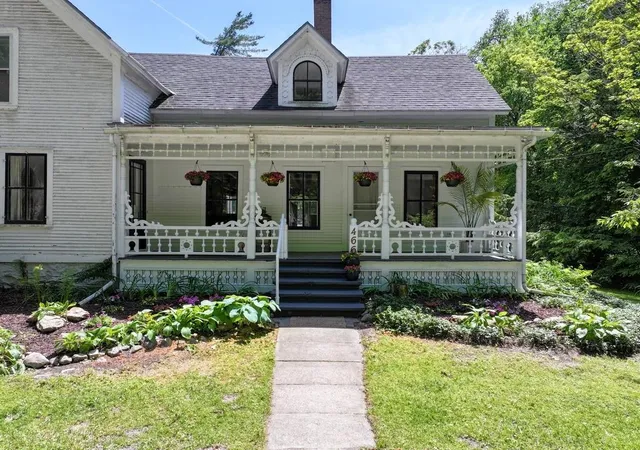
$699,000
4
4Bds
2Ba
2,684sqft
Single family home for sale
Ipj Real Estate
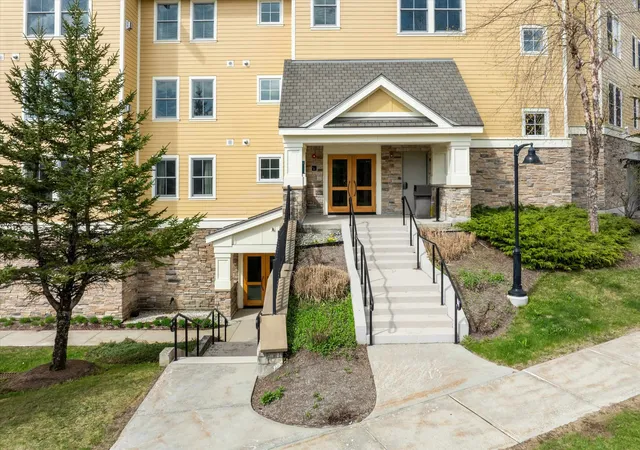
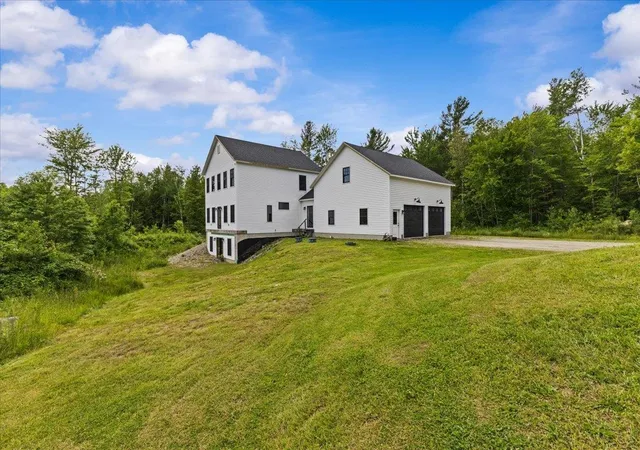
$699,000
3
4Bds
3Ba
1,882sqft
Single family home for sale
Re/Max North Professionals


$699,000
3
2Bds
1Ba
957sqft
Single family home for sale
Parkway Realty


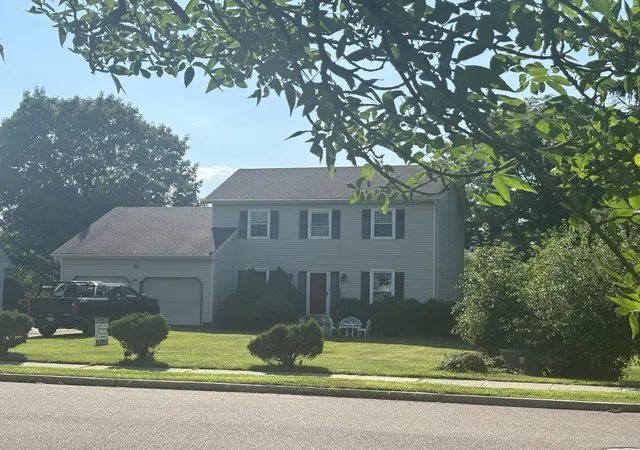
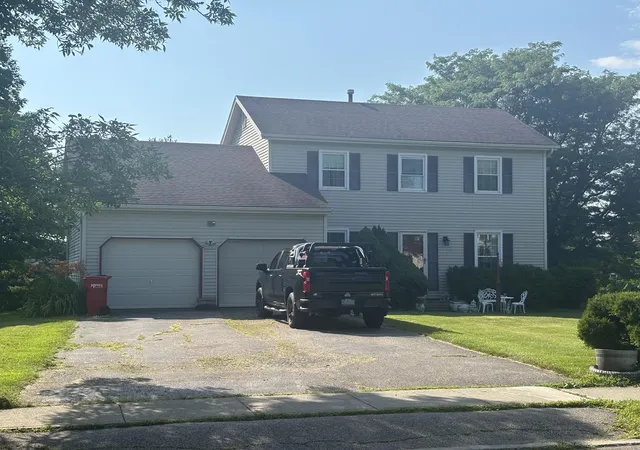
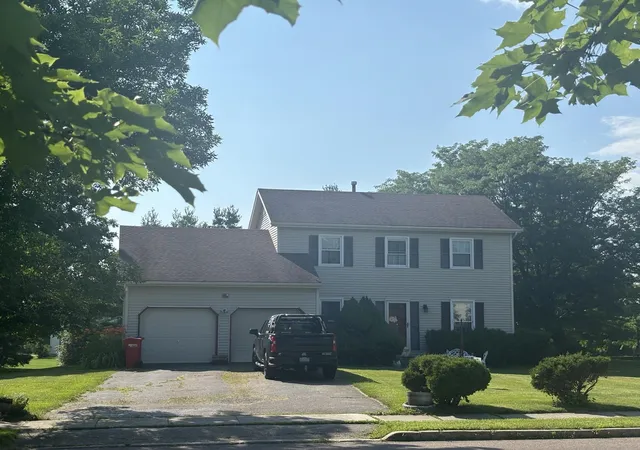
$699,000
1
3Bds
3Ba
1,670sqft
Single family home for sale
Greg Clairmont And Associates .
3D Tour


$699,000
6
3Bds
3Ba
1,988sqft
Sale Pending
Element Real Estate
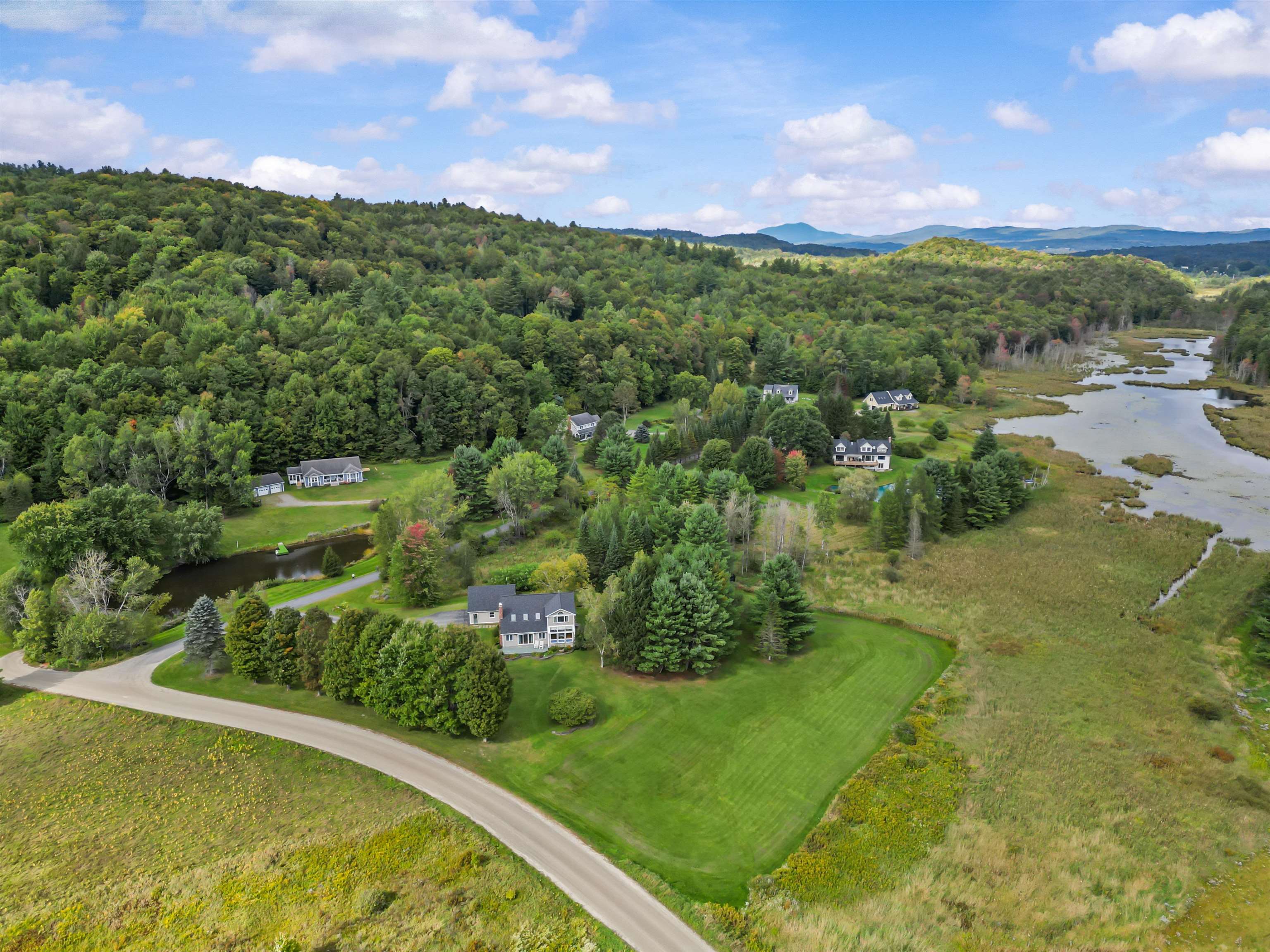

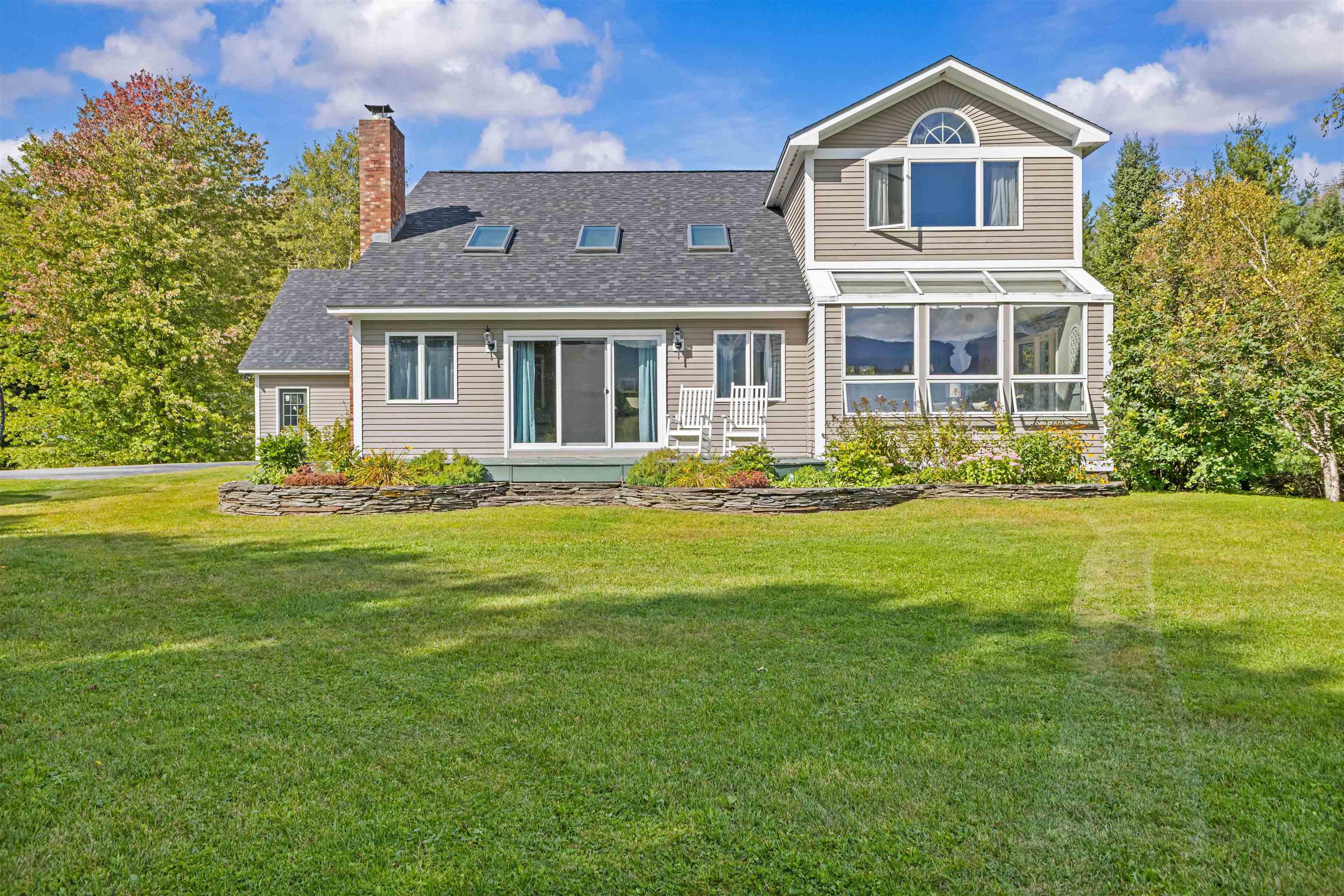
$699,000
1
3Bds
2Ba
2,168sqft
Single family home for sale
Coldwell Banker Carlson Real Estate
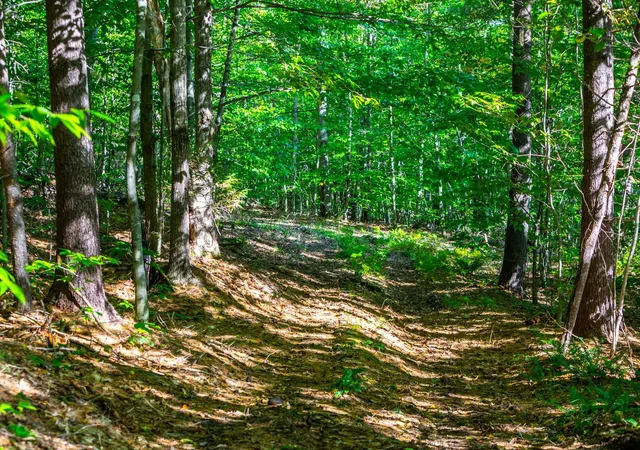
$699,000
1
--Bds
--Ba
52.3acres lot
Land for sale
Williamson Group Sothebys Intl. Realty


$699,000
2
--Bds
--Ba
4,676sqft
Multi family home for sale
Coldwell Banker Lifestyles - Hanover
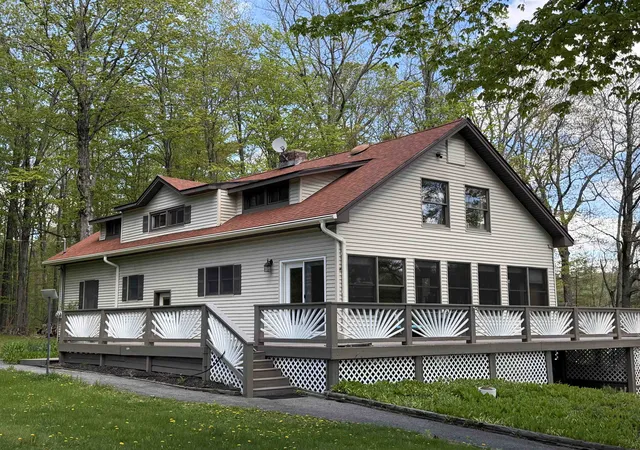
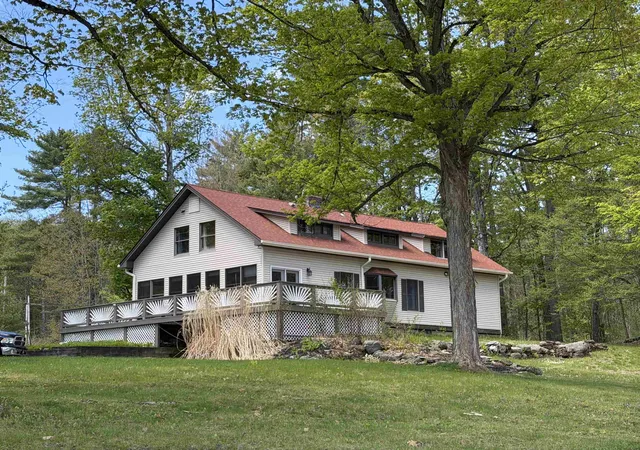
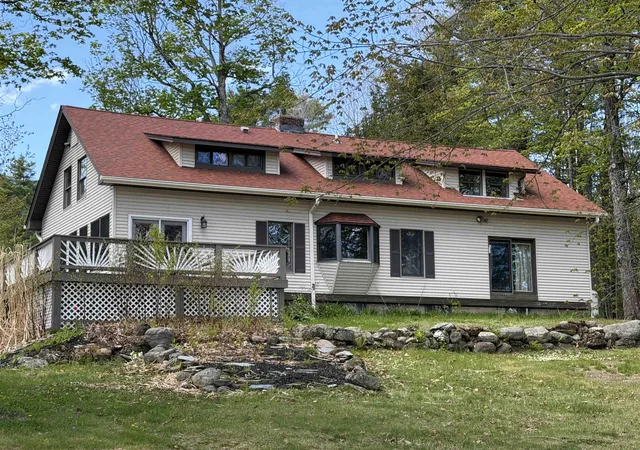
$699,000
3
4Bds
3Ba
2,916sqft
Single family home for sale
Lakes & Homes Real Estate


 3D Tour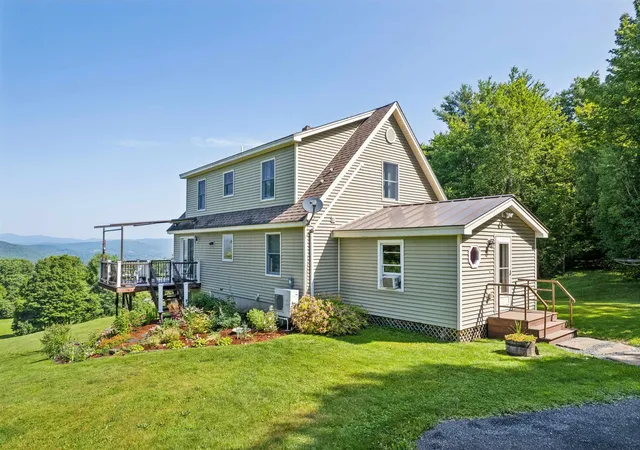
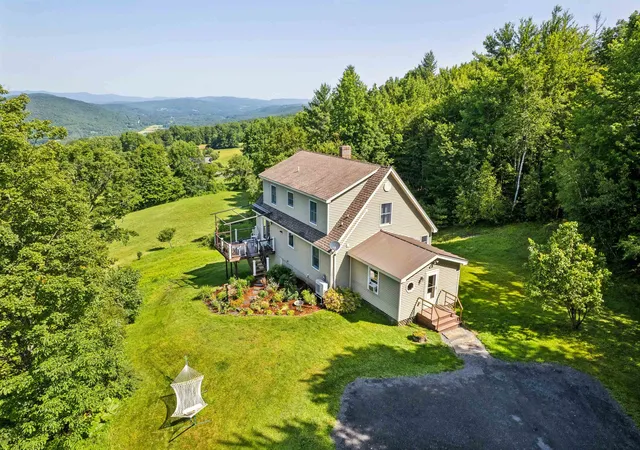
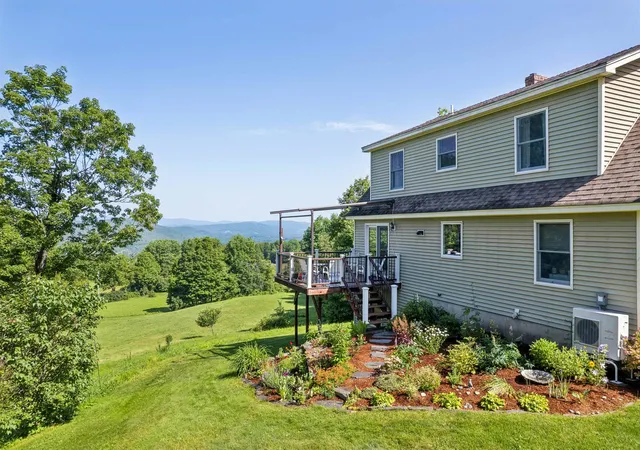
$699,000
1
3Bds
2Ba
1,914sqft
Single family home for sale
Hall Collins Real Estate Group
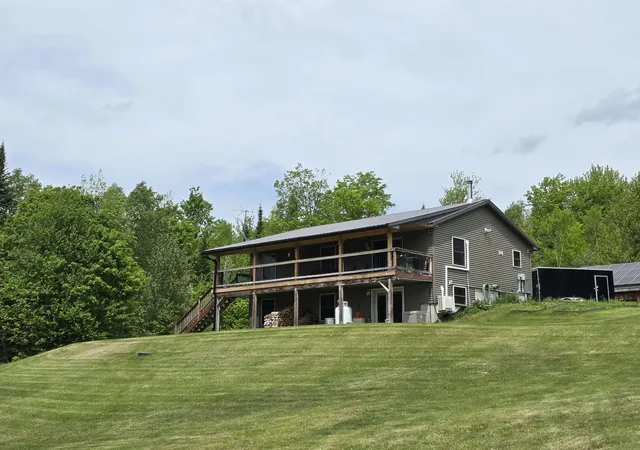
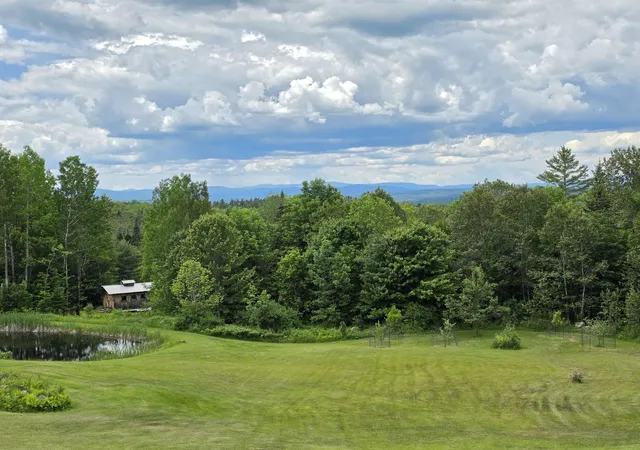
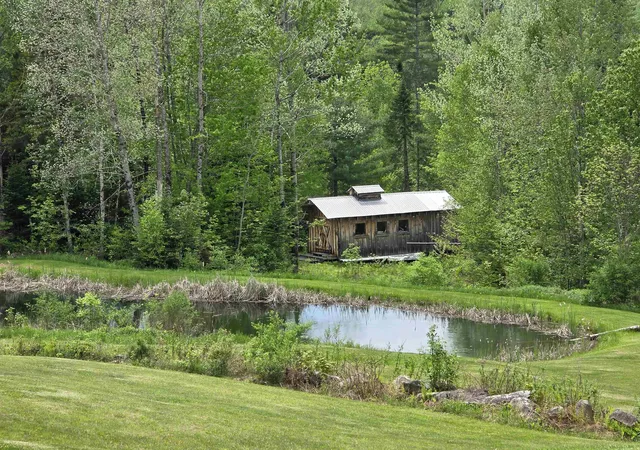
$699,000
7
4Bds
3Ba
1,120sqft
Single family home for sale
Stonecrest Properties, Llc2
3D Tour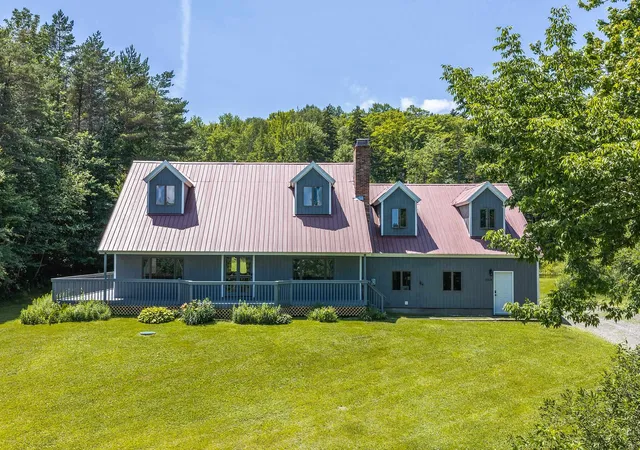
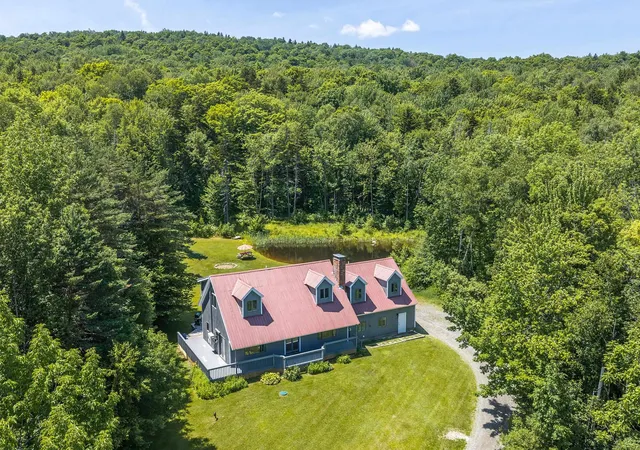
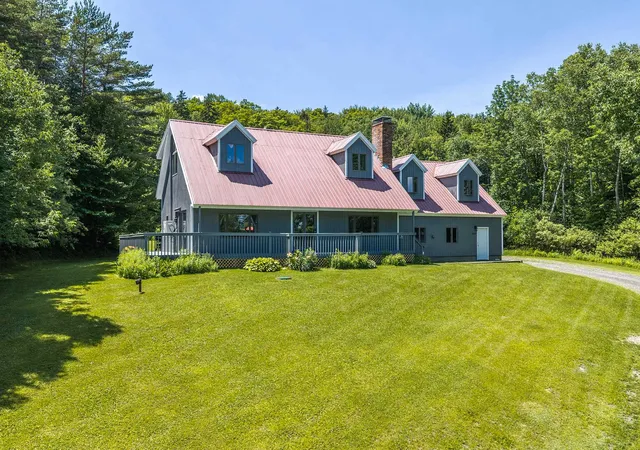
$699,000
5
4Bds
4Ba
2,576sqft
Single family home for sale
Barrett And Valley Associates Inc.
3D Tour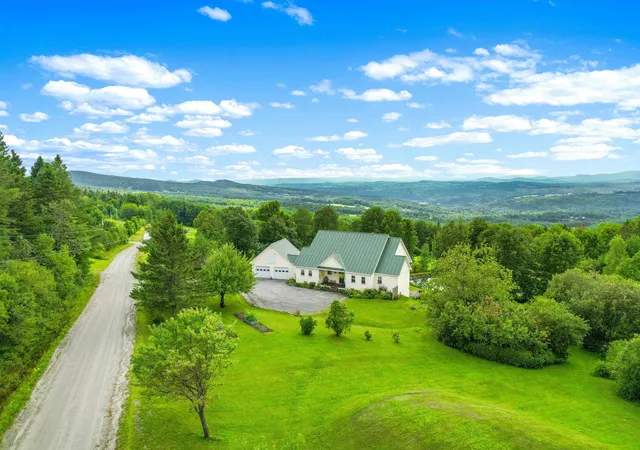
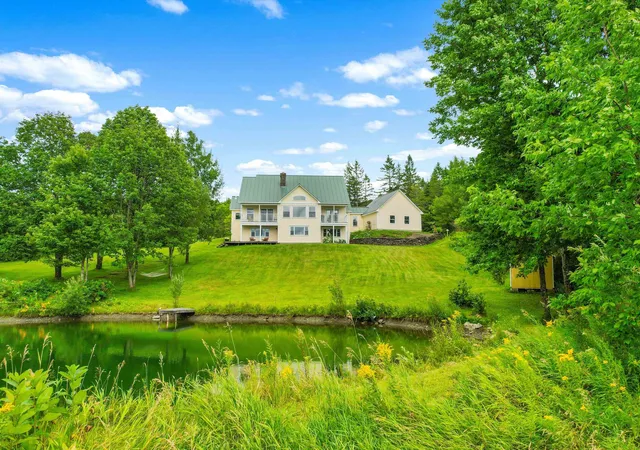
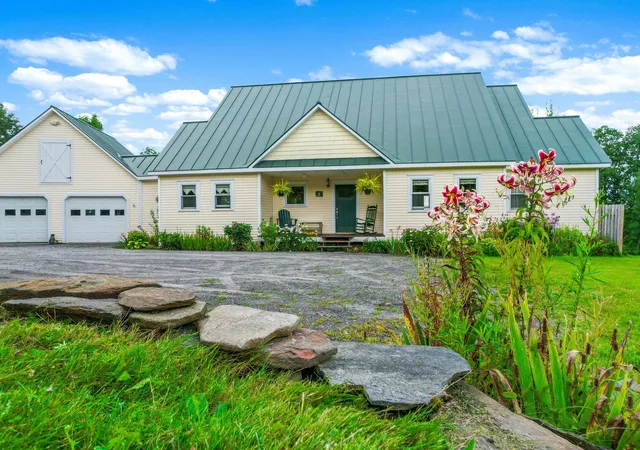
$699,000
2
3Bds
3Ba
1,669sqft
Sale Pending
Four Seasons Sotheby'S Int'L Realty
3D Tour


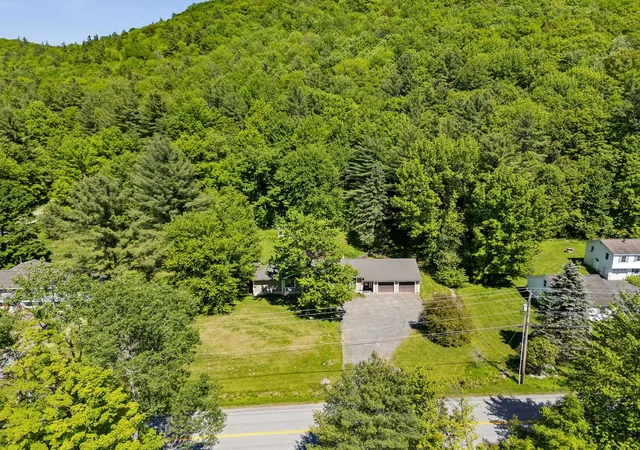
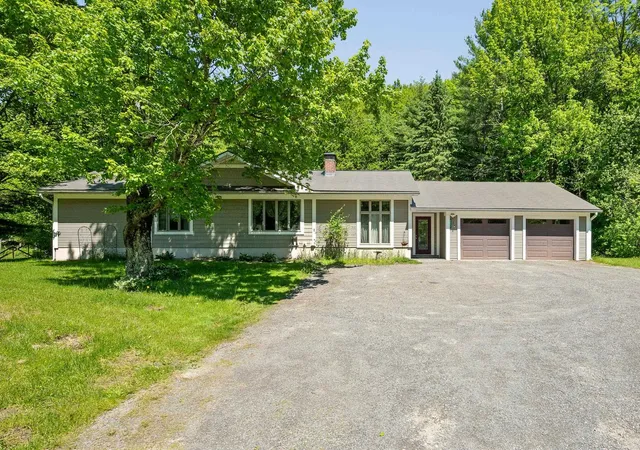
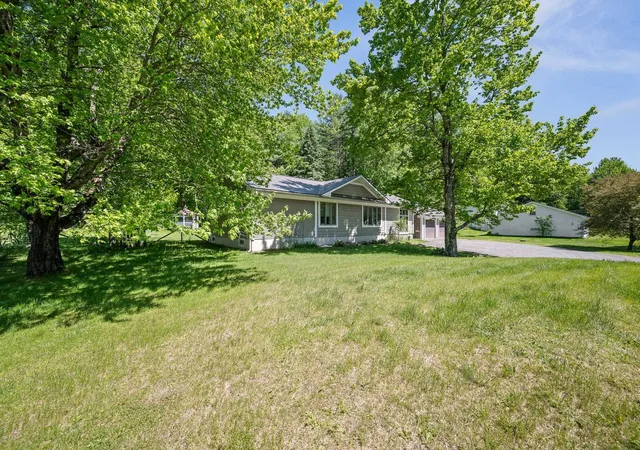
$699,000
4
4Bds
2Ba
2,141sqft
Single family home for sale
Vermont Real Estate Company
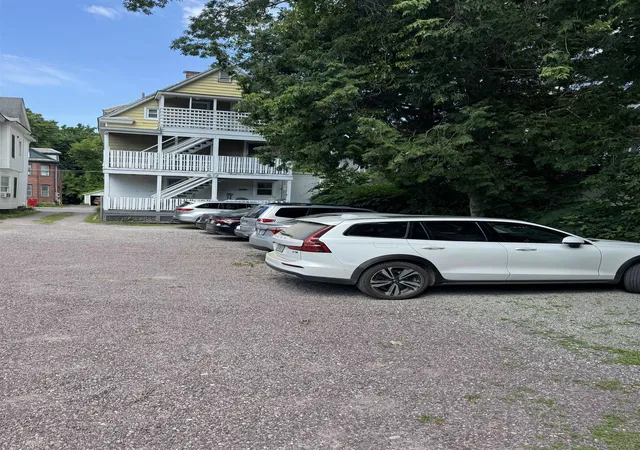
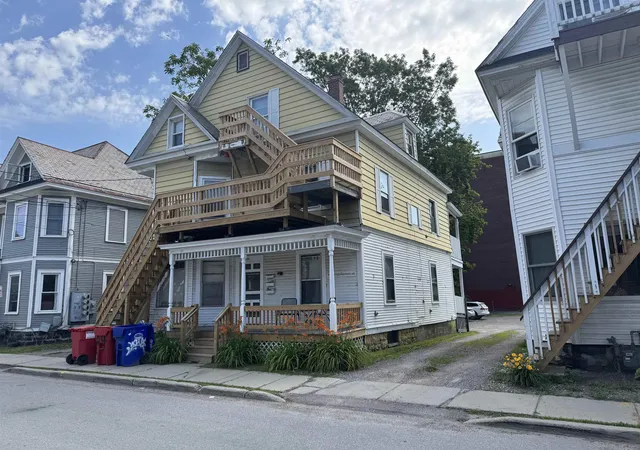
$699,000
5
--Bds
--Ba
2,188sqft
Multi family home for sale
Bhhs Vermont Realty Group/Burlington
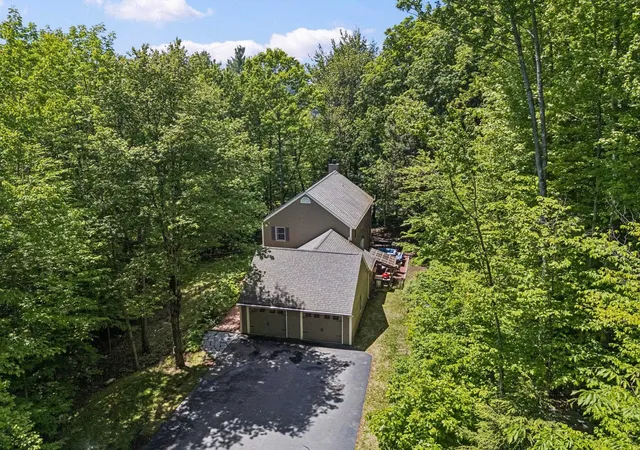
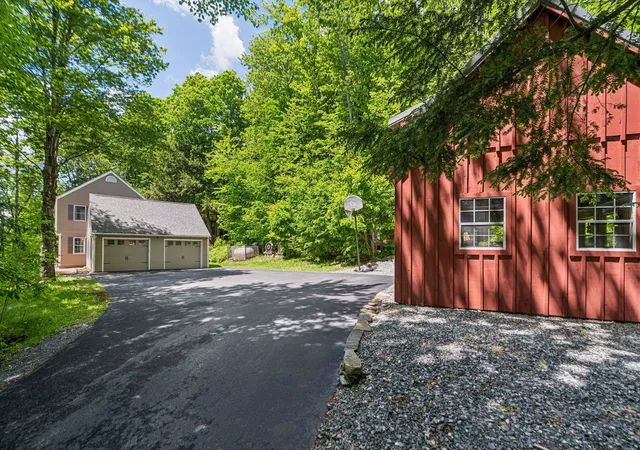
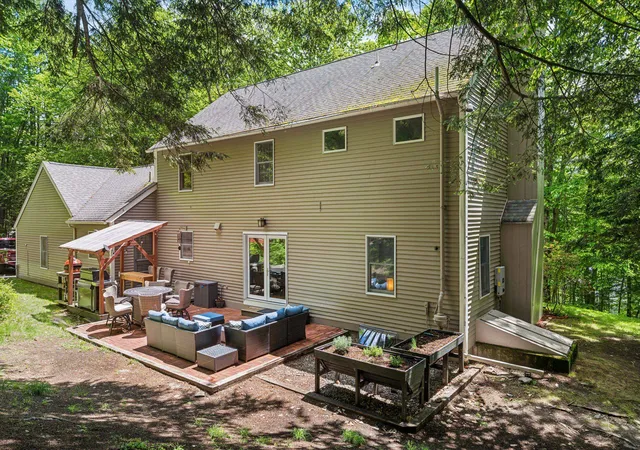
$699,000
6
4Bds
4Ba
2,100sqft
Single family home for sale
Bhhs Verani Upper Valley
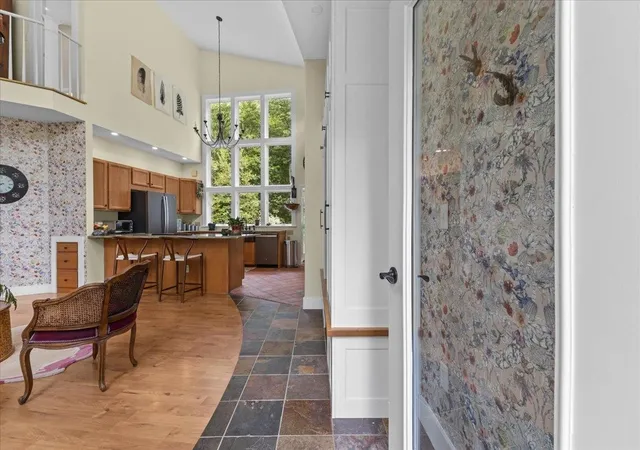
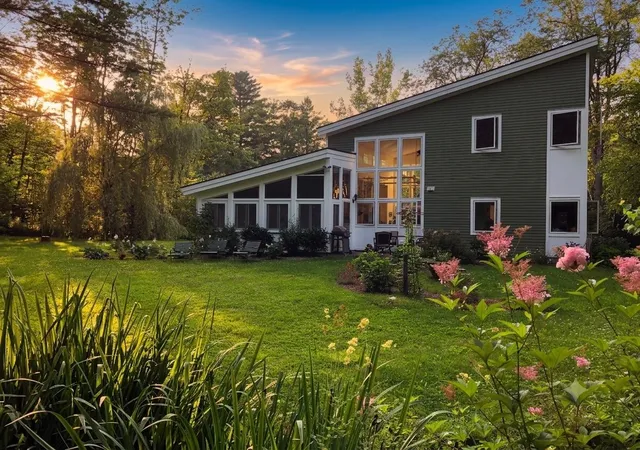
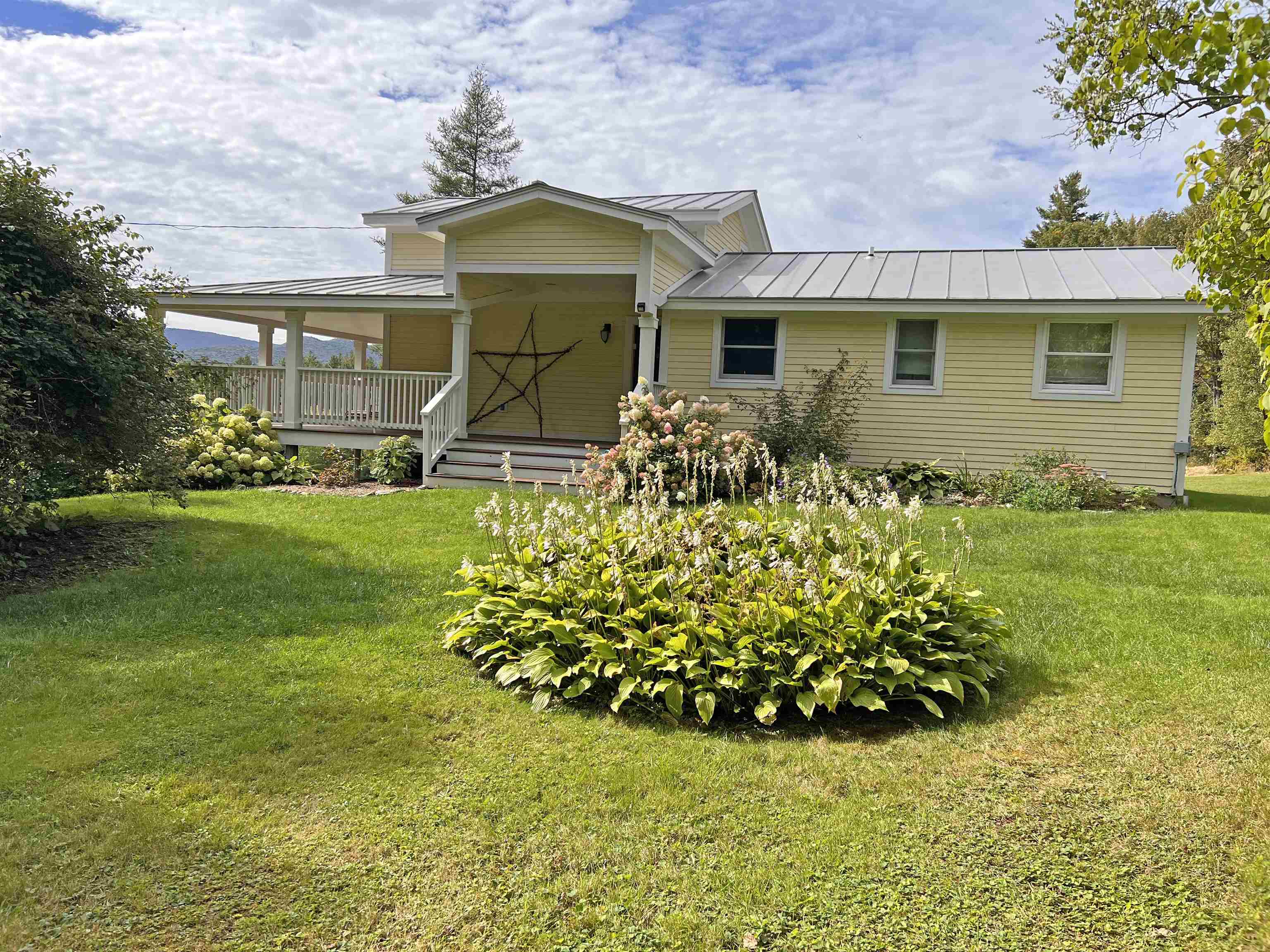

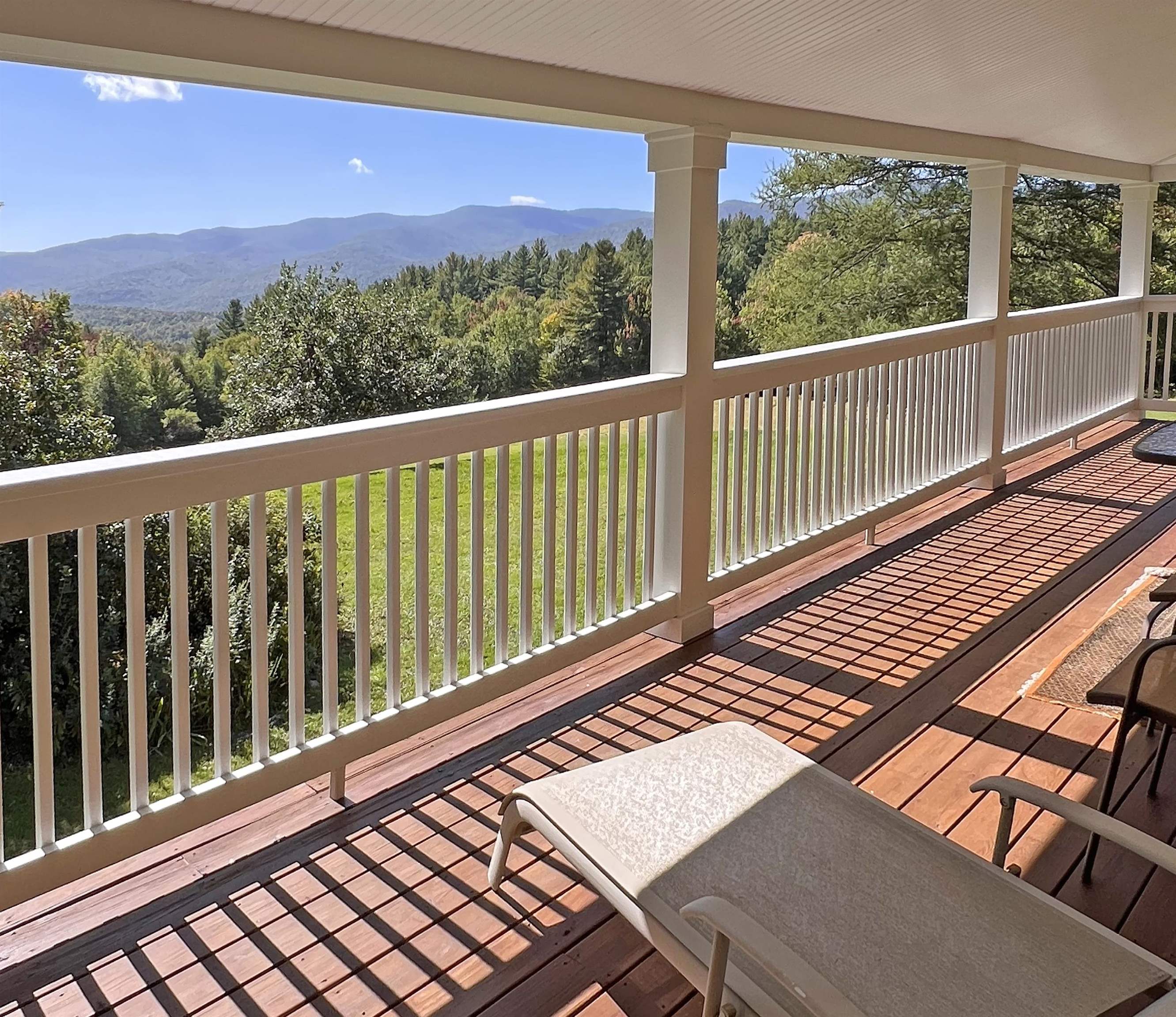
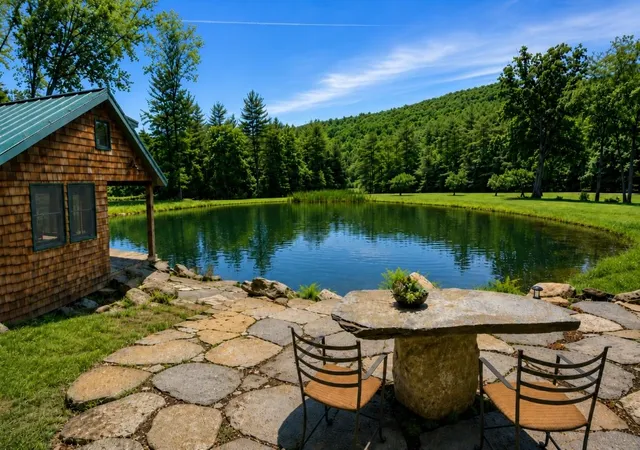
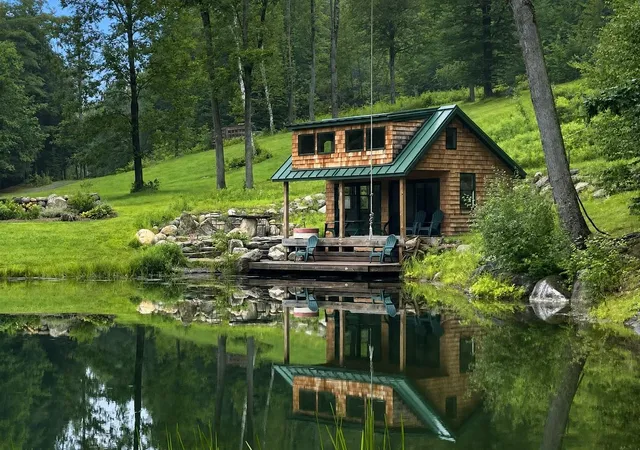
$699,000
1
3Bds
2Ba
1,437sqft
Single family home for sale
Sugarbush Real Estate
3D Tour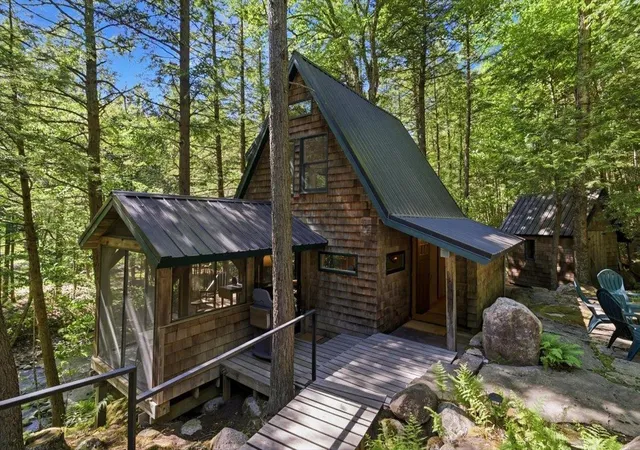
$699,000
--Bds
--Ba
38acres lot
Land for sale
Four Seasons Sotheby'S Int'L Realty
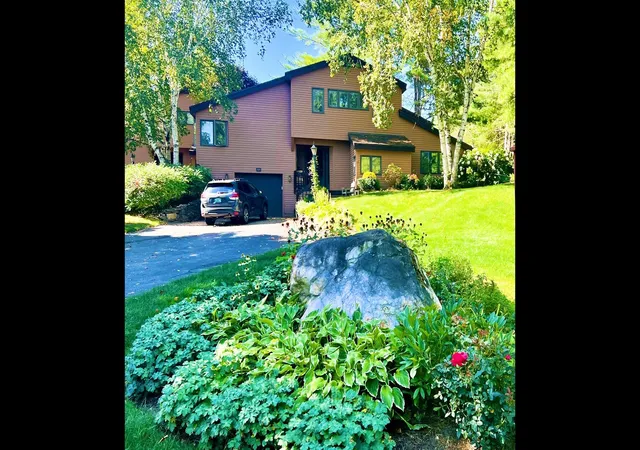
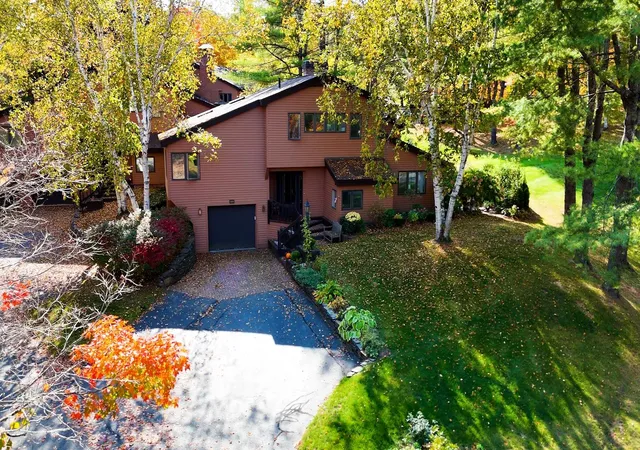
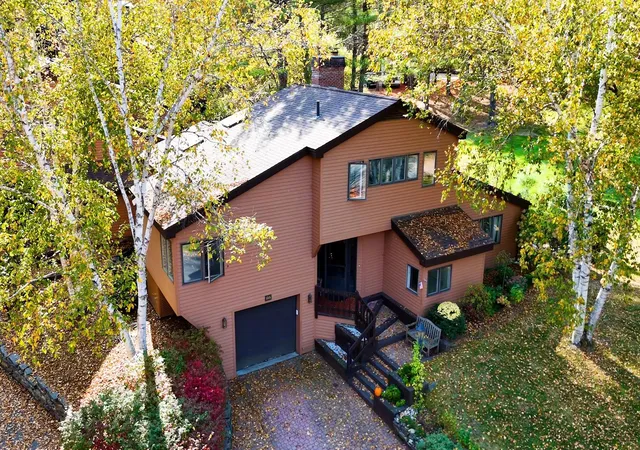
$699,000
7
3Bds
4Ba
2,282sqft
Condo for sale
Quechee Lakes Real Estate Center
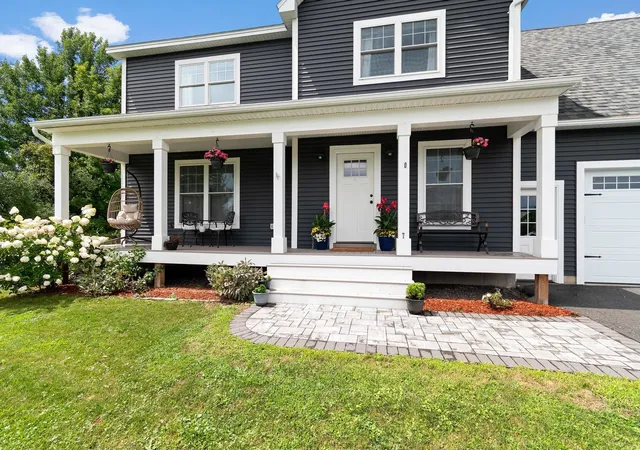
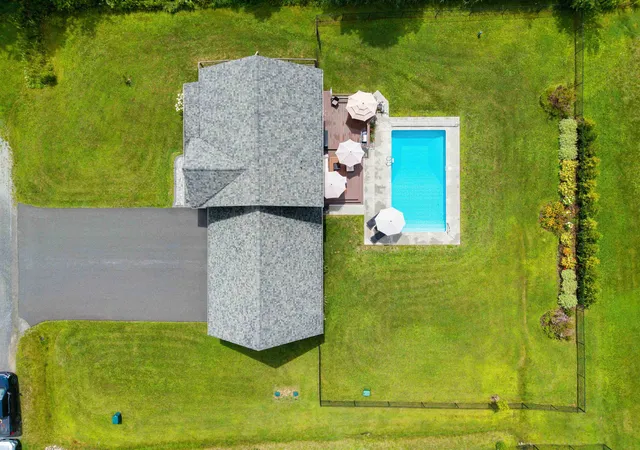
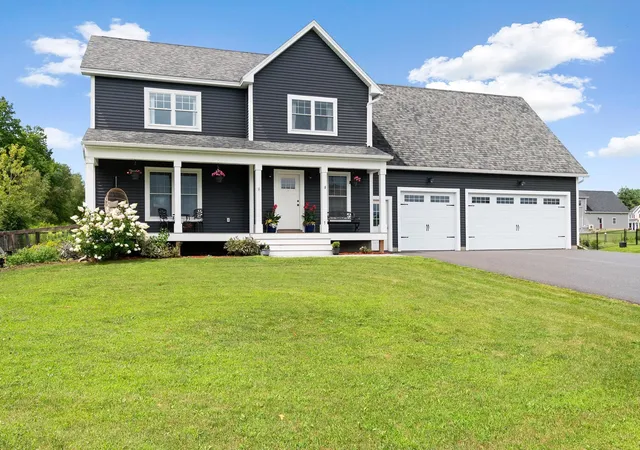
$699,000
2
3Bds
4Ba
2,544sqft
Single family home for sale
Ridgeline Real Estate

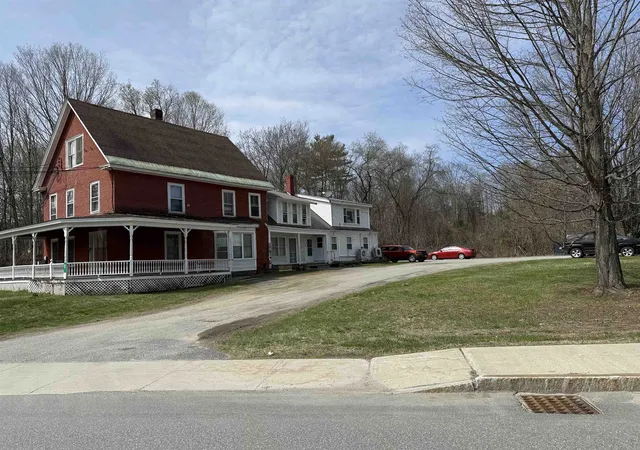

$699,000
5
--Bds
--Ba
5,003sqft
Multi family home for sale
Twin State Realty Llc
Don't miss out on new listings — and get instant email alerts!
Do Real Estate on the Go!
Find your dream home, receive real-time updates, and many more!
Vermont is a balanced market, giving buyers and sellers room to negotiate. With 5 months of supply and homes averaging 95 days on the market, you can make decisions without the pressure of a highly competitive market.
Balanced Market
95
3,960
In Mar 2026 · YoY
Current rate · YoY
30-Year Fixed
30-yr fixed rate 6.23% · Data as of Mar 2026 · Source: Houzeo Research.
View Full Vermont Market ReportThe median price of a home in Vermont is $437,800. However, this price fluctuates depending on the local housing market conditions of your target city. Moreover, you need to factor in other expenses like down payments and closing costs when buying a home in Vermont.
In Vermont, camp refers to a seasonal or vacation home rather than a simple tent. Since you do not live there year-round, the state classifies it as non-homestead property. This status usually carries a higher tax rate than a primary home in the same town. Camps frequently rely on seasonal water infrastructure, so verify winterization status if you intend to live there full-time.
Yes, Vermont requires a real estate attorney to handle your closing instead of a title company. Your attorney conducts the title search, prepares your deed, and manages the closing process.
Every deed transfer triggers the Vermont Property Transfer Tax, which you usually pay at closing. If you buy a primary home, you have to pay 0.5% on the first $200,000. You pay 1.25% plus a 0.22% Clean Water Surcharge on any amount above that. If you are buying a secondary residence fit for year-round living, you owe a steep 3.4% rate.
Yes, you must file a Homestead Declaration if you buy a home as your primary residence. Vermont requires owner-occupants to file Form HS 122 by April 15 each year. The final deadline is October 15. If you miss the deadline, you will pay a higher tax rate with a penalty until you pay it.
Yes, foreigners can legally buy and own a home in Vermont. There are no U.S. federal or Vermont state citizenship or residency requirements that prohibit foreign nationals from buying residential property.
Yes, your home will likely use a private well and septic system if you buy outside the city center. About 55% of Vermont households rely on private septic systems rather than municipal sewer networks. Many rural properties also depend on private wells. Vermont requires a permit for any new or replacement water and wastewater systems.
Always request the permit history and a recent water test before you make an offer on a home.
Yes, Vermont law requires flood risk disclosure before you buy a home. Sellers must disclose if the property is in a mapped flood hazard area, has experienced flooding during their ownership, or carries flood insurance.
Request this disclosure early in your search, especially when considering homes near rivers or low-lying village centers.
Fuel oil is the most common home heating system in Vermont, powering about 46% of homes. Propane heats roughly 13% of homes, and both options cost more per thermal unit than natural gas. Natural gas lines reach only the northwestern portion of the state. People also use wood heat widely across Vermont.
When you evaluate a home, ask about its fuel type, tank capacity, and yearly usage. Your overall heating expenses depend much more on your fuel source than on your home size.


Houzeo Corp. holds real estate brokerage licenses in Alabama (License No. 000157023 - 0) and Texas (License No. 9013396)
TREC: Info About Brokerage Services, Consumer Protection Notice.
§ 442‑H New York Standard Operating Procedure.
New York State Fair Housing Notice.


3,960
Homes Available

$ 437,800
Median List Price

95 Days
Avg on Market


Do Real Estate on the Go!


