Median home prices in Florida have climbed to $412,200. Thanks to the sunshine, zero income tax, and unmatched Florida lifestyle, buyers keep coming for more. The good news? It’s a good time to sell a house, despite homes typically spending 70 days on the market.
Now that summer is here, this good time only gets better. Selling houses in the Sunshine State now can be smoother than a cruise to Key West!
KEY TAKEAWAYS
- Prepare Your Home: Clean and depersonalize the space. Improve curb appeal and highlight outdoor areas to stand out in Florida’s competitive market.
- Choose Your Selling Method: Decide whether to use a full-service agent, flat-fee MLS service, discount broker, cash buyer, or sell FSBO (For Sale By Owner).
- Price and Market Smartly: Use market trends, valuation tools, and a CMA to set the right price. Stage your home, add professional photos, and host showings or open houses to boost visibility.
- Review and Negotiate Offers: Evaluate buyer offers and negotiate terms quickly and effectively.
- Finalize and Close the Sale: Complete disclosures and paperwork, pay closing costs and taxes, and transfer ownership.
What is the Best Time To Sell a House In Florida?
Timing can significantly impact how quickly your Florida home sells and the price you receive. Understanding seasonal trends, market cycles, and local factors will help you choose the optimal moment to list your property.
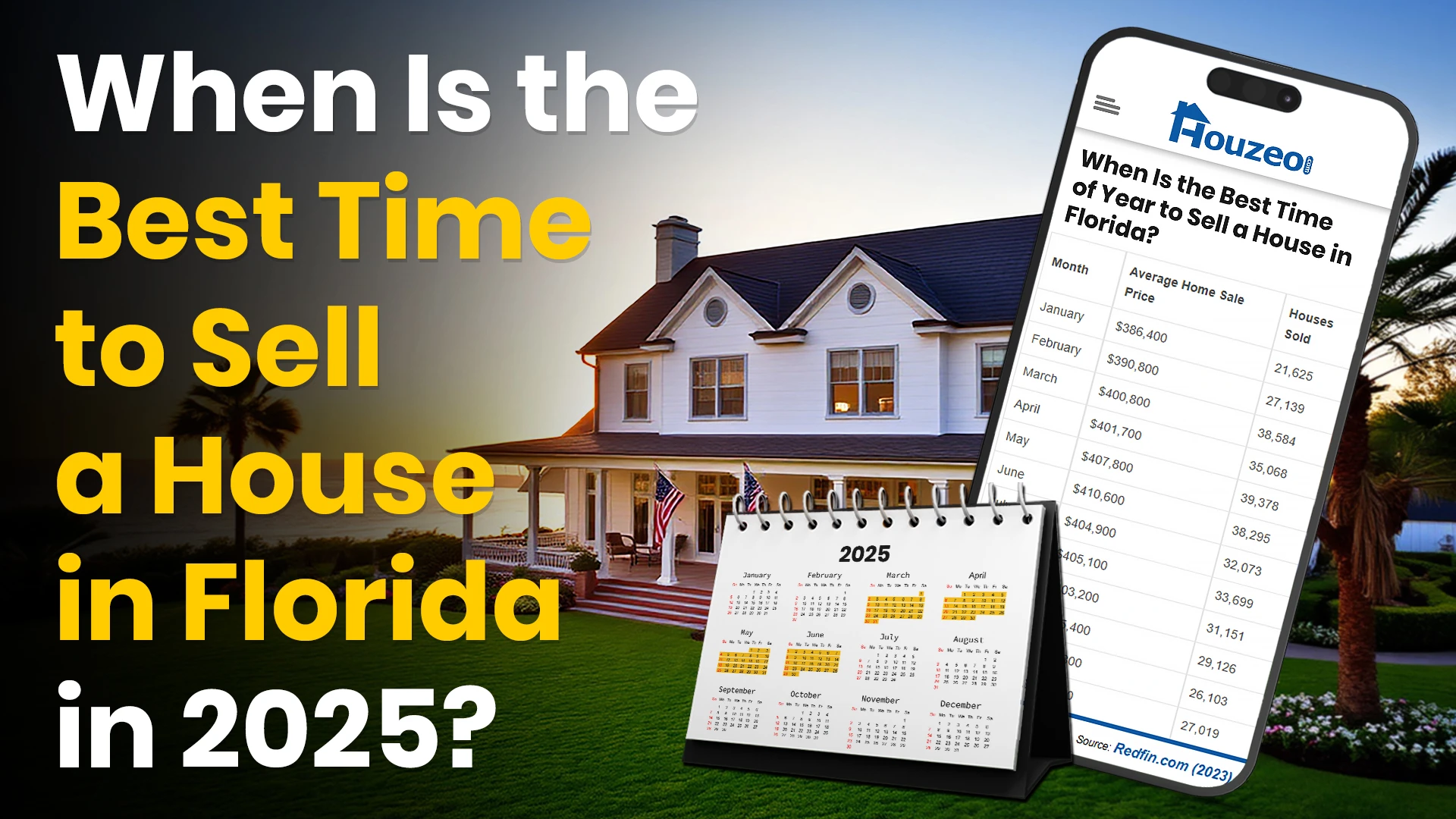
- Spring (March-May) remains the best time to sell your home in Florida, as April homes sell up to 9 days faster and can fetch higher prices than the annual average.
- Summer stays active too, especially early summer as families try to move before the school year starts. Late summer can slow down the market in some areas due to heat and hurricane season concerns.
- Winter can be surprisingly strong in Florida. ‘Snowbirds’ and second-home buyers shop heavily during this season, especially in coastal markets.
- Fall can be a good option too due to less competition and serious buyers. There may be fewer shoppers, but those in the market are often motivated. Additionally, reduced inventory can help your home stand out.
- Apart from this, you can sell year-round with the right strategy. Strong curb appeal, proper pricing, smart staging, and focused marketing can help you sell quickly in any season.
Here is a comparison of data for 2025.
| Month | Median Sale Price | Month-on-Month % | Homes Sold | Days on the Market |
| January 2025 | $412k | 0.2% | 22,455 | 76 |
| February 2025 | $413k | 0.3% | 25,582 | 78 |
| March 2025 | $411k | -0.6% | 33,196 | 73 |
| April 2025 | $411k | 0.1% | 33,869 | 66 |
| May 2025 | $413k | 0.5% | 34,116 | 68 |
| June 2025 | $410k | -0.6% | 32,484 | 71 |
| July 2025 | $404k | -1.5% | 31,144 | 75 |
| August 2025 | $403k | -0.3% | 30,189 | 79 |
| September 2025 | $404k | 0.3% | 29,279 | 82 |
| October 2025 | $408k | 1.0% | 29,333 | 82 |
| November 2025 | $405k | 0.8% | 24,472 | 80 |
| December 2025 | $412k | 1.6% | 30,446 | 80 |

Pro Tip: List your home on Thursdays after 5 pm for maximum weekend exposure.
7 Steps to Selling a House in Florida
For a seamless sale, just follow this step-by-step guide on how to sell a home in Florida:
Step 1: Prep Your Home for Sale
First impressions matter—especially in Florida, where you might compete against tropical landscapes and beachfront properties. So, focus on curb appeal to make your home look more presentable.
Here are 3 tips to make selling properties in Florida easier:
- Redo the Landscaping: Redesign your front and back yards to give them a lush, vibrant appearance. You can plant shrubs and trees that are native to Florida, like bougainvillea, hibiscus, and palm. Also, make sure the space is well-maintained.
- Repaint the House: A fresh coat of Florida-inspired colors can make your house pop. Go for shades that give beachy vibes, like soft blue, sandy beige and pastel yellow.
- Highlight Outdoor Spaces: Stage your porch, pool, patios and balconies with stylish outdoor furniture and decor. Homebuyers in Florida are generally drawn to outdoor living, so aim to make a solid first impression.
Step 2: Stage Your Home and Click Photos
A well-staged home can shine like the Florida sun, and attract buyers like moths to a flame. While traditional home staging is always an option, you can try virtual home staging to stage your home digitally.
Follow these tips to stage your home:
- Declutter and Clean the House: The cleaner your home looks, the better. Empty the garage, clean the roof and pressure-wash the driveway to achieve this look.
- Showcase Practical Features: Homebuyers in Florida prioritize safety and sustainability. So, highlight any hurricane-resistant windows, impact doors, or energy-efficient appliances.
- Focus on Spacious Living Spaces: Buyers prefer large windows, natural lighting and airy rooms. If your home offers these features, make sure to emphasize them in your staging.
- Include a Home Tour Video: Home listings with videos get 403% more views than those without it. So, make a video that shows your property in the best light!
Make Strategic Repairs and Improvements
Smart upgrades before listing can significantly boost your home’s appeal and selling price. Usually, homeowners spend approximately around $10,000 on average for pre-sale improvements. Understanding the remodeling cost versus value added is crucial. The table below shows which improvements offer the strongest returns.
| Improvement | Cost | Added Value | Return on Investment |
| 🚗 Garage door upgrade | $4,727 | $8,958 | 189.50% |
| 🏡 Fiber cement siding upgrade | $18,601 | $17,482 | 94.00% |
| 🚪 Steel entry door installation | $2,326 | $4,627 | 198.90% |
| 🪟 Fiberglass grand entrance | $11,146 | $10,767 | 96.60% |
| 🏠 Stone veneer (manufactured) | $10,159 | $15,261 | 150.20% |
| 🍳 Midrange kitchen refresh | $27,336 | $23,696 | 86.70% |
Step 3: Decide How to List Your House
If you’re wondering how to list your house on the MLS in Florida, you have multiple options! Here are 4 options most sellers go for:
- Full-Service Realtors – Up to 6%: These Realtors provide various services from list to close, but charge a hefty 5% to 6% real estate commission in Florida.
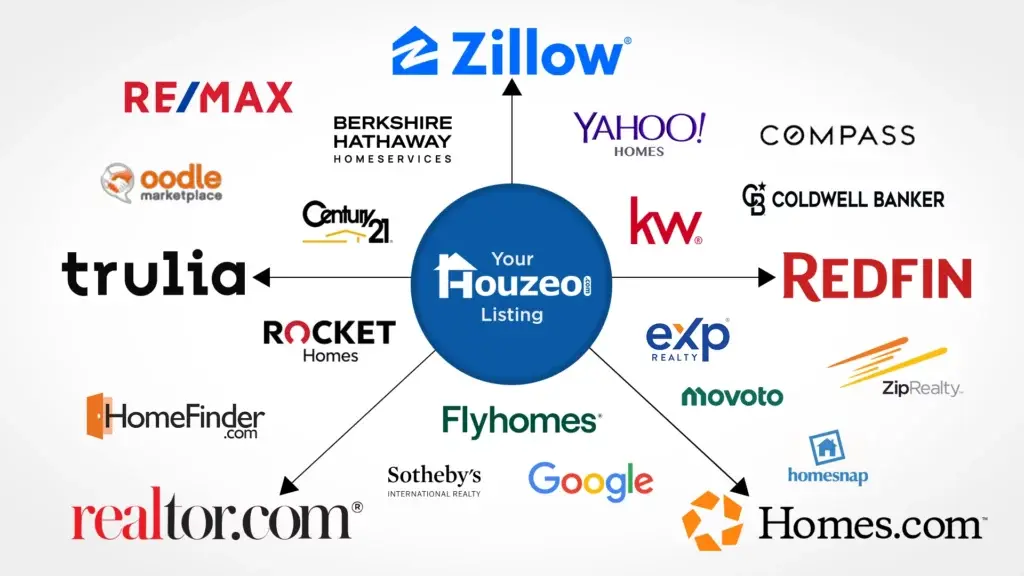
- Flat Fee MLS – $249: If you want to sell your home yourself, you can list on MLS in Florida for a flat fee. Houzeo is recognized as the best Flat Fee MLS service in Florida, getting your home on the MLS for just $249.
- Discount Real Estate Brokers: These brokers charge a lower fee than traditional agents, and offer services like contract reviews and negotiation assistance. Discount real estate brokers in Florida charge between 0.5% and 2% as commission.
- Cash Buyers: They help you sell your home fast for cash. With cash buyers, you can get competitive all-cash offers and close on your terms.
- For Sale By Owner: You can sell your home FSBO without hiring an agent. This gives you full control over the process and helps you save thousands on agent commissions. To maximize your reach, consider listing on the top FSBO sites in Florida for greater visibility.
Here is a comparison to help you make the best choice.
| Parameters | Full-Service Agent | Cash Buyers | For Sale By Owner | Discount Real Estate Brokers | Flat Fee MLS Services |
| MLS Listing Cost | 2.5% to 3% | No MLS listing | No MLS listing | 1% to 1.5% | $249 to $399 |
| Avg. Days on Market | 60 days | 4 days | 90+ days | 80 days | 60 days |
| Pros | Full service | Instant cash | Full control | Reduced fees | Maximum savings |
| Cons | Highest cost, less control | 15% to 30% below market value, no negotiation possible | No MLS exposure, low-ball offers | Inconsistent services, limited assistance | Handle showings and negotiations |
Step 4: Price Your Home Competitively
Inaccurate pricing forces properties to stay longer on the market. In fact, in Jan 2025, 21.7% of homes in Florida sold with price drops. But, worry not! Here’s how to price your home right:
- Check Florida Housing Market Trends: Overpricing will leave your home sitting on the market longer than a snowbird overstaying winter in Boca Raton. Review the latest trends of Florida home prices to set a competitive listing price that aligns with market conditions.
- Use Online Home Valuation Tools: Price your home high, and it spends more days on market. Price too low, and you’re at a loss. Use a free home value estimator to calculate your home’s Fair Market Value.
- Get a CMA: A Comparative Market Analysis helps you understand your home’s worth based on its features and location. With your listing agent’s guidance, you can then quote the right price.
Step 5: Handle Showings and Manage Offers
Once your listing is active, buyers searching for Florida houses for sale will submit showing requests. Here’s what you should do next:
- Actively Manage Showings: Promptly accept and confirm any showing requests. Remember to create a good impression. Don’t cancel scheduled showings at the last moment, communicate clearly about clashes, and be a pleasant host.
- Host an Open House: Even a luxuriously-staged home can get lost like shells in the sands of Clearwater Beach. Consult your agent and announce an open house to attract buyers.
- Review and Counter Offers: If you only get one offer, you might have to reduce your asking price. But if many buyers show interest in your home, you can either negotiate or choose the highest and best offer.
➡️ Remember: Selling a house in Florida is like fishing at the Gulf Coast—you need patience, the right bait, and a bit of luck!
Step 6: Ensure Your Home Is Inspection-Ready
Usually, buyers will schedule a home inspection to check for any issues, while the lender orders a home appraisal to figure out the market value. So, fix up any small repairs ahead of time—no one likes nasty surprises!
Being ready for both keeps things smooth and your home’s value strong. It’s all about making sure the buyer feels good and the lender feels confident, so your sale stays on track.
👉 All Set to Sell Your Home? List on the MLS Now!
Step 7: Prepare for Closing Day
Closing day can be emotional, but don’t overlook the formalities. Just follow these final steps and you’ll be good to go:
- Gather All Documents: Before you sell a house in Florida, keep the paperwork for selling a house by owner ready. This includes the affidavit of title, deed, purchase agreement, tax records, settlement statement, 1099-S tax form, etc.
- Prepare to Move Out: Pack up your belongings and get ready to bid your home goodbye.
- Transfer Ownership: Sign the escrow and title documents to transfer ownership. Once done, you’ll receive the funds and the buyer’s name gets registered in public record.
- Closing Costs: The cost of selling a house in Florida includes taxes on selling a house, like Transfer Tax and Property Tax (each around 1-3%). Closing costs for sellers in Florida also consist of HOA, real estate attorney, and home warranty fees.


Planning to Relocate Within Florida? Here are some of the best places to live in Florida based on home prices, rent, safety score, and more to find your dream location.
What Do You Have to Disclose When Selling a House in Florida?
Below are some Florida seller disclosures required when selling a home in Florida:
1. Material Defects: Disclose all critical flaws affecting the property’s structure and components, including appliances, heating/cooling systems, pools, and drainage. This also includes past and present issues such as flooding, water damage, and any previous repairs.
2. Code Violations: Report all unresolved code violations related to construction, zoning, HOA rules, or unpermitted improvements. Disclose any restrictions on property use, unresolved boundary disputes, or government claims against the property.
3. Environmental Hazards: Disclose the presence or history of hazardous substances including asbestos, mold, lead paint, radon, and flooding. Include the property’s location within flood zones and any prior flood insurance claims as required by law.
4. Federal Disclosure Requirements: Comply with federal regulations including mandatory lead paint disclosures for homes built before 1978 and other environmental risk notifications.
What Paperwork Do I Need When Selling a Home in Florida
When selling your house in Florida, the transaction involves assembling a variety of required documents for legality, transparency, and a smooth closing process.
- Title and Ownership Documents: These documents establish your legal ownership and ensure you can transfer a clear title to the buyer. They include your property deed proving ownership rights, a title search to confirm no liens or claims exist, and a mortgage payoff statement showing the exact balance due at closing.
- Seller Disclosure Documents: The Florida Seller’s Property Disclosure form protect you from future liability by documenting all known property conditions and restrictions. They include disclosures about property defects, lead paint hazards for older homes, and HOA rules that will affect the new owner.
- Sales Contract and Agreements: These binding legal documents formalize the transaction between you and the buyer. They outline the purchase terms, price, conditions, and include proof of the buyer’s financial commitment to complete the sale.
- Property Information Records: You’ll have to provide essential details about your property’s boundaries, taxes, and operating costs. They help buyers understand the property’s physical layout, financial obligations, and average utility expenses they’ll inherit.
- Inspection and Maintenance Documents: These records demonstrate your property’s condition and care history. They include professional inspection reports, proof of repairs and improvements, and official permits showing all work was completed legally and properly.
- Closing Documents: These final papers complete the legal transfer of ownership and settle all financial aspects of the sale. They detail all transaction costs, transfer personal property, and confirm your tax status to finalize the deal.
What Are Some Common Mistakes People Make While Selling a House?
- Overpricing the Property: If you set an unrealistic asking price based on emotional attachment rather than market data, it’s like hosting an open house during a hurricane—no one’s showing up. Price your home right to attract serious buyers.
- Skipping Pre-Listing Inspections: Failing to identify and address issues before you list your home can result in surprises during buyer inspections, which can potentially derail deals or reduce sale prices.
- Providing Inaccurate Disclosures: Withholding known defects or providing misleading information can lead to legal liability, failed transactions, and post-sale lawsuits.
- Staging Home Poorly: Cluttered, personalized, or poorly maintained interiors make it difficult for buyers to envision themselves in the space.
- Limiting Market Exposure: A home on sale without strong marketing is like an airboat with no tourists—ready but empty. Relying solely on basic listings without professional photography or virtual tours reduces buyer interest and limits potential offers.
- Choosing the Wrong Agent: Hiring an inexperienced or uncommitted real estate agent can result in poor pricing strategy, weak marketing, and inadequate negotiation support.
How to Sell a House in Florida?
| City | Selling a House in Florida Near You |
| Jacksonville | How to Sell My House in Jacksonville |
| Miami | Process of Selling My Home in Miami |
| Tampa | How do I Sell My House in Tampa |
| Orlando | How Can I Sell My House in Orlando |
| Fort Lauderdale | How to Sell My Home Myself in Fort Lauderdale |
| West Palm Beach | Best Way to Sell My House in West Palm Beach |
| Sarasota | Best Way to Sell My Home in Sarasota |
| Pensacola | How to Sell Houses in Pensacola |
Quick Summary 📝
Whether you are in the heart of Miami or on the Gulf Coast, you need the right strategy about how to sell a house in the Sunshine State. To start, prepare your home for sale, and click photos. Then, decide how to list your home.
Remember to price your home after checking the local trends. When your listing is live, you start getting showing requests. The buyer will conduct your home’s inspection before you can finally close the deal.
Don’t forget—selling your home in Florida can be exciting, rewarding, and worth the planning, just like a day trip to Disneyland!
» Houzeo Reviews: Read what people have to say about Houzeo—Florida’s best home selling website.