


Want Georgia’s warm Southern lifestyle without Atlanta’s high prices? Don’t give up on the dream. You can afford a home in the Peach State if you know where to look.
Your perfect home could be a family-friendly house in Warner Robins or a starter home in Columbus. If you’re retiring, explore homes for sale in Albany, where you’ll find a low-cost, relaxed lifestyle with median home prices typically under $250,000.
After assessing hundreds of cities, we’ve ranked the 10 most affordable places to live in Georgia to help you find a home that fits your budget.
Houzeo is America’s best home buying and selling platform.
For Home Sellers: List your home for a Flat Fee, and save 2.5% to 5.5% on the listing agent commission! That’s thousands of dollars extra in your pocket.
For Home Buyers: Houzeo has the most number of houses for sale in Georgia. Start your dream home search now!
Yes! You can list your home for sale or search millions of homes on the Houzeo mobile app!
Download now on the Apple App Store or the Google Play Store.


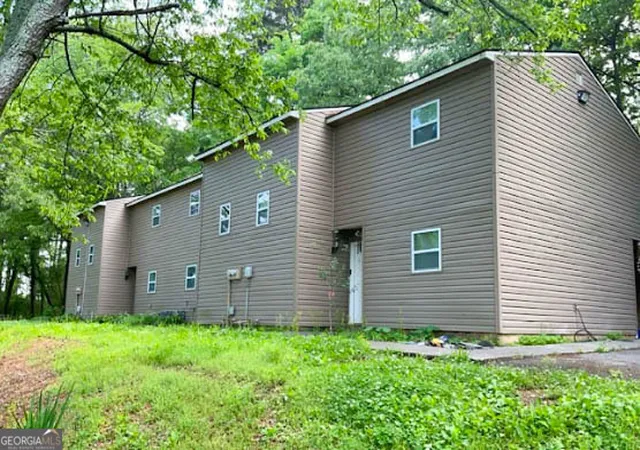

Key Takeaways
- Americus is the most affordable city: With a cost of living of about 10% lower than the national average and a median home price of around $52,000, it is one of the cheapest places to live in Georgia.
- Columbus is the best city for young professionals: Georgia’s fastest-growing job markets are boosted by healthcare, manufacturing, and Fort Moore. Columbus offers strong career opportunities and affordable rents.
- For families, Valdosta is a great choice: With solid public schools, safe suburban neighborhoods, and low child-rearing costs in the state, Valdosta is a budget-friendly pick for families.
- Retirees should consider Albany: With quiet neighborhoods, mild weather, and home prices typically under $170,000, Albany offers one of Georgia’s best affordability profiles for retirees.
- Watch out for Georgia’s storm-related insurance costs: Georgia faces elevated risks from severe thunderstorms and tornadoes, which can push homeowners’ insurance premiums above $1,800 per year. These costs can still increase your long-term housing budget.
10 Cheapest Places to Live in Georgia in 2026
| City | Median Home Value | Median House Rent | Cost of Living Compared to State Average | Affordability Score (out of 10) |
|---|---|---|---|---|
| 1. Americus | $52,000 | $875 | 17% lower ⬇️ | 8.6 |
| 2. Albany | $199,000 | $880 | 26% lower ⬇️ | 8.6 |
| 3. Macon | $199,950 | $1,155 | 17% lower ⬇️ | 8.0 |
| 4. Augusta | $215,000 | $1,229 | 19% lower ⬇️ | 7.8 |
| 5. Valdosta | $212,950 | $1,222 | 11% lower ⬇️ | 7.6 |
| 6. Warner Robins | $218,000 | $1,217 | 10% lower ⬇️ | 7.5 |
| 7. Columbus | $236,000 | $1,228 | 13% lower ⬇️ | 7.4 |
| 8. Dalton | $255,000 | $1,245 | 4% lower ⬇️ | 6.9 |
| 9. Athens | $355,000 | $1,166 | 10% lower ⬇️ | 6.0 |
| 10. Savannah | $369,990 | $1,755 | 9% lower ⬇️ | 4.9 |
How We Ranked the Most Affordable Places to Live in Georgia
To identify the cheapest places to live in Georgia, we carried out an in-depth analysis using multiple reliable data sources and indicators of affordability.
Data Sources:
- Median Home Prices:
We used Houzeo’s Georgia Housing Market report and verified the numbers with available data from the University of Georgia’s Center for Housing and Community Research (CHCR), the state’s most relevant housing research institution. - Median Rent:
We pulled rent data from C2ER, which publishes the national Cost of Living Index, and verified trends every few months for accuracy. - Overall Cost of Living:
We analyzed six major spending categories—housing, groceries, utilities, transportation, healthcare, and miscellaneous goods—using C2ER. Each city’s score was then compared to the U.S. average of 100.
We studied housing data from 2022 to 2025 to highlight cities that stayed affordable consistently, not just during temporary price dips. Each city’s affordability indicators were also cross-checked with HUD and Georgia state economic reports.
All our information is up to date as of 2025, ensuring you receive the most current insights.
Affordability Scoring:
We built a simple scoring system that focuses on what really matters:
- Median Home Price (40%)
- Median Rent (35%)
- Cost of Living (25%)
This allowed us to clearly show which Georgia cities give you the best value for your money. You can also check out our score breakdown to see exactly how each city ranked.
Image credits: All blog images are sourced from Freepik.
10 Most Affordable Places to Live in Georgia
Americus
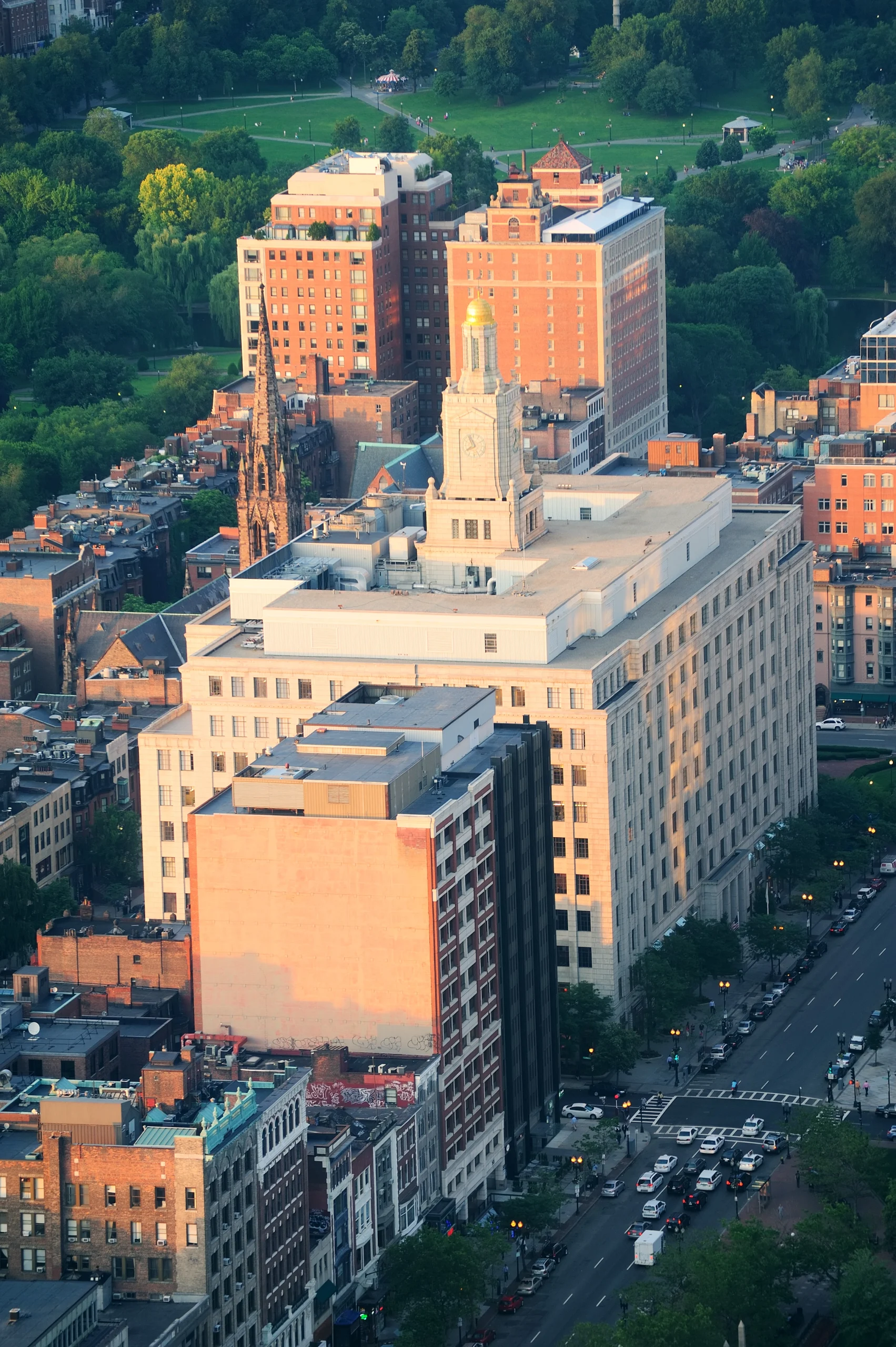
Americus is a small city with a rich history and strong Southern charm. It offers very affordable homes for sale in Americus, attracting first-time buyers and those looking for a community-focused lifestyle. The city is located in Sumter County and is known for its well-preserved Victorian architecture and historic downtown.
- Walnut Avenue: A residential area with modest, well-maintained homes near parks and schools, serving 3,630 students. Ideal for families. Nearby parks include Rees Park at 415 Elm Ave with walking paths, picnic areas, and playgrounds for family outings.
- Southside: Provides affordable single-family homes on quiet, family-friendly streets near Furlow Charter School. Parks like Joyce Myers and jobs at Phoebe Sumter Medical Center/Georgia Southwestern University nearby.
- Downtown Americus: Offers historic homes walkable to Little Brother’s Bistro, Rosemary & Thyme, and Rylander Theatre events. Popular with those who appreciate small-town charm and culture.
- Job Market: Americus has a small but steady job market supported by education, manufacturing, and healthcare. Major employers include Georgia Southwestern State University, Phoebe Sumter Medical Center, and Habitat for Humanity International’s global headquarters.
- Recreation: Residents enjoy local attractions like the Wolf Creek Golf Course, Rylander Theatre, and Rees Park. For outdoor activities, nearby Lake Blackshear offers boating and fishing, while the city’s historic downtown provides dining, museums, and seasonal community events.
- High Poverty Rate: Americus reports a 28.74% poverty rate, among Georgia’s highest, impacting economic stability with median household income at $39,527.
- Limited Job Diversity: Outside education and healthcare, higher-paying roles are limited, leading some residents to commute for work.
- Weather Risks: The region faces periodic severe storms and tornado activity, which may impact insurance costs and property maintenance.
Albany
Albany is a city with rich history and cultural significance in Southwest Georgia. It offers affordable housing and a strong community atmosphere, appealing to families. It is also a hub for healthcare, education, and manufacturing, balancing industrial roots with growing service sectors.
- Doublegate: A quiet, family-friendly neighborhood in Albany, Doublegate offers affordable homes and easy access to schools like Lake Park Elementary School, Robert A. Cross Middle, and Westover Comprehensive High School, and local amenities.
- Lake Park: Known for its scenic surroundings and community feel, Lake Park provides budget-friendly housing and convenient access to shopping and recreational areas like Buckingham Lake Park trail.
- Rawson Circle Historic District: A charming, historic neighborhood with well-preserved homes, Rawson Circle combines small-town character with proximity to downtown Albany’s RiverFront Park trails, Flint RiverQuarium.
- Job Market: Albany’s economy is anchored by manufacturing, logistics, and healthcare. Major employers include Phoebe Putney Memorial Hospital, Procter & Gamble, Molson Coors, and the Marine Corps Logistics Base, which provides steady federal employment.
- Recreation: Outdoor lovers enjoy the Flint Riverwalk, Chehaw Park & Zoo, and the RiverFront Park trails. The city also features the Albany Museum of Art, historic theatre venues, and regular community events along the riverfront, offering a mix of nature and culture within a compact area.
- Crime Concerns: The overall crime rate is about 33 incidents per 1,000 residents, which is higher than most cities in the state. Violent crime is significant, with offenses like aggravated assault and robbery notably above average. Researching neighborhoods is important.
- Economic Struggles: The city faces slower economic growth, and some areas show signs of long-term disinvestment.
- Flooding Risk: Proximity to the Flint River means certain neighborhoods are prone to flooding during heavy rain seasons, affecting insurance and maintenance costs.
Macon
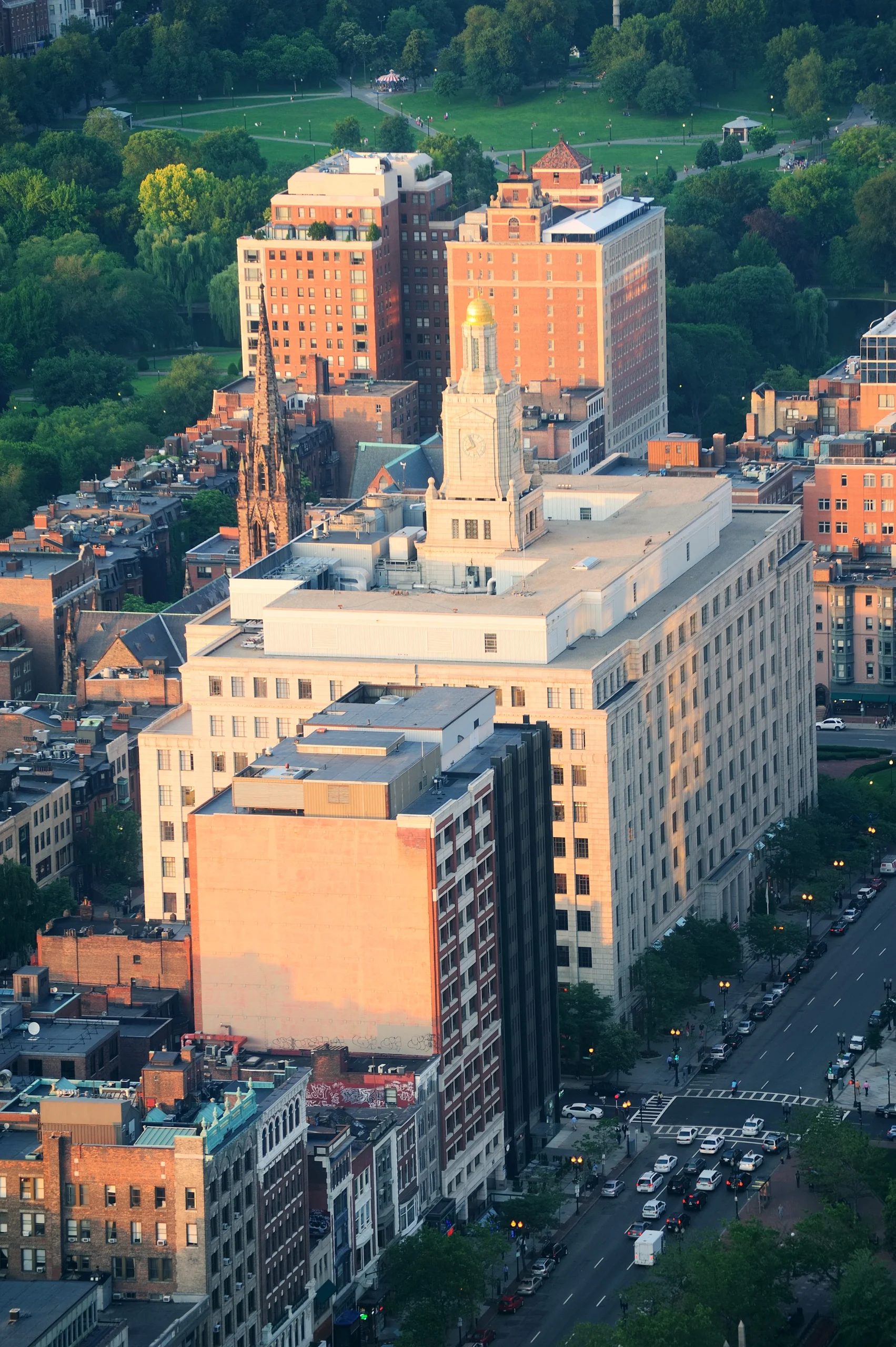
Macon blends deep Southern history with very affordable housing, making it a top pick for people searching for homes for sale in Macon who want low-cost living and cultural character. It’s a strong option for buyers seeking value and a sense of community heritage.
- Ingleside: A quiet residential area in Macon. It has an active neighborhood watch and security cameras, contributing to its reputation as one of Macon’s safer areas. The walkable community fosters neighbor connections, helping to deter crime.
- North Macon: Known for its convenient location and community feel, North Macon provides budget-friendly housing and easy access to shopping and local amenities.Amenities include quick I-75 access to Tom Hill Sr Blvd shopping.
- Vineville: A historic neighborhood with charming homes, Vineville combines small-town character with proximity to downtown Macon. Walkable to Allman Brothers Band Museum (2321 Vineville Ave), Ocmulgee Mounds Park.
- Aging Infrastructure: Certain neighborhoods in Macon have older roads and utilities that may require upgrades, and some areas are prone to occasional flooding.
- Limited Nightlife and Shopping: While the city has cultural attractions and local events, options for upscale dining, nightlife, and shopping are limited.
- Need for a Vehicle: Public transportation is minimal, so owning a car is necessary for commuting and daily errands.
Augusta
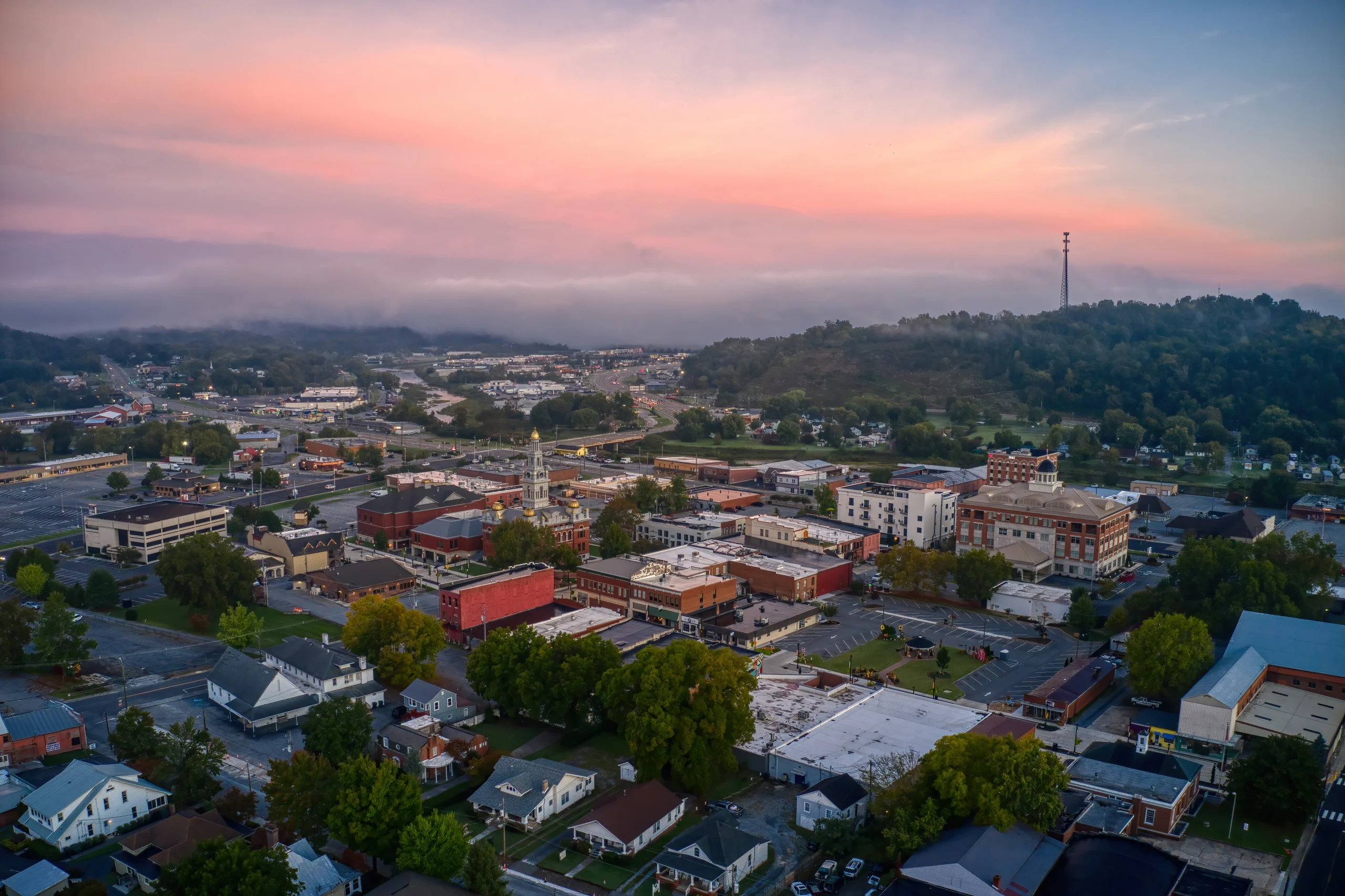
Augusta is one of Georgia’s most affordable mid-sized cities, recognized for its prominent healthcare sector, riverside views, and suburban neighborhoods. Homes for sale in Augusta are priced well below the state average, making it a strong option for buyers seeking value and access to robust employment centers.
- Summerville: A family-friendly neighborhood in Augusta, Summerville offers affordable homes, nearby schools, and easy access to parks and local amenities. It features the Summerville Historic District with tree-lined streets like Wheeler Rd and Royal St. Parks include nearby Summerville Park with playgrounds and walking paths.
- Evans: Known for its suburban charm and well-kept streets, Evans provides budget-friendly housing with convenient access to shopping, schools, and recreational areas. The shopping hubs include Evans Towne Center and Riverwood Plaza, which offer grocery stores, restaurants, and entertainment.
- Forest Hills: A quiet, established neighborhood, Forest Hills features affordable homes and a welcoming community, making it ideal for families and first-time buyers.It has close proximity to Forest Hills Park and Creekside Community Center for outdoor activities.
- Job Market: Augusta has a diverse job market with major employers like Augusta University, Medical College of Georgia, Augusta University Health, and Fort Gordon. The city also benefits from growing industries in healthcare, education, and manufacturing.
- Recreation: Residents enjoy parks, golf courses, walking trails, and cultural attractions like the Augusta Museum of History and annual events including the Masters Tournament, offering plenty of ways to stay active and engaged.
- Limited Public Transit: Augusta Transit offers fixed routes Monday-Friday 8 AM-5 PM ($1.25 fare) from Broad Street Transfer Facility, but minimal coverage in Summerville/Evans/Forest Hills suburbs requires cars for errands/schools like Monte Sano Elementary.
- Higher Property Taxes in Certain Areas: Some parts of Augusta have higher property taxes, which can increase overall living costs.
- Flood-Prone Zones: Low-lying areas near rivers and creeks can be susceptible to flooding during heavy rains. Phinizy Swamp (Summerville edges) and Butler Creek (Forest Hills) flood in heavy rains (FEMA Zone AE) require NFI insurance $850+/year beyond standard policies.
Valdosta

Valdosta stands out as one of South Georgia’s most affordable cities, combining a small-city atmosphere with strong access to schools, parks, and regional employers. It has low home prices and moderate rent. Home buyers can expect moderate prices, local services, and access to amenities tied to the university community.
- Cherry Creek Hills: A quiet, family-friendly neighborhood with affordable single-family homes. It provides easy access to Valdosta High School and Pinevale Middle School and features nearby parks like Freedom Park with sports fields and playgrounds.
- Kinderlou Forest: Kinderlou Forest has well-kept streets and a suburban feel. It offers budget-friendly housing close to shopping centers such as Valdosta Mall and recreational options like Kinderlou Forest Golf Club.
- Northlake: Northlake is a peaceful neighborhood blending older and newer homes. It offers small-town charm with convenient access to local amenities like shopping at Furlow Plaza and nearby Gracewood Park, ideal for families and first-time buyers.
- Job Market: Valdosta has a steady job market with major employers like South Georgia Medical Center, Valdosta State University, and local manufacturing and retail businesses.
- Recreation: Residents enjoy parks, walking trails, sports complexes, and community events. The city also offers family-friendly attractions and local festivals celebrating its culture and community spirit.
- Car Dependency: Public transportation is minimal, so owning a vehicle is necessary for commuting and errands.
- Flood-Prone Areas: Certain low-lying parts of Valdosta like Cherry Creek Hills edges near Little River and Kinderlou Forest creek experience floods in heavy rains (FEMA Zone A).
- Traffic Congestion: Areas near schools and major employers can see heavy traffic during peak hours.N St Augustine Rd near Valdosta State University/South Georgia Medical Center face 5-10 min delays, affecting Cherry Creek/Northlake school drop-offs.
Warner Robins
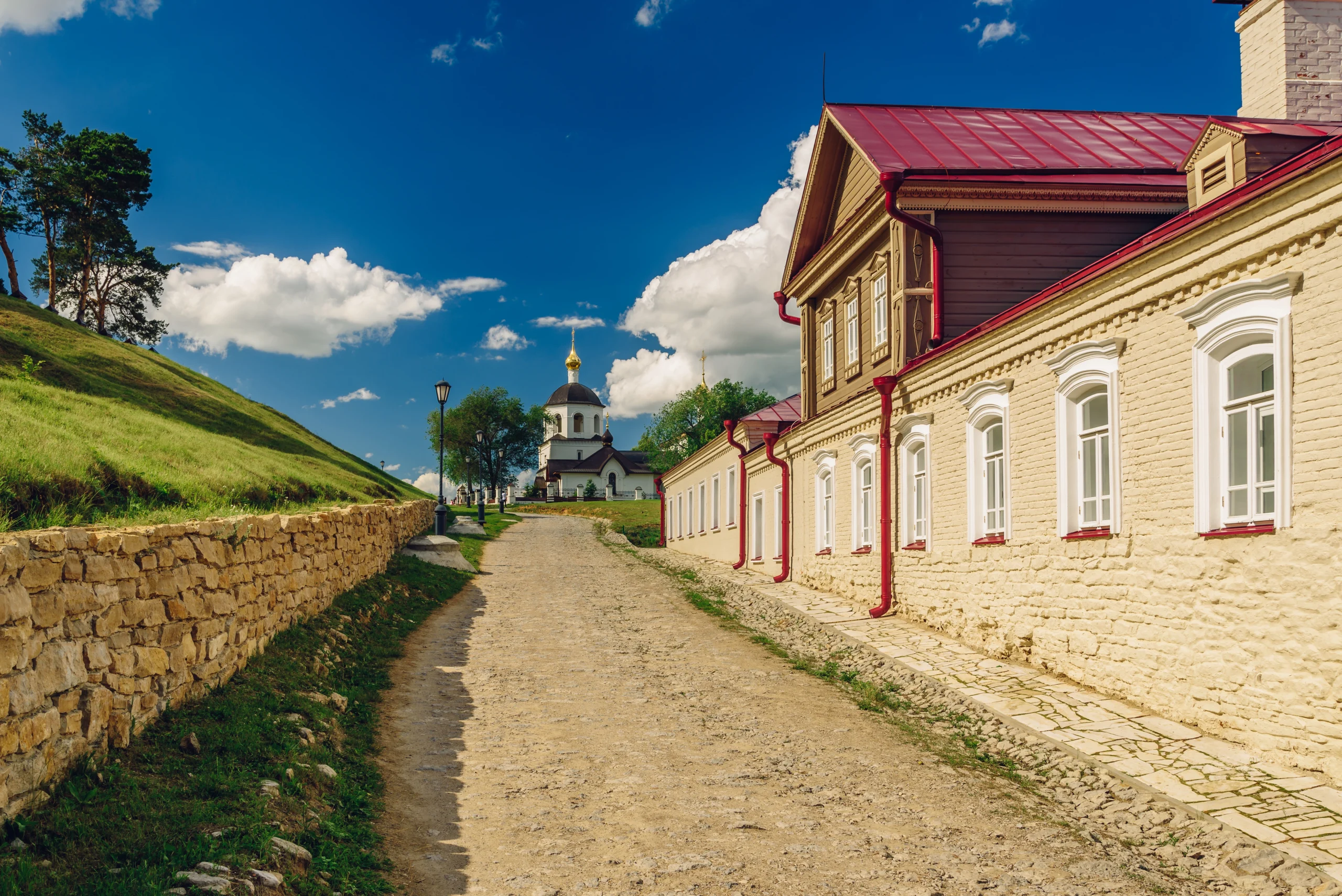
Warner Robins is a fast-growing, affordable city largely driven by its strong military presence via Robins Air Force Base. The housing market offers significantly lower costs than the state average, attracting families and military personnel. The city combines newer developments and budget-friendly single-family homes.
- Statham’s Landing: A quiet, family-friendly neighborhood centered around The Landings Golf Club, featuring a renovated clubhouse, 27-hole golf course, swimming pool, and tennis courts. It is located east of Hwy 247 on Old Hawkinsville Road, approximately 5 minutes from Robins Air Force Base.
- The Tiffany: Known for its well-kept streets and welcoming community, The Tiffany provides budget-friendly housing and a convenient location near shopping and local amenities.
- Bonaire: A suburban area with a small-town feel, Bonaire features affordable homes, friendly neighbors, and proximity to parks and schoolsI.t is known for good schools, including Bonaire Elementary, within a short drive.
- Job Market: Warner Robins has a strong job market, with major employers like Robins Air Force Base, Houston Healthcare, and local schools. The city also benefits from growing industries that provide steady employment opportunities.
- Recreation: Residents enjoy parks, sports complexes, walking trails, and regular community events, offering plenty of options for outdoor and family-friendly activities.
- Aging Neighborhoods: Older Warner Robins neighborhoods like parts of Statham’s Landing feature 1990s-2000s homes with cracked sidewalks, potholed roads (e.g., Old Hawkinsville Rd), and poor drainage causing ponding during rains, per city maintenance reports.
- Limited Public Transit:Southern/suburban areas (Statham’s Landing, Bonaire) lack local buses; only Greyhound at 502 N Davis Dr serves intercity, forcing car reliance for Robins AFB commutes (5-10 min drive).
- Sparse Evening Entertainment: Downtown Warner Robins offers limited spots like Hooters, The Huddle House. There are no vibrant bars/clubs there, only family dining at Perkins or Waffle House.
Columbus

Columbus is one of Georgia’s most affordable large cities, recognized for its strong military and healthcare job markets and a vibrant downtown along the Chattahoochee River. It offers buyers a mix of historic neighborhoods and suburban communities with easy access to employers and recreational options.
- Green Island Hills: It is a quiet, family-friendly neighborhood with affordable homes near Veteran Memorial Elementary and Britt David Magnet School. Parks like Oxbow Creek Park and Macon Road Park provide playgrounds and walking trails.
- MidTown: Offers walkable streets with historic homes near downtown Columbus. It features access to the Columbus Riverwalk, shops and restaurants along Front Avenue, and cultural attractions like the Springer Opera House within a short drive
- Bibb City: A historic district with well-preserved homes, Bibb City combines small-town character with convenient access to Columbus’ schools, parks, and community events, making it ideal for families and first-time buyers.
- Job Market: Columbus has a diverse job market with major employers like Fort Benning, Synovus, and Piedmont Columbus Regional. The city also benefits from growing healthcare, education, and manufacturing sectors.
- Recreation: Residents enjoy parks, walking trails, sports complexes, and cultural attractions like the National Infantry Museum and RiverCenter for the Performing Arts. Local festivals and community events celebrate the city’s history and vibrant culture.
- Industrial Zones Nearby: Some neighborhoods are close to manufacturing or logistics areas, like the Bibb Industrial Park, which can mean noise or truck traffic.
- Limited Evening Entertainment: Outside downtown, nightlife and cultural activities are sparse.Green Island Hills/Bibb City post-10 PM options limited to Waffle House (13th St) or McDonald’s.
- School District Variability: While some areas have strong schools, others, like MidTown may have lower-rated schools, affecting families’ choices.
Dalton
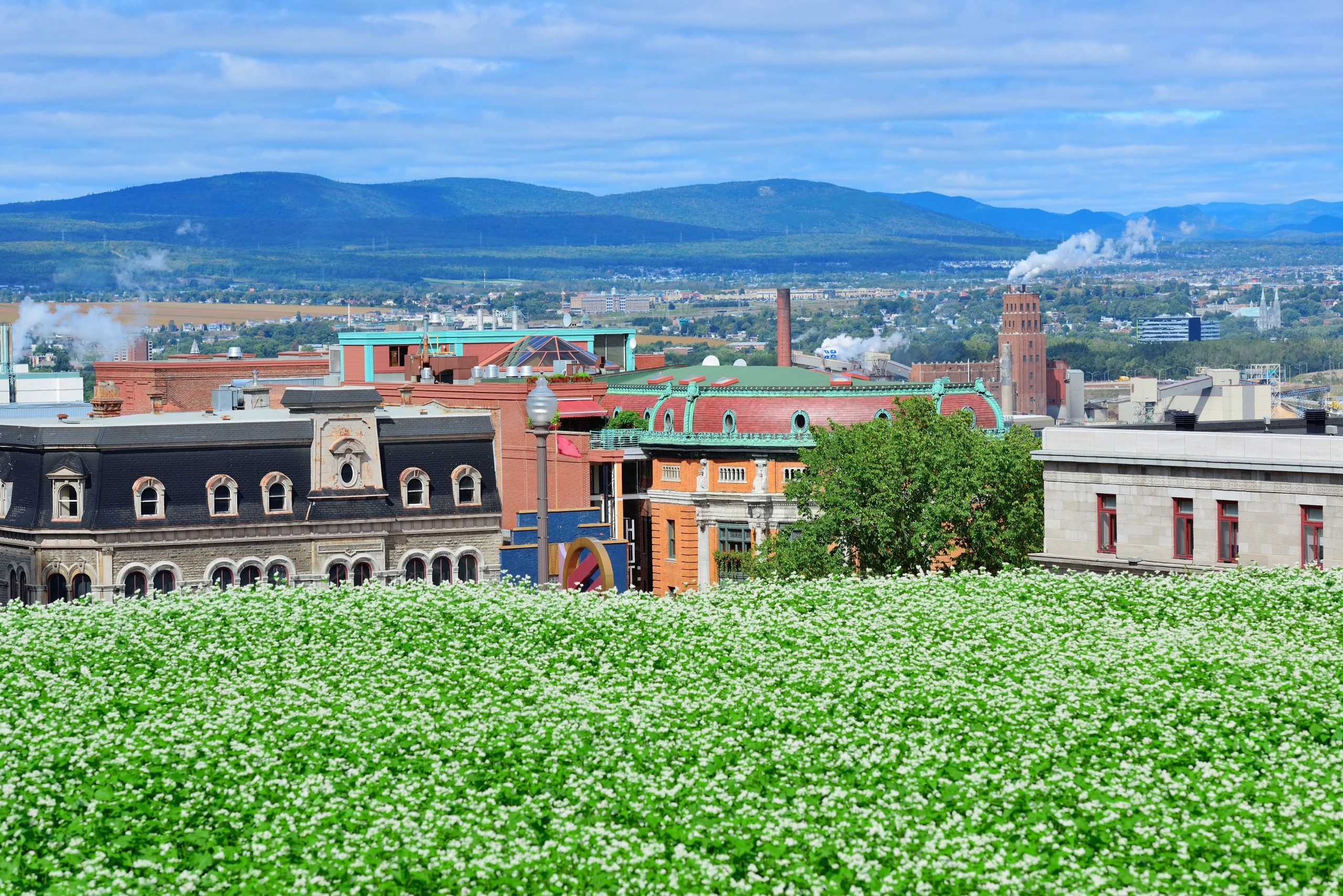
Dalton is known as the “Carpet Capital of the World” with a stable, manufacturing-driven economy. Prices for homes for sale in Dalton remain below the state average. The city offers a tight-knit community atmosphere with a mix of established neighborhoods and suburban areas near local employers.
- Downtown Dalton: The heart of Dalton, this area features charming architecture, local shops, and easy access to community events. It’s ideal for those who enjoy a walkable, small-city lifestyle.
- Cohutta: A quiet, rural neighborhood near Dalton, Cohutta offers affordable homes and a peaceful atmosphere. It’s perfect for families and retirees seeking a slower pace of life.
- Varnell: A residential area with a mix of newer and established homes, Varnell provides affordable housing, parks, and schools, making it suitable for first-time buyers and growing families.
- Job Market: Dalton has a diverse job market with major employers like Shaw Industries, Mohawk Industries, and North Georgia Health System. The city’s strong manufacturing and logistics sectors provide steady employment opportunities.
- Recreation: Residents enjoy local parks, walking trails, and outdoor activities. The city also hosts community events and festivals celebrating Dalton’s culture and small-town charm.
- Industry Concentration: Heavy reliance on carpet manufacturing limits job diversity and economic resilience.
- Limited Entertainment Options: Nightlife and recreation are modest compared to larger Georgia cities.
- Car Dependency: Public transit options are sparse, making owning a vehicle essential.
Athens

Athens is a vibrant college town known for its rich musical, arts, and academic culture. While housing costs are higher, homes for sale still offer solid value. The city’s youthful spirit, walkable neighborhoods, and cultural amenities appeal to students, faculty, and creative professionals.
- Five Points: A vibrant neighborhood in Athens blending historic charm with walkable streets and affordability. It offers close access to the University of Georgia and hosts local shops like independent bookstores, artisanal bakeries, and coffee cafes.
- Normaltown: Known for its eclectic vibe with murals, music venues, and walkable streets. Budget-friendly homes are near parks such as Normaltown Park and nearby eateries like The Grit restaurant, popular for Southern food.
- Boulevard: It presents a quieter, historic area with craftsman-style homes and a strong creative community. Local attractions include the Georgia Museum of Art and independent galleries. It suits first-time buyers and small families seeking tranquility near downtown.
- Job Market: Athens has a diverse job market with major employers like the University of Georgia, Piedmont Athens Regional Medical Center, and local tech and retail businesses. Education, healthcare, and research sectors provide steady employment opportunities.
- Recreation: Residents enjoy parks, walking trails, music venues, and cultural events. The city also hosts annual festivals and offers a lively arts and college-town atmosphere.
- Traffic Congestion: Streets Streets like College Station Rd, Lumpkin St, and South Milledge Ave can get very crowded, especially during football season and peak hours.
- Limited Public Transit: While Athens has a bus system, many sparse routes (e.g., Route 14 Lumpkin limited to Five Points) require a car for commuting and errands.
- Student Population Noise: Areas near the university can be noisy due to student housing and nightlife.
Savannah
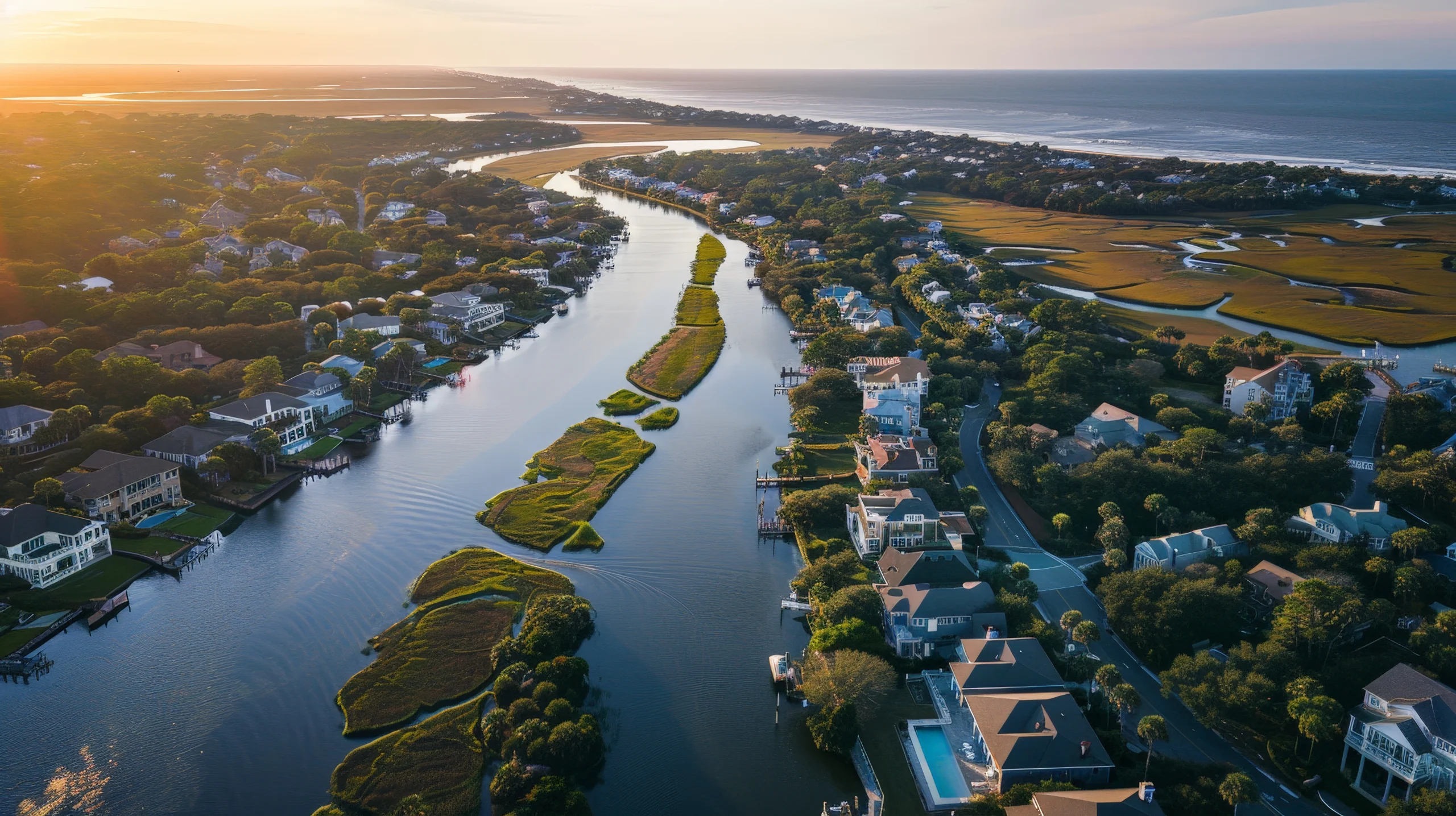
Savannah offers a unique blend of historic charm and coastal living, making it a popular choice for families, students, and professionals seeking a vibrant cultural scene. While median home prices are higher, the city provides a distinctive lifestyle with well-preserved architecture and numerous recreational opportunities.
- Ardsley Park-Chatham Crescent: A historic, tree-lined neighborhood in Savannah, Ardsley Park-Chatham. Walkable to Skidaway Rd shops/cafes, Blessed Sacrament Catholic Church (1950), First Presbyterian (1956); families bike to nearby schools like Hancock Day School..
- Starland District: Known for its artsy vibe and walkable street, Starland District provides affordable housing, galleries like the Starland Yard art collective and eateries such as Fox & Fig Bakery, ideal for young professionals and families.
- Isle of Hope: A scenic waterfront community, Isle of Hope features beautiful homes, a peaceful atmosphere via Hope Lutheran Church events, and access to parks and marinas, perfect for families and retirees seeking tranquility.
- Job Market: Savannah has a strong job market supported by major employers like the Port of Savannah, Gulfstream Aerospace, and St. Joseph’s/Candler Health System. The city’s growing tourism, logistics, and manufacturing industries also provide steady employment opportunities.
- Recreation: Residents enjoy scenic parks, riverfront walks, beaches, and historic districts. Savannah also hosts art festivals, food events, and cultural celebrations that reflect its rich Southern heritage and coastal charm.
- Tourist Crowds: Popular areas like downtown and River Street can get crowded year-round, especially during g during St. Patrick’s Day (500k attendees), SCAD Savannah Film Festival.
- High Humidity and Heat: Summers are long, hot, and humid, which can be uncomfortable for some residents.
- Flooding Risk: Low-lying neighborhoods such as Isle of Hope (Skidaway River FEMA Zone AE) and Ardsley Parkface occasional flooding during heavy rains or hurricanes.
Americus (safety score of 90) and Albany (safety score of 85) are two of the cheapest and safest cities in Georgia. They offer low crime rates, family-friendly neighborhoods, and a lively, welcoming lifestyle.
Top 3 Cheapest Cities to Live in Georgia for Young Adults
When looking for the least expensive city to live in Georgia, young adults want more than just cheap rent. They seek strong job markets, a fun lifestyle, and opportunities to thrive. These Georgia cities deliver all three, with affordable housing and growing employment options.
| Rank | City | Why It’s Great for Young Adults |
|---|---|---|
| 1 | Columbus | Columbus offers major employment through Fort Moore military base, healthcare, and manufacturing sectors. It has an active downtown scene and affordable homes, making it ideal for young professionals seeking both jobs and lifestyle. |
| 2 | Augusta | With its thriving healthcare, cybersecurity, and government jobs, plus riverside recreation and cultural events, Augusta provides strong career opportunities and affordable homes for sale in Augusta for young buyers. It is one of the cheap areas to live in Georgia |
| 3 | Statesboro | Statesboro combines affordable housing with Georgia Southern University’s vibrant college energy. The city’s healthcare and manufacturing sectors provide stable jobs, while football games and downtown festivals keep things lively for young adults. There are cheap options for homes for sale in Statesboro. |
Top 3 Inexpensive Places to Live in Georgia for Families
Georgia is a great state for families thanks to affordable housing, good schools, and family-friendly activities. These cities provide safe neighborhoods, educational support, and low living costs.
| Rank | City | Why It’s Great for Families |
|---|---|---|
| 1 | Warner Robins | Known for quality schools and amenities, plus proximity to Robins Air Force Base, with family-oriented parks and community events. With kid-friendly parks and budget-friendly homes for sale in Warner Robins, it’s one of Georgia’s best choices for family living. |
| 2 | Valdosta | Offers excellent schools, outdoor recreation areas, and affordable housing, making it easier for families to thrive. The city’s low cost of living and affordable homes for sale in Valdosta make it ideal for long-term stability. |
| 3 | Albany | Features good schools, lots of parks, and community activities that cater well to families on a budget. Albany offers affordable housing in Georgia. Its reasonably priced properties and utilities help parents stretch their budgets without sacrificing comfort. |
3 Best Affordable Places to Live in Georgia for Retirees
Georgia attracts retirees with its mild climate, affordable healthcare, and welcoming communities. These cities have active senior centers, good medical facilities, and plenty of opportunities for outdoor activities.
| Rank | City | Why It’s Great for Retirees |
|---|---|---|
| 1 | Savannah | Savannah’s coastal charm, historic sites, and senior-friendly community programs create a relaxing retirement environment with access to quality healthcare. Affordable homes for sale in Savannah make it a great pick for culture, safety, and steady growth. |
| 2 | Athens | While slightly pricier, Athens offers cultural amenities, medical services through the University of Georgia, and a walkable downtown ideal for active retirees. With plenty of homes for sale in Athens, it’s perfect for seeking an active lifestyle at a lower cost. |
| 3 | Macon | Known for affordable housing and healthcare, plus easy access to parks and cultural events, Macon is a comfortable place for retirees to settle in. Budget-friendly homes for sale in Macon make it a solid choice for space, stability, and value. |
3 Hidden Costs to Consider in Georgia
Even in the cheapest Georgia cities to live in, home prices are only part of the total cost. Georgia doesn’t face major hurricane risks, but homeowners still deal with rising insurance premiums, high summer utility bills, and varying property tax rates across counties.
- Homeowners Insurance:
Most Georgia homeowners pay around $1,450–$1,900 per year, depending on the county. Coastal areas like Savannah typically pay more due to storm exposure, while inland cities like Macon and Columbus have lower premiums. - Flood Insurance:
Flooding is a concern in river-adjacent areas such as Augusta and Albany. Standard homeowners’ insurance won’t cover flood damage. NFIP and private flood policies in Georgia average $850–$1,500 per year, depending on elevation and flood-zone risk. - Property Taxes:
Georgia’s property tax rates range from 0.57% to 1.30% of assessed home value, depending on the county. Rural counties are often cheaper, while metro areas like Fulton and DeKalb tend to be higher.
Savings Breakdown: Cheapest Cities in Georgia to Live In
Housing costs vary dramatically across Georgia. Residents of Americus save $1,830 per month compared to Atlanta and $420 compared to Peachtree City. The table below breaks down these savings by median home price, monthly mortgage, property taxes, insurance, and total monthly costs.
| City | Median Home Price | Avg. Monthly Mortgage | Insurance/Taxes | Total Monthly Cost | Monthly Savings vs. Atlanta |
|---|---|---|---|---|---|
| Americus | $155,000 | $998 | $295 | $2,050 | $1,830 |
| Peachtree City | $650,000 | $3,468 | $525 | $4,300 | $420 |
| Atlanta | $460,000 | $2,456 | $560 | $4,720 | – |
Affordable Living Beyond Georgia
Not sure if the cheapest places to live in Georgia fit your budget? Here are a few nearby states that offer similar strong job markets, top-notch education, and a business-friendly economy.
Thriving Job Markets
North Carolina offers booming job hubs with 12 Fortune 500 companies like Bank of America, 257k openings (4.8% rate), and low living costs via Charlotte finance/Research Triangle tech. Explore the cheapest places to live in North Carolina to compare options.
- Greenville: Median home prices around $250,000, with rent from $1,000 and healthcare/logistics jobs.
- Fayetteville: Homes near $210,000, rent under $1,050, supported by defense/manufacturing.
- Winston-Salem: Homes around $280,000, rent from $1,200, known for biotech/healthcare.
Top-Notch Education
Tennessee provides elite universities like Vanderbilt/UT-Knoxville, the HOPE Scholarship (full tuition 3.0 GPA), and 21.5k yearly job gains, with a cost of living near the national average.
Explore the cheapest places to live in Tennessee to compare options.
- Morristown: Median home prices around $220,000 with affordable rent and the Smoky Mountains.
- Jackson: Homes near $175,000, rent under $1,100, strong manufacturing sector.
- Knoxville: Homes around $320,000, rent from $1,300, fueled by UT/healthcare.
Business-Friendly Economy
South Carolina features 5% corporate tax, $8.5k job credits, a 97.7% employment rate, and top growth via BMW/Boeing with mild climate/outdoor perks.
Browse the cheapest places to live in South Carolina for more options.
- Gadsden: Median home price around $150,000, low rent, lakes/mountain trails access.
- Dothan: Homes near $200,000, rent from $1,000, golf/parks/family living.
- Florence: Homes around $230,000, rent from $1,100, riverfront/arts culture.

Want to cast a wider net? Beyond Tennessee, North Carolina, and South Carolina, explore the cheapest places to live in the US where your dollar stretches even further.
Where Is the Cheapest Place to Live in Georgia?
Americus, Albany, and Macon are among the most affordable cities to live in Georgia. These areas offer more than just cheap houses for sale in Georgia. You’ll also find growing job markets, plenty of recreation, and a cost of living below the national average.
Moving to Georgia also offers competitive tax advantages, with property taxes averaging close to 0.90%, depending on the county. Whether you’re relocating or buying your first home, you can browse listings, compare prices, and make offers online.
Frequently Asked Questions
Where is the least expensive place to live in Georgia?
The cheapest city to live in Georgia is Americus. It offers affordable housing at a median sale price of 52K.
» 10 Cheapest Places to Live in Georgia: Discover the other least expensive places to live in Georgia.
Where is the best place to live in Georgia?
The best place to live in Georgia is Gainesville, followed by Columbus, Athens, Augusta, Alpharetta, and Johns Creek. These cities stand out for their thriving job markets, cultural diversity, quality schools, and access to beaches and entertainment.
What are the living expenses in Georgia?
The average cost to live in Georgia is 4% higher than the national average. However, healthcare and utilities are 2% and 4% cheaper respectively, than the national average.
Where are the cheap places to retire in Georgia?
Savannah, Athens and Macon are among the Cheap places to retire in Georgia on a budget. They offer affordable housing, small-town comfort, and easy access to medical care.
Which cities have the cheapest cost of living in Georgia?


