


Salem and Bend are some of the best places to live in Oregon in 2025. The state is adding jobs quickly—7,300 in early 2025 alone—driven by growth in healthcare and tech. And while the living cost is 17% above the national average, the no sales tax helps balance things out.
The Beaver State also offers strong healthcare access, with only 6% of residents uninsured. Add natural gems like Crater Lake and Cannon Beach, and it’s clear why more people are choosing to live here.
👉 Download the Houzeo mobile app and start your Oregon home search today.
Best Cities to Live in Oregon in 2026
Here’s our ranking of the best areas in Oregon to live. We’ve evaluated each city based on livability, affordability, and housing trends.
| # City | Median House Price | Median Income | Cost of Living | Liveability Score | Changes in Ranking |
|---|---|---|---|---|---|
| 1. Medford | $820K | $80K | 7.9% ⬆️ | 77 | ⬇️ 1 |
| 2. Bend | $697K | $106K | 12.2% ⬆️ | 84 | ⬆️ 4 |
| 3. Salem | $427K | $84K | 6.9% ⬆️ | 79 | ⬇️ 1 |
| 4. Corvallis | $475K | $101K | 8.7% ⬆️ | 81 | ⬆️ 2 |
| 5. Hillsboro | $492K | $110K | 25.1% ⬆️ | 88 | ⬆️ 3 |
| 6. Portland | $510K | $116K | 25.4% ⬆️ | 78 | ⬇️ 3 |
| 7. Eugene | $515K | $93K | 13.4% ⬆️ | 79 | ⬇️ 3 |
Best Places to Live in Oregon
Here’s our list of the great places to live in Oregon in 2025:
Medford
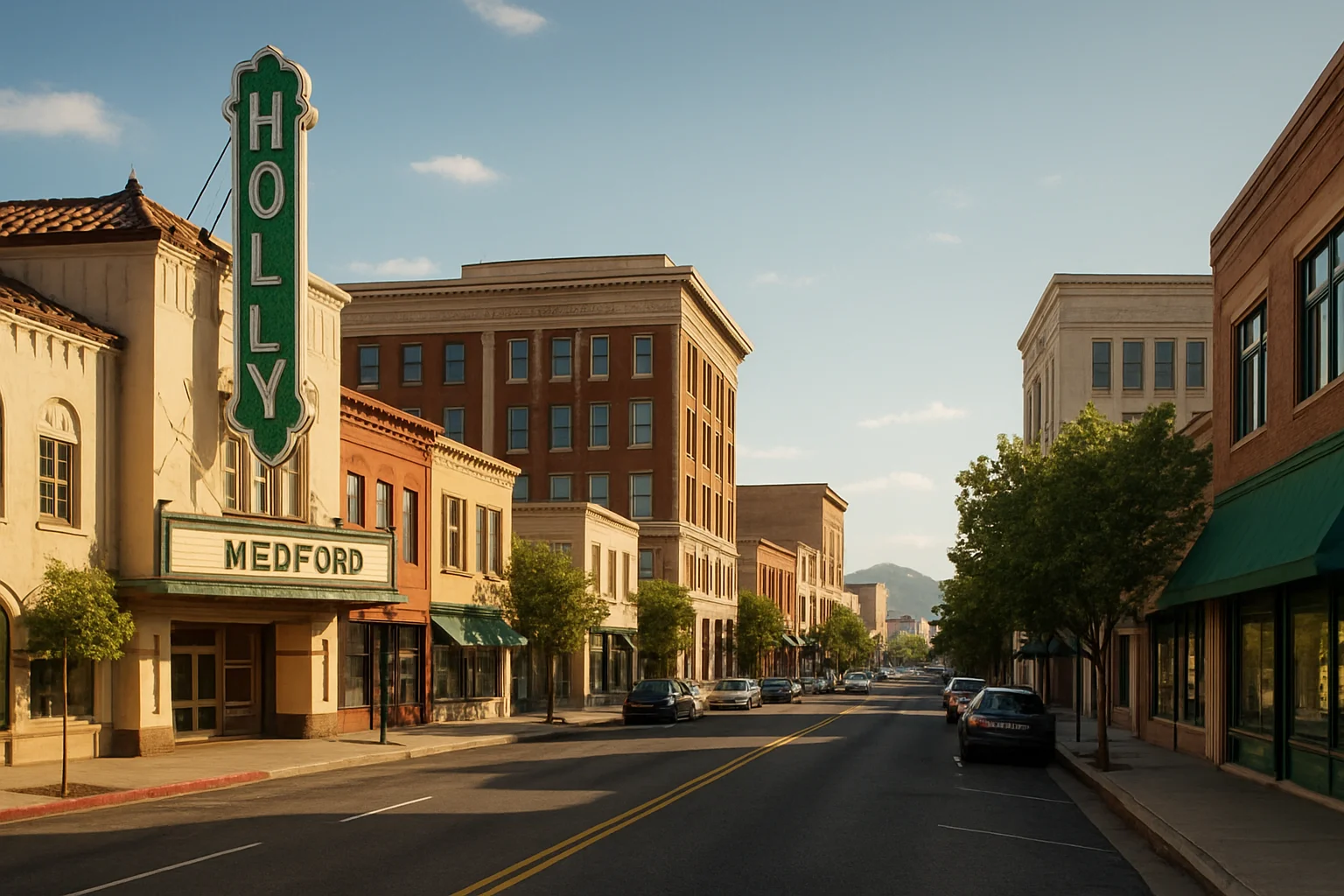
Nestled in the Rogue Valley, Medford is a blend of small-town charm and big-city amenities. The presence of senior living communities like Rogue Valley Manor and Bonaventure of Medford provides various care options, from independent to assisted living. This makes it the best place to live in Oregon for retirees.
- Cost of Living in Medford, OR: The cost of living is 7.9% higher than the national average. To live comfortably, a single person needs a minimum annual income of $38,400, while a family would need around $72,000.
- Housing: You can buy a 2-bedroom home in Medford for about $400,000. Meanwhile, renting a 2-bed home will cost between $1,275 and $2,295 per month.
- Job Market: The office and administration support sector accounts for 12.8% of local employment. Asante Rogue Regional Medical Center and Providence Medford Medical Center employ more than 2,000 residents in the healthcare sector, respectively.
- Outdoor Activities: Medford offers several outdoor activities, including hiking, fishing, and rafting in the beautiful Rogue River. The surrounding valley is perfect for mountain biking and camping, with easy access to Crater Lake National Park.
- High Crime Rate—43 per 1,000 residents: The city’s crime rate is a shocking 31.3% higher than the state average.
- Hot Summers: With temperatures surpassing 90°F, Medford’s climate can make you uncomfortable if you’re sensitive to heat.
- Limited Public Transportation: Medford has a bus system, but it’s limited in terms of routes and frequency. Owning a car seems like a necessity here!
Bend
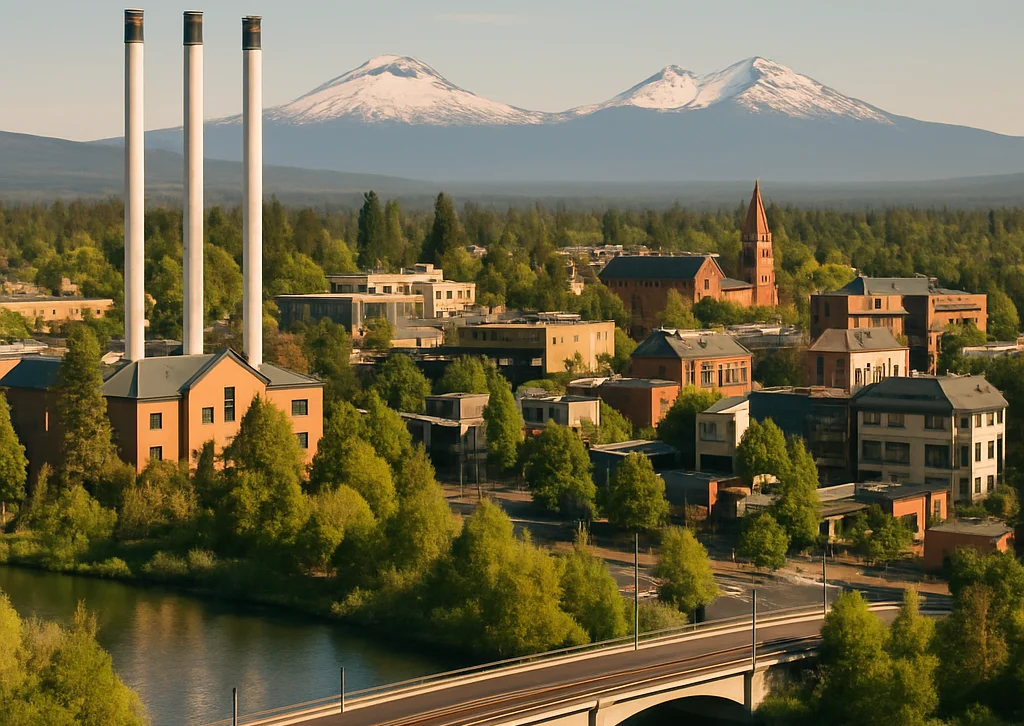
Situated on the eastern edge of the Cascade Range, Bend offers retirees a peaceful lifestyle with mountain views and clean air. With top-rated senior living options like Touchmark at Mount Bachelor Village and Stone Lodge, it’s easy to find communities that offer both independent and assisted living. Add in Bend’s quiet neighborhoods and excellent healthcare facilities, and it’s one of the best places to live in Oregon for retirees.
- Cost of Living in Bend, OR: The cost of living is 12.2% higher than the national average. You will need a minimum annual income of $105,957 to live comfortably in Bend.
- Housing: You can buy a 2-bedroom home in Bend for around $697,450. Rent for a similar home would cost you around $750 – $9,995 per month.
- Job Market: Healthcare and retail sectors are dominant. St. Charles Medical Center is the largest employer in the area, making it convenient for retirees who need specialized care or part-time work in administrative roles.
- Outdoor Activities: Bend is a hub for nature lovers. Retirees can enjoy walking trails along the Deschutes River, relaxing days at Drake Park, or fly-fishing in nearby alpine lakes. Winter brings light snow and opportunities for snowshoeing or scenic drives up to Mt. Bachelor.
- High Housing Costs: Bend’s popularity has driven up home prices significantly, making it less affordable than other Oregon cities.
- Limited Public Transit: Cascades East Transit serves the area, but the routes and schedules are limited. Having a car is usually necessary.
- Dry Climate: The high desert setting means Bend has very dry air, which may be uncomfortable for those with respiratory issues or dry skin conditions.
Salem
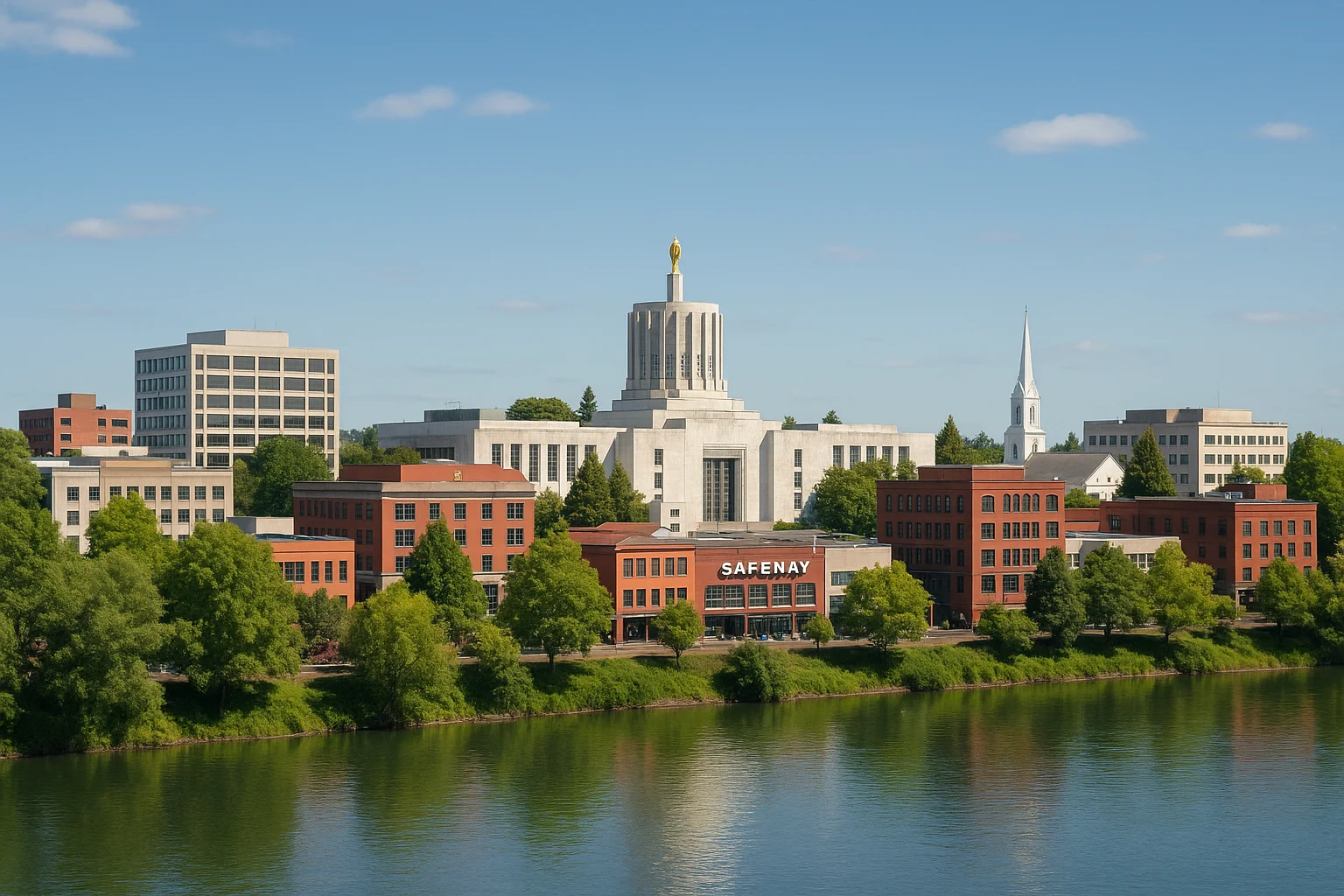
The capital city has a strong public school network, family-friendly neighborhoods like South Central and West Salem, and easy access to healthcare and green spaces. Plus, with community events, affordable homes, and plenty of parks, Salem stands out as one of the best towns to live in Oregon for families.
- Cost of Living in Salem, OR: The cost of living is 6.9% higher than the national average. You will need a minimum annual income of $ 83,692 to live comfortably in Salem.
- Housing: You can buy a 2-bedroom home in Salem for about $426,995. Rent for a 2-bedroom home ranges from $250 – $5,500 per month.
- Job Market: The public administration and healthcare sectors are the largest employers in Salem. State government offices, Salem Health Hospital, and the Salem-Keizer School District provide thousands of stable jobs, making it easier for parents to work close to home.
- Outdoor Activities: Salem is packed with family-oriented options like Riverfront Park, the Gilbert House Children’s Museum, and Minto-Brown Island Park. Families can also enjoy day trips to Silver Falls State Park or weekend outings to the Oregon Coast, just over an hour away.
- Rainy Weather: Salem receives over 40 inches of rain annually. The long, gray winters can be tough for families who prefer consistent sunshine.
- Limited Entertainment: For families with teenagers or young adults, Salem may feel limited when it comes to entertainment, cultural events, or dining options compared to larger cities.
- Public Schools Vary: While there are several highly-rated schools, quality can differ by neighborhood.
Corvallis
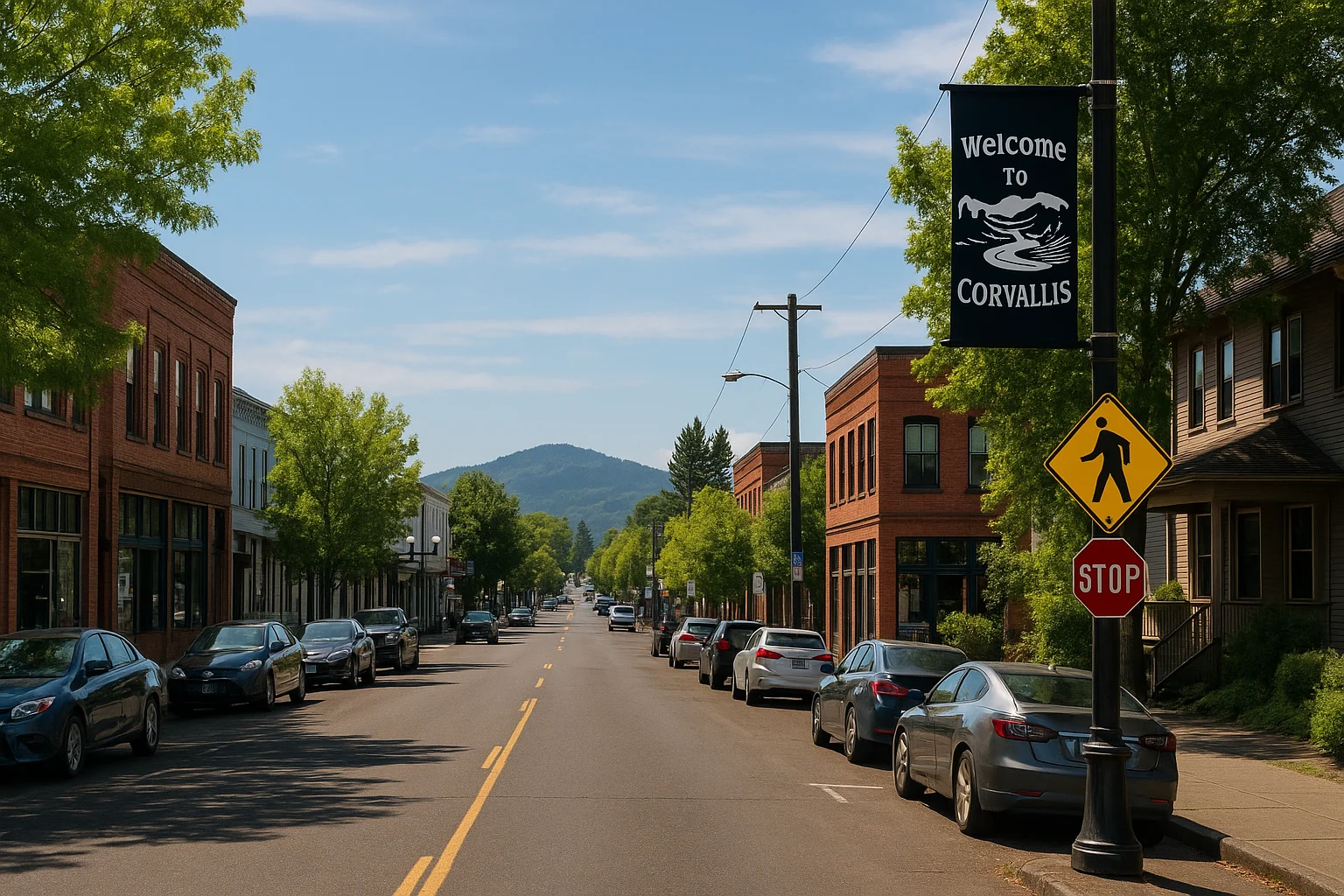
Home to Oregon State University, Corvallis is one of the best places to live in Oregon for young adults. The city combines a strong job market in tech, education, and healthcare with a walkable downtown, cafes, coworking spaces, and bike-friendly streets.
- Cost of Living in Corvallis, OR: The cost of living is 8.7% higher than the national average. You need a minimum annual income of $101,333 to live comfortably in Corvallis.
- Housing: You can buy a 2-bedroom home in Corvallis for around $475,000. Rent for a 2-bed home typically ranges between $550 – $6,500 per month.
- Job Market: Oregon State University is the largest employer in the area, offering jobs in education, research, and administration. The city also has a growing tech and biotech scene, with companies like HP Inc. and Samaritan Health Services hiring across sectors.
- Outdoor Activities: Young professionals enjoy hiking in the McDonald-Dunn Forest, kayaking on the Willamette River, or biking through the city’s extensive trail network. Plus, the downtown area offers craft breweries, food trucks, and local events year-round.
- High Rental Demand: With a large student population, rental units are in high demand. This can lead to increased competition and pricing, especially near the university.
- Small Job Market: Outside of OSU and healthcare, job opportunities can be limited in niche fields, especially for mid-career professionals.
Hillsboro

Hillsboro combines suburban living with excellent schools, diverse communities, and reliable city services. The city is home to safe neighborhoods like Orenco Station and AmberGlen, numerous parks, and highly-rated public schools in the Hillsboro School District. This combination makes it one of the best places to live in Oregon for families.
- Cost of Living in Hillsboro, OR: The cost of living is 25.1% higher than the national average. You need a minimum annual income of $110,200 to live comfortably in Hillsboro.
- Housing: You can buy a 2-bedroom home in Hillsboro for about $492,475. Rent for a 2-bedroom home typically ranges from $820 – $8,865 per month.
- Job Market: Hillsboro is a tech hub with major employers like Intel, Qorvo, and Genentech offering thousands of jobs. Families also benefit from stable employment in education, healthcare, and public services.
- Outdoor Activities: Families enjoy easy access to 1,500+ acres of parks and open space, including Rood Bridge Park and Jackson Bottom Wetlands. The city also hosts family-focused community events and weekend farmers markets, making it easy to stay engaged year-round.
- Rising Housing Costs: With growing demand from tech workers, home prices in Hillsboro are steadily increasing, making affordability a concern for some families.
- Rainy Weather: Hillsboro gets over 40 inches of rain annually. Outdoor plans often need to adjust to wet weather, especially during fall and winter.
- Limited Entertainment for Teens: While great for young kids, Hillsboro may feel quiet for older children or teenagers looking for more social and entertainment options.
Portland

Whether you’re working in tech, healthcare, design, or public service, Portland offers a wide range of job options. Neighborhoods like Pearl District, Alberta Arts, and Hawthorne are especially popular for their access to coworking spaces, cafes, nightlife, and public transit. This makes Portland the best city to live in Oregon for young professionals.
- Cost of Living in Portland, OR: The cost of living is 25.4% higher than the national average. You need a minimum annual income of $116,103 to live comfortably in Portland.
- Housing: You can buy a 2-bedroom home in Portland for around $510,000. Renting a 2-bed home will typically cost between $100 – $25,000 per month.
- Job Market: Portland has a growing economy with major employers in tech, including Intel, Amazon Web Services. Startups and small creative businesses also thrive here, offering variety for professionals in early and mid-career stages.
- Outdoor Activities: Portland residents enjoy Forest Park’s 80+ miles of trails, biking the Springwater Corridor, and kayaking on the Willamette River. For weekends, Mount Hood and the Oregon Coast are both within a 90-minute drive.
- Housing Competition: High demand for urban housing has led to rising rents and limited availability, especially in central neighborhoods.
- Frequent Rain: Portland averages over 150 rainy days a year. While summers are dry, the rest of the year is often gray and wet.
- Income vs. Cost Gap: While jobs are available, salaries—especially in creative industries—may not always keep up with the city’s cost of living.
Eugene
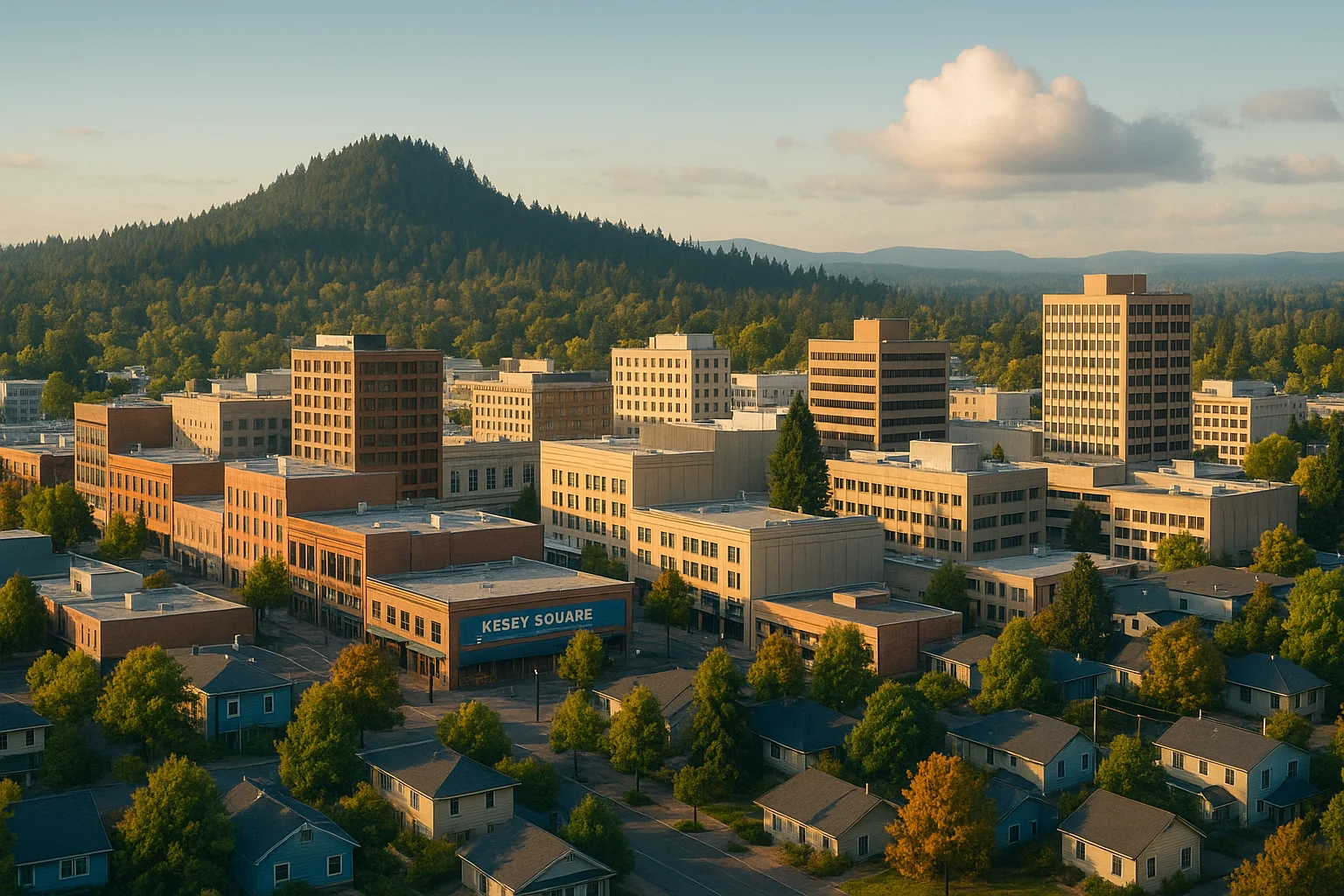
Eugene combines a laid-back atmosphere with growing career opportunities. The presence of the University of Oregon adds energy and innovation to the local economy, especially in education, tech, and research. Neighborhoods like Whiteaker offer a good balance of work-life amenities. Which makes it one of the best cities in Oregon to live for young professionals.
- Cost of Living in Eugene, OR: The cost of living is 13.4% higher than the national average. You need a minimum annual income of $92,629 to live comfortably in Eugene.
- Housing: You can buy a 2-bedroom home in Eugene for about $515,000. Renting a 2-bed home typically costs between $459 – $8,100 per month.
- Job Market: Eugene’s economy is supported by education, healthcare, retail, and public sector jobs. PeaceHealth Medical Center and the University of Oregon are two of the largest employers. For those in tech, downtown coworking spaces and networking events help foster community and growth.
- Outdoor Activities: Eugene is well-known for its biking culture and green spaces. You can cycle the Ruth Bascom Riverbank Path, hike Spencer Butte, or kayak the Willamette River. The city also offers weekend access to the Cascades and the Oregon coast.
- Limited Large Employers: While there are opportunities, Eugene lacks a concentration of major corporate headquarters, which may limit upward mobility in some fields.
- Public Safety Concerns: Certain parts of downtown have seen an increase in property crime and visible homelessness.
- Rainy Weather: Eugene gets over 150 days of rain annually, which may affect those used to sunnier climates.
Best Places to Live in Oregon Based on Demographics
We have researched the best places to live in Oregon for single families, young professionals, and retirees. The cities are ranked on parameters like education, employment opportunities, and healthcare facilities.
| Demographic | #1 | #2 |
| Single Families | Salem | Hillsboro |
| Young Professionals | Portland | Corvallis |
| Retirees | Bend | Medford |
Is Oregon a Good Place to Live?
Oregon is one of the best places to live in the US due to its affordable cost of living and great climatic conditions. Moreover, the state is ideal for those who enjoy outdoor activities and scenic spots. Other things that contribute are its unemployment rate, which is just 3.7%.
Whether you’re drawn to Portland’s food culture or the scenic calm of Bend, Oregon offers diverse lifestyles. Explore listings, compare prices, and make offers online with just a few clicks on Houzeo, Oregon’s best home buying website.
Research Methodology
This study ranks cities using a weighted average scoring model based on eight parameters. We’ve linked the resources used in our study of the best places in Oregon to live:
- Houzeo[1]: Median House Price
- Zipatlas[2]: Median Income, Unemployment Rate
- Salary[3]: Cost of Living
- Areavibes[4]: Livability Score
- Bestplaces[5]: Average Commute
- Statisticalatlas[6]: Major Employers
- Zillow[7]: Average Rent
- Neighborhoodscout[8]: Safety Score
- Walkscore[9]: Walkability Score
The total score for each city combines a weighted score for its rank. Here’s the weightage: median house price (1.25), median income (1.25), unemployment rate (1.00), cost of living (1.00), livability score (0.50).
Additionally, we have listed the good places to live in Oregon for varying demographics. These include the best Oregon cities to live in for families, young adults, and retirees.
Why Houzeo is the #1 Home Buying Website in America?
Houzeo.com is the best real estate website in America due to these reasons:
- 1 Million Listings: Houzeo features Millions of properties across all 50 states, including FSBO (For Sale By Owner) listings.
- Contact Agents Instantly: Skip the middleman. Reach out to listing agents directly and tour homes on your schedule.
- Mobile Convenience: Download the Houzeo Mobile app to browse listings, track your offers, and stay updated in real time.
» Houzeo.com Reviews: Read why more homebuyers trust Houzeo every day.


