


Want Maine’s serene lifestyle without Portland’s high prices? Don’t give up on the dream. You can afford a house in the Pine Tree State if you know where to look.
Your perfect home could be a family-friendly house in Waterville or a starter home in Presque Isle, the commercial and economic hub of Northern Maine. If you’re retiring, look at homes for sale in Bangor to enjoy a riverfront lifestyle, with median home prices under $272,000.
After assessing hundreds of cities, we’ve ranked the 10 most affordable places to live in Maine to help you find a home that fits your budget.
Houzeo is America’s best home buying and selling platform.
For Home Sellers: List your home for a Flat Fee, and save 2.5% to 5.5% on the listing agent commission! That’s thousands of dollars extra in your pocket.
For Home Buyers: Houzeo has the most number of houses for sale in Maine. Start your dream home search now!
Yes! You can list your home for sale or search millions of homes on the Houzeo mobile app!
Download now on the Apple App Store or the Google Play Store.


Most Affordable Places to Live in Maine
| City | Median Home Value | Median House Rent | Cost of Living Compared to State Average | Affordability Score (out of 10) |
|---|---|---|---|---|
| 1. Presque Isle | $162,000 | $295 | 11% ⬇️ | 8.4 |
| 2. Caribou | $123,000 | $1,000 | 11% ⬇️ | 8.3 |
| 3. Skowhegan | $194,000 | $1,000 | 7% ⬇️ | 8.2 |
| 4. Winslow | $243,500 | $1,278 | 4% ⬇️ | 7.1 |
| 5. Waterville | $250,000 | $1,395 | 11% ⬇️ | 7 |
| 6. Bangor | $272,500 | $1,500 | 6% ⬇️ | 6.4 |
| 7. Gardiner | $275,000 | $1,500 | 3% ⬇️ | 6.3 |
| 8. Augusta | $317,500 | $1,500 | 17% ⬇️ | 6.2 |
| 9. Belfast | $318,000 | $1,800 | 2% ⬆️ | 5.2 |
| 10. Orono | $375,000 | $1,950 | 7% ⬇️ | 4.5 |
How We Ranked the Most Affordable Places to Live in Maine
To identify the cheap places to live in Maine, we carried out an in-depth analysis using multiple reliable data sources and indicators of affordability.
Data Sources:
- Median Home Prices: We used Houzeo’s Maine Housing Market report and double-checked the numbers with the MaineHousing – State Housing Authority (Policy & Research).
- Median Rent: We got the rent data from C2ER, which publishes the national Cost of Living Index. This was verified every few months to make sure it’s accurate.
- Overall Cost of Living: We covered 6 big spending categories— housing, groceries, utilities, transportation, healthcare, and miscellaneous goods— from C2ER and Houzeo’s Cost of Living in Maine Calculator. We then compared everything to the U.S. average of 100.
We studied housing data from 2022 to 2025 to identify cities that remained affordable over time, not just during short dips in prices. Furthermore, each city’s data was also cross-checked with HUD and state economic reports.
All our information is up to date as of 2025, ensuring you receive the most current insights.
Affordability Scoring:
We built a simple scoring system that focuses on what really matters:
- Median Home Price (40%)
- Median Rent (35%)
- Cost of Living (25%)
This way, we can clearly show which Florida cities give you the best value for your money. You can also check out our score breakdown to see how each city was ranked.
Image credits: All blog images are sourced from Freepik.
10 Cheapest Places to Live in Maine
Presque Isle
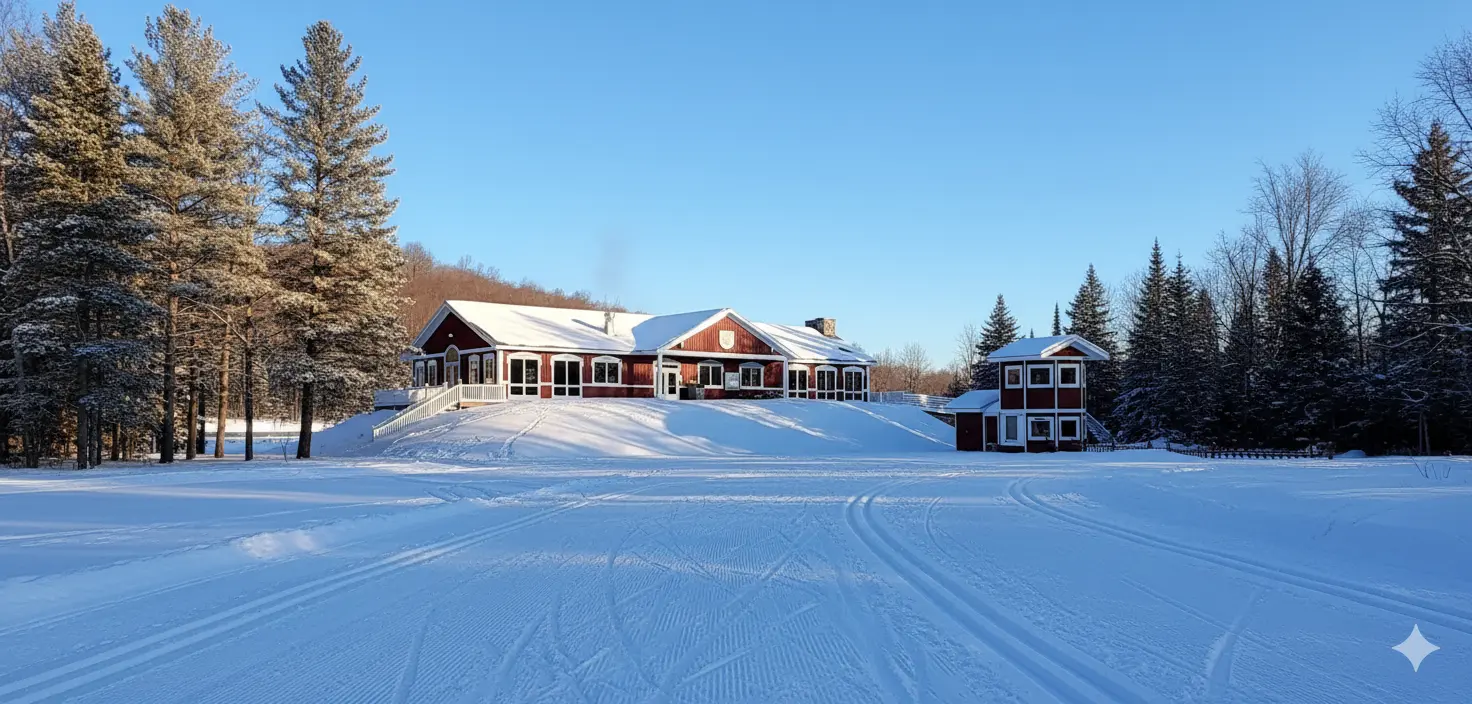
The city provides year-round outdoor access through Aroostook State Park, Maine’s first state park. Located as Aroostook County’s commercial center, homes for sale in Presque Isle typically range from $120,000 to $170,000, increasing housing affordability for first-time buyers.
- Phair/City Center: It has a traditional downtown atmosphere with proximity to Main Street businesses and Riverside Park. Residents enjoy walkable access to Northern Lanes Bowling Alley and the Mark and Emily Turner Memorial Public Library.
- Campbell/Maysvile: A quiet residential area characterized by single-family homes and tree-lined streets. The neighborhood sits near Presque Isle Elementary School and Zippel Elementary School, making it popular with families.
- Presque Isle East: It has newer housing developments and open spaces near agricultural lands. Residents benefit from proximity to Aroostook State Park and Northern Maine Fairgrounds, which hosts the Northern Maine Fair each July.
- Job Market: Presque Isle’s economy centers on education, healthcare, and retail. Northern Light A.R. Gould Hospital serves as a major healthcare employer. The University of Maine at Presque Isle and Northern Maine Community College provide stable education sector jobs.
- Recreation: Aroostook State Park anchors outdoor recreation with Echo Lake swimming, boating, and fishing access. There is also over 6 miles of hiking trails including the challenging Quaggy Jo Mountain summit. You can also access skiing and trail sports at Nordic Heritage Center.
- Remote Location: Presque Isle sits in far northern Maine, approximately 165 miles from Bangor and 4+ hours from Portland, creating isolation from major urban centers.
- Harsh Winters: The city experiences severe winter weather with heavy snowfall and temperatures frequently below zero. It drives up the heating costs and limits outdoor activities for extended periods.
- Limited Nightlife: Entertainment options are minimal with few bars, restaurants, or cultural venues.
Caribou
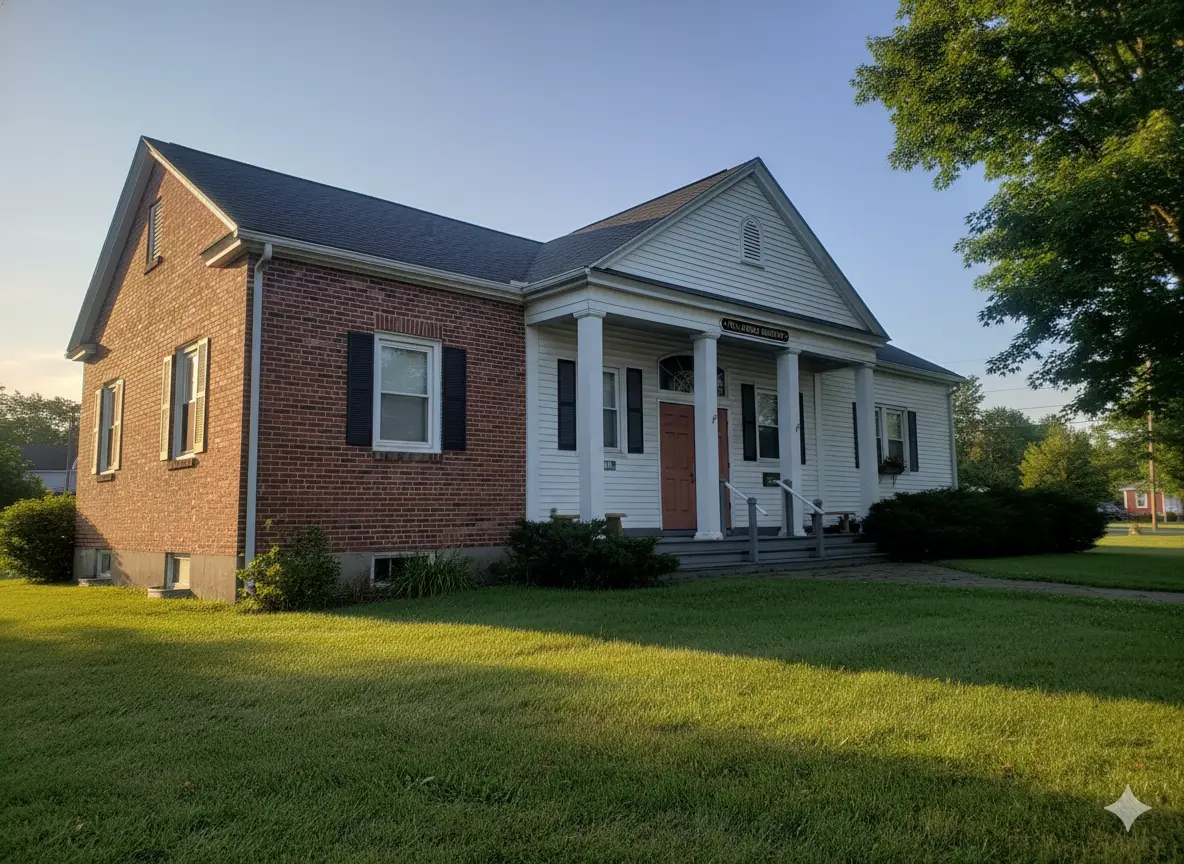
Situated in Maine’s northeastern agricultural region, the city serves as headquarters for the Aroostook Band of Micmac. It hosts cross-country ski trails through the Maine Winter Sports Center.
- Skyway Drive: A residential area near Caribou Municipal Airport featuring mid-century homes. The neighborhood is close to Collins Pond for fishing and boating, plus has access to Caribou Parks and Recreation facilities.
- Downtown Caribou: Residents live near the Nylander Museum, which showcases natural history and Native American artifacts. The area hosts the annual Caribou ThursdaysFEST summer concert series in Teague Park and the February Winterfest celebration.
- East Caribou: A family-oriented neighborhood with affordable single-family homes near Caribou High School and Caribou Middle School. It provides convenient access to Aroostook Centre for Shopping and major employers like Cary Medical Center.
- Job Market: Caribou’s economy relies on healthcare, agriculture, and retail. Cary Medical Center is the largest employer providing hospital and clinical services. Other major employers include Day’s Jewelers, Living Innovations, McCain Foods, and the Loring Job Corps Center.
- Recreation: Collins Pond provides swimming, boating, and fishing access during warmer months. The Caribou Recreation Department manages youth sports programs, summer camps, and community events. The city maintains Teague Park downtown for festivals and gatherings.
- Shrinking Economy: Population has declined steadily from over 9,000 in 1980 to under 7,500 today, reflecting reduced economic opportunities and younger residents leaving the area.
- Very Limited Job Market: Employment concentrates heavily in healthcare and agriculture with minimal opportunities in professional services, technology, or specialized industries.
- Minimal Cultural Amenities: The city offers very few restaurants, no movie theater, limited shopping beyond basic retail, and no nightlife.
Skowhegan

Located along the Kennebec River, the town balances rural character with regional commercial services. It hosts the oldest continuously running state fair in America. It is close to larger cities like Waterville and Augusta, plus access to outdoor activities throughout Somerset County.
- Skowhegan South: A quiet residential area near Lake George Regional Park. Families benefit from proximity to Margaret Chase Smith School and convenient access to Bigelow Town Park along the Kennebec River for fishing and picnicking.
- Town Center: Skowhegan’s historic downtown features walkable blocks around Madison Avenue with the Skowhegan History House Museum. Residents live near Coburn Park and Riverwalk paths along the Kennebec connecting to Island Falls.
- Skow Town: A neighborhood east of downtown with affordable starter homes. It is near the Somerset Regional Education Career and Technical Center. It provides access to the Fred A. MacDonald Trail and Redington-Fairview General Hospital.
- Job Market: Major employers include Redington-Fairview General Hospital, New Balance, Backyard Farms , and RSU 54 schools. MaineHousing’s Rural Affordable Rental Housing Program is driving construction employment growth in the region.
- Recreation: Lake George Regional Park offers swimming, boating, fishing, and camping with dedicated beach access. The Kennebec River provides excellent opportunities for whitewater rafting, kayaking, and salmon fishing. . The Skowhegan Drive-In Theater operates seasonally on Route 201.
- Economic Vulnerability: The local economy heavily depends on a few major employers, making the town susceptible to significant impacts if companies like New Balance or Backyard Farms reduce operations.
- Opioid Crisis: Somerset County has experienced higher-than-average rates of substance abuse issues, impacting community resources and public safety concerns.
- Limited Healthcare: While Redington-Fairview serves the region, specialized medical services require travel to Waterville, Augusta, or Bangor, creating inconvenience for complex health needs.
Winslow

Winslow delivers affordable living just across the Kennebec River from Waterville. It has a small-town character with access to two college campuses and regional services. It is appealing to families and commuters who work in nearby Augusta or Waterville while preferring lower-density living.
- South Reynolds Road Area: A residential neighborhood characterized by newer subdivisions and ranch-style homes. Families love to be close to Winslow Elementary School and have convenient access to Fort Halifax State Historic Site.
- Clinton Avenue Area: A central neighborhood with a mix of older homes and apartments. Residents live close to Winslow Junior High School and benefit from walkable access to Winslow Public Library and community parks along the Kennebec River.
- Stobie Street Area: An affordable area featuring mobile home parks and modest single-family residences. The neighborhood sits adjacent to commercial corridors with retail shopping and provides quick access to Interstate 95
- Job Market: Major employers include Marden’s Inc., Orion Ropeworks, Johnny’s Selected Seeds, Midstate Machine, and Maine Crisp Company. Retail and service jobs cluster along Benton Avenue’s commercial corridor, with additional employment at Walmart, Tractor Supply, and local businesses.
- Recreation: Fort Halifax State Historic Site preserves a 1754 blockhouse and offers riverside trails and historical interpretation. The Kennebec River provides kayaking, canoeing, and fishing access from multiple launch points. Nearby Lake George Regional Park and China Lake offer swimming and boating within a short drive.
- Traffic Congestion: Route 201 (Benton Avenue) experiences heavy traffic and commercial sprawl, creating congestion and an unattractive commercial corridor.
- Few Local Services: Residents often need to cross into Waterville for healthcare, entertainment, banking, and many retail needs.
- Flood Risk: Properties near the Kennebec and Sebasticook rivers face periodic flooding threats, potentially affecting insurance costs and property values in low-lying areas.
Waterville

Waterville combines affordable living with college-town energy, hosting both Colby College and Thomas College. The city offers cultural amenities unusual for its size including the Waterville Opera House, Maine Film Center, and Colby College Museum of Art.
- Waterville West: A hillside neighborhood with established homes and tree-lined streets near Albert S. Hall School. Families appreciate proximity to Brook Street Recreation Area and the Western Avenue commercial corridor.
- North End: A residential area featuring affordable single-family homes and apartments near Waterville Senior High School. The neighborhood provides access to Quarry Road Trails for hiking and mountain biking.
- Downtown Waterville: The historic urban core features Main Street’s walkable blocks and the renovated Lockwood Hotel. Residents live near the Maine Film Center, Waterville Opera House, Railroad Square Cinema, and numerous community events, including First Friday Art Walks.
- Job Market: Northern Light Inland Hospital anchors healthcare employment with hospital and clinic positions. Colby College and Thomas College provide substantial education sector jobs. Manufacturing employers include Huhtamaki and Shyft Group Dura Mag.
- Recreation: The Kennebec River RiverWalk provides paved trails connecting downtown to parks including Head of Falls and Two Cent Bridge areas. Colby College Museum of Art provides free admission to world-class collections. The city hosts First Friday Art Walks monthly and various seasonal festivals along Main Street.
- Student Population Impact: Large college student populations can create seasonal fluctuations in housing demand, noise issues in some neighborhoods, and separate town-gown dynamics.
- Cold Climate: Winters bring heavy snow (80+ inches) and long periods of cold weather, with the Kennebec River valley creating additional wind chill effects.
- Limited Entertainment: Despite cultural venues, nightlife options remain limited, with few bars and restaurants closing early.
Bangor

Bangor serves as northern and eastern Maine’s commercial and cultural hub. The city provides cultural attractions, including the Bangor Symphony Orchestra, museums, and the Cross Insurance Center for concerts and sporting events.
- Whitney Park Historic District: An elegant neighborhood featuring Victorian and Colonial Revival homes along tree-lined streets near downtown. Residents enjoy the walkable access to the Bangor Public Library, Bangor Symphony Orchestra at the Collins Center for the Arts, and Pierce Park.
- Fairmount: A family-oriented neighborhood with mid-century homes near Fairmount School and Fairmount Park. It is near Paul Bunyan Plaza with the iconic 31-foot Paul Bunyan statue.
- Little City: Residents benefit from proximity to Eastern Maine Medical Center for healthcare employment and the Valley Avenue for commercial services. The Bass Park complex hosts events like the Bangor State Fair and the American Folk Festival.
- Job Market: Northern Light Eastern Maine Medical Center dominates healthcare employment as a regional medical hub. The University of Maine system maintains administrative offices in Bangor. Major retail employers include the Bangor Mall, the Cross Insurance Center, and the Broadway commercial corridor businesses.
- Recreation: The Bangor City Forest offers 680 acres of trails for hiking, mountain biking, and cross-country skiing right within city limits. The Cross Insurance Center hosts concerts, hockey games, and events. Cultural attractions include Bangor Symphony Orchestra and Penobscot Theatre Company.
- Harsh Winters: As inland northern Maine’s largest city, Bangor experiences cold winters with significant snow (60+ inches).
- Limited Public Transit: The city relies heavily on personal vehicles with only minimal bus service through the Community Connector.
- Declining Downtown: Despite revitalization efforts, downtown Bangor has struggled with vacant buildings and business turnover, particularly on Main Street.
Gardiner

Gardiner combines historic riverfront character with some of the most cheap homes in Maine The city maintains traditional New England charm with downtown shops, restaurants, and cultural activities including Waterfront Concerts and the A-1 Diner.
- West Gardiner: A suburban area featuring newer residential development. Families appreciate access to West Gardiner Elementary School and proximity to Cobbosseecontee Lake for swimming, boating, and fishing.
- Gardiner Eastside: A residential neighborhood with mid-century homes near Gardiner Regional Middle School and Laura E. Richards School. The area provides access to the Gardiner Recreation Department facilities and the Waterfront Park.
- Gardiner Northside: The historic core featuring downtown Gardiner with its preserved 19th-century commercial buildings. Residents live among the famous A-1 Diner, Gardiner Public Library, and the Gardiner Waterfront with its concert series.
- Job Market: Major employers include the Pine State Trading Company, Gardiner Savings Institution, MaineGeneral Rehabilitation Hospital, and Huhtamaki. The city also supports positions in healthcare at Gardiner Regional Middle School, local government services, and small businesses along Water Street.
- Recreation: The Kennebec River Waterfront features Waterfront Park with walking paths and boat launches. Johnson Hall Performing Arts Center hosts theater, concerts, and community events year-round. Gardiner maintains several parks, including Mackintosh Park and recreational fields.
- Industrial Legacy: The city’s manufacturing history left some brownfield sites and older industrial buildings that detract from aesthetics in certain areas.
- Small-Town Limitations: Gardiner offers fewer restaurants, shops, and entertainment options than larger cities, with most nightlife and cultural activities requiring travel to Augusta or Portland.
- Winter Weather: Cold winters with significant snowfall and ice on the Kennebec River create challenging driving conditions and high heating costs.
Augusta

Augusta, as Maine’s capital city, provides stable government employment and historic architecture, including the Maine State House. The city is appealing to state government employees, families seeking established neighborhoods, and buyers wanting connectivity to both Portland and Bangor.
- Oak Grove: A suburban neighborhood featuring mid-century and newer homes near Oak Grove-Coburn School. Families benefit from proximity to the Augusta Country Club and Cony High School athletic facilities.
- Eastside: A residential area with a diverse housing stock near the Kennebec River. Residents appreciate access to Capitol Park, State House grounds, and the Bond Brook Recreation Area trails.
- Ballard Center: The historic downtown area featuring Capitol Street’s government offices, shops, and restaurants. Residents live amid the Maine State Museum, Viles Arboretum, and the Waterfront area.
- Job Market: State government dominates employment with thousands of positions across executive agencies, legislature, and court systems at the State House and Capitol Complex. MaineGeneral Medical Center serves as the largest private employer, providing hospital and healthcare services. Other major employers include Kennebec Valley Community Action Program and MaineHousing.
- Recreation: The Kennebec River Rail Trail provides 6.5 miles of paved paths for biking, walking, and jogging. Capitol Park surrounds the State House with landscaped grounds for walking. The Viles Arboretum features 224 acres with 5+ miles of trails through gardens, woodlands, and meadows.
- Limited Downtown Vitality: Despite being the capital, downtown Augusta struggles with vacant storefronts and limited evening activity.
- Mixed School Performance: While some Augusta schools perform well, district-wide academic ratings lag behind.
- Aging Infrastructure: Many neighborhoods feature older housing stock requiring maintenance, and some city infrastructure needs updates too.
Belfast

Belfast is one the most affordable coastal towns in Maine with an artistic community, historic downtown, and Penobscot Bay access. The city blends maritime heritage with modern amenities. Families are drawn to the walkable downtown, Community School programs, and access to both inland trails and waterfront activities.
- Primrose Hill Historic District: An elegant hilltop neighborhood featuring Victorian-era homes with views toward Belfast Bay. Residents enjoy walkable access to downtown Belfast, Belfast Free Library, and the historic Church Street district.
- Church Street Historic District: The traditional residential core featuring well-preserved Federal and Greek Revival homes. Families appreciate proximity to Captain Albert Stevens School and Troy Howard Middle School.
- Belfast Historic District: The downtown waterfront area along Main Street and High Street. Residents live amid local businesses, such as the Three Tides and Young’s Lobster Pound, the Colonial Theatre, and direct access to Belfast Harbor.
- Job Market: Waldo County General Hospital anchors healthcare employment. Other major employers include Front Street Shipyard, Credit Union of America, Backyard Farms, and various small manufacturers. Many residents work remotely or in professional services.
- Recreation: Belfast Harbor provides boat launching, kayaking, and sailing access to Penobscot Bay. Nearby Moose Point State Park offers hiking trails with ocean views and picnic areas. he city hosts numerous festivals including Belfast Poetry Festival, Maine Celtic Celebration, and Harbor Fest.
- Higher Coastal Costs: Belfast’s property values and living costs run significantly higher than inland Maine communities.
- Tourist Impact: Summer brings crowds, traffic congestion on Route 1, and difficulty accessing waterfront restaurants and attractions, disrupting daily life for residents.
- Cold Maritime Climate: Coastal location creates harsh winter winds, frequent fog, and damp cold that feels colder than inland temperatures
Orono

Orono combines small-town character with college-town energy as home to the University of Maine’s flagship campus. It offers cultural events, Division I athletics, and youthful vibrancy. It has access to the Stillwater and Penobscot rivers for outdoor recreation.
- Orono Main Street Historic District: The traditional downtown featuring the University of Maine’s campus edge with local businesses, restaurants, and services along Mill Street and Main Street. Residents enjoy walkable access to Orono Bog Walk and Pat’s Pizza.
- Downtown Orono: A mixed residential and commercial area near the Stillwater River. The neighborhood provides access to the University of Maine Museum of Art, Alfond Stadium for Black Bear athletics, and Orono Public Library.
- University Area: Student-oriented housing near campus featuring apartments, multi-family homes, and some single-family residences. The area surrounds University of Maine facilities, including Memorial Gym, Alfond Arena (hockey), and the campus recreation center.
- Job Market: The University of Maine dominates employment with thousands of positions in education, research, administration, and campus services. Other employers include Bangor Savings Bank regional offices, Husson University (nearby), and various professional services.
- Recreation: The Orono Bog Walk features a 4,200-foot boardwalk through a living northern bog ecosystem, one of the nation’s most accessible peatland preserves. Collins Center for the Arts hosts performances, concerts, and cultural events. Campus facilities include the Page Farm and Home Museum and the Jordan Planetarium.
- Student Population Dominance: The university’s 11,000+ students heavily influence town character, creating noise issues near campus and seasonal housing market fluctuations.
- Limited Non-Academic Jobs: Employment opportunities concentrate overwhelmingly in education and university-related services, with minimal career paths outside academia for non-faculty professionals.
- Parking and Traffic: Campus-area parking is challenging, and Route 2A/Stillwater Avenue experiences heavy congestion during academic year.

Pro Tip If you’re looking for something on Maine’s southern coast, Portland could be a great option. From Westbrook to Biddeford and Saco, you’ll find a wide range of relatively affordable homes in Portland with strong rental potential.
Cumberland and Cape Elizabeth are the cheapest and safest cities in Maine. They offer low crime rates, family-friendly neighborhoods, and a lively, welcoming lifestyle.
Top 3 Cheapest Cities to Live in Maine for Young Adults
When looking for the least expensive city to live in Maine, you want more than just cheap rent. You want good jobs, a fun lifestyle, and a city where you can thrive. These cities deliver all three, with affordable housing in Maine and growing job markets.
| Rank | City | Why It’s Great for Young Adults |
|---|---|---|
| 1. | Waterville | Home to both Colby College and Thomas College, it supports a lively arts scene — think the Maine Film Center and Waterville Opera House. Strong job growth is projected in the region. |
| 2. | Lewiston | Home to the University of Florida and a thriving biotech scene, the city combines research opportunities with a lively college-town vibe. There’s also an increase in homes for sale in Gainesville, and rental rates are 24% below the national average. |
| 3. | Orono | Lewiston is fast emerging as an exceptional place to settle. For daily life, you’ll find the Lewiston Farmers’ Market and Heritage Park. The city is also just 35 miles from Portland, so you get big-city access without the big-city price tag. |
Top 3 Inexpensive Places to Live in Maine for Families
Maine is a favorite among families for its warm climate, no state income tax, and affordable housing. These three cities offer low living costs and top-notch schools.
| Rank | City | Why It’s Great for Families |
|---|---|---|
| 1. | Bangor | A family of four can live comfortably on $60K–$75K household income in Bangor. For kids, the city offers the Maine Discovery Museum and easy access to Acadia National Park for day trips. Stable and well-paying jobs keep family finances healthy. |
| 2. | Gardiner | Gardiner is one of the most inexpensive places to live in Maine. Gardiner Regional Middle School is a well-regarded school in the area. The city sits along the Kennebec River, offering beautiful waterfront parks, which is a genuinely great environment to raise kids. |
| 3. | Windham | Windham offers country living in proximity to employers, amenities, and outdoor activities. The town is very welcoming, with sports teams that have won multiple sportsmanship awards. |
3 Affordable Retirement Communities in Maine
Maine is a retiree’s haven. In these cities, you can find affordable homes, accessible healthcare, and safe communities. There are also plenty of outdoor activities like kayaking, hiking, and picnics to enjoy a comfortable, active lifestyle.
| Rank | City | Why It’s Great for Retirees |
|---|---|---|
| 1. | Augusta | Maine’s capital city is a standout for retirees on a budget. Healthcare is well-covered by MaineGeneral Medical Center, one of the state’s leading hospitals. For daily enjoyment, retirees can visit the Maine State Museum, grab fresh seafood at the iconic Red Barn, or walk the Kennebec River Rail Trail. |
| 2. | Presque Isle | The most affordable pick on this list is a hidden gem for retirees who love the outdoors. Northern Light AR Gould Hospital offers advanced cancer care, dialysis, and behavioral health services. Aroostook State Park (nearly 900 acres) keeps outdoor time easy and close, whether you’re walking, camping, or snowmobiling. |
| 3. | Sanford | One of Maine’s most overlooked retirement gems. Goodall Hospital meets the healthcare needs. Sanford also hosts a range of community events throughout the year, such as local fairs and farmers’ markets. Nearby Bauneg Beg Mountain offers hiking trails and panoramic views for anyone eager to explore |
3 Hidden Costs to Consider in Maine
Even in the best cheap places to live in Maine, home prices are only part of the cost. So, factor in hurricane and flood coverage along with property taxes when looking for the cheapest area to live in Maine.
- Winter Heating Bills: Heating oil runs ~$3.33/gallon, and utilities average $685/month all-in, noticeably above the U.S. average. Also, budget for a backup generator ($6,000–$15,000) since winter storm outages are common.
- Car Dependency: Public transit is limited or nonexistent outside Portland and Bangor, so a car is a must. The upside: Maine’s average auto insurance is just $834/year vs. the U.S. average of $1,258.
- State Income Tax: Maine’s income tax ranges from 5.80% to 7.15%, one of the highest in the nation. Offset slightly by a flat 5.5% state sales tax and no local sales taxes.
Quick Tip Maine’s Homestead Exemption allows up to $25,000 of your primary home’s assessed value for property tax purposes. However, it does not apply to second homes or investment properties.
Savings Breakdown: Cheapest Cities in Maine to Live In
Housing costs vary dramatically most affordable towns in Maine. Presque Isle residents save $2,418 monthly compared to Portland and $1,247 compared to Augusta. The following table breaks down these savings by median home price, monthly mortgage, property tax, insurance, and total monthly costs.
| City | Median Home Price | Avg. Monthly Mortgage | Insurance/taxes | Estimated Monthly Cost for a Single Person | Monthly Savings vs. Miami |
|---|---|---|---|---|---|
| Presque Isle | $162,000 | $975 | $1,548 | $2,253 | $2,418 |
| Augusta | $317,500 | $1,433 | $800 | $3,500 | $1,171 |
| Portland | $630,000 | $2823 | $1,848 | $4,671 | – |
Affordable Living Beyond Maine
Not sure if the cheapest places in Maine to live will fit your budget? Here are a few surrounding states that offer major tax benefits, a strong job market, and endless outdoor recreation, just like Maine.
Stellar Jobs
West Virginia is the state that most closely mirrors Maine’s job landscape while ranking as one of the cheapest places to live in the US. These are the cheapest places to live in West Virginia:
- Charleston: Median home price is $194,450, average rent is $1,000, and has a diverse and thriving economy with key industries in healthcare, manufacturing, and energy.
- Morgantown: Median home price is $271,000, average rent is $1,400, and it has job opportunities in healthcare, education, and technology.
- Wheeling: Median home price is $139,000, average rent is $800, with WesBanco and Ohio Valley Health Services among the major employers.
Excellent Healthcare
New Hampshire is the state that most closely mirrors Maine’s healthcare quality while offering strong affordability, especially outside its coastal towns. Here are the cheapest places to live in New Hampshire:
- Keene: Average home price is $350,000, rent under $1,500, and is home to Dartmouth-Hitchcock Medical Centre, offering top-tier healthcare access right in town.
- Concord: Average home price is $430,000, rent under $1,676, and the economy anchored by state government, healthcare, insurance, and education.
- Rochester: Average home price is $401,000, rent under $2,007, and cost of living 5% cheaper than the New Hampshire average.
Low Crime Rates
Iowa is the standout answer. It’s one of the top 5 safest states in the US. These are the cheapest places to live in Iowa:
- Des Moines: Homes sell for an average price of $200,000, the median rent is $1,110, and has a cost of living 9% below the state average.
- Cedar Rapids: Homes sell for an average price of $190,000, the median rent is $1,025, and it’s a well-rounded, family-friendly city.
- Iowa City: Homes sell for an average price of $287,500, the median rent is $1,497, and has a college-town energy with great restaurants, culture, and nightlife.
Want to cast a wider net? Beyond West Virginia, New Hampshire, and Iowa, explore the cheapest places to live in the US where your dollar stretches even further.
So, Where Is the Cheapest Place to Live in Maine?
Presque Isle, Caribou, and Skowhegan are the most affordable cities to live in Maine. These areas offer more than low prices; they also provide steady job markets, plenty of recreation, and a cost of living 11% lower than the state norm.
Moving to Maine also offers valuable tax advantages, with property taxes averaging at 0.80%. Whether you’re relocating or buying your first home, you can browse listings, compare prices, and make offers online.
Frequently Asked Questions
What is the least expensive place to live in Maine?
The cheapest place to live in Maine is Presque Isle. It offers affordable housing at a median sale price of $162K.
» 10 Cheapest Places to Live in Maine: Find out the other cheapest places to live in Maine!.
Where is the best place to live in Maine?
The best place to live in Maine is Augusta, followed by Bangor, Portland, Lewiston, Cape Elizabeth, Bar Harbor and Camden.
Is Maine expensive to live in?
The average cost of living in Maine is 14% higher than the national average. Additionally, healthcare 28% higher than the national average.
Where are the cheap places to retire in Maine on a budget?
Augusta, Presque Isle, and Sanford are among the cheap places to retire in Maine on a budget. They offer affordable housing, small-town comfort, and easy access to medical care.
Which cities have the cheapest cost of living in Maine?
Augusta (92), Presque Isle (99), and Caribou (99) have the cheapest cost of living in Maine. Augusta's cost of living is 17% below the average, while Presque Isle and Caribou's is 11% lower.


