


Want New York’s lifestyle without Manhattan’s high prices? Don’t give up on the dream. You can afford a home in the Empire State if you know where to look.
Your perfect home could be a family-friendly house in Ogdensburg or a starter home in Oneida, a city with affordable living and growing amenities. If you’re retiring, consider homes for sale in Troy to enjoy a peaceful community near Lake Ontario.
After assessing hundreds of cities, we’ve ranked the 10 most affordable places to live in New York to help you find a home that fits your budget.
Houzeo is America’s best home buying and selling platform.
For Home Sellers: List your home for a Flat Fee, and save 2.5% to 5.5% on the listing agent commission! That’s thousands of dollars extra in your pocket.
For Home Buyers: Houzeo has the most number of houses for sale in New York. Start your dream home search now!
Yes! You can list your home for sale or search millions of homes on the Houzeo mobile app!
Download now on the Apple App Store or the Google Play Store.


Key Takeaways
- Niagara Falls is the cheapest city to live in New York: Niagara Falls’ cost of living is 33% lower than the state average. With a median home price of $190,000, it’s a great choice for budget-conscious buyers near natural attractions.
- Syracuse is the best city for young professionals: Ranked among New York’s most affordable and opportunity-rich cities, Syracuse offers young adults a strong job market, low living costs, and vibrant urban living.
- For families, Oneida is a great choice: With strong schools, quiet neighborhoods, and low child-rearing costs, Oneida is an ideal place to raise a family on a budget.
- Retirees should consider Troy: Retirees can enjoy a walkable, culturally rich city with affordable homes and easy access to healthcare, making Troy a comfortable and budget-friendly place to settle down.
- Don’t forget New York’s property taxes and winter heating costs: Property taxes range from 1.5% to 2.5% of home value, and winters bring high heating expenses, which add significantly to the overall cost of living.
Cheapest Places to Live in New York in 2026
| City | Median Home Value | Median House Rent | Cost of Living Compared to State Average | Affordability Score (out of 10) |
|---|---|---|---|---|
| 1. Niagara Falls | $190,000 | $1,045 | 33% ⬇️ | 8.8 |
| 2. Utica | $203,000 | $1,300 | 29% ⬇️ | 8.5 |
| 3. Hornell | $103,500 | $1,400 | 36% ⬇️ | 8.3 |
| 4. Buffalo | $221,000 | $1,410 | 44% ⬇️ | 8.3 |
| 5. Ogdensburg | $65,000 | $1,572 | 30% ⬇️ | 8.1 |
| 6. Rochester | $176,250 | $1,518 | 42% ⬇️ | 8.1 |
| 7. Troy | $242,000 | $1,588 | 25% ⬇️ | 8.0 |
| 8. Oneida | $195,000 | $1,650 | 26% ⬇️ | 7.9 |
| 9. Syracuse | $207,000 | $1,675 | 39% ⬇️ | 7.9 |
| 10. Albany | $276.000 | $1,716 | 38% ⬇️ | 7.8 |
How We Ranked the Cheapest Places to Live in New York
To identify the most affordable places to live in New York, we conducted an in-depth analysis using multiple reliable data sources and key affordability indicators.
Data Sources:
- Median Home Prices: We used Houzeo’s New York Housing Market report and verified the data with NYU’s Furman Center for Real Estate and Urban Policy.
- Median Rent: Rent data was taken from C2ER, which publishes the national Cost of Living Index, and cross-checked for accuracy throughout 2025.
- Overall Cost of Living: We considered six major spending categories — housing, groceries, utilities, transportation, healthcare, and miscellaneous goods — from C2ER and Houzeo’s Cost of Living in New York Calculator. These were compared to the U.S. average of 100.
We analyzed housing trends from 2022 to 2025 to identify cities that consistently remained affordable over time, not just during short-term fluctuations. Each city’s data was cross-checked with HUD statistics and state economic reports to ensure accuracy.
Affordability Scoring:
We developed a straightforward scoring system emphasizing the crucial factors for homebuyers and renters:
- Median Home Price (40%)
- Median Rent (35%)
- Cost of Living (25%)
This scoring helps highlight which New York cities offer the best value for money. For detailed rankings, you can view our score breakdown.
Image credits: All blog images are sourced from Freepik.
10 Cheapest Places to Live in New York
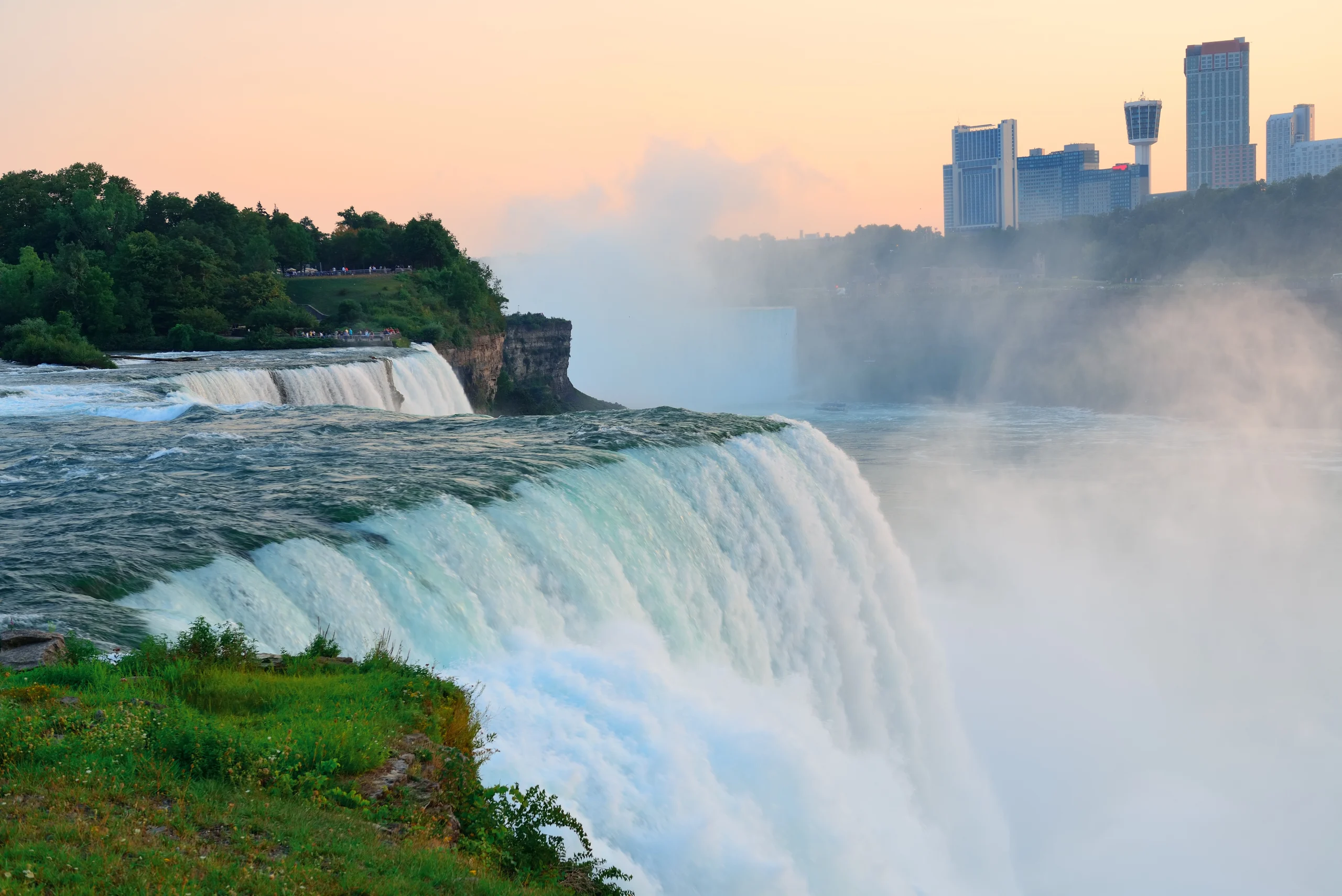
Niagara Falls offers affordable accommodation in New York near one of the world’s most famous natural wonders. The city blends historic charm with emerging creative sectors and tourism-driven jobs, making it appealing for buyers. However, economic challenges and infrastructure needs remain significant considerations.
- Fallsview: A vibrant district close to Niagara Falls State Park. Entertainment options include the Seneca Niagara Resort & Casino and nearby attractions like the Niagara Adventure Theater. Ideal for those wanting an active urban lifestyle near tourist sites such as the Maid of the Mist boat tours.
- Downtown: Offers historic charm along Pine Avenue’s Little Italy with community events at the Niagara Falls Farmers Market and family-friendly areas near Hyde Park. Walkable local shops and eateries thrive on Main Street, with access to trails and parks like the Niagara Gorge Trail and Devil’s Hole State Park.
- LaSalle: Located along the Niagara River, known for waterfront views from LaSalle Waterfront Park and peaceful streets in this residential area. Great for nature lovers who appreciate boating at local marinas and fishing spots along the riverbanks.
- Job Market: Tourism and hospitality dominate, with key employers like Seneca Resorts & Casinos and Niagara Falls Memorial Medical Center. Healthcare, retail, and manufacturing provide additional roles, though high-paying professional jobs are limited.
- Recreation: Along with the iconic Niagara Falls and Niagara Falls State Park, residents enjoy hiking trails, annual festivals, cultural events, and cross-border excursions to Canada for dining and entertainment.
- Weather: Winters are long and snowy, with around 50 days of snowfall annually and about 72 inches (185 cm) total accumulation. Snow covers the ground from mid-December to early March, with real snowstorms possible, though lake-effect snow is more localized near Buffalo.
- Economic Limitations: Limited high-salary job options exist, with the economy heavily dependent on tourism. Healthcare also plays a key role alongside tourism. Overall, employment relies on accommodation, food services, and entertainment rather than diverse high-wage sectors.
- Infrastructure: Aging roads affect 35% of major locally and state-maintained routes rated poor or mediocre, costing drivers $465 yearly in extra vehicle operating costs in the Buffalo-Niagara Falls area. Housing stock varies, with some neighborhoods needing renewal programs to improve physical quality.

Utica is a city with a rich industrial history and a diverse cultural heritage. Utica attracts families, and those seeking a tight-knit community feel. The city has focused on revitalization efforts, with new investments in downtown and historic preservation, creating a blend of old-world charm and modern amenities.
- Downtown Utica: Historic core revives with Munson-Williams-Proctor Arts Institute exhibits, Stanley Theater shows, and eateries like Sarabella’s. Walkable vibrancy on Genesee Street draws young professionals and artists to gallery nights.
- East Utica: Residential haven of affordable single-family homes near T.R. Proctor Park, family-friendly with Utica City School District access and St. Elizabeth Medical Center proximity.
- South Utica: Diverse community thrives in older Colonials, local spots on Mohawk Street, and centers like the YMCA. Trails along the Mohawk River offer hiking and biking escapes.
- Job Market: Manufacturing at Bassett Mechanical, healthcare via Mohawk Valley and Faxton St. Luke’s, education at Utica University, and government roles anchor steady employment. Small businesses on Genesee Street and emerging tech at the Utica Microcredential Center add growth for job careers.
- Recreation: Utica Zoo draws families, Stanley Theater hosts concerts, and Mohawk River trails offer hiking amid seasonal Italian Festival celebrations. Parks like Chancellor Park and Valley View Golf Course support active lifestyles year-round.
- Variety of jobs: Affordable living persists, but Utica’s economy limits high-paying tech or corporate roles beyond manufacturing at Bassett and healthcare at Mohawk Valley Health System.
- Infrastructure Needs: Older Colonials in South Utica and downtown sewers demand plumbing upgrades, as city grants target Genesee Street sidewalks and park renewals steadily.
- Winter Weather: Heavy lake-effect snow from Lake Erie and frigid winds require snow plows and insulated homes, slowing Mohawk River trails and East Utica commutes.
- Educational Resources: Utica City Schools vary with C-grades in East Utica elementaries, prompting families to research Proctor High or private options for stronger performance.

Hornell, known as the “Maple City,” is a small, tight-knit community offering affordable housing and a quiet, suburban lifestyle. The city blends historic charm with access to parks, local shops, and community events, fostering a welcoming atmosphere without the bustle of larger urban centers.
- Downtown Hornell: Characterized by historic buildings like the Federation Building, this area provides a quaint urban feel. Easy access to amenities includes the Hornell Area Transit system and cultural spots like public art installations from the Downtown Revitalization Initiative.
- 19th Ward: A primarily residential neighborhood with a mix of single-family homes and duplexes, known for its affordability and community-oriented residents. Families gather at Shawmut Park playground, walkable from Alfred Hornell Elementary School.
- Beechwood: Shaded by city maples, streets lead to City Line playground and BOCES-built three-bed mobile homes at Beechwood Terrace. This quiet suburb flows to Shawmut Run Creek, ideal for first-time buyers seeking affordable lot rents, including utilities.
- Job Market: Key employment sectors in Hornell include manufacturing, healthcare, retail, and education. Notable employers are Corning Incorporated, Hornell City School District, and the Hornell Community Hospital. The local economy also benefits from small businesses and regional services.
- Recreation: Residents enjoy Glenwood Park, the Hornell YMCA, and nearby state parks for hiking and outdoor activities. Community events like the Hornell Maple Festival celebrate local heritage, while nearby lakes and trails provide year-round recreational opportunities.
- Limited Entertainment: Fewer dining spots like Nick’s Pizza and nightlife beyond local bars on Main Street compared to Rochester, impacting younger residents seeking vibrant scenes.
- Slower Economic Growth: The Economy relies on Alstom rail manufacturing and healthcare at Hornell Gardens, lacking high-tech jobs and prompting commutes to Corning or Bath.
- Winter Weather: Cold, snowy winters with lake-effect snow demand preparedness, affecting drives on Routes 36 and 21.
- Older Housing Stock: Many 1920s bungalows and duplexes need roof or heating updates; inspect for issues common in pre-war builds.

Buffalo is a vibrant city combining affordability, rich history, and culture. It has diverse neighborhoods, a strong community spirit, and a revitalized downtown, with a housing market offering good value compared to other metropolitan areas. Hence, it’s a great choice for seeking urban experiences without the big-city price tags.
- Elmwood Village: Trendy spot with cafes like Spot Coffee, boutiques on Elmwood Avenue, and galleries such as McMaster Contemporary. Walkable vibe with cultural events at Buffalo AKG Art Museum.
- Allentown: Artistic hub with colorful Victorian homes, murals on Allen Street, and bars like Allen Street Hardware. Nightlife draws creatives and young adults to spots like Gypsy Sally’s.
- Parkside: Quiet residential area by Delaware Park, featuring historic architecture and Frank Lloyd Wright’s Darwin Martin House. Families enjoy green spaces and trails in this Olmsted-designed neighborhood.
- Job Market: Buffalo’s economy spans healthcare (Kaleida Health), education (University at Buffalo), manufacturing, and growing tech startups. The city’s resurgence is boosting opportunities in creative industries and small business sectors.
- Recreation: Buffalo offers numerous parks, historic theaters, the Buffalo Zoo, waterfront access to Lake Erie, and cultural festivals year-round. Sports fans enjoy the Buffalo Bills and Sabres games nearby.
- Weather: Winters in Buffalo, NY, deliver heavy lake-effect snow from Lake Erie and sub-zero temperatures, requiring snow tires, shovels, and home insulation prep.
- Economic Transition: Growth in tech and healthcare aids recovery, but neighborhoods like the East Side face poverty concentrations and job gaps post-industrial decline.
- Infrastructure Needs: Aging water mains and roads in older areas like Allentown demand upgrades, even as city bonds fund Delaware Park trail repairs and sewer modernizations.
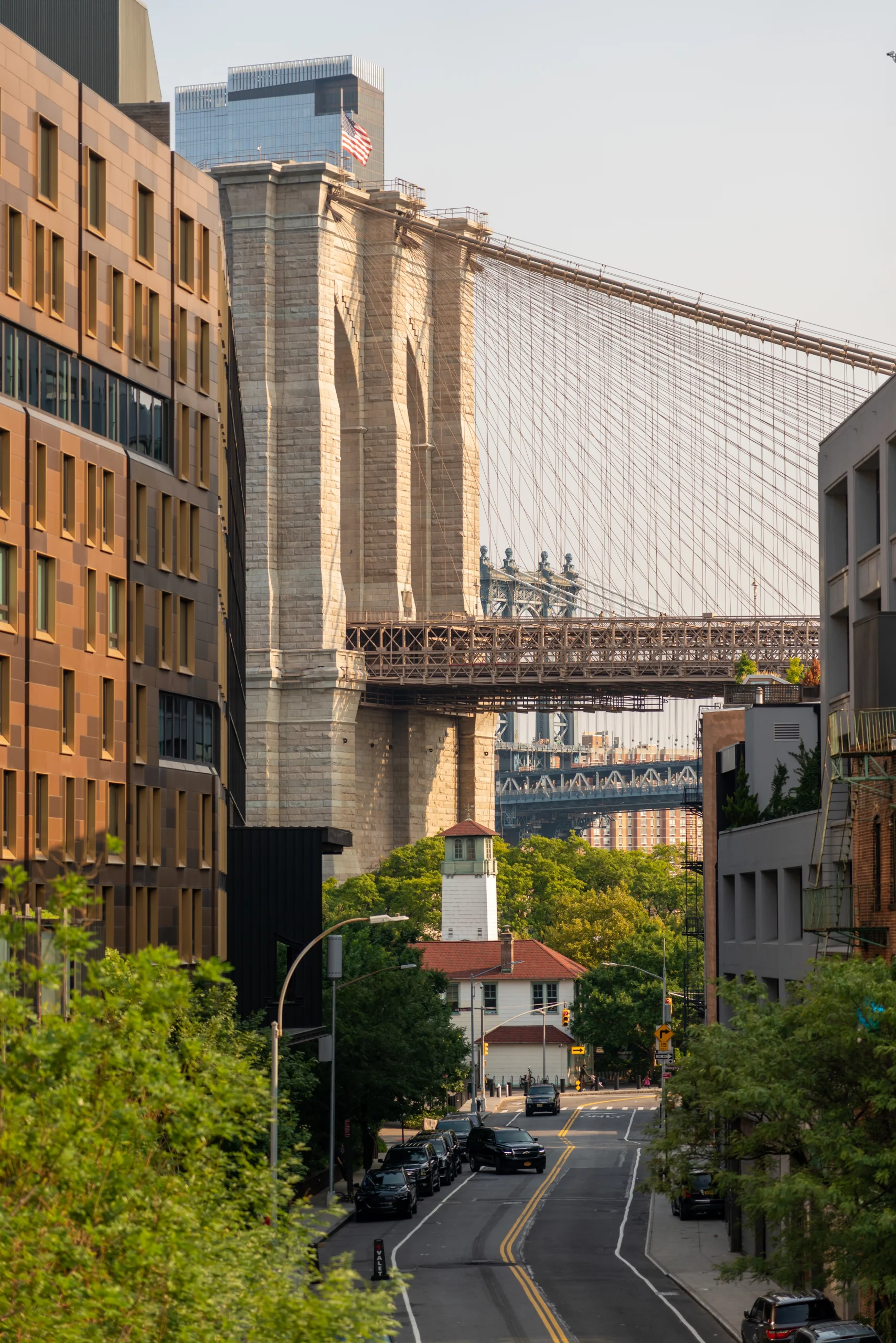
Ogdensburg, located on the banks of the St. Lawrence River, is rich in history and natural beauty. It offers affordable housing, a peaceful riverfront lifestyle, and a close-knit community atmosphere. The city’s and waterfront areas provide residents with recreational opportunities, which appeal especially to outdoor enthusiasts.
- Downtown Riverfront: Heart of the city along the St. Lawrence River with walkable Main Street, historic Fort La Presentation replica, and shops like the River Myst Wine & Cheese Bistro. Vibrant community spaces include the Library Park bandshell, blending residential lofts with boating at the Ogdensburg Marina.
- Diamond/Shade District: Multicultural hub with condo-style living at the Diamond apartments and small-town charm on Ford Street. Hosts cultural events like the St. Lawrence International Jazz Festival and gatherings at the Polish Falcons Club for diverse residents.
- Fort La Presentation District: Preserves French & Indian War heritage with the Fort La Presentation interpretive center, Oswegatchie Educational Farm, and Birchwood Acres Park trails. Offers scenic peace amid the St. Lawrence River bluffs and historical reenactments.
- Job Market: Key sectors include healthcare, education, government services, and cross-border commerce related to its position near the Canadian border. Major employers include the city government, local hospitals, and border agencies like U.S. Customs and Border Patrol.
- Recreation: Residents enjoy waterfront parks, seasonal farmers markets, boating, and fishing opportunities, plus cultural festivals and concerts downtown. Ogdensburg’s riverfront location allows easy access to outdoor activities such as swimming, picnicking, and trail hiking.
- Economic Limitations: Limited high-salary jobs beyond Alcoa plant shifts, U.S. Customs posts, and Claxton-Hepburn nursing roles; high poverty rate of 25%+ pushes many to commute or rely on services/prisons.
- Harsh Winters: Long, frigid winters with heavy lake-effect snow from Lake Ontario and St. Lawrence winds demand constant shoveling, plowing, and home winterizing.
- Aging Infrastructure: Older housing stock on Ford Street and the riverfront needs plumbing/electrical updates; city bridges and roads face maintenance delays amid budget strains.
- Quiet Nightlife: Few options past River Myst Bistro or Polish Falcons events, lacking bars/clubs for young adults compared to Syracuse or Ottawa.
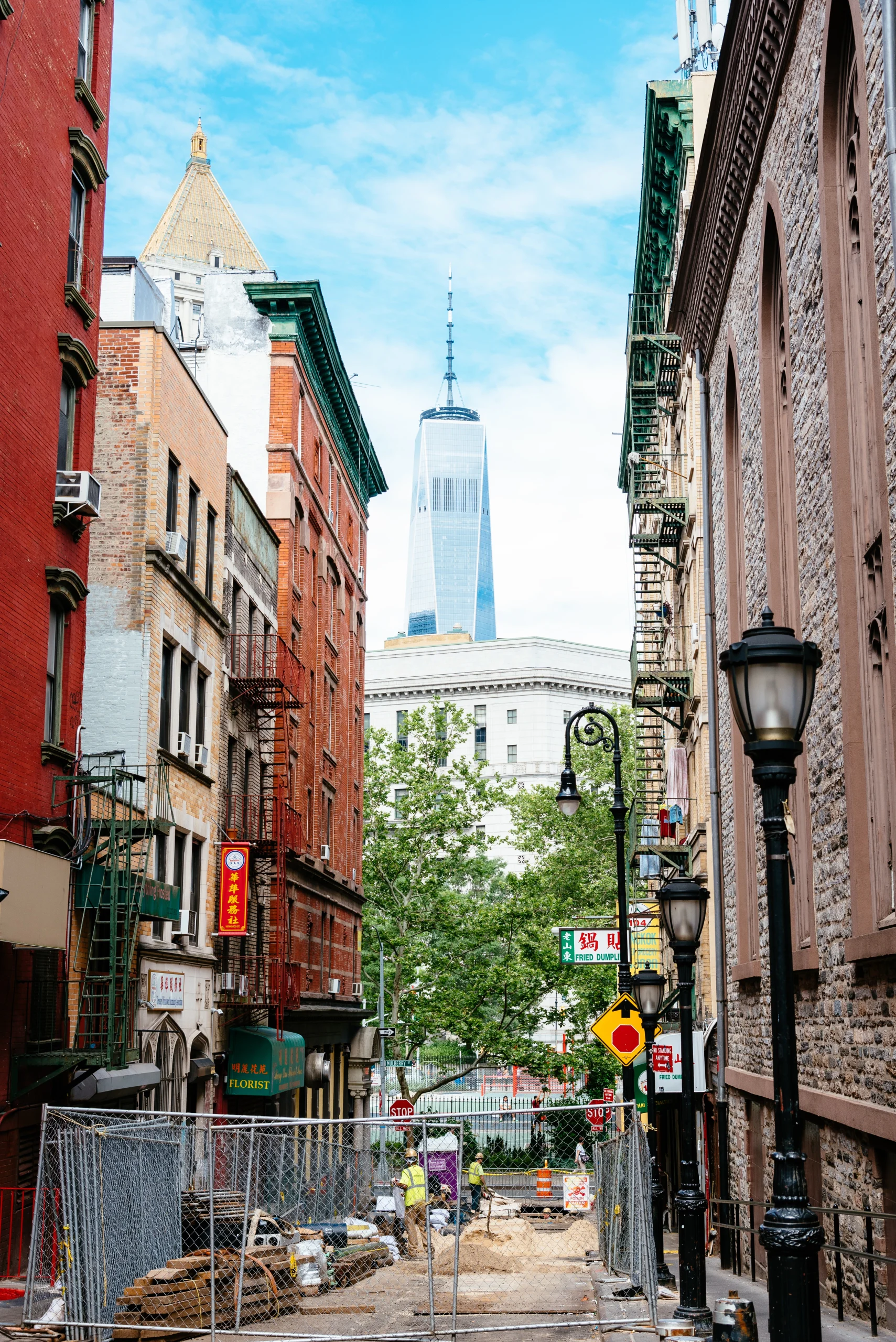
Rochester offers a dynamic blend of urban amenities, rich history, and affordable living. It is known for its vibrant arts scene, abundant parks, and strong community spirit. It boasts a growing economy fueled by education, healthcare, and technology sectors, paired with diverse, welcoming neighborhoods.
- Corn Hill: One of Rochester’s oldest neighborhoods, known for beautiful 19th-century homes and riverfront views. It hosts the annual Corn Hill Arts Festival and offers boutique shopping and fine dining.
- South Wedge: Popular for its eclectic, hip vibe, with a thriving arts community, indie coffee shops, vintage stores, and an active farmers market, attracting young professionals and creatives.
- Maplewood: A historic, family-friendly neighborhood with tree-lined streets, walking trails, and the Seneca Park Zoo nearby, perfect for outdoor enthusiasts and families.
- Job Market: Rochester’s economy is driven by higher education institutions like the University of Rochester, major medical centers like the Rochester Regional Health, and emerging tech and manufacturing firms. It offers a diverse range of jobs from healthcare and education to engineering and creative industries.
- Recreation: The city offers extensive parks such as Highland Park, cultural venues like the Geva Theatre, numerous festivals including the Lilac Festival, and proximity to the Finger Lakes and Lake Ontario for boating and hiking.
- Weather: Winters in Rochester, NY, bring long lake-effect snow from Lake Ontario and sub-zero chills, demanding snow blowers, insulated boots, and prep for frequent school closures.
- Economic Disparities: Neighborhoods like the 19th Ward grapple with poverty and higher crime near Charlotte-Genesee Lighthouse, urging checks on local stats before settling.
- Public Transportation: RTS buses serve Elmwood Village routes, but are limited compared to NYC subways, often requiring cars for suburbs like Maplewood.
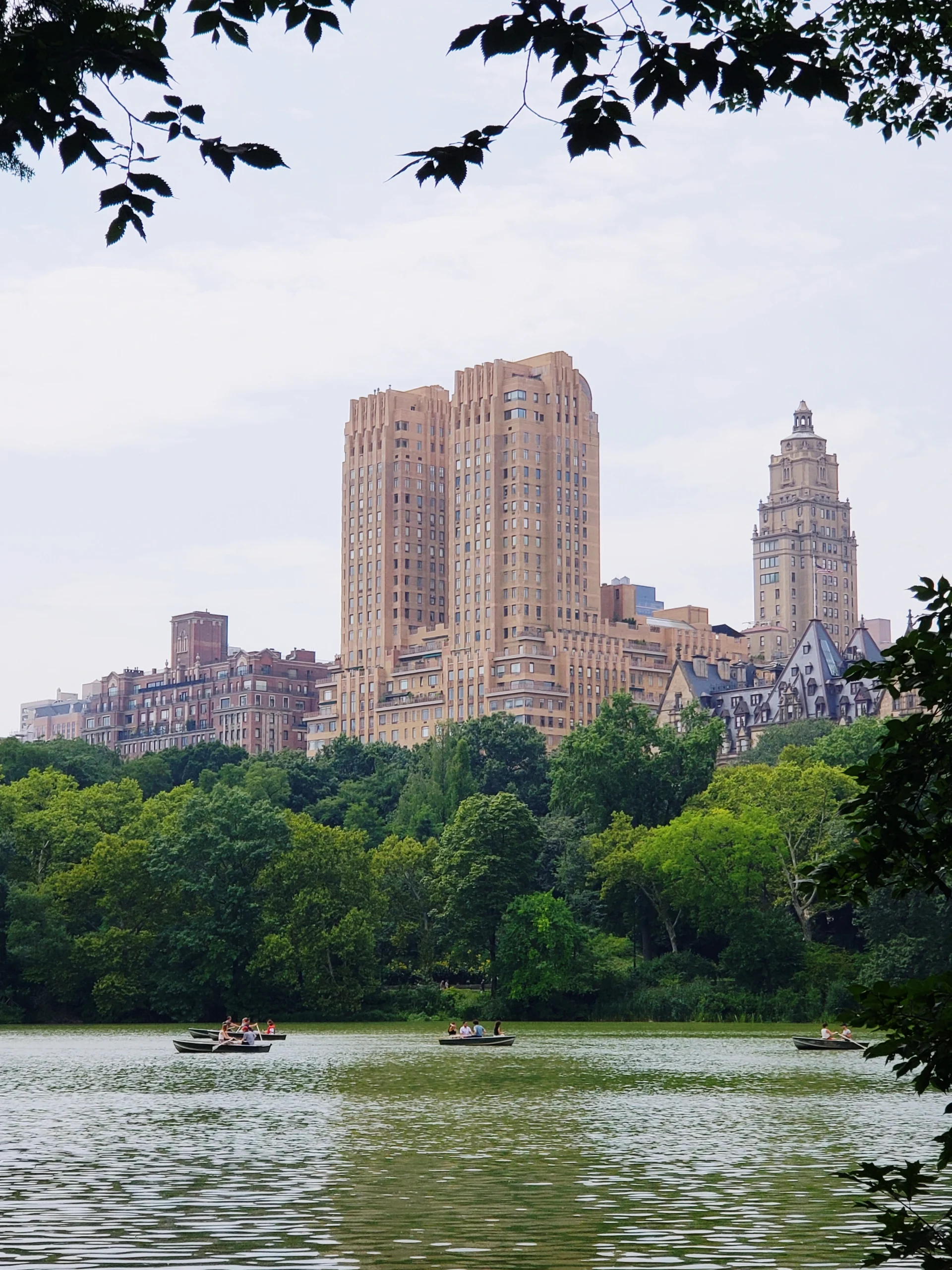
Troy is a historic, community-focused city known for its 19th-century architecture, Hudson River waterfront views, and a growing arts and business scene. It offers affordable living with an urban vibe, making it appealing to those who want a diverse city with convenient access to Albany and the wider Capital Region.
- Central Troy: Near Washington Park with Victorian homes and family amenities like the Troy Savings Bank Music Hall. Blends residential charm, drawing longtime residents to events at the park’s bandshell and farmer’s market.
- Lansingburgh: North of downtown along the Hudson River, offers affordable rowhouses and duplexes near Frear Park. Working-class vibe with local spots like ShopRite, though economic challenges persist in vacant lots.
- Hill Section: Adjacent to Rensselaer Polytechnic Institute (RPI), features older brick homes and student rentals on streets like Pawling Avenue. Popular with young professionals near RPI’s experimental media center.
- Job Market: Troy’s economy is supported by manufacturing, education (notably RPI), healthcare, and emerging tech sectors. Major employers include RPI, St. Mary’s Hospital, and local manufacturing firms. Efforts to boost small businesses and arts have invigorated the job market.
- Recreation: Residents enjoy waterfront parks, hiking trails, cultural venues, farmers markets, and festivals like the Troy River Fest. Proximity to Albany and the Hudson Valley also expands recreational options.
- Safety Concerns: Lansingburgh and South Troy neighborhoods report violent crime rates around 463 per 100,000, higher than New York’s 390 average, with property theft at 2,632 per 100,000 exceeding national figures; consult NYPD maps and locals for safer streets.
- Economic Disparities: Revitalization boosts downtown, but Lansingburgh pockets face poverty, affecting schools like Lansingburgh High and services amid vacant storefronts.
- Infrastructure Needs: Historic Victorian homes in Central Troy demand roof and plumbing upgrades, while city bonds steadily fund Prospect Park sidewalks and Hill Section sewer lines for smoother living.
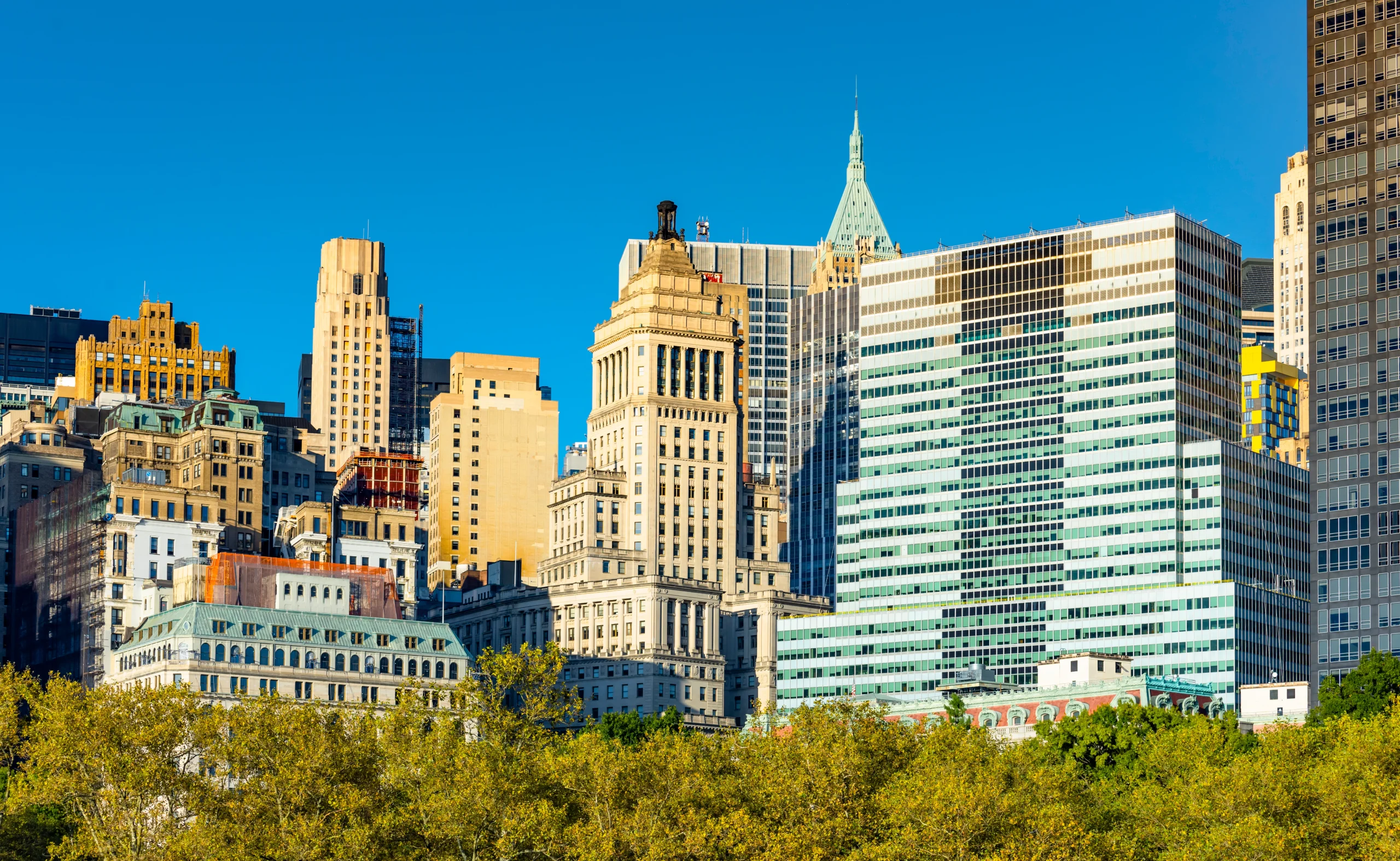
Oneida is an affordable, small city with a diverse population. Located in Madison County, it features an accessible suburban lifestyle and affordable housing. While it offers essential amenities and a quiet environment, economic opportunities are limited, and the city faces challenges related to poverty and public services.
- Downtown Oneida: Walkable Main Street flows from the historic 1880s Oneida County Courthouse to Franco’s Pizza and bustling local shops. Silverware Festival events at the Recreation Center draw crowds celebrating a rich heritage year-round.
- North Side: Cozy bungalows near Durkee Park blend seamlessly into affordable family living. Steps lead from homes to Oneida City Schools and the W.T. Grant playground for easy daily routines.
- West End: CDBG grants steadily revitalize older ranch homes around Allen Park’s green heart. Youth centers and street upgrades foster a vibrant, family-connected community vibe.
- Job Market: The economy revolves around manufacturing, healthcare, retail, and local government. Major employers include local hospitals and small manufacturers. Opportunities in tech and high-paying sectors are limited, with some residents commuting to nearby larger cities.
- Recreation: Residents enjoy parks, local sports leagues, and community festivals. Proximity to the Adirondacks and Finger Lakes adds outdoor options like hiking, fishing, and boating within driving distance.
- Economic Struggles: Persistent poverty lingers in North Side pockets with limited jobs beyond Oneida Ltd. silverware remnants and Madison County services, hindering income stability amid slow diversification.
- Crime & Safety: Crime rates exceed state averages by 15-20% in areas like West End, with property theft prominent; residents research blocks via local police logs for safer choices.
- Education Quality: Oneida City Schools earn mixed C-grade reviews, with resource strains in North Side elementaries prompting families to eye private options or nearby districts.
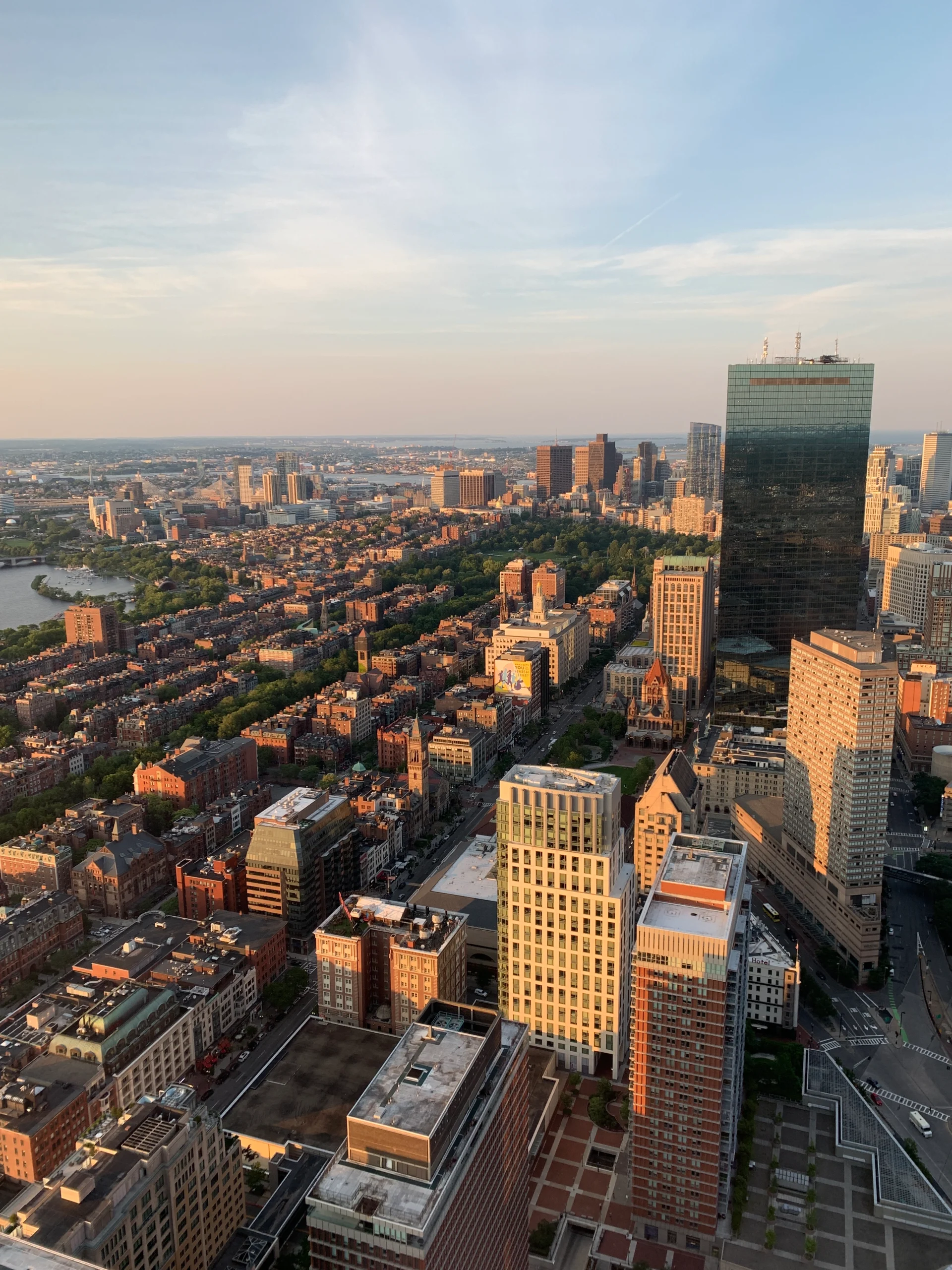
Syracuse is a historic upstate New York city known for its diverse neighborhoods, strong universities, and affordable living. It offers a mix of city amenities, local restaurants, and year-round events. With parks, lakes, and outdoor activities close by, it’s a practical choice for families, students, and professionals.
- Sedgwick: Historic tree-lined streets showcase elegant Tudor homes near Sedgwick Park, favored by families for architectural charm. Tight-knit community gathers at Ward Bakery events and Fowler High School games.
- University Hill: Bustling hub around Syracuse University and Upstate Medical University hospitals like SUNY Upstate, ideal for students and young pros. Urban convenience flows from Marshall Street cafes to Carrier Dome footsteps.
- Strathmore: Suburban charm with Onondaga Lake Park trails and strong vibe at Strathmore Neighborhood Association picnics. Families love city access blended with quiet ranch homes and Thornden Park woods.
- Job Market: Syracuse’s economy centers on Syracuse University education roles, St. Joseph’s Hospital healthcare positions, and emerging tech startups like those in the Syracuse Technology Garden. Manufacturing at Carrier and retail along Erie Boulevard East add steady employment options.
- Recreation: Onondaga Lake Park trails, cultural festivals at Lakeview Amphitheater, and theaters like Landmark Theatre offer vibrant outings. Nearby Finger Lakes wineries and Adirondack hikes provide year-round outdoor escapes for active residents.
- Weather: Harsh winters deliver heavy lake-effect snow from Lake Ontario and biting sub-zero winds, demanding snow blowers, insulated driveways, and prep for school delays in Sedgwick.
- Economic Disparities: South Side and Near West neighborhoods face poverty and elevated theft rates, urging families to research University Hill stats via local alerts for safer blocks.
- Infrastructure: Aging Victorians in Strathmore require roof and sewer updates, even as city projects revitalize Onondaga Lake paths and Sedgwick sidewalks steadily.
- Transit: CENTRO buses link University Hill to downtown reliably, but suburban Strathmore runs need cars more than NYC subways for flexible commutes.
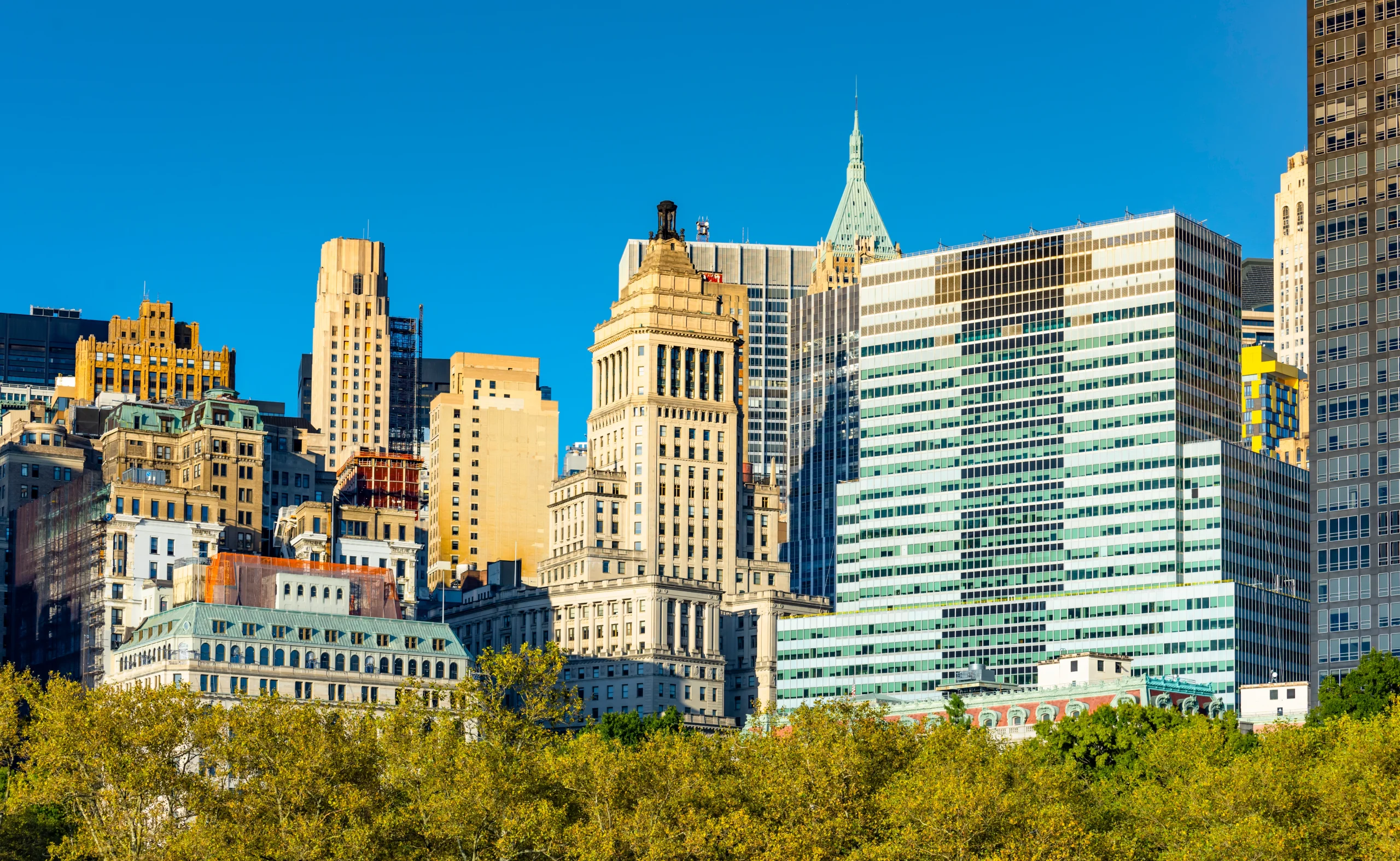
Albany, the state capital, blends historic charm with modern amenities. Its rich architectural heritage and strong government and education sectors create a balanced urban environment. Affordable housing and various neighborhoods allow for different lifestyles, from vibrant city living to peaceful suburban settings.
- Center Square: Historic brownstones line streets near Washington Park, blending cultural vibrancy with Lark Street’s shops, restaurants like Albany Ale & Oyster, and galleries. Popular among young professionals and families drawn to weekend farmers’ markets and live music spots.
- Pine Hills: Tranquil tree-lined residential area offers close access to University at Albany campuses, and The College of Saint Rose via quiet Western Avenue walks. Ideal for families and university staff enjoying New Scotland Woods trails and local cafes.
- Mansion District: Historic rowhouses create a village-like atmosphere around immigrant landmarks like the Madison Theatre, with entertainment at MVP Arena concerts and The Egg Performing Arts Center shows. Walkable vibe suits history buffs and theater lovers.
- Job Market: Albany’s economy thrives on New York State government offices, University at Albany faculty roles, Albany Medical Center healthcare positions, and tech startups in the NanoCollege cluster. Steady opportunities in Nanotech Complex labs and Capitol bureaus support diverse careers.
- Recreation: Washington Park’s Tulip Festival blooms draw crowds, while Lincoln Park trails offer green escapes alongside theaters like The Egg and Albany Institute of History & Art exhibits. Adirondack hikes and Saratoga racing provide weekend outdoor adventures nearby.
- Cost of Living: Moderate overall with rising rents in Center Square brownstones around Lark Street cafes, yet affordable options persist in Pine Hills near the University at Albany. Budget buyers explore Mansion District rowhouses for value amid Capitol-driven stability.
- Winter Weather: Long, snowy winters from Hudson Valley storms demand snow tires, plows, and insulated homes, shaping commutes through Washington Park drifts.
- Neighborhood Disparities: Arbor Hill and South End face blight and hardship with vacant lots, urging homebuyers to research Center Square stats for safer, vibrant blocks.
- Traffic & Transit: Peak-hour I-787 congestion hits commuters, while CDTA buses link Pine Hills reliably but lag NYC subways for suburban Mansion District runs.
Geneva (safety score of 66) and Kingston (safety score of 70) are the cheapest and safest cities in New York State. They offer low crime rates, family-friendly neighborhoods, and a lively, welcoming lifestyle.
Cheapest Cities to Live in New York for Young Adults
These cities combine affordable housing with emerging job markets and community engagement, ideal for young adults seeking to launch their careers while enjoying an enriching social life.
| Rank | City | Why It’s Great for Young Adults |
|---|---|---|
| 1 | Syracuse | Syracuse is a vibrant university city with affordable housing, growing healthcare, education, and tech sectors. Cultural venues, festivals, and a youthful atmosphere support active social lives alongside career opportunities. Uncover homes for sale in Syracuse. |
| 2 | Ogdensburg | Located on the scenic St. Lawrence River, Ogdensburg combines low housing costs with employment in trade, light manufacturing, and logistics. The city benefits from beautiful waterfront parks, a slower pace of life, and access to recreational boating and trails. Discover homes for sale in Ogdensburg. |
| 3 | Hornell | Hornell offers some of the most affordable housing in New York, with tight-knit neighborhoods and jobs in manufacturing, education, and local services. Its small size fosters connections and affordability for first-time homebuyers. Explore homes for sale in Hornell. |
Top Inexpensive Places to Live in New York for Families
Ideal for families, these cities provide affordable housing, reputable schools, safety, and parks, along with community programs that enrich family life and foster growth.
| Rank | City | Why It’s Great for Families |
|---|---|---|
| 1 | Oneida | Oneida offers affordable homes in New York with well-rated schools and access to family programming through parks and recreation centers. It balances small-town friendliness with essential amenities for growing families. |
| 2 | Rochester | Rochester provides a diverse and affordable urban setting with excellent education options, abundant recreational parks, and family-friendly neighborhoods. It blends affordability with a strong cultural scene and community events. Browse homes for sale in Rochester. |
| 3 | Utica | Utica supports families with reasonably priced homes, comprehensive community services, and safe neighborhoods. Its local schools and faith-based organizations contribute to a supportive environment for children. Explore homes for sale in Utica. |
Best Affordable Places to Live in New York for Retirees
Retirees appreciate these cities for their affordable living costs, quality healthcare access, opportunities for social engagement, and peaceful environments ideal for a satisfying retirement.
| Rank | City | Why It’s Great for Retirees |
|---|---|---|
| 1 | Troy | Troy is known for its historic architecture, walkable neighborhoods, and excellent proximity to advanced medical centers. Retirees can enjoy cultural events, safe streets, and pleasant parks for walking and relaxation. You can find cheap homes in New York in Troy. |
| 2 | Batavia | Batavia offers low costs of living, reliable local healthcare, and a strong sense of community. Opportunities for volunteerism, local events, and senior centers make it ideal for active retirees. View homes for sale in Batavia. |
| 3 | Jamestown | Jamestown combines tranquility with affordable houses in New York, providing retirees with quiet neighborhoods, local parks, and accessible senior programs to maintain a healthy and engaged lifestyle. Discover homes for sale in Jamestown. |
3 Hidden Costs to Consider in New York State
Even in the most affordable New York cities, the cost of homeownership extends beyond just the purchase price. Residents should factor in rising property taxes, insurance premiums, and utility expenses when budgeting for the true cost of living in New York.
- Property Taxes: New York has relatively high property taxes compared to the national average, varying widely by county. Taxes often range between 1.5% and 2.5% of the assessed home value, significantly impacting annual housing costs.
- Homeowners Insurance: Due to harsh winters and the risk of storms, insurance premiums in New York can be considerably high, with annual rates typically well over $1,500. Coverage for wind, hail, and flood damage might be necessary depending on location, especially in coastal and riverfront areas.
- Utilities and Heating: Winters in New York drive up heating bills, with many households spending several hundred dollars per month from November through March on heating oil, gas, or electricity. Utilities overall can account for a sizable portion of monthly expenses.
Savings Breakdown: Cheapest Cities to Live in New York
Housing costs vary widely across New York. Niagara Falls residents save $3,700 compared to Manhattan and $1,250 compared to Spring Valley. The following table breaks down these savings by median home price, monthly mortgage, property tax, insurance, and total monthly costs.
| Rank | City | Median Home Price | Avg. Monthly Mortgage | Insurance & Taxes | Estimated Monthly Housing Cost | Monthly Savings vs. Manhattan |
|---|---|---|---|---|---|---|
| 1 | Niagara Falls | $190,000 | $950 | $350 | $1,045 | $3,700 |
| 2 | Spring Valley | $342,000 | $1,850 | $650 | $2,750 | $2,450 |
| 3 | Manhattan | $1,240,000 | $6,000 | $1,500 | $5,200 | – |
Affordable Living Beyond New York
Not sure if the cheapest places in New York to live will fit your budget? Here are a few neighboring states that offer strong employment, top-tier schools, and business growth—without moving too far from New York.
Employment Opportunities
Pennsylvania powers steady careers in manufacturing, healthcare in Scranton, and logistics hubs. These sectors provide reliable wages, drawing commuters from Buffalo or Albany daily. Here are the top 3 cheapest places to live in Pennsylvania:
- Erie: Homes around $150,000, rent near $950, plus lakeside recreation and manufacturing jobs.
- Scranton: Homes around $180,000, rent from $1,050, with major employers in healthcare, education, and logistics.
- Johnstown: Homes near $95,000, rent from $800, offering ultra-low housing costs and access to outdoor trails and rivers.
Education and Schools
New Jersey ranks among the top states for K-12 performance, with 1.8 million students excelling in STEM charters like Uncommon Schools and universities. High graduation rates and AP access make it ideal for families. These are the top three cheapest places to live in New Jersey:
- Phillipsburg: Homes around $275,000, rent near $1,300, with job access in warehousing, healthcare, and the Lehigh Valley corridor.
- Millville: Homes around $240,000, rent near $1,250, with growing industries in aviation, manufacturing, and retail.
- Vineland: Homes around $260,000, rent from $1,300, offering jobs in food processing, logistics, and healthcare.
Business Opportunities
Connecticut fuels entrepreneurship via Yale Innovation Lab accelerators and venture capital in Stamford’s fintech industry, and is home to 7 Fortune 500 firms. Tax abatements and proximity to NYC markets support scaling startups efficiently. Here are the cheapest places to live in Connecticut:
- Waterbury: Median home price around $250,000, rent from $1,300, with city parks, museums, and a revitalizing downtown.
- Torrington: Median home price around $255,000, rent from $1,250, known for scenic hiking, lakes, and a peaceful suburban vibe.
- New Britain: Median home price around $265,000, rent from $1,350, with strong job growth in manufacturing, education, and healthcare.

Want to cast a wider net? Beyond Pennsylvania, Connecticut, and New Jersey, explore the cheapest places to live in the US where your dollar stretches even further.
Where Is the Cheapest Place to Live in New York?
Niagara Falls, Utica, and Hornell are the most affordable cities to live in New York. These areas offer more than low prices; they also provide stable job markets, community engagement, and a cost of living significantly lower than the state average.
If you’re moving to New York New York’s affordable cities offer a variety of lifestyles suitable for different needs. Exploring local listings online makes it easier than ever to find your perfect home and make an informed purchase.
Frequently Asked Questions
What is the least expensive place to live in New York?
The cheapest city to live in New York is Niagara Falls. It offers affordable housing at a median sale price of 190K.
» 10 Cheapest Places to Live in New York: Find out other cheap places to live in New York .
Which is the best place to live in New York?
The best place to live in New York is Syracuse, followed by Rochester, New York City, Albany, Buffalo, Binghamton, and Ithaca.These cities stand out for their thriving job markets, cultural diversity, quality schools, and access to entertainment.
What are the living expenses in New York?
The average cost to live in New York is 70% higher than the national average.
Where are the cheap places to retire in New York on a budget?
Troy,Batavia and Jamestown are among the cheap places to retire in New York on a budget. They offer affordable housing, small-town comfort, and easy access to medical care.
Which cities have the cheapest cost of living in New York?


