


Only a small share of U.S. homes are factory‑built, yet they’re often misunderstood. One must wonder: what is the difference between modular and manufactured homes?
Modular homes follow local building codes, offer customization, and are assembled on‑site, closer to traditional housing. Manufactured homes, built to federal HUD standards, cost less upfront but carry different long‑term value and perception.
Modular home vs manufactured homes – how to make the choice? This blog will explore how these two housing types differ in construction, financing, and long‑term value, helping you decide which option fits your needs best.
Houzeo is America’s best home buying and selling platform.
For Home Sellers: List your home for a Flat Fee, and save 2.5% to 5.5% on the listing agent commission! That’s thousands of dollars extra in your pocket.
For Home Buyers: Houzeo has the most number of houses for sale in US. Start your dream home search now!
Yes! You can list your home for sale or search millions of homes on the Houzeo mobile app!
Download now on the Apple App Store or the Google Play Store.
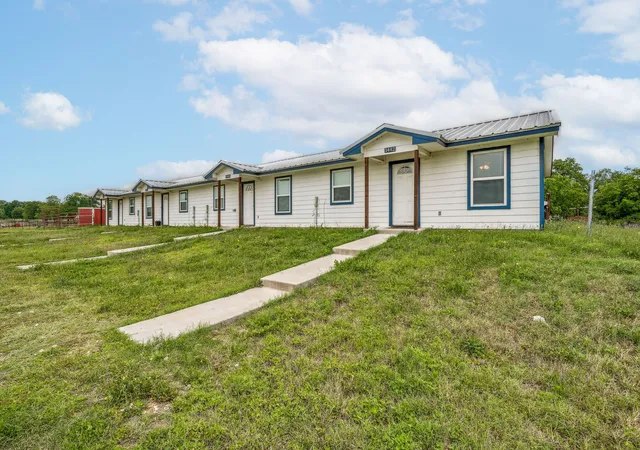


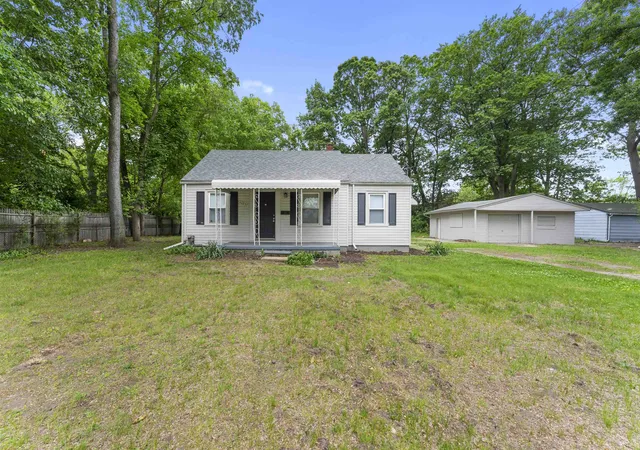


Key Takeaways
- Modular follows local codes: Modular homes must meet state and local building regulations, whereas manufactured homes adhere to the federal HUD code.
- Manufactured housing is more affordable: Buying a manufactured home costs between $80,000 and $150,000, while modular options range from $180,000 to $300,000.
- Modular builds equity: Because they are treated as real property, modular homes typically appreciate in value over time unlike most manufactured homes.
- Customization varies greatly: Modular homes offer high flexibility for design and layouts, while manufactured homes have standardized, limited options.
- Financing differs by type: Modular homes qualify for traditional mortgages, but manufactured homes often require specialized chattel loans with higher rates.
What Is a Modular Home?
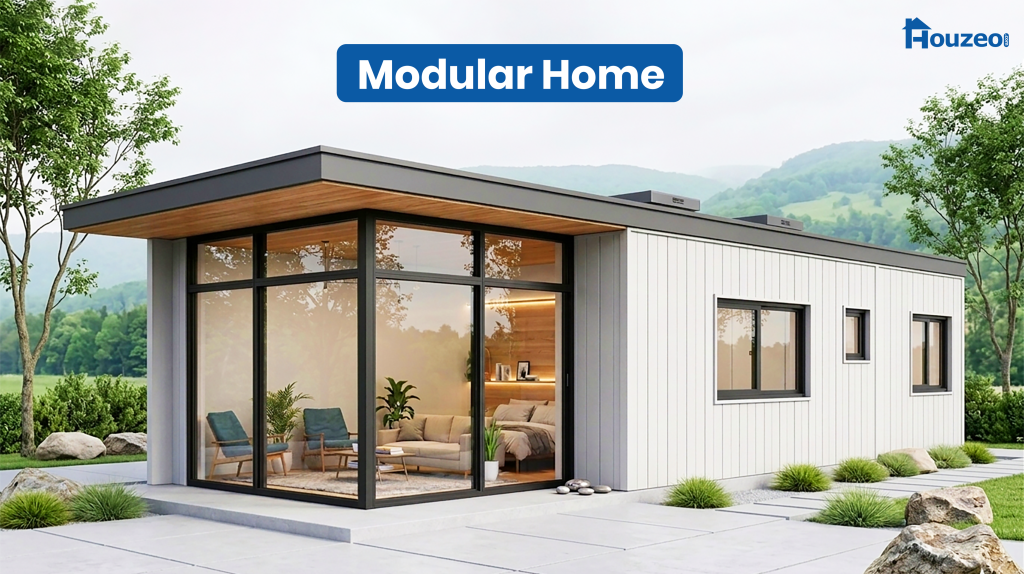
The definition of a modular home says its built in sections (or modules) in a factory setting, then transported and assembled on a permanent foundation at the home site. These types of houses are constructed to meet local or state building codes, just like traditional site-built homes.
The cost of a modular home varies depending on size, location, and customizations. On average, modular home cost ranges between $180,000 to $300,000. That’s often 10-20% cheaper than traditional homes, offering great value with faster construction timelines.
What Is a Manufactured Home?
A manufactured home is also built in a factory, but it is constructed on a permanent chassis. Thus, it adheres to the federal HUD Code rather than local building regulations.
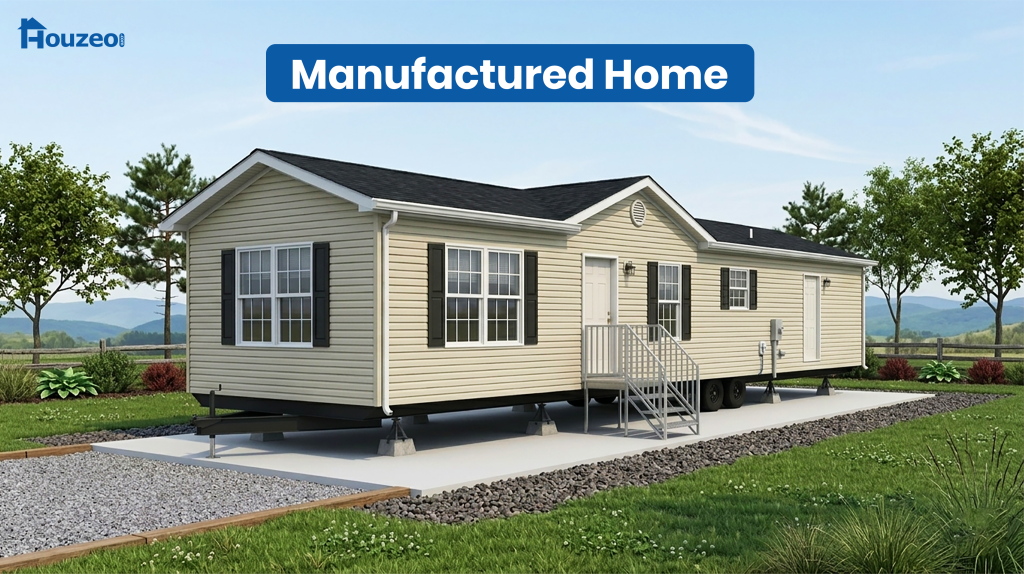
One of the biggest selling points is affordability. Manufactured home prices typically range from $80,000 to $150,000. It is an appealing option for first-time buyers. Also, manufactured house prices remain lower than their modular counterparts due to more standardized production and materials.
Modular vs Manufactured Homes: Key Differences
Here is how to tell the difference between modular and manufactured home:
| Feature | Modular Home | Manufactured Home |
|---|---|---|
| Code Compliance | Local & State Building Codes | Federal HUD Code |
| Foundation | Permanent | Permanent or temporary |
| Transportability | Not movable after installation | Can be relocated (though rarely done) |
| Customization | High | Moderate |
| Price Range | $180K – $300K | $80K – $150K |
| Construction Time | 2–4 months | 1–3 months |
If you’re comparing modular home vs. manufactured home options, consider your long-term plans, financing eligibility, and zoning restrictions.
Pros and Cons of Off-Site Homes
Here are some benefits and drawbacks of modular homes:
✅Pros
- Quality Control: All the modules go through a quality test, helping to build a strong base and structure.
- Flexible Specs: The modular homes are customizable. You can choose the pre-designed module or present your plan to build the house.
- Construction Efficiency: The construction is completed quickly since the modules are 90% pre-ready in factories.
❌Cons
- Land Issues: The cost of renting land can increase if you do not own it. Additionally, the government has banned the construction of modular homes in some areas.
- Extra Cost: You may incur additional expenses when customizing your home.
Here are some pros and cons of manufactured homes:
✅Pros
- Affordable Option: Manufactured homes are one of the cheapest options that you can opt.
- Factory-ready: These homes are pre-assembled and have a chassis with wheels, making them portable.
- Energy Efficient: The manufactured homes come under HUD regulations, resulting in quality and energy efficiency.
❌Cons
- Depreciating Asset: The value of the manufactured houses may decrease over time unless they’re fixed on a permanent foundation.
- Lesser Customization Options: The manufactured homes have few to almost no customization options.
What Are the Financing Options?
When it comes to buying a modular or manufactured home, financing plays a critical role. Unlike traditional stick‑built houses, these factory‑built homes have unique loan structures depending on whether they’re classified as real property or personal property. Let’s break down the most common financing options and how they differ.
1. Conventional Mortgage Loans
Conventional loans are made for buyers aiming at modular homes. They are the closest to traditional financing. Applies primarily to: Modular Homes.
- Eligibility: If the modular home is placed on a permanent foundation and meet local building codes.
- Lenders: Banks, credit unions, Fannie Mae, Freddie Mac.
- Benefits: Lower interest rates, longer terms (15-30 years), higher loan limits.
2. FHA Loans
Designed to make homeownership accessible, FHA loans work for both modular and manufactured homes with specific requirements. Applies to modular & manufactured homes.
- Requirements:
- To opt for an FHA loan, the property must be your primary residence.
- Manufactured homes must be built after June 15, 1976, on a permanent foundation.
- Benefits: Low down payment (as low as 3.5%), more lenient credit requirements.
3. VA Loans
Veterans and active‑duty service members can benefit from VA loans, which often favor modular homes but extend to manufactured homes under HUD compliance. Applies to: both, but more commonly for modular homes.
- Eligibility: Veterans, active-duty service members known as VA, certain reservists.
- Requirements: Permanent foundation, meets HUD code for manufactured homes.
- Benefits: No down payment, no private mortgage insurance (PMI).
4. USDA Loans
For rural buyers, USDA loans open doors to affordable financing for both modular homes and manufactured homes. Applies to: Both manufactured and modular homes in rural areas.
- Requirements:
- Home must be in a USDA-eligible rural area.
- Borrower must meet income limits.
- Benefits: No down payment, low interest rates, government-backed.
5. Chattel Loans
Manufactured homes not tied to owned land often rely on chattel loans, which treat the property as personal rather than real estate. Applies to: Manufactured Homes not on owned land (personal property).
- How it works: Loan is for the home only (not the land).
- Terms: Typically shorter (15–20 years), higher interest rates.
- Use case: Manufactured homes in parks or leased land situations.
6. Personal Loans or Dealer Financing
When homes don’t qualify as real property, personal loans or dealer financing provide a quicker path to home ownership. Applies to: mostly manufactured homes.
- Used for: Homes not classified as real property.
- Pros: Easier qualification, fast approval.
- Cons: High interest rates, shorter terms, limited loan amounts.
7. State and Local Housing Programs
Many states offer down payment assistance, tax credits, or special loan programs for factory-built housing. Check with your local housing authority or HUD-approved lenders.
Which Home Should I Opt?
There is no one-size-fits-all answer. Modular homes are ideal for buyers seeking long-term investment and appreciation. Manufactured homes cater to those prioritizing affordability and flexibility. Your decision should align with your financial goals, lifestyle, and plans.
Modular homes are built in sections and assembled on-site, offering greater customization and higher resale value. In contrast, manufactured homes are fully factory-built and typically more affordable upfront.
The right choice depends on your budget and lifestyle needs. To make an informed decision, explore homes for sale on Houzeo, America’s best home buying website.


