It is 1:15 a.m.
You opened one tab to look at “homes for sale.” Forty-five minutes later, you have 37 tabs open, three mortgage calculators running, and a mid-century home saved despite it being $200,000 over budget.
Welcome to modern house hunting.
You aren’t alone. More than half of buyer activity happens after 6 p.m. In fact, nearly 3 in 10 searches happen between midnight and 6 a.m., according to the 2026 Home Buyer Report.
But late-night scrolling can quickly become overwhelming. You’re comparing prices, neighborhoods, commute times, home features, and mortgage estimates across dozens of listings.
Finding the right home is not about scrolling through more listings. It is about knowing what to search for and what to rule out.
This guide explains how to search for a home in 2026, from setting your criteria and choosing a location to comparing listings and finding a home you’ll love.



Key Takeaways 🗝️
- Set your budget before you fall in love with a listing: Know your monthly baseline, including property taxes and fees, before bookmarking homes.
- Know what you want before you start filtering: Separate must-haves from nice-to-haves so you don’t overlook good homes.
- Choose your location before narrowing your search: Consider lifestyle, commute times, and surrounding areas before settling on one neighborhood.
- Research, tour, compare, and then make an offer: Review disclosures, tour homes in person, compare recent sales, schedule a home inspection for your top choice, and evaluate the numbers before moving forward.
Does Your Dream Home Fit Your Budget?
It’s easy to get swept away by marble countertops and manicured lawns. But before you let a house steal your heart, make sure it won’t empty your wallet.
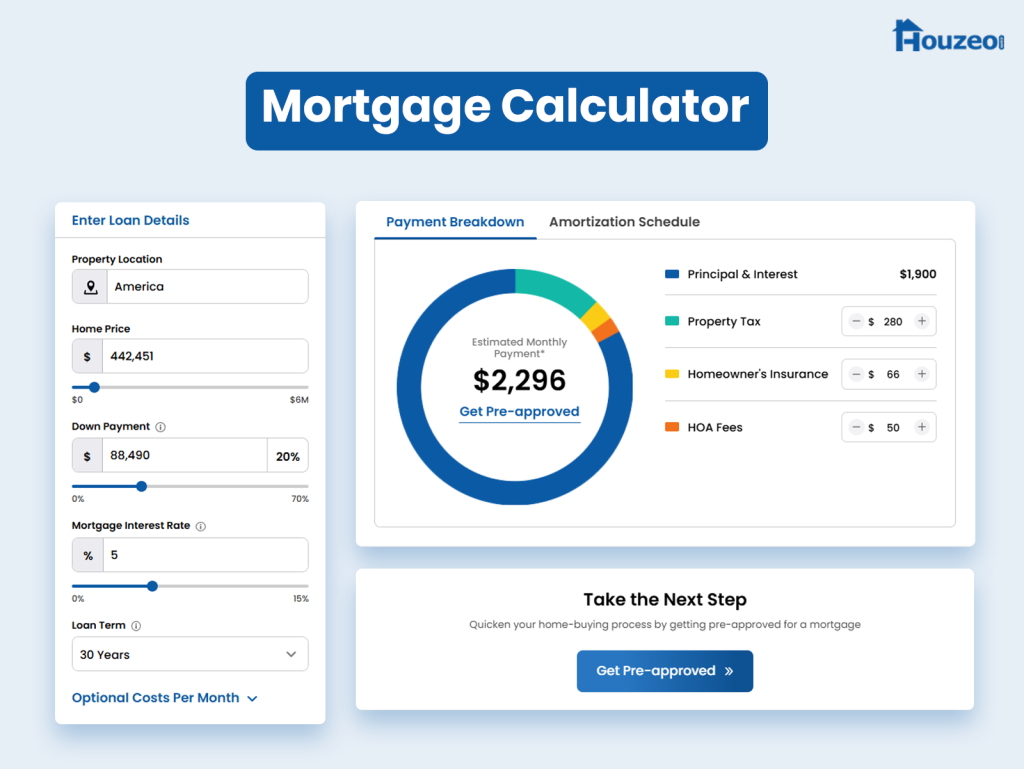
A great budget looks past the helfty price tag and factors in the actual cost of living there. If you need a mortgage, getting pre-approved gives you an honest price cap before you start swooning.
Adding those mortgage figures into a mortgage calculator shows you what your monthly payment actually looks like. No guesswork, no scary surprises later.
Think of your budget as your voice of reason. It keeps you from falling hopelessly in love with a place you can’t comfortably afford.
All Roads Lead to Home, But Which One? 📍
Your dream home may have an address. Your search should not start with one.
Before you pin down a city, let your eyes wander the map a little bit more. The right place might be across town, one neighborhood over, or even a state away.
Cast a Wider Net Across the Country
Maybe you’ve always pictured yourself in a beach town, retirement has you itching for a slower pace, or a new job is sending you across the country. Whatever is pulling you toward a new place, let your home search stretch beyond the familiar.
Think of this as the “what if?” stage of your home search. What if the city next door has more of the homes you want?
Compare cities, towns, and states based on the homes, communities, and lifestyle they offer. NAR’s 2025 survey found that 45% of interstate movers cited affordability as their primary reason for relocating, up from 38% in 2022.
Once a few destinations catch your eye, it’s time to zoom in on the neighborhoods.

Home Search Tip🔍 On a budget? Explore the cheapest places to live in the US and give your home search a few more options.
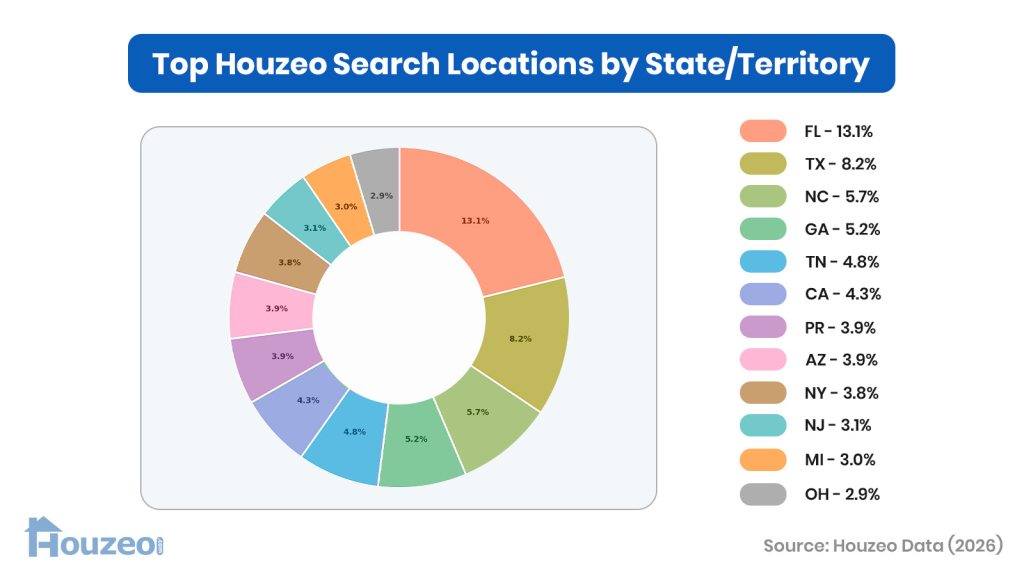
Thinking about a move? 2026 buyer data cites states like Florida, Texas, and North Carolina at the top of every buyer’s wish relocating list, with Florida driving a massive one-eighth of all searches.
And the search patterns give you a peek at what buyers are after:
- For buyers done with snow, where Florida pool homes dominate in spots like Delray Beach, Melbourne, Wellington, and Coral Springs.
- Texas keeps pulling people in who want homes with backyards, extra square footage, and actual room to grow without completely cutting ties to major hubs like San Antonio, or Houston.
- Seeking a total reset, whether for retirement or a quieter pace leads buyers to North Carolina mountain view homes, featuring tree-lined settings, and scenic privacy around Black Mountain and Mills River.
- Georgia ranch homes and properties let young tech professionals working for “Silicon Peach” giants like Google, Microsoft, or Amazon keep their Atlanta city salaries while enjoying quiet acreage in Milton, Dawsonville, or Fairburn.
If your idea of a fresh start sounds like any of these, you may want to add them to your relocation shortlist.
Zeroing In: Neighborhoods
You’ve found the city. Now, zoom in.
Your priorities will start narrowing the map. Families may care about schools, parks, and shorter commutes. Retirees may prioritize warmer weather, lower-maintenance homes, and nearby amenities like what. Young professionals may want nightlife, walkability, or a shorter trip to work.
Think about your normal Tuesday, not just your ideal Saturday.
How long will the commute take? Where will you buy groceries? Is the nearest park actually nearby? Does the neighborhood still work when the weekend ends?
Then look at the communities that fit that routine. Compare available homes, HOA costs, amenities, and everyday conveniences before narrowing your search further.
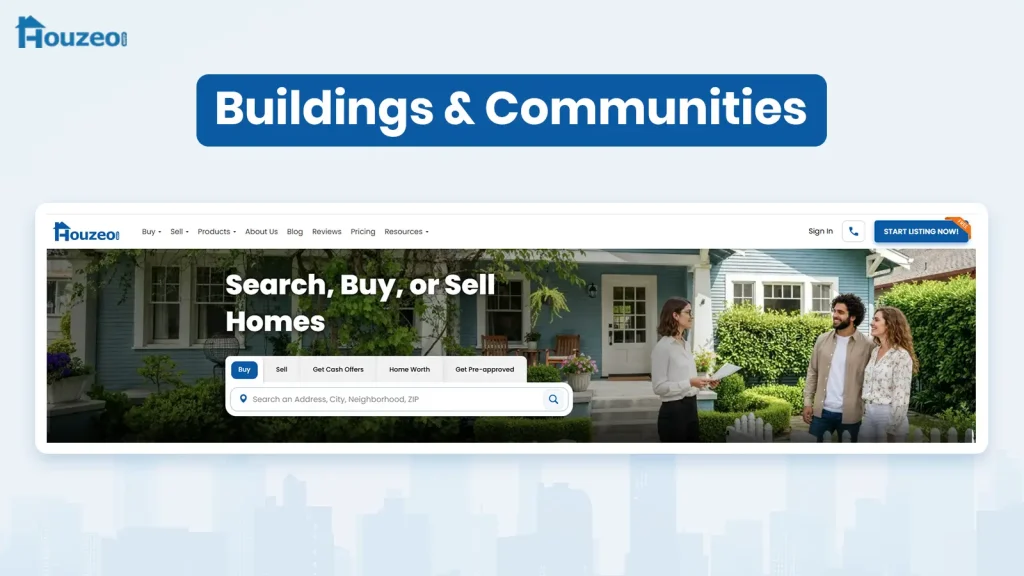
Once a building or development catches your eye, it’s a good idea to check out the neighborhood to see if you’d actually like living there. You can use Buildings & Communities to look up specific properties, and read neighborhood guides to get to know each area first. Once you know the vibe, you can compare different spots side-by-side to find your dream home.
You know where you want to live. Now, let’s figure out what the right home looks like.
How Do You Pick Must-Haves Before Every Home Looks Like “The One”?
You found the right area. Now comes the fun part: finding the right home.
Before you start saving dozens of homes on your phone, map out your baseline.
A home looks amazing online until you notice it’s short a bedroom, lacks a garage, or forces you into a pricey HOA. A little clarity now can save you from a lot of second-guessing later.
Start With the Basics of Your Home Search
Most of us start with the same mental picture: a classic two-story house with a white picket fence and a sprawling lawn.
In reality, your search may be much broader.
Recent 2026 data shows that 71.5% of buyers are looking beyond traditional single-family homes. In fact, over 70% of bedroom-searches are for cozy two or three-bedroom homes.
That means your ideal home might be a townhouse, condo, manufactured home, or a smaller layout that simply works better for your life.
Before all those real estate photos start blurring together, grab a coffee and sort your expectations into three simple buckets. If you’re a family of four, here is what your checklist should look like:
| 🛑 Non-Negotiables | ✨ Nice Bonuses | 🚫 Deal-Breakers |
|---|---|---|
| At least 2 bedrooms | Quartz countertops | Unsettled foundation cracks |
| A 2-car garage | Original hardwood floors | Backing directly onto a highway |
| Dedicated office space | Fully fenced backyard | HOA fees outside your budget |
| Main-floor living space | Finished basement | Significant hazard concerns |
Your list does not need to be perfect. It just needs to help you recognize a good fit when you see one.
Turn Your Must-Haves Into a Search for Homes
A quick Googling can open the floodgates to endless real estate listings. Even with your must-haves in mind, finding the right ones can take hours. This is where better search filters can save time.
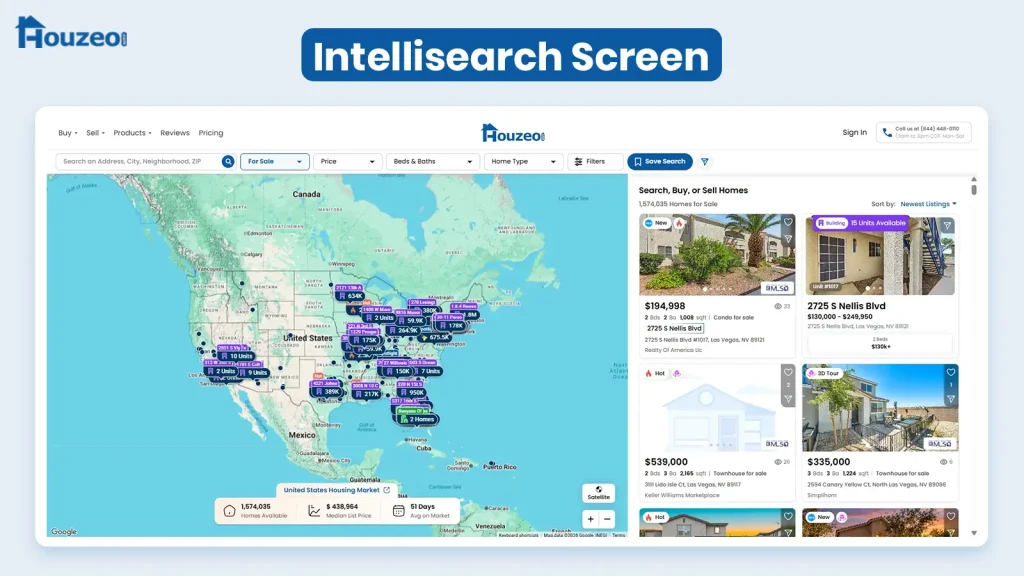
Houzeo’s super-smart home matchmaker, IntelliSearch, lets you do just that. Think of it as your personal listing filter. Start with the basics, then filter around what actually matters to you.
Set your price range, bedrooms, bathrooms, home type, square footage, lot size, year built, and HOA limit. Then add the details that matter to you. Maybe you want a backyard for the dog, a guest suite for family, or a pool for the summer. You might picture a modern home, a farmhouse, a ranch, or a Victorian home.
The more clearly you define your priorities, the easier it becomes to search for homes that actually fit them.
Make Your Search Even More Specific
Not every must-have fits neatly into a filter.
You can sometimes filter by your keyword search when you have something specific in mind. You might be looking for a tiny home, a farm home, or a property with a particular feature.
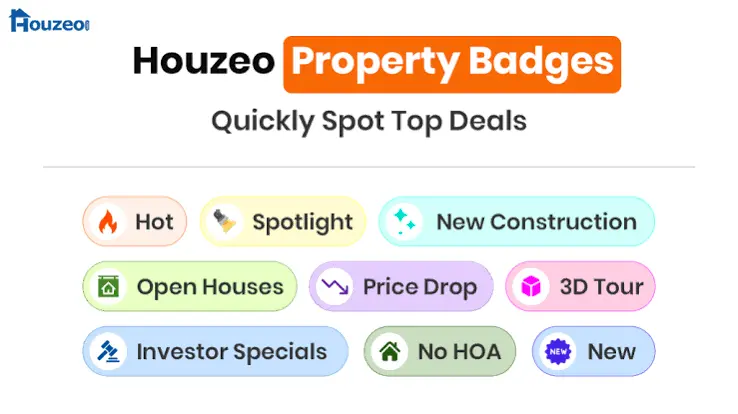
Badges such as “new construction”, “price cut”, “open house”, “3D tour”, and “no HOA” can help you spot listings worth another look.
Found a combination that feels right? Save the search. Give your favorite folder a name like “My Dream Home.” You can also set alerts for your target area, so you know when a matching home appears or a listing changes.
That turns random house searching into a repeatable home search process.
You can keep that search going from your phone, too. Houzeo’s mobile app lets buyers search for homes, save favorites, request or manage showings, and submit offers.
Like the Listing? See These Homes for Sale in Person 👀
You’ve narrowed your home search to a few promising homes for sale. Now it’s time to see what the listing photos cannot show.
A 3D tour can also help you get a better feel for the space before visiting. Start with an open house when one is available. Walk through each room, check the layout, and notice details that are easy to miss online.
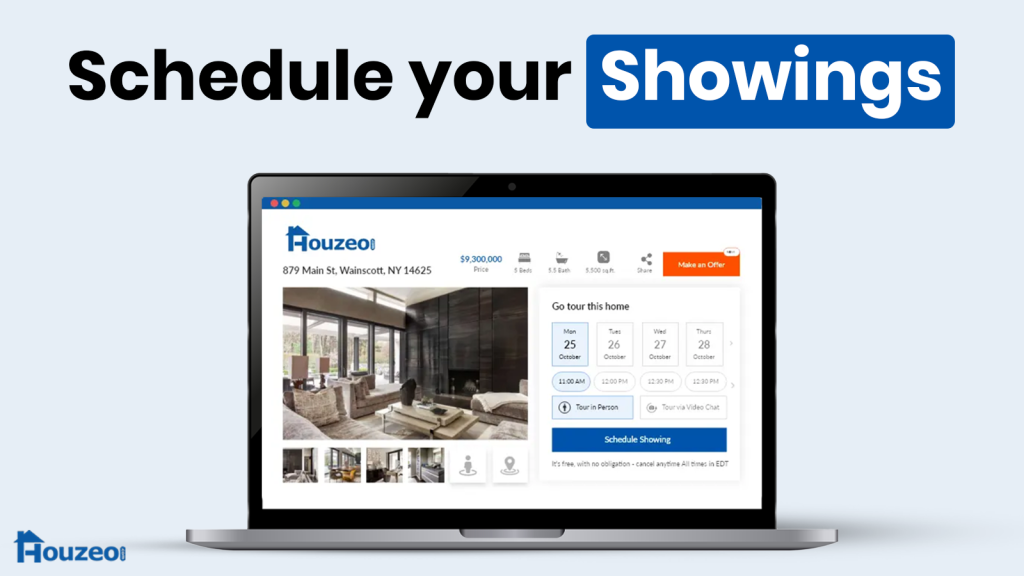
When you tour a home, look beyond the staging. Check natural light, storage, room sizes, windows, floors, and overall condition. Know what questions to ask when touring a house to get a clearer picture of what you’re buying. You can also request and manage showings through Houzeo’s web or mobile experience.
By now, your list should be getting shorter.
Found Your Favorites? See Which Home Is Worth It
You have seen the homes, spotted potential problems, and cut the list down. Now comes the harder question: which home offers the most value for you.
Put your finalists side by side and compare more than their asking prices. Look at size, age, condition, home type, features, and recent sales for similar properties nearby. Then consider the neighborhood.
Two homes with similar features can have different values because of their location, surroundings, and local market.
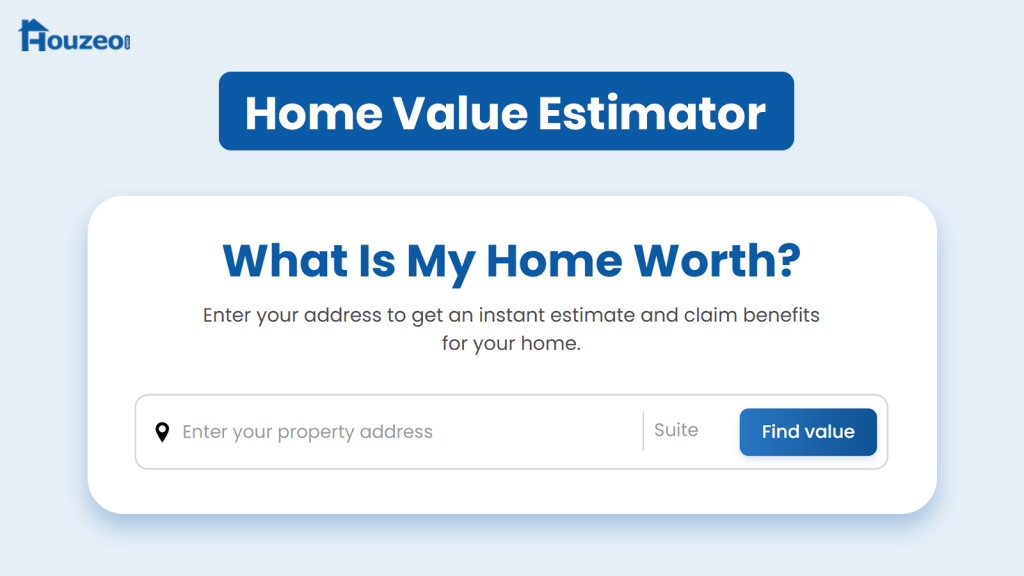
A home worth calculator can give you a starting number to negotiate. Use it compare your finalists, even when they sit in different neighborhoods. Treat the estimate as a comparison point, not a final answer. Pair it with comparable sales, property conditions, and neighborhood factors.
Beyond the Home’s Asking Price: What Will the Closing Cost? 💵
The asking price is only part of what you’ll spend when buying a home.
Before choosing your finalist, account for lender title insurance, inspection and appraisal costs, potential repair credits, and other closing expenses. Your exact costs can vary based on the property, loan type, location, and transaction.
A closing cost calculator can help you estimate those expenses before you commit to a property. Then compare the estimate alongside the asking price and estimated home value.
A home with the lower asking price may not have the lower overall cost. That distinction matters when two homes look similar on paper.


House Hunting? Avoid These 5 Mistakes ❌
A home can look perfect until the numbers, paperwork, or inspection tell another story. Watch out for these mistakes before one listing becomes your favorite.
- Shopping Before Pre-Approval: Browsing homes without knowing your financing range can waste time. Get pre-approved so you can search within a realistic price range.
- Ignoring Total Monthly Costs: The mortgage payment is only one part of the bill. Property taxes, insurance, HOA fees, and utilities can significantly increase your monthly costs.
- Draining All Your Savings: Putting every dollar toward your down payment leaves little room for surprises. Keep cash available for moving costs, repairs, and emergencies after closing.
- Skipping the Home Inspection: Waiving an home inspection can leave costly problems undiscovered. Issues like roof damage, faulty wiring, or foundation problems may require major repairs later on.
- Making Major Financial Changes: New debt or employment changes can affect your mortgage approval. Avoid opening credit accounts, financing large purchases, or changing jobs during the loan process.
When in Doubt, Ask an Expert Consulting the right professionals can help you avoid costly mistakes during a real estate transaction. Talk to a real estate agent or mortgage lender, and have a home inspector assess the home before making an offer.
Search Party’s Over. Time to Make Your Move
You’ve compared the homes, checked the numbers, and narrowed your list.
Now the search starts turning into paperwork, deadlines, and next steps.
Once you make an offer, you need to track documents, contingencies, inspections, financing milestones, and other transaction details. Keeping those moving pieces organized can make the process easier to flow.
DigiTransact brings transaction milestones, tasks, notifications, and reminders into one place, so you can see what is coming up and what still needs attention.
The goal is simple: fewer loose ends while your home purchase moves from one step to the next.
Ready to Search Smarter for a Home? 🏡
House hunting can start with dozens of tabs and end with one clear favorite. Once you find the right home, knowing how to buy a house can help you move from searching to making an informed decision. Houzeo helps bring that search into one place, so you can spend less time jumping between listings and more time getting to know the homes that fit.
Take your time, compare your options, and look beyond the pretty photos. The home worth choosing is the one that still makes sense after you look closer.
Happy house hunting!