Now! Spring and early summer add thousands of homes to the market. This is also the season that’s got the most competition. A single-family home valued at $350,000 in Columbus could cost $365,000 in May but just $319,900 in January.
Late summer and winter provide room for negotiation, but there will be limited homes for sale in Ohio’s real estate market.
If you want to shop around before experiencing the Buckeye State, now is the best time to look at charming single-family homes for sale in Columbus, Ohio, or cozy condos for sale in Cleveland.
Houzeo is America’s best home buying and selling platform.
For Home Sellers: List your home for a Flat Fee, and save 2.5% to 5.5% on the listing agent commission! That’s thousands of dollars extra in your pocket.
For Home Buyers: Houzeo has the most number of houses for sale in Ohio. Start your dream home search now!
Yes! You can list your home for sale or search millions of homes on the Houzeo mobile app!
Download now on the Apple App Store or the Google Play Store.



Key Takeaways
- Competition is peaking right now (April 13–19): A wave of spring buyers enters Ohio’s housing market, increasing the chances of bidding wars and faster sales.
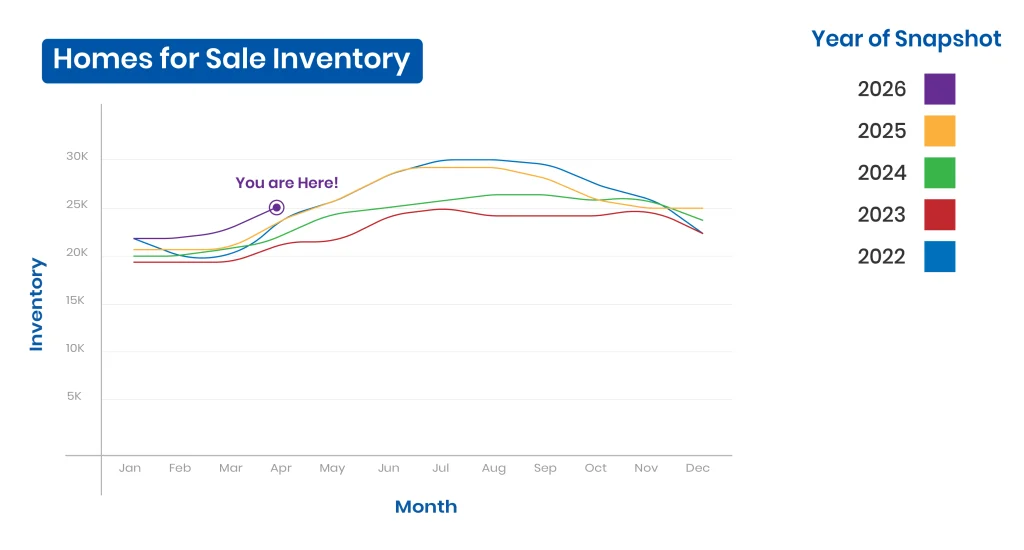
- Inventory is rising through April and May: Late spring brings the highest number of homes to the Ohio market, giving buyers more choices across cities and suburbs.
- Price cuts peak from late October through mid-November: Sellers often reduce prices before winter and the holiday slowdown to attract buyers.
- Buyers get an edge in early November (Nov 2–8): Buyer competition usually slows during this period, giving shoppers more negotiating power and options.
Which Is the Best Season to Buy a House in Ohio?
Winter is the best season to buy a house in Ohio due to past real estate seasonality. While spring offers peak inventory and selection, fall and winter bring better pricing and reduced competition. Here’s a season-wise breakdown of the best time to buy a house in Ohio:
Spring (March-May) 🦋
Spring is Ohio’s busiest home-buying season, with the most new listings hitting the market. Ohio has seen 29 consecutive months of active listing growth, with 37,952 homes for sale statewide, offering an extensive selection across neighborhoods and price points.
Increased competition means sellers hold firm on pricing and contingencies, reducing negotiation leverage. Ohio house prices decline during peak spring months, with multiple-offer situations remaining common in supply-constrained markets.
- Offer Strategy: Submit competitive offers with minimal contingencies. Consider adding escalation clauses in high-demand neighborhoods like Dublin, Upper Arlington, or Hyde Park in Cincinnati.
- Pricing Approach: Expect to pay closer to the asking price; budget for 95–100% of the list price in competitive areas. Ohio’s sale-to-list ratio sits at 98.3% statewide.
- Timeline: Plan 30–45 days from offer to close. Secure your pre-approval and inspection companies early.
- Affordable Places to Buy a House: Youngstown, Canton, Mansfield, Toledo, and Steubenville are some of the cheapest places to live in Ohio.
- Expensive Places to Buy a House: Indian Hill (Village), New Albany, Dublin, Upper Arlington, and Pepper Pike.
Summer (June-August) 🌞
With inventory building through June, buyers gain more negotiating power on price, repairs, and closing costs. Early-summer demand remains strong, but competition usually slows later. Median home prices remain relatively stable, although inventory gradually tightens after summer peaks.
Unlike coastal markets, Ohio avoids hurricane-related disruptions and major weather delays during transactions. However, strong job growth in Central Ohio and Cincinnati continues to support demand for well-priced suburban homes throughout the summer.
- Offer Strategy: Leverage longer days-on-market with below-asking offers. Request seller concessions for closing costs or repairs on homes listed 60+ days.
- Pricing Approach: Target sellers accepting roughly 5% less than the asking price on stale listings. Homes listed 60+ days are prime negotiation targets.
- Timeline: Plan 30–45 days to close. Build in flexibility for inspection and appraisal scheduling in busier markets.
- Affordable Places to Buy a House: Dayton, Springfield, Warren, and Lima.
- Expensive Places to Buy a House: Powell, Hudson, Bexley, and Worthington are also some of the best places to live in Ohio.
Fall (September to November) 🍂
Fall offers some of Ohio’s most buyer-friendly pricing. More homes see price reductions after the busy summer season, and buyers often gain better negotiating power on price, repairs, and closing costs. Inventory also tends to stay higher through October, while buyer competition continues to slow.
However, colder temperatures and the approaching holiday season can reduce buyer activity later in fall. Some sellers pause listings around Thanksgiving and December, which may slightly reduce inventory toward the end of the year.
- Offer Strategy: Target homes with 90+ days on market. Negotiate aggressively for 10–15% below asking on dated or cosmetically challenged properties.
- Pricing Approach: About 1.7–2.5% of Ohio homes see price discounts the week of Oct. 12–18, so submit offers on recently reduced listings.
- Timeline: Close before Thanksgiving to avoid holiday processing delays. Schedule inspections early to mid-October for the smoothest transactions.
- Affordable Places to Buy a House: Toledo, Akron, Cleveland, Zanesville, and Portsmouth.
- Expensive Places to Buy a House: Chagrin Falls, Orange Village, Indian Hill, and Pepper Pike.
Winter (December to February) ☃️
Winter is Ohio’s slowest season for homebuyers, with prices often softening between December and February. Buyers usually face less competition and gain stronger negotiating power on closing costs, repair credits, and seller concessions.
However, winter weather and holiday schedules can make showings, inspections, and moving timelines more challenging. Inventory also tends to decline in late December as some sellers temporarily pause listings during the holiday season.
- Offer Strategy: Submit offers 5–8% below asking on homes listed 60+ days. Request seller-paid closing costs (typically $5,000–$11,000, depending on loan type and county).
- Pricing Approach: Focus on December listings from sellers needing year-end closings. Motivated sellers in this window are often willing to negotiate on both price and concessions.
- Timeline: Close by December 31 to establish homestead exemption eligibility sooner for qualifying buyers. Avoid the last two weeks of December due to holiday closures at title companies.
- Affordable Places to Buy a House: Portsmouth, Chillicothe, Ironton, and Zanesville.
- Expensive Places to Buy a House: Dublin waterfront, Powell, Granville, and Hudson.
Yes. Ohio’s Homestead Exemption can reduce the taxable value of an eligible primary residence by about $29,000, which lowers annual property taxes. The amount is adjusted periodically for inflation and applies only to qualifying primary homes, not second homes or investment properties.
Yes, Ohio builders commonly offer cold-weather and year-end incentives. Common incentives include:
- Mortgage Rate Buydowns: Lower introductory mortgage rates to offset higher borrowing costs.
- Closing Cost Assistance: Credits toward closing costs, lowering the upfront cash needed.
- Price Reductions: Discounts on spec homes and move-in-ready properties before winter.
- Upgrade Allowances: Free upgrades such as finished basements, garage features, or kitchen appliances.
Why do these incentives exist?
- Winter Slowdown: Colder weather and holiday schedules reduce buyer activity across Ohio.
- Year-End Sales Goals: Builders push to close more deals before the end of the year.
- Unsold Inventory: Builders try to move completed homes before carrying maintenance and heating costs through winter.

Curious about when to buy a house in other states? See the best time to buy a house across the U.S.
When is the Best Time of Year to Buy a House in Ohio?
If you’re wondering when to buy a home, October is the best month in 2026 for lower prices and less competition. But the “best” month really depends on what you’re looking for. Let’s look at the Ohio sale price trends:
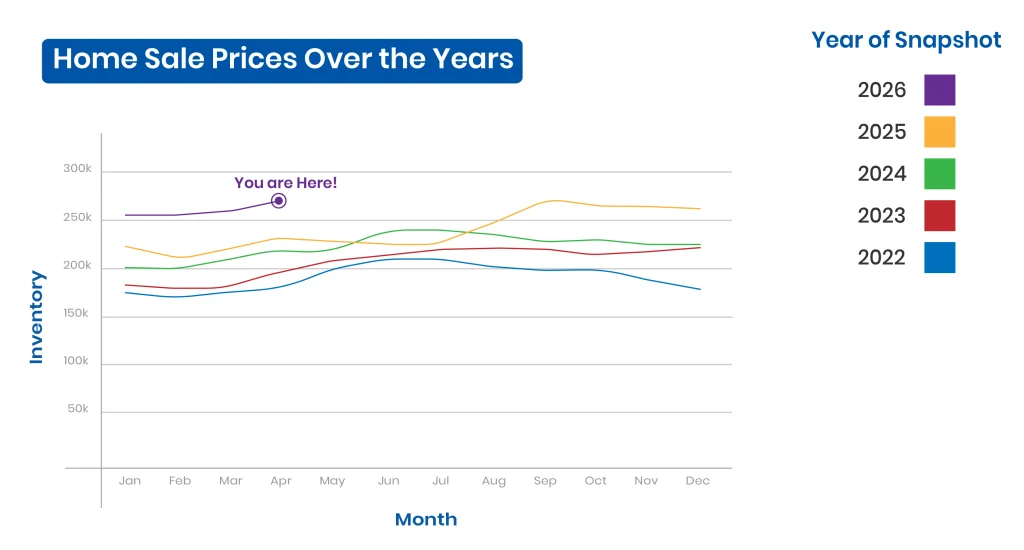
The data tells a reassuring story for buyers. Since 2022, Ohio home prices have remained more stable than in many high-growth states, with slower price increases and improving inventory in 2025 and 2026. Here’s how to time your purchase based on Ohio’s housing inventory trends:
Best Time to Buy a House in Ohio Based on Buyer Type
Every buyer’s situation is different. Whether you’re buying your first home, investing, or planning to retire in Ohio, the best time to buy can vary. Here’s a quick look at what tends to work best for each type of buyer.
First-Time Homebuyers
If you are buying a home in Ohio for the first time, January should be circled in red on your calendar.
- You can potentially save up to $28,000 compared to spring, based on the ~8% median price difference between the December–January trough and the May–June peak in Central Ohio.
- In January, homes averaged approximately 6–8% lower per sq. ft. than peak pricing in Columbus, making it the best time for you.
- The post-holiday market means you’re competing with far fewer buyers than at peak spring.
- Sellers who didn’t close before the holidays are genuinely motivated. You can request repairs and closing cost assistance without losing the deal.
Buyer closing costs in Ohio can range from $5,258 to $13,145, with the final amount heavily dependent on loan type and location.


Real Estate Investors
Investors earn more during fall and winter in Ohio than at the spring peak. Target October through December for motivated sellers and strong rental fundamentals for Ohio investment properties.
- You can save up to 8–11% in sale price compared to peak months of May to July, across Columbus, Cleveland, and Cincinnati metros.
- Ohio’s rental vacancy rate sits around 5.5%, below the national average of 6.9%. Landlords can expect steady occupancy and consistent rental income.
- You will have 20–30% fewer competing buyers in the fall-to-winter window, and sellers are motivated to close before year-end.
- December closings let you claim rental property deductions for the full year. Consult your tax advisor.
New to Real Estate Investing? Understand what is an investment property and the steps involved in buying one before timing the market.
Retirees and Relocators
For retirees and people relocating to Ohio from higher-cost states, September through November is your window.
- If you buy in October, you pay only 3–5% more than the rock-bottom winter price, while benefiting from a much wider selection of available homes.
- Fewer buyers in the fall means more negotiating power with motivated sellers.
- You can get settled before the holiday season and avoid the winter rush.
- Ohio’s cost of living is approximately 12% below the national average, making it an increasingly popular destination for retirees relocating from coastal markets.
Mortgage rates are expected to gradually decline in 2026 as inflation cools. Freddie Mac and NAR forecast that the mortgage rates will stabilize near 6%, which will increase affordability and buyer confidence.
Know How Much Home Can You Afford in Ohio Get an instant monthly payment estimate with Houzeo’s free Ohio mortgage calculator.
Best Time to Buy a Home by Ohio City: Quick Snapshot
Ohio doesn’t move as one housing market. If you’re buying a house in Columbus, Cleveland, Cincinnati, or Dayton, the best time to make a move depends on local demand cycles. Here’s a look at the best real estate markets in Ohio and how to time your offer accordingly.
| City | Best Months to Buy | Why It’s the Best | Buyer Advantage |
|---|---|---|---|
| 1. Columbus | August–October | Post-summer demand slows while inventory remains active. | Price cuts and reduced buyer competition for legacy Ohio homes in suburban areas. |
| 2. Cleveland | September–December | Buyer activity drops during colder months. | Sellers are more open to negotiation and concessions. |
| 3. Cincinnati | October–January | Stable inventory with lower seasonal competition. | Buyers gain stronger negotiation leverage. |
| 4. Dayton | July–September | Investor and summer demand begin to cool. | Luxury homes in Dayton, Ohio, often see price reductions. |
| 5. Akron | October–January | Sellers become more flexible as the market slows. | Great opportunities for first-time homebuyers. |
Is the Ohio Housing Market Crashing in 2026?
No, the Ohio housing market in 2026 presents an excellent opportunity for those looking for the best time to move to Ohio. Prices are appreciating at a controlled pace, inventory is up, and homes are staying on the market longer, meaning you have more time and power to negotiate.
- Stabilized Home Prices: Homes are selling at a median price of $262,900 statewide, with cities like Columbus, Cincinnati, and Cleveland seeing steady appreciation of 5.1% year-over-year. Housing market in Ohio is not expected to crash.
- Higher Housing Supply: With approximately 3 months of supply and over 37,952 homes for sale statewide as of March 2026, neighborhoods from the Intel corridor suburbs to Cleveland’s inner-ring communities have plenty of options.
- More Time to Decide: Homes are now spending about 47 days on the market statewide, so you don’t have to rush into a decision.
- Buyers Hold Negotiating Power: Around 23.6% of Ohio listings had price cuts as of March 2026, especially in higher-priced Columbus suburbs and Dayton segments, so sellers are motivated.
7 Ohio Home Buying Tips
Navigating the Ohio real estate market requires smart planning and local insight. These top 7 home buying tips will help you navigate buying property in Ohio confidently and secure the best possible deal.
- Research Local Markets: Ohio’s real estate markets vary significantly between cities like Columbus, Cincinnati, and Cleveland. Analyze neighborhood-level data, including median prices, inventory levels, and property taxes for your specific county.
- Property Taxes: Ohio’s property tax rates vary widely by county. Cuyahoga County averages an effective rate of 2.06%, while other counties have significantly lower rates. Lock in a home before reassessments or rate hikes, which are typically proposed in late August.
- Get Pre-Approved for a Mortgage: Mortgage rates are projected to hover near 6–6.5% in 2026. Get a mortgage pre-approval to determine your budget and monthly payments before you start shopping.
- Work with a Local Real Estate Agent: A local agent can guide you through buying a house in Ohio. They offer insights on pricing, neighborhoods, insurance availability, and disclosure requirements in your specific county and metro.
- Inspect the Property Thoroughly: Ohio’s climate, including freeze-thaw cycles, basement moisture issues, and aging housing stock in cities like Cleveland and Toledo, can lead to problems like foundation movement, HVAC wear, and mold. Hire an Ohio home inspector who knows what to look for in Ohio-specific conditions.
- Factor in Living Expenses: Don’t forget to account for the cost of living in Ohio, including utilities, insurance, and transportation. These costs vary significantly between Columbus suburbs and rural southeastern Ohio.
- Leverage First-Time Buyer Programs: Explore Ohio first time homebuyer programs, which offer financial assistance for down payments or closing costs through OHFA and city-level programs in Columbus, Cincinnati, Cleveland, and Toledo.
Ready to learn how to buy a home in Ohio? Access our Ohio First Time Home Buyer Guide and avoid costly mistakes.
Is It a Good Time to Buy a House in Ohio?
So, is now a good time to buy a house in Ohio? If you’re asking us, the answer is pretty clear: yes, right now, or at least very soon. The market has finally found its balance after the 2025–2026 housing trends, making now an ideal time to buy a house. Ohio isn’t getting less affordable, and home values aren’t getting cheaper long-term.
| Year | Est. Median Home Price | Annual Change vs. 2026 |
|---|---|---|
| 2026 | $262,900 | – |
| 2027 | $273,400 | +$10,500 |
| 2030 | $300,000 | +$37,100 |
Whether you’re a first-timer stretching your budget in January, an investor hunting October deals in Cleveland or Dayton, or a retiree moving to Ohio, each season brings unique advantages. You can browse listings, compare prices, and make offers online with ease.