Now! Summer and early fall add thousands of homes to the market. This is also the season that’s got the most competition. A single-family home in West Virginia could cost $344,764 in June but just $325,845 in September.
Late fall and winter provide room for negotiation, but there will be limited homes for sale in West Virginia’s real estate market.
If you want to shop around before experiencing the Mountain State, now is the best time to look at spacious townhomes for sale in Martinsburg or charming 3-bed single-family homes in Parkersburg.
Houzeo is America’s best home buying and selling platform.
For Home Sellers: List your home for a Flat Fee, and save 2.5% to 5.5% on the listing agent commission! That’s thousands of dollars extra in your pocket.
For Home Buyers: Houzeo has the most number of houses for sale in West Virginia. Start your dream home search now!
Yes! You can list your home for sale or search millions of homes on the Houzeo mobile app!
Download now on the Apple App Store or the Google Play Store.



Key Takeaways
- Competition peaks from May through June: Buyer activity is strongest in Morgantown, Martinsburg, and the Eastern Panhandle, as spring demand carries into early summer.
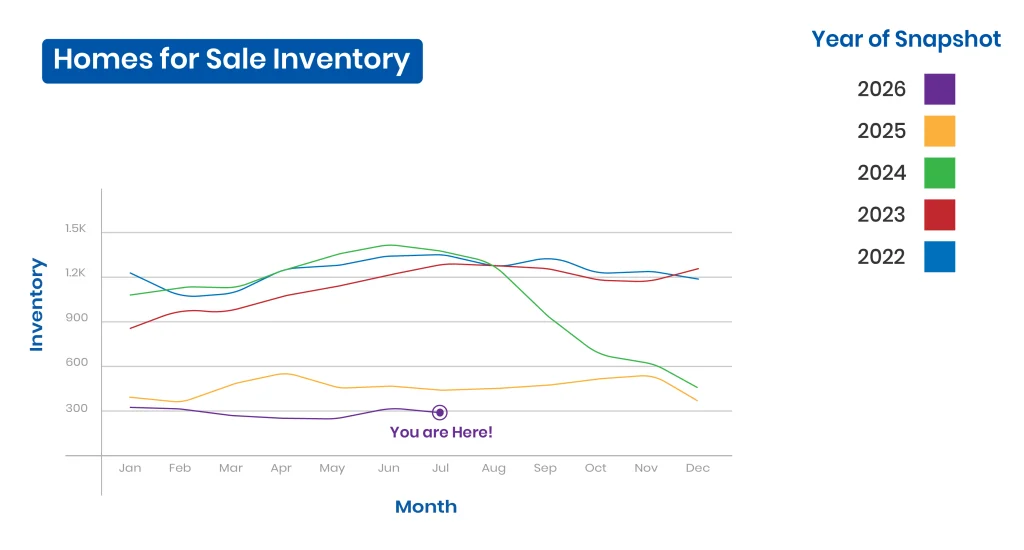
- Inventory builds from April through July: Listings increase through spring and early summer, giving buyers more choices before the seasonal slowdown.
- Price cuts become more common from September through November: Sellers who miss the spring and summer market have more incentive to adjust pricing as demand cools.
- Buyers gain more leverage from October through December: Slower fall activity and longer market times can give buyers more room to negotiate, particularly in Charleston, Huntington, and Parkersburg.
Which Is the Best Season to Buy a House in West Virginia?
Fall is the best season to buy a house in West Virginia. While spring and summer bring more listings and faster sales, fall gives buyers more negotiating power as homes sit on the market longer. Here’s a season-wise breakdown of the best time to buy a house in West Virginia:
Summer (June to August) 🌞
With unsold listings building through June, buyers have more room to negotiate price, repairs, and closing costs. Martinsburg and Charles Town remain active due to D.C. commuter demand, while Morgantown benefits from steady West Virginia University activity. Statewide days on market held at 54 in June 2026, with new listings 5.1% below last year’s pace.
Flash flooding is a real risk in West Virginia’s river valleys and mountain hollows during heavy summer storms. Buyers in low-lying parts of Kanawha, Nicholas, and Greenbrier Counties should confirm flood insurance availability before making an offer.
- Offer Strategy: On homes listed 60+ days, ask for $2,000 to $4,000 in seller concessions toward closing costs or repairs.
- Pricing Approach: Stale listings in Huntington, Wheeling, and the Kanawha Valley outside downtown Charleston are more negotiable by late summer, with sellers more open to offers below the state’s 97.0% average sale-to-list ratio.
- Timeline: Homes with a documented flood claim history can take longer to insure, so confirm flood zone status and insurability before making an offer on any property in a river valley or hollow.
- Affordable Places to Buy a House: Huntington, Beckley, Clarksburg, and Parkersburg remain affordable through summer.
- Expensive Places to Buy a House: Shepherdstown, Berkeley Springs, Charles Town, Parkersburg, and Martinsburg are also some of the best places to live in West Virginia.
Fall (September to November) 🍂
Fall offers some of the most buyer-friendly conditions in West Virginia. Rising price drops give buyers more leverage on homes that have been sitting longer. In the Eastern Panhandle, slower sales can further ease competition after summer, giving buyers more room to negotiate.
Some sellers temporarily pull listings around Thanksgiving. County clerk offices and title companies may also operate with reduced staff late in November, so buyers should leave extra time for closings scheduled around the holiday.
- Offer Strategy: Target homes with 60+ days on the market and request a full inspection. Check flood history, drainage, roofs, and chimneys, especially in older homes. Focus on slower-moving listings in Huntington, Wheeling, and Jefferson County.
- Pricing Approach: With statewide price drops climbing and new construction pulling back, single-family listings in the Eastern Panhandle and the Kanawha Valley are the most negotiable heading into November.
- Timeline: Close before Thanksgiving where possible. New listings typically drop off sharply in the final weeks of the year, so anything still active into December usually reflects a seller who genuinely needs to move.
- Affordable Places to Buy a House: Bluefield, Wheeling, Elkins, Grafton, and Moundsville.
- Expensive Places to Buy a House: Bridgeport, Teays Valley, Snowshoe, Fayetteville, and Cheat Lake.
Winter (December to February) ☃️
Winter is West Virginia’s slowest season for homebuyers, with activity easing through December and January. Lower competition gives buyers more leverage to negotiate closing costs, repair credits, and flexible closing dates. Affordable markets such as Greenbrier County can offer additional opportunities for budget-conscious buyers.
Winter weather can make showings harder, especially in West Virginia’s higher elevations, where snow and mountain roads may affect access. Late December can still bring motivated sellers looking to close before year-end, creating opportunities for buyers willing to navigate the slower market.
- Offer Strategy: Consider offers 5% to 8% below asking. Request seller-paid closing costs, which typically run 2% to 4% of the purchase price in West Virginia.
- Pricing Approach: Focus on December and January listings from motivated sellers, particularly in Huntington, Wheeling, and smaller county-seat towns.
- Timeline: Buyers who qualify for West Virginia’s Homestead Exemption should file with their county assessor between July 1 and December 1. Avoid late-December closings, when holiday schedules can slow county and title offices.
- Affordable Places to Buy a House: Parkersburg, Martinsburg, Weirton, and Princeton.
- Expensive Places to Buy a House: Buckhannon, Harpers Ferry, White Sulphur Springs, and Davis.
Spring (March to May) 🦋
Spring is West Virginia’s busiest home-buying season, bringing the most new listings and strongest buyer competition. In May 2026, 17.4% of homes had price drops, while the statewide sale-to-list ratio was 97.0%. Jefferson and Berkeley Counties saw strong demand from Washington, D.C. commuters.
Competition is highest in Martinsburg, Charles Town, and newer Morgantown subdivisions near West Virginia University. Well-priced homes can attract multiple offers, pushing buyers to act quickly and limit aggressive price negotiations. Sellers may also be less willing to cover closing costs or accept extensive contingencies.
- Offer Strategy: Use a standard purchase agreement with 1% to 2% earnest money and a 10- to 14-day inspection period. Escalation clauses can help in competitive Eastern Panhandle markets during spring.
- Pricing Approach: West Virginia homes sold for 97.0% of list price in May 2026. Jefferson County posted 3.6% year-over-year price growth, while Morgantown remains competitive around the West Virginia University corridor.
- Timeline: Plan 30 to 45 days from offer to close. Allow a few extra days for title work and county recording, especially in busy Eastern Panhandle counties
- Affordable Places to Buy a House: Weirton, Wheeling, Grafton, Moundsville, and Bluefield are some of the cheapest places to live in West Virginia.
- Expensive Places to Buy a House: Charles Town, Shepherdstown, Morgantown, Lewisburg, and Harpers Ferry are West Virginia’s most expensive markets.
Yes. The West Virginia Homestead Exemption exempts the first $20,000 of assessed value for homeowners who are 65+ or permanently and totally disabled. However, it is not available to every homeowner.
Yes, West Virginia builders commonly offer year-end seasonal incentives. Common incentives include:
- Mortgage Rate Buydowns: Temporary reductions in mortgage rates for the first few years.
- Closing Cost Assistance: Credits toward closing costs, lowering upfront cash needed.
- Price reductions: Discounts on homes ready to move in, or funds for upgrades.
- Upgrade Allowances: Builders may include interior upgrades at no extra cost.
Why do these incentives exist?
- Seasonal slowdown: Winter months see fewer buyers, prompting builders to sweeten deals.
- Sales targets: Year-end pushes help builders meet annual goals.
- High inventory: More homes on the market create competition, increasing buyer benefits.
When is the Best Time of Year to Buy a House in West Virginia?
If you’re wondering when to buy a home, September is the best month in 2026 for the widest selection, while November brings the deepest discount from summer’s pace. But the best month really depends on what you’re looking for. Let’s look at West Virginia home sale price trends:
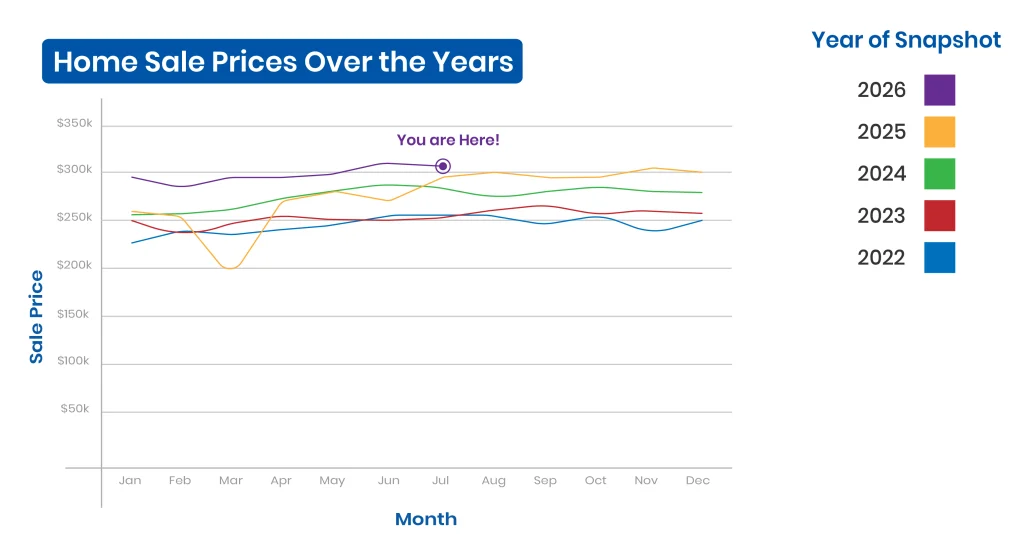
The data shows that West Virginia home prices have generally increased since 2022, despite periodic fluctuations. After relatively stable prices in 2022 and 2023, prices rose more significantly in 2024 and continued at higher levels through 2025 and 2026. Here’s how to time your purchase based on inventory:
Best Time to Buy a House in West Virginia Based on Buyer Type
Every buyer’s situation is different. Whether you’re buying your first home, investing, or planning to retire in West Virginia, the best time to buy can vary. Here’s a quick look at what tends to work best for each type of buyer.
First-Time Homebuyers
If you are buying a home in West Virginia for the first time, November should be circled in red on your calendar.
- West Virginia’s statewide price drop share climbed from 15.0% to 17.4% year over year by May 2026, leaving real room for a patient buyer to negotiate.
- Jefferson County homes that sold in 57 days back in March 2025 were sitting at a median of 88 days, with far less competition per listing.
- New listings ran 5.1% below last year’s pace statewide, so a buyer shopping in fall faces less competition per listing than the spring rush ever offers.
- Sellers who didn’t close before the holidays are genuinely motivated. You can request repairs and closing cost assistance without losing the deal.
Buyer closing costs in West Virginia can range from $5,483 to $13,707, with the final amount heavily dependent on loan type and location.


Real Estate Investors
Investors earn more during fall and winter in West Virginia than at the spring peak. So, target October through December for Huntington and Morgantown acquisitions and maximum annual deduction benefits.
- Statewide price drops climbing from 15.0% to 17.4% year over year gives investors real room to negotiate on price and terms.
- West Virginia University’s presence in Morgantown and Marshall University’s presence in Huntington both support consistent, year-round rental demand tied to steady student and faculty housing needs.
- You will have 20% to 30% fewer competing buyers in the fall to winter window, and sellers are motivated to close before year end.
- December closings let you claim rental property deductions for the full year. Consult your tax advisor.

New to Real Estate Investing? Understand what is an investment property and the steps involved in buying one before timing the market.
Retirees and Relocators
For retirees and relocators, September through November is your window.
- If you buy in October or November, you get real negotiating room as fall listings age and price drops remain elevated from their spring and summer pace.
- Fewer buyers in fall and winter means more negotiating power, particularly in retirement-friendly towns like Lewisburg, Shepherdstown, and the Greenbrier Valley.
- West Virginia homeowners 65 or older can exempt the first $20,000 of assessed value from property taxes with no income limit, and lower-income seniors can stack the separate, income-based Senior Citizens Tax Credit on top.
- Winter listings that are still active in November and December tend to reflect sellers who are genuinely ready to move, which works in a relocating retiree’s favor on timeline as well as price.
Mortgage rates are expected to gradually decline in 2026 as inflation cools. Freddie Mac and NAR forecast that mortgage rates will stabilize near 6%, which will increase affordability and buyer confidence.
Know How Much Home Can You Afford in West Virginia Get an instant monthly payment estimate with Houzeo’s free West Virginia mortgage calculator.
Best Time to Buy a Home by West Virginia City: Quick Snapshot
West Virginia doesn’t move as one housing market. If you’re buying in Martinsburg, Morgantown, or Charleston, the best time to make a move depends on local demand cycles. Here’s a look at the best real estate markets in West Virginia and how to time your offer accordingly.
| City | Best Months to Buy | Why It’s the Best | Buyer Advantage |
|---|---|---|---|
| 1. Martinsburg | October to December | D.C.-area commuter demand cools after the spring and summer rush. | Older listings become more negotiable, especially luxury homes for sale in Martinsburg. |
| 2. Morgantown | October to December | Summer demand eases after WVU’s fall semester begins. | Steady WVU-driven demand keeps the market relatively stable. |
| 3. Charleston | October to February | Kanawha Valley activity typically slows after the spring season. | Buyers may find more flexibility on price and terms. |
| 4. Huntington | October to December | Activity eases after the fall semester begins, while prices remain relatively affordable. | Lower competition can create more negotiating room. |
| 5. Lewisburg | December to February | Greenbrier Valley tourism and seasonal activity slow after the warmer months. | Buyers can benefit from a quieter market and lower competition. |
When Is the Best Time to Buy a House in the US?
The best time to buy a house in the US depends on what matters most to you, from finding more choices to getting a better price. Spring typically brings more listings and buyer activity, while fall and winter often offer less competition and more negotiating room.
No single month works equally well across the country, as housing markets vary by state and even by city within the same state. Tracking local inventory, days on market, and price cuts offers a more reliable basis for timing an offer.
Is the West Virginia Housing Market Crashing in 2026?
No, the West Virginia housing market seasonality in 2026 presents a strong opportunity for those looking for the best time to move to West Virginia. Prices are rising, inventory is tight, but growing price drops in some areas give buyers more negotiating power.
- Stabilized Home Prices: Homes are selling at a median price of $274,142, with Charleston, Parkersburg, and Wheeling showing more moderate pricing trends.
- Higher Housing Supply: With about 4 months of supply, buyers have more options across Charleston, Huntington, and Morgantown.
- More Time to Decide: Homes are spending about 54 days on the market, giving buyers in Wheeling, Fairmont, and Parkersburg more time to compare properties.
- Buyers Hold Negotiating Power: About 15.6% of listings had price cuts, giving buyers more room to negotiate on price, repairs, and closing costs, particularly in Charleston, Huntington, and Wheeling.
7 West Virginia Home Buying Tips
Navigating the West Virginia real estate market requires smart planning and local insight. These top 7 home buying tips will help you navigate buying property in West Virginia confidently and secure the best possible deal.
- Research Local Markets: West Virginia’s real estate market varies significantly between areas like Morgantown, Charleston, Huntington, and Martinsburg. Compare neighborhood-level home prices, inventory, days on market, and property taxes to identify the best opportunities for your budget and buying goals.
- Property Taxes: West Virginia’s average effective property tax rate is about 0.55%, but rates vary by county. Check the county assessment and current tax bill before buying, especially in areas like Monongalia, Kanawha, and Berkeley Counties.
- Get Pre-Approved for a Mortgage: Mortgage rates are projected to remain high but stable in 2026. Get a mortgage pre-approval to determine your budget and monthly payments.
- Work with a Local Real Estate Agent: A local agent can guide you through buying a house in West Virginia. They know how West Virginia’s title opinion and closing process work, which areas see the most competition, and how to navigate disclosure requirements for the state’s older housing stock.
- Inspect the Property Thoroughly: West Virginia’s mountainous terrain and river valleys make drainage, foundation condition, and flood history important when buying a home. Aging roofs, chimneys, and older housing can also require closer inspection. Hire a West Virginia home inspector familiar with local conditions.
- Factor in Living Expenses: Don’t forget to account for the cost of living in West Virginia, such as utilities, insurance, and transportation. These costs vary by area.
- Leverage First-Time Buyer Programs: Explore West Virginia first time homebuyer programs, which offer financial assistance for down payments or closing costs.
Ready to learn how to buy a home in West Virginia? Get an instant monthly payment estimate with Houzeo’s free West Virginia mortgage calculator.
Is It a Good Time to Buy a House in West Virginia?
So, is now a good time to buy a home in West Virginia? If you’re asking us, the answer is pretty clear: yes, right now, or at least very soon. The market has finally found its balance after the 2025–2026 price trends, making now an ideal time to buy a house. West Virginia isn’t getting any less popular, and homes aren’t getting cheaper long-term.
| Year | Est. Median Home Price | Annual Change vs. 2026 |
|---|---|---|
| 2026 | $265,200 | – |
| 2027 | $277,963 | +$12,763 |
| 2030 | $320,059 | +$54,859 |
Whether you’re a first-timer stretching your budget in November, an investor hunting October deals in Huntington or Morgantown, or a retiree moving to West Virginia, each season brings unique advantages. You can browse listings, compare prices, and make offers online with ease.