


Want Arizona’s desert lifestyle without Scottsdale’s high prices? Don’t give up on the dream. You can afford a home in the Grand Canyon State if you know where to look.
Your perfect home could be an affordable house in Eloy, or a starter home in Douglas, one of Arizona’s fastest-growing job hubs. If you’re retiring, look at homes for sale in Coolidge, where you get mild weather, scenic mountain living, with median home prices still below $350,000.
After assessing hundreds of cities, we’ve ranked the 10 most affordable places to live in Arizona to help you find a home that fits your budget.
Houzeo is America’s best home buying and selling platform.
For Home Sellers: List your home for a Flat Fee, and save 2.5% to 5.5% on the listing agent commission! That’s thousands of dollars extra in your pocket.
For Home Buyers: Houzeo has the most number of houses for sale in Arizona. Start your dream home search now!
Yes! You can list your home for sale or search millions of homes on the Houzeo mobile app!
Download now on the Apple App Store or the Google Play Store.


Key Takeaways
- Douglas is the cheapest city to live in Arizona: With a cost of living nearly 10% below the national average, Douglas offers exceptional value. Its stable job base and low monthly expenses make it ideal for budget-conscious movers.
- Tucson is the top pick for young professionals: As one of Arizona’s largest and fastest-growing job hubs driven by tech, aerospace, education, and healthcare, Tucson provides strong career opportunities, vibrant nightlife, and affordable homes for sale.
- San Luis is great for families: San Luis stands out for safe neighborhoods, bilingual schools, and community-focused parks and programs.
- Yuma is a top choice for retirees: With warm weather, affordable healthcare, and plenty of budget-friendly houses, Yuma offers an easy, low-stress lifestyle for seniors.
- Arizona’s “heat & utility factor” matters: Summers are intense, and cooling costs can average $300–$450 per month in peak months.
10 Cheapest Places to Live in Arizona in 2026
| City | Median Home Value | Median House Rent | Cost of Living Compared to State Average | Affordability Score (out of 10) |
|---|---|---|---|---|
| 1. Douglas | $197,000 | $700 | 1% ⬇️ | 8.5 |
| 2. Eloy | $271,500 | $1,095 | 23%⬇️ | 8.1 |
| 3. Globe | $225,000 | $1,195 | 1% ⬇️ | 7.7 |
| 4. San Luis | $225,000 | $1,400 | 9% ⬇️ | 7.6 |
| 5. Arizona City | $259,800 | $1,350 | 18% ⬇️ | 7.6 |
| 6. Winslow | $119,500 | $1,500 | 11% ⬇️ | 7.5 |
| 7. Safford | $192,000 | $1,600 | 9% ⬇️ | 7.3 |
| 8. Coolidge | $293,745 | $1,533 | 21%⬇️ | 7.1 |
| 9. Somerton | $293,500 | $1,500 | 10% ⬇️ | 6.9 |
| 10. Kingman | $295,000 | $1,500 | 6% ⬇️ | 6.7 |
How We Ranked the Most Affordable Places to Live in Arizona
To identify the cheap places to live in Arizona, we carried out an in-depth analysis using multiple reliable data sources and indicators of affordability.
Data Sources:
- Median Home Prices: We used Houzeo’s Arizona Housing Market Report and cross-checked pricing trends with data from Arizona State University’s Real Estate Center (W.P. Carey School of Business), which publishes statewide housing and affordability insights.
- Median Rent: We got the rent data from C2ER, which publishes the national Cost of Living Index. This was verified every few months to make sure it’s accurate.
- Overall Cost of Living: We covered 6 big spending categories— housing, groceries, utilities, transportation, healthcare, and miscellaneous goods— from C2ER and Houzeo’s Cost of Living in Arizona Calculator. We then compared everything to the U.S. average of 100.
We studied housing data from 2022 to 2025 to identify cities that remained affordable over time, not just during short dips in prices. Furthermore, each city’s data was also cross-checked with HUD and state economic reports.
All our information is up to date as of 2025, ensuring you receive the most current insights.
Affordability Scoring:
We built a simple scoring system that focuses on what really matters:
- Median Home Price (40%)
- Median Rent (35%)
- Cost of Living (25%)
This way, we can clearly show which Arizona cities give you the best value for your money. You can also check out our score breakdown to see how each city was ranked.
Image credits: All blog images are sourced from Freepik.
10 Most Affordable Places to Live in Arizona
Douglas
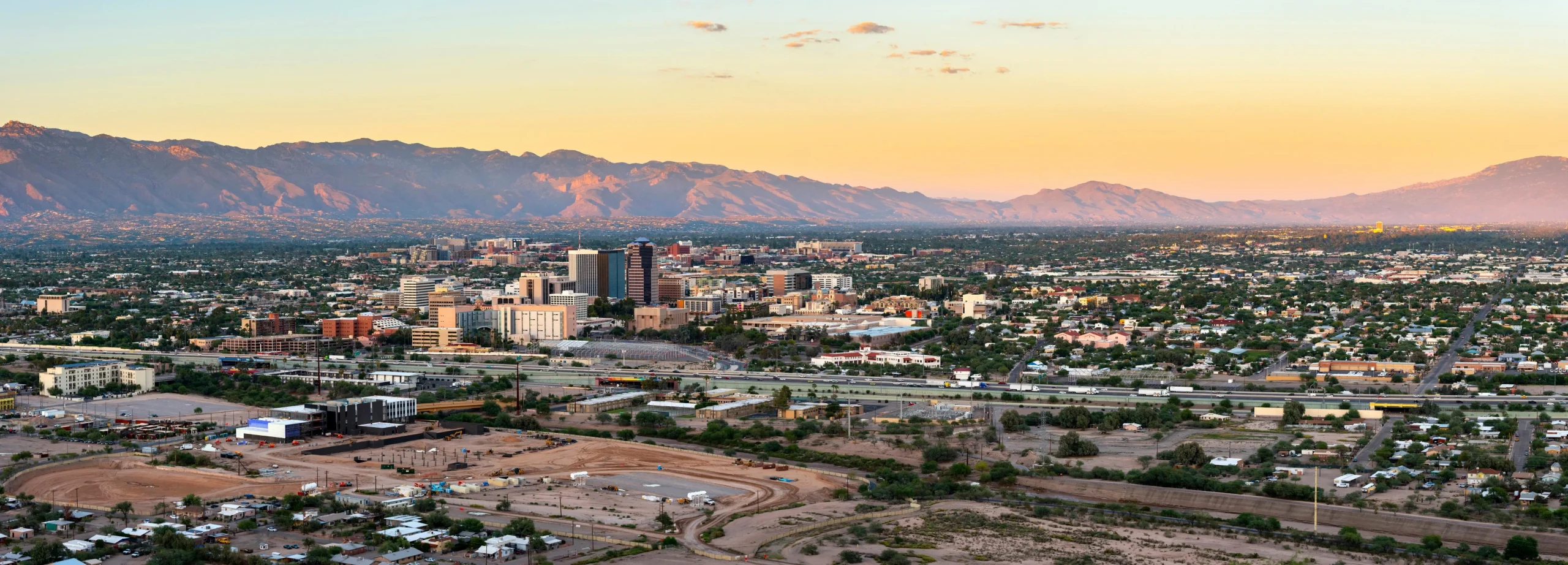
Douglas offers a blend of affordable living and desert charm, making it an attractive place for cost-conscious residents. It has a rich history linked to copper mining. The city balances budget-friendly housing with access to healthcare and outdoor activities, suitable for families, retirees, and young adults alike.
- Downtown Douglas: Centred around historic buildings and local shops, this is the cheapest area to live in Arizona. Key landmarks include the Spanish Colonial Revival Gadsden Hotel, Art Deco Airdome Theatre, Neo-Classical Post Office, and Grand Theatre, all listed on the National Register of Historic Places.
- Southside: Features modest single-family homes with easy access to parks and schools, ideal for families and first-time buyers.It lies close to Furlow Charter School, providing educational facilities for children. Nearby parks, like Joyce Myers Park, offer playgrounds and trails enhancing family-friendly living.
- Southgate: A quieter residential area offering affordable housing options with a focus on sustainable living, including opportunities for solar energy adoption.
- Job Market: Historically centred around copper mining and manufacturing, Douglas now sees growth in healthcare, retail, and tourism sectors. Major employers include Copper Queen Community Hospital and local manufacturing businesses.
- Recreation: Outdoor activities abound at local parks, near the border with Sonora, Mexico, and at nearby nature reserves and hiking trails. Douglas’s historic sites and annual festivals celebrate regional culture and history.
- Limited Job Diversity: Kingman’s economy is strong in manufacturing, healthcare, tourism, and retail, but beyond these sectors, high-paying or specialized job opportunities remain limited. This can restrict career growth for many residents.
- Hot, Arid Summers: The city experiences very hot and dry summers regularly exceeding 100°F, which limits year-round outdoor recreational activities and increases utility costs due to cooling needs.
- Sparse Public Transportation: Kingman offers limited public transit options, making personal car ownership essential for commuting and daily errands, which may increase transportation expenses for residents.
Eloy
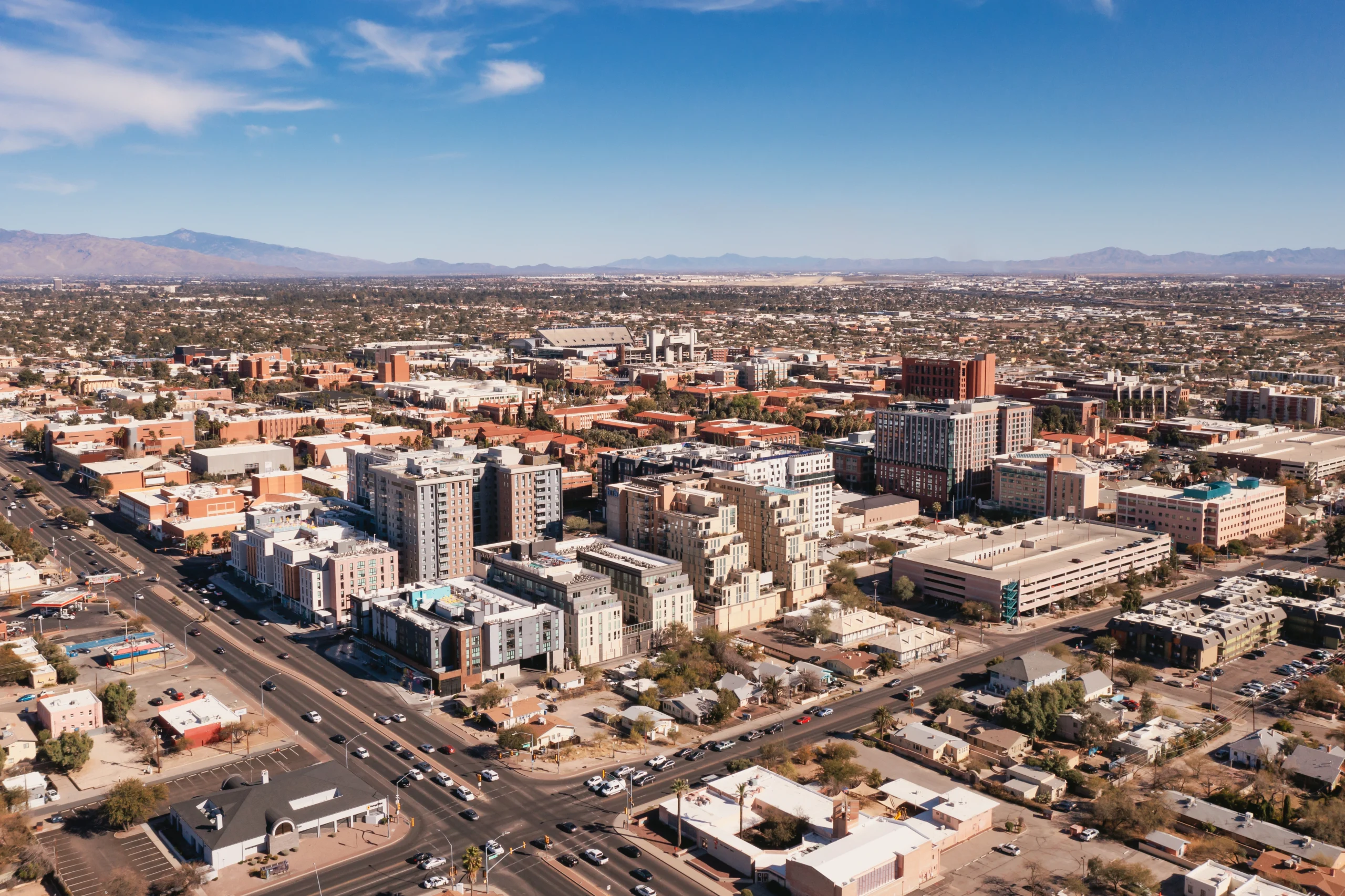
Eloy is strategically located between Phoenix and Tucson. Homes for sale in Eloy offer a suburban, relaxed desert lifestyle. Historically a railroad town, Eloy is now a diverse economy with strong industrial, manufacturing, and logistics sectors. It is attractive to those seeking a balance between city access and small-town living.
- Downtown Eloy: The historic city center features affordable housing options near government offices and civic buildings like the Eloy City Hall and Public Library. Residents enjoy local shops and eateries, including the Eloy Senior Center, making it a hub for daily living and civic engagement.
- South Eloy: Residential area featuring modest single-family homes, parks, and schools suitable for families and first-time buyers. It is well-suited for families and first-time buyers due to proximity to Furlow Charter School and local parks like Joyce Myers Park, which provide playgrounds and trails.
- The Business Corridor: The Business Corridor in Eloy is centered along Interstate 10 and Frontier Street, hosting a mixture of industrial employers, warehouses, logistics hubs, and retail centers. This area supports local job opportunities in manufacturing, transportation, and distribution.
- Job Market: Eloy’s economy revolves around manufacturing, transportation, and logistics with major employers like Schuff Steel, Republic Plastics, and Travel Centers of America. The city benefits from its location along Interstates 10 and 8 and the Union Pacific railroad.
- Recreation: Residents enjoy easy access to outdoor activities like hiking at Picacho Peak State Park and camping at Ironwood Forest National Monument. Annual cultural events and community parks support a friendly small-town atmosphere.
- Limited local entertainment and dining options: Fewer malls, entertainment centers, and upscale dining choices compared to larger Arizona cities. Residents often travel to nearby towns like Sierra Vista or Tucson for major outings, shopping, or nightlife.
- Public transit is limited: The city has very minimal public transportation, so daily commuting, grocery runs, and work travel almost always require owning a personal vehicle.
- Hot desert climate: Expect extremely hot summers that can be intense for newcomers. Winters are mild and pleasant, but the long stretches of high summer temperatures mean higher cooling costs and sun exposure precautions.
Globe
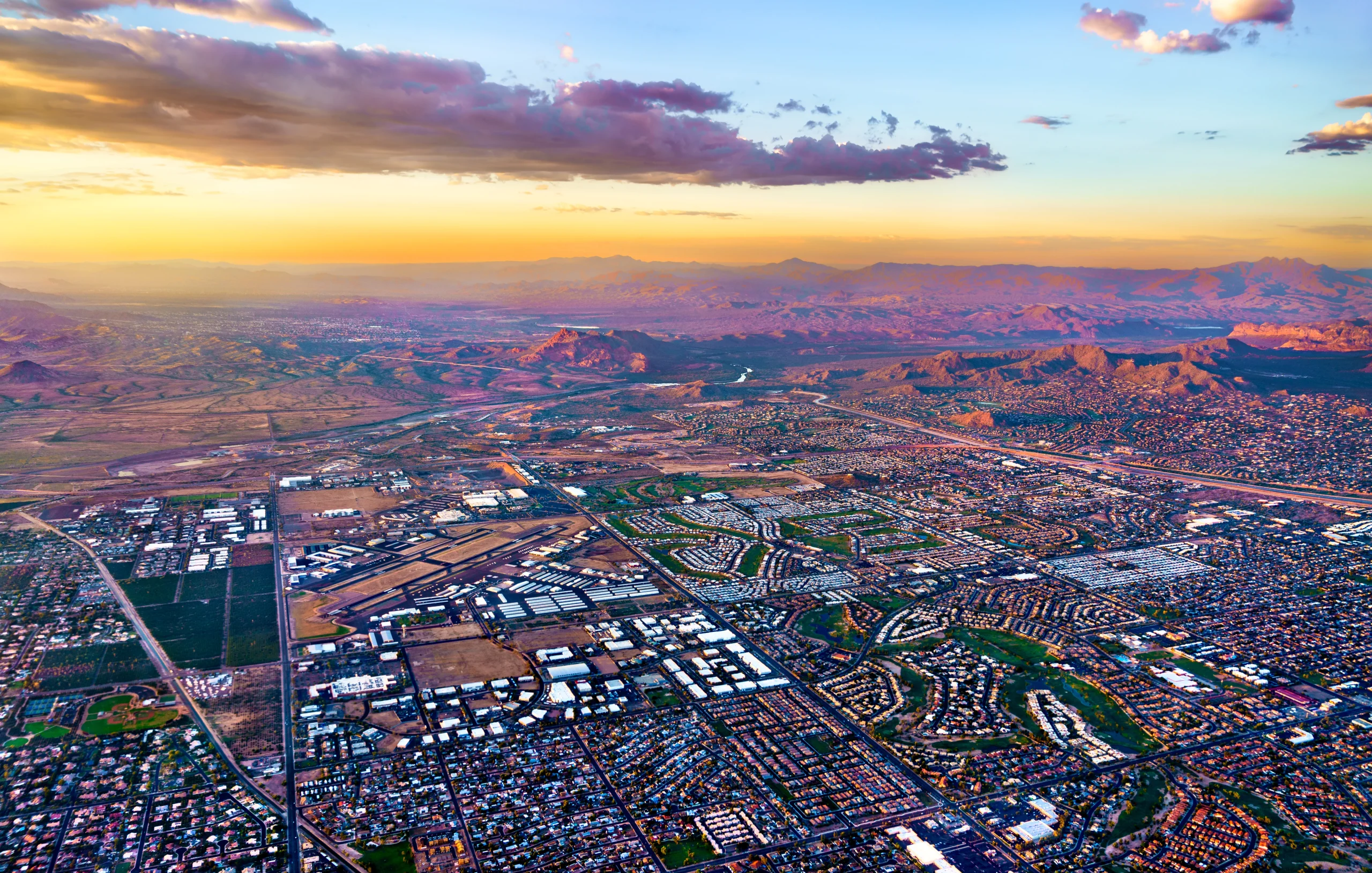
Globe offers historic charm and modern convenience. Founded as a mining town in the 19th century, it retains a rich heritage and a scenic hilly landscape. The city attracts retirees, artists, and outdoor enthusiasts who value its small-town feel, access to hiking trails, and lower cost of living compared to metropolitan Phoenix.
- Historic Downtown: This area is known for its beautifully preserved early 20th-century architecture, including prominent buildings like the Gila County Courthouse, St. John’s Episcopal Church (1908), and the Holy Angels Church (1918).
- Central Globe: Primarily residential zone with a mix of single-family homes and older, budget-friendly properties. It offers convenient access to public schools like Globe High School and Cobre Valley Middle School, as well as parks such as Besh Ba Gowah archaeological park.
- East Globe: It features newer housing developments, quieter streets, and more open space. Residents have easy access to hiking trails and natural attractions including the Tonto National Forest and Salt River Canyon.
- Job Market: Mining, healthcare, education, and tourism are key sectors. The city serves as the county seat for Gila County, with government and service jobs providing stability.
- Recreation: Outdoor activities are abundant with nearby hiking, biking, and annual cultural festivals celebrating the city’s heritage and arts scene.
- Elevated Poverty Rate: Approximately 18% of Globe’s population lives below the poverty line, which impacts local services and community dynamics.
- Limited Job Market Diversity: Economy heavily reliant on mining and government, with few high-paying private-sector jobs, causing many residents to seek work outside the city.
- Aging Infrastructure: Some neighborhoods experience issues with aging roads, water supply, and public utilities due to limited municipal budgets and population decline.
San Luis
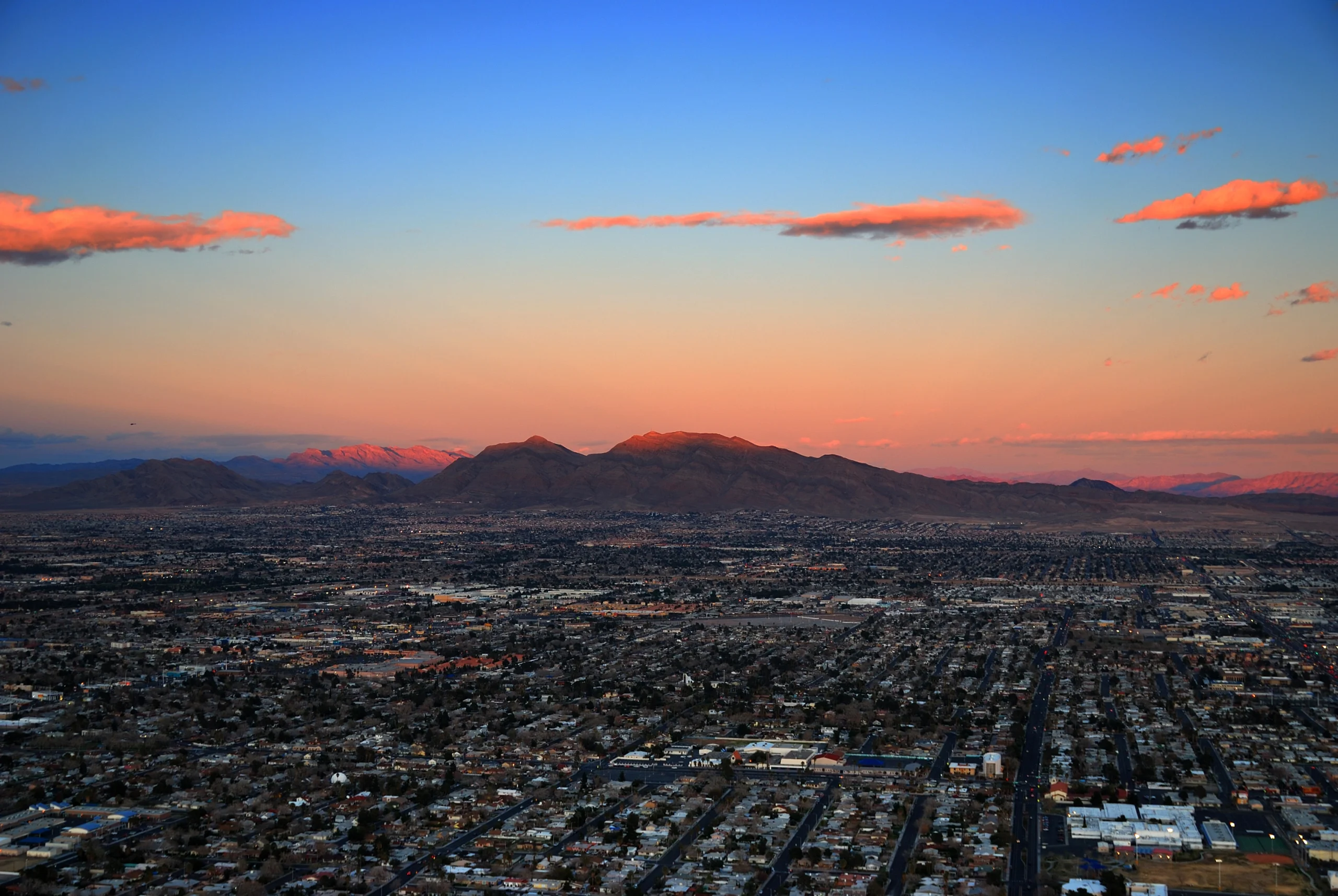
San Luis is a border city offering affordable housing and a multicultural community. It has a strategic location near the Mexico border and benefits from cross-border trade and commerce. The city provides a quieter lifestyle compared to Arizona’s larger metros and access to outdoor activities in the surrounding desert landscape.
- Central San Luis: This area features affordable homes close to key schools such as San Luis High School, which offers a rigorous Cambridge curriculum, 55+ clubs, 20 varsity sports, and various career & technical education courses.
- West San Luis: A quiet residential pocket known for modest single-family homes. It offers a close-knit feel for families with local playgrounds like the nearby Joe Orduno Park and recreational tennis courts. Schools serving the area include Desert View Elementary and San Luis Middle School.
- South San Luis: This part of the city includes newer suburban-style housing developments with larger floor plans. Residents benefit from close proximity to major highways like US 95 for easy commuting.
- Job Market: San Luis’s economy leans on manufacturing, retail, and logistics given its proximity to the border crossing. Seasonal agricultural jobs are also significant. Major employers include border services agencies, local manufacturers, and retail outlets.
- Recreation: Residents can enjoy desert hiking, fishing at nearby Mittry Lake, and cultural events celebrating the city’s rich heritage. The proximity to Mexico adds to the cultural vibrancy and international cuisine is a highlight.
- Limited higher education and healthcare facilities:The city has basic medical clinics and primary schools, but advanced hospitals, specialized care, and higher education institutions are located in neighboring cities. Residents often travel for college programs, major treatments, or specialist appointments.
- Very hot summers: Summers are extremely intense, with temperatures frequently soaring above 100°F. Outdoor activities often need to be scheduled early morning or evenings to avoid heat exhaustion.
- Limited public transit:Public transit options are sparse, and most daily travel requires driving. This can be a challenge for those without a personal vehicle and increases reliance on cars for work, shopping, and medical visits.
Arizona City
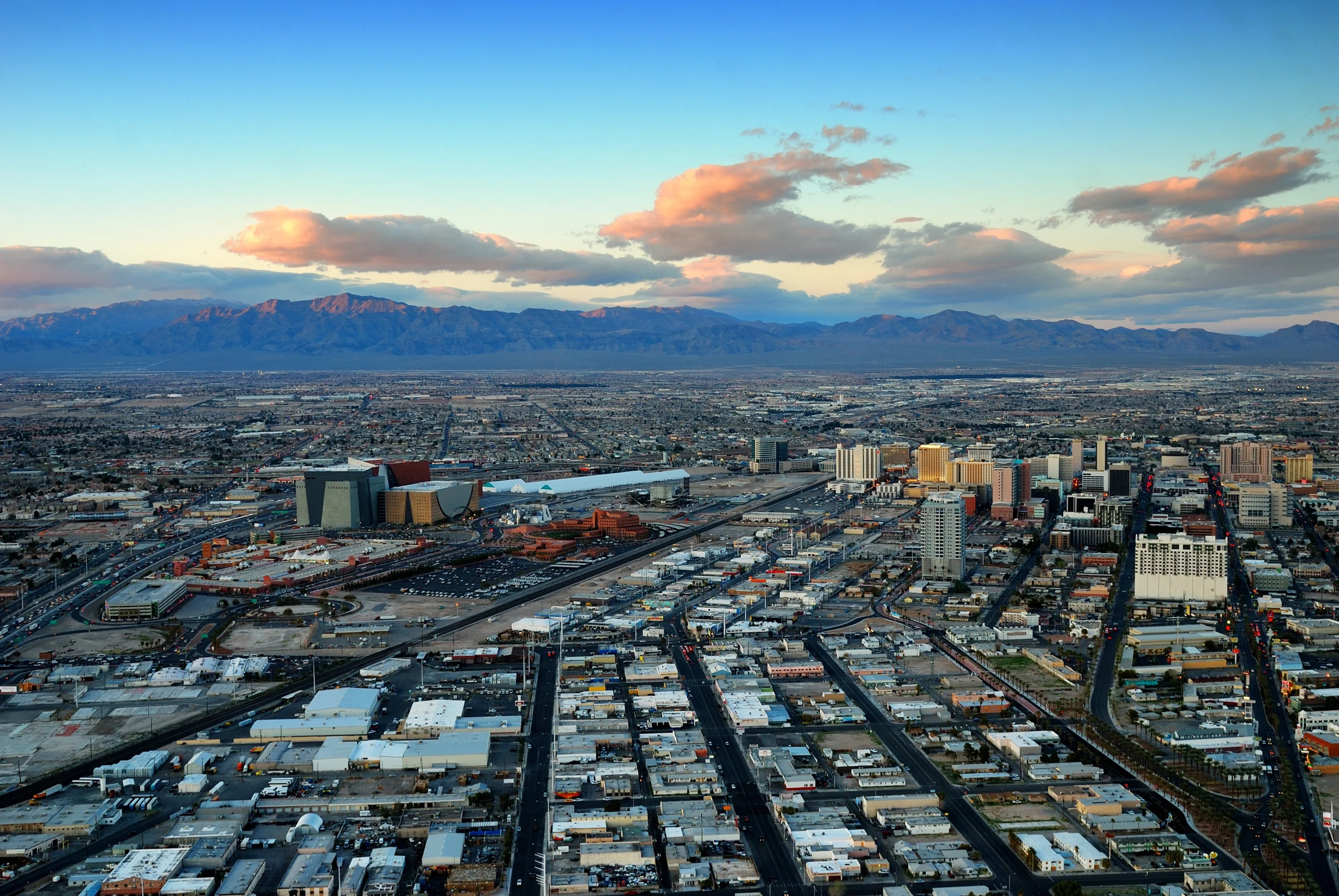
The city is known for a quiet lifestyle, open spaces, and growing residential developments. Homes for sale in Arizona City offer a rural-suburban mix appealing to retirees and families seeking lower home prices while remaining within driving distance of larger metropolitan areas.
- Eastside: Residential area with newer and affordable homes, ideal for families and retirees. Residents enjoy easy access to nearby parks like Joe Orduno Park with athletic fields and playgrounds. The area is served by schools, including San Luis High School and San Luis Middle School.
- Westside: Features older homes and long-established neighborhoods. Streets such as 2nd Avenue and Resler Drive provide a close-knit community feel. Key amenities include Desert View Elementary and local grocery stores like Rancho Market.
- Surrounding Rural Areas: Scattered housing parcels offering more space, privacy, and ranch-style living options. Great for those wanting a quieter lifestyle just outside the main city. Gives access to off-road trails and open desert landscapes like those near the Buenos Aires National Wildlife Refuge.
- Job Market: Arizona City’s economy is largely residential and service-oriented, with many residents commuting to job centers in Casa Grande, Phoenix, and Tucson. Local jobs are limited but primarily related to retail, education, and healthcare.
- Recreation: Outdoor activities include nearby golf courses, hiking trails, and community parks. The area offers a peaceful lifestyle with occasional local events and farmers’ markets
- Limited Employment Opportunities: With few local employers, many residents face long commutes to Phoenix or Tucson for work, which can impact daily life and expenses.
- Sparse Amenities: Arizona City lacks extensive retail, dining, and entertainment options, requiring travel for many services.
- Desert Heat and Dust: Summers are extremely hot, often exceeding 110°F, and occasional dust storms can impact air quality and outdoor activities.
Winslow

Winslow is a historic city on the famous Route 66, known for its iconic landmarks and Native American heritage. Homes for sale in Winslow offer a quiet lifestyle, attracting retirees, artists, and outdoor enthusiasts. Winslow’s economy is modest but stable, with an emphasis on tourism, education, and healthcare.
- Downtown Winslow: Features early 20th-century buildings like the Spanish Mission Revival La Posada Hotel and the Old Trails Museum dedicated to local and Native American history. Community hubs like the Winslow Visitor Center and cultural venues host regular events, farmers’ markets.
- West Winslow: Primarily residential, offering modest single-family homes. It maintains a close-knit feel with access to schools such as Winslow High School and local parks including First Street Park.
- Northern Residential: Rural and suburban mix with newer housing developments and easy access to nearby open spaces.Attracts retirees and outdoor enthusiasts due to its proximity to natural attractions like Homolovi State Park and the expansive desert landscapes
- Job Market: Winslow’s economy is supported by government services, healthcare, education, and seasonal tourism. Navajo County facilities and local schools are key employers.
- Recreation: The city is a gateway for exploring the Painted Desert and Petrified Forest National Park. Community events, Route 66 festivals, and nearby hiking opportunities enrich life here.
- High Crime Rate: Winslow struggles with significantly higher crime levels than the national average. Residents face a 1 in 92 chance of violent crime victimization and a 1 in 31 chance of property crime, including frequent motor vehicle thefts near tourist areas, so neighborhood research and caution are essential.
- Economic Challenges: The local economy relies heavily on public sector and tourism-related jobs, with limited private-sector diversity and few high-paying career options, leading to economic constraints for many residents.
- Harsh Winters and Isolation: Winslow’s remote location means fewer amenities and long travel times to larger cities for shopping, healthcare, or entertainment. Winters can be cold and snowy, which may be challenging for those unaccustomed to such weather.
Safford
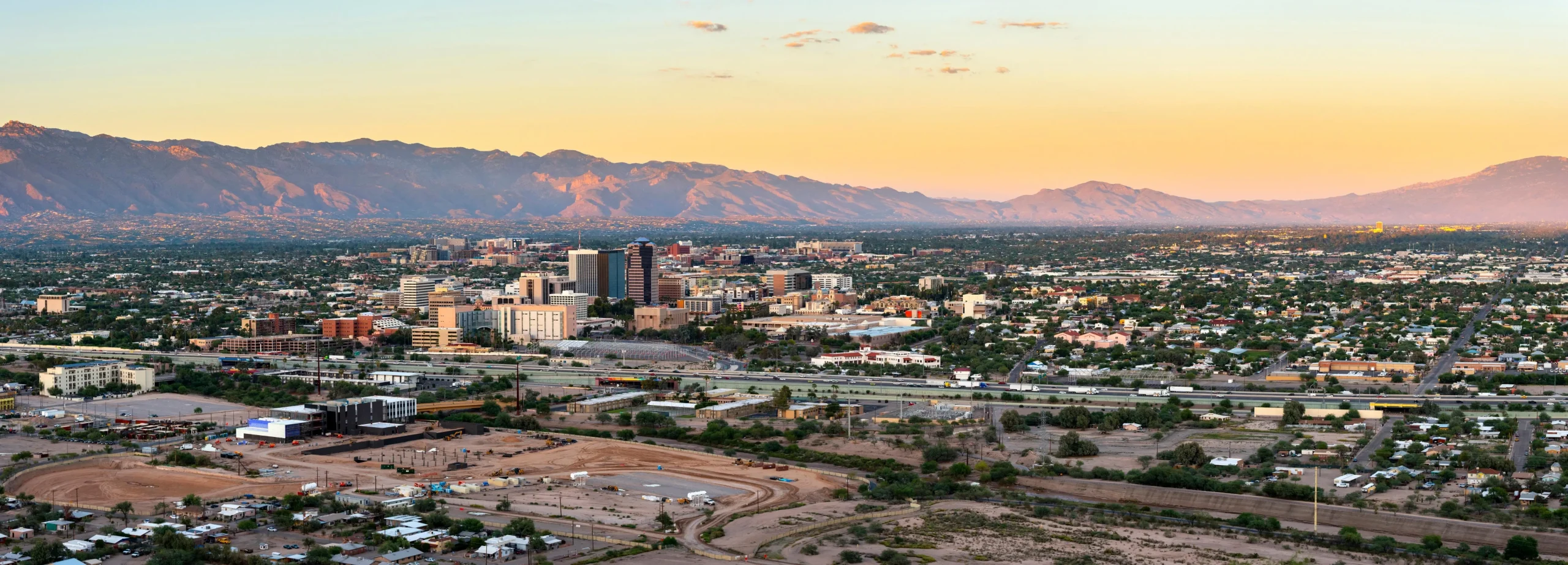
Safford is a vibrant small city nestled in the Gila Valley with affordable housing. It serves as a retail and healthcare hub for the surrounding rural areas, and is popular for its scenic mountain views and outdoor recreation. Safford appeals to families, retirees, and those seeking a slower pace with access to essential services.
- Downtown Safford: Walkable historic district with over 26 preserved early 20th-century buildings. Key landmarks include the Graham County Courthouse (1916), Safford City Hall (1898), and the Victory Theatre. The area has many Mexican restaurants, such as Pancho’s Burritos and Quesadillas.
- East Safford: Primarily a residential area with newer housing along streets like Avenue E and Calle Sur. It is popular with families due to proximity to schools such as Graham County Elementary and Safford Middle School. Local eateries include The Mexican Kitchen and Boarder Grill known for authentic Southwestern cuisine.
- Sunrise Acres: A suburban neighborhood featuring homes with larger lots and quiet streets such as Sunrise Drive and Acorn Lane. It offers residents access to outdoor recreation spots like Blue Pond and Frye Mesa Reservoir, popular for hiking and picnicking.
- Job Market: Healthcare, education, and agriculture form the core of Safford’s employment sectors. Major employers include Mount Graham Regional Medical Center and Eastern Arizona College.
- Recreation: Outdoor enthusiasts enjoy exploring nearby Mount Graham, hiking trails, and the Gila River. Community festivals, farmers markets, and public parks contribute to a close-knit living environment.
- Limited Nightlife & Dining: Kingman has fewer entertainment, dining, and cultural options than larger Arizona cities, which may feel restrictive for young adults and those seeking an active social scene.
- Seasonal Temperature Extremes: Summers can get very hot, while winter nights often drop sharply, making the climate less comfortable for some residents.
- Minimal Public Transportation: Public transit is scarce, so owning a car is essential for commuting, errands, and accessing amenities outside the city.
Coolidge
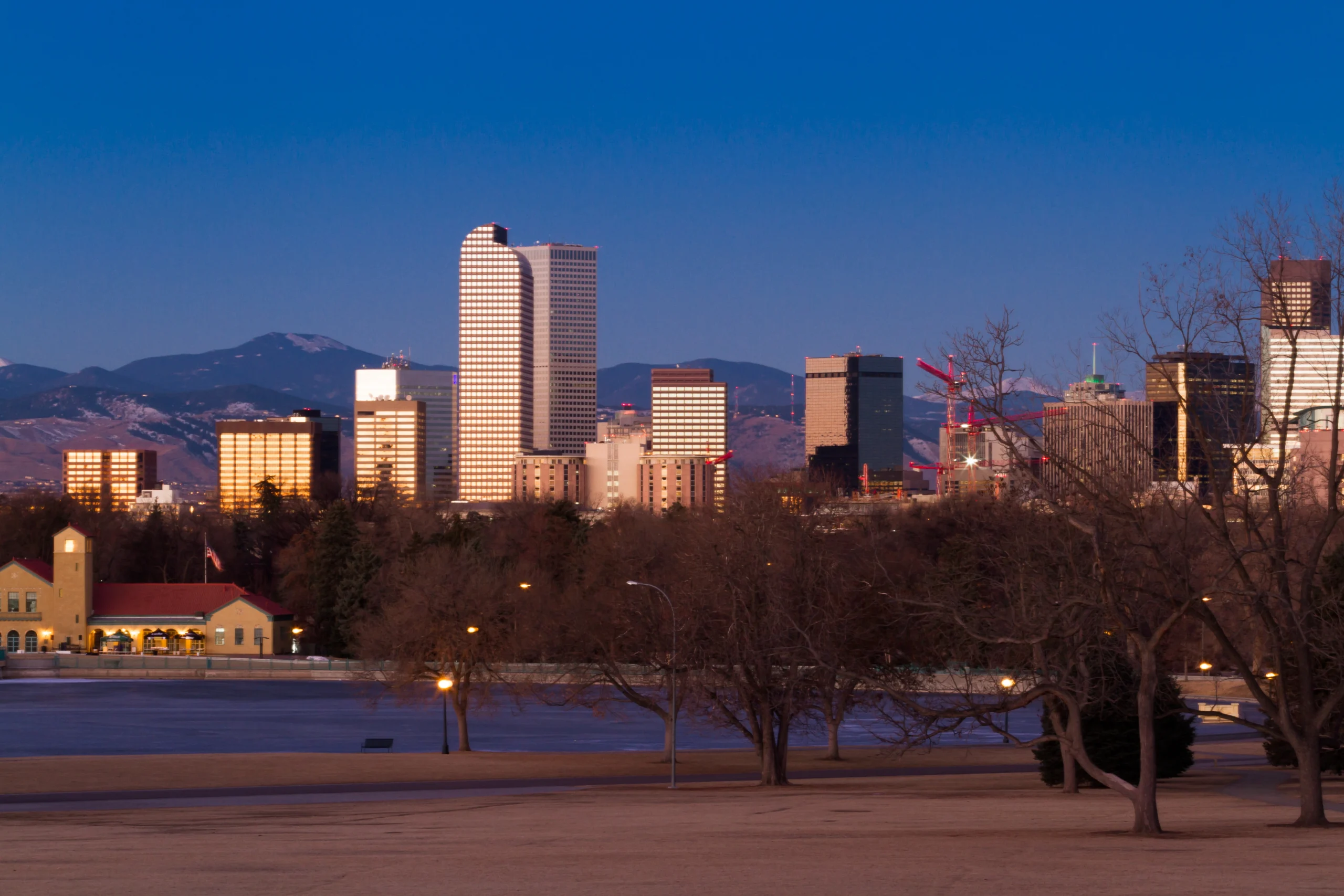
Coolidge offers an affordable small-town feel with convenient access to the Phoenix metro area. Known for its agricultural roots and growing industrial base, Coolidge appeals to families and professionals seeking lower housing costs and a slower pace of life without sacrificing proximity to city amenities.
- Downtown Coolidge: Historic core featuring well-preserved early 20th-century buildings, including the historic Coolidge Train Depot and the Coolidge Historical Museum. Community events like the Coolidge Festival Days draw residents for parades, live music, and food trucks, fostering a small-town charm.
- Copper Sky: Suburban development featuring newer homes, parks, and recreational facilities. Community programming is robust, with youth centers and multipurpose rooms like Copper Sky Multigenerational Center hosting fitness classes, arts and crafts, and sports leagues.
- West Park: Affordable residential neighborhood with pragmatic housing near Coolidge Junior High and West Elementary School. Shopping centers along Arizona Boulevard provide convenient access to grocery stores like Walmart Neighborhood Market, banks, and dining options, including Panda Express and local diners.
- Job Market: Local economy is driven by agriculture, manufacturing, and logistics. Key employers include the Casa Grande-Pinal County Airport industrial park and nearby agricultural businesses.
- Recreation: Outdoor opportunities include hiking at Riparian Preserve at Water Ranch and community parks. Annual festivals and farmer’s markets add to the local culture.
- Elevated Crime Rate: Coolidge reports a higher-than-average rate of property crimes, including burglary and vehicle theft, with a risk of about 1 in 190 for property crime victimization. Some residents express concerns over public safety and call for improvements in policing and community engagement.
- Limited Retail and Dining Options: Coolidge’s commercial scene is still developing, with residents often traveling 20-25 minutes to nearby cities like Casa Grande or Phoenix for more diverse shopping and dining. This can impact daily convenience and lifestyle choices.
- Infrastructure and Utilities Challenges: The city faces growing pains from a surge in residential development, resulting in outdated utilities and roadways requiring upgrades. Residents report frustration with water utility payment systems and the need for increased investment in public services.
Somerton
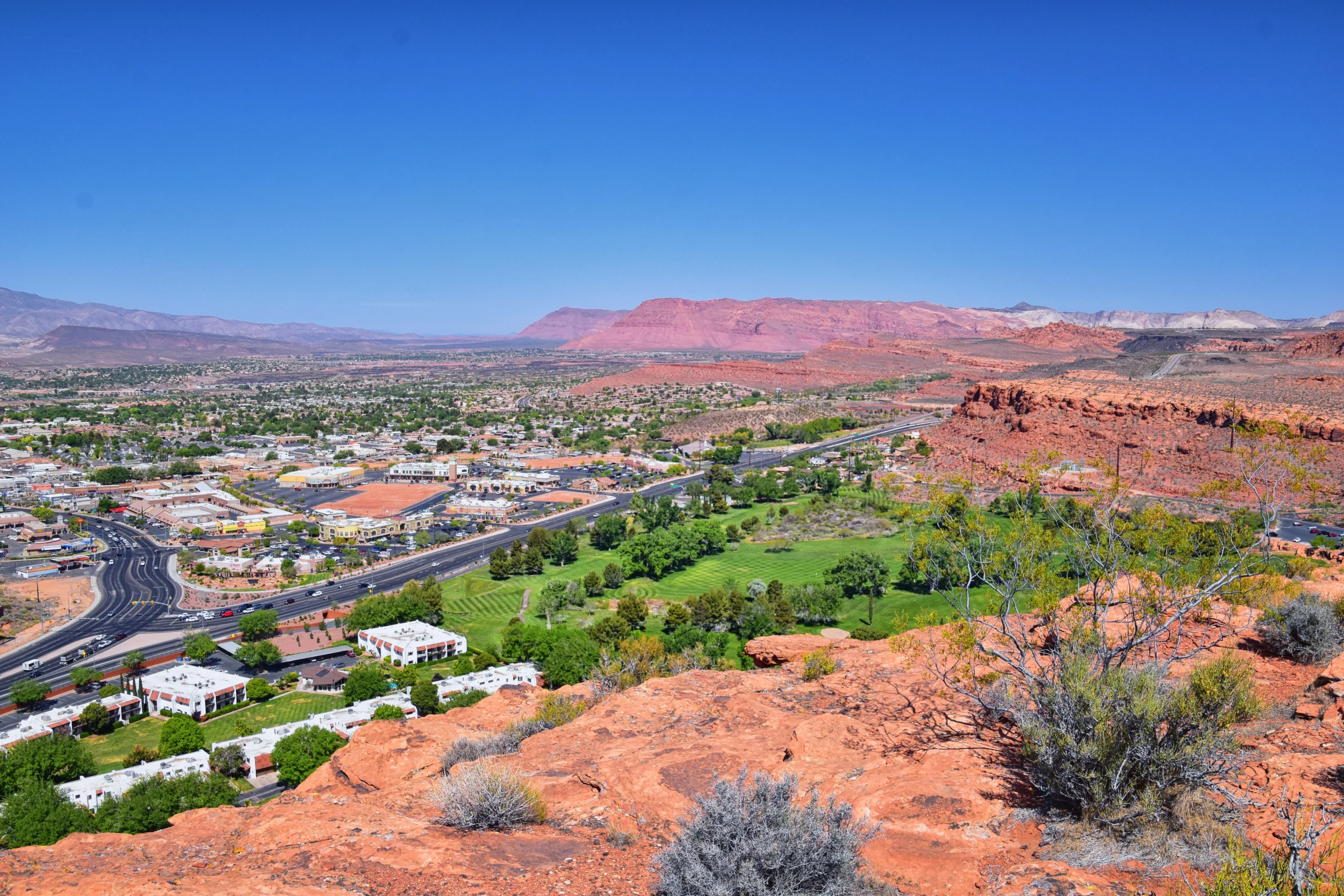
Somerton is a small, affordable city located in Yuma County near the California border. It offers a warm desert climate and a relaxed lifestyle, making it popular with retirees and families looking for budget-friendly housing. The city benefits from proximity to agriculture-based employment and nearby border trade.
- Central Somerton: Features modest single-family homes close to key schools like Somerton Middle School and San Luis Elementary School. This area is close to grocery stores like Food City. The Somerton Community Center host events and offers recreational programs, enhancing neighborhood engagement.
- South Somerton: Residential community with newer developments and a family-friendly atmosphere.
- Somerton Heights: Suburban area featuring affordable homes and convenient proximity to highways and retail centers. Offers family-friendly streets with parks such as Sunset Park, featuring playgrounds, sports courts, and picnic areas. The area has excellent schools, including Harvest Preparatory Academy.
- Job Market: Somerton’s economy relies heavily on agriculture, food processing, and border commerce industries. Major local employers include farming operations and transportation services.
- Recreation: Residents enjoy nearby outdoor activities such as hiking at Fortuna Foothills, water sports on the Colorado River, and community festivals. The city hosts cultural events reflecting its diverse population.
- Limited Urban Amenities: Kingman offers essential services but lacks the extensive shopping, entertainment, and cultural options you’d find in larger Arizona cities. Residents often travel to nearby metros for specialty stores or major events.
- Extreme Summer Heat: The region experiences harsh desert temperatures, frequently surpassing 110°F during peak summer months. This can increase cooling costs and limit outdoor activities.
- Minimal Public Transit: Public transportation is scarce, so daily commuting, errands, and work travel require a reliable personal vehicle.
Kingman
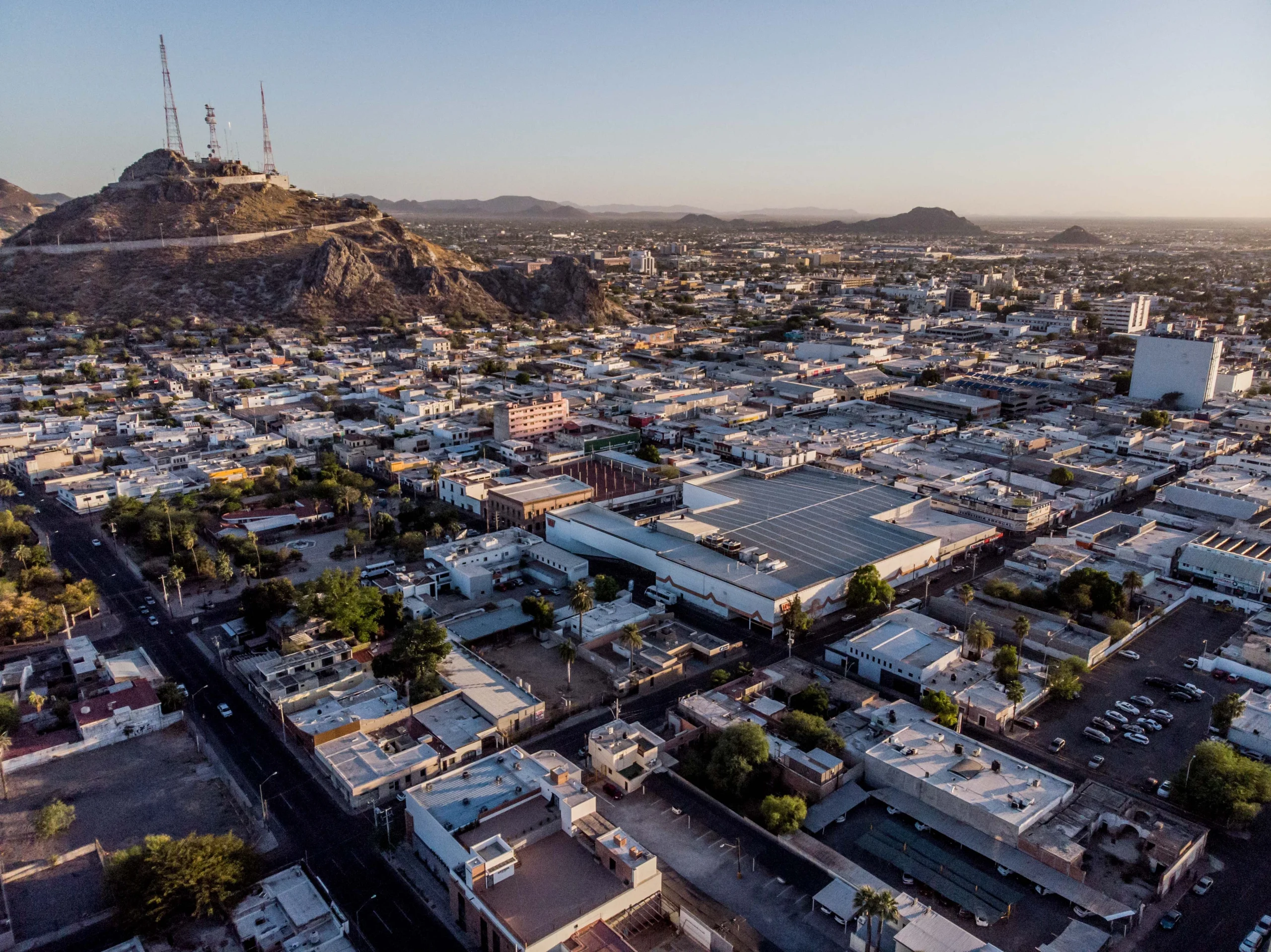
Kingman is a vibrant city situated in Mohave County, known as a regional trade, service, and distribution hub for northwestern Arizona. It embraces its historic charm while growing economically thanks to a large industrial park attracting manufacturers and distributors. The city’s moderate elevation offers relief from extreme desert heat.
- Historic Downtown: Filled with local restaurants, shops, and cultural landmarks, this area blends history with community vibrancy. Key landmarks include the Arizona Route 66 Museum housed inside the historic Powerhouse building, the Mohave Museum of History & Arts, with exhibits from prehistoric times to the present.
- Cerbat Hills: A residential neighborhood featuring newer homes, Streets like Cerbat Drive and N Irving Street are lined with parks such as Cerbat Cliffs Park that offer walking trails, picnic areas, and playgrounds. The area is served by schools like Kingman Academy of Learning nd White Cliffs Elementary.
- West Kingman: Diverse housing options in a suburban setting. Recreation options include Locomotive Park, popular for families with picnic areas and walking paths, and the Hualapai Mountain Park with hiking trails and camping.
- Job Market: Kingman’s economy is diverse, with key sectors including manufacturing, warehousing, transportation, construction, and professional services. The Kingman Airport Industrial Park plays a major role in attracting logistics and distribution companies. Tourism around Route 66 and nearby natural attractions also supports local employment.
- Recreation: Outdoor enthusiasts enjoy access to hiking and biking trails like the White Cliffs Trail System, as well as scenic deserts and nearby mountains such as the Hualapai Range. The city offers 16 public parks, golf courses, skate parks, and community pools. Annual cultural events and festivals celebrate Kingman’s history and vibrant community spirit.
- Growing Crime: Kingman has seen a rise in property-related crimes in recent years, so residents should stay aware and take basic safety precautions.
- Limited Urban Amenities: Although the city is expanding, Kingman still lacks major shopping centers, diverse dining, and large entertainment venues compared to bigger Arizona metros.
- Water Resource Concerns: As part of Arizona’s arid region, Kingman faces long-term water supply and management challenges, which may affect future development and potentially increase utility costs.
Buckeye (safety score of 80) and Pensacola (safety score of 69) are the cheapest and safest cities in Arizona. They offer low crime rates, family-friendly neighborhoods, and a lively, welcoming lifestyle.
Top 3 Cheapest Cities to Live in Arizona for Young Adults
When looking for the least expensive city in Arizona, you want more than just cheap rent. You want good jobs, a fun lifestyle, and a city where you can thrive. These affordable cities in Arizona offer affordable housing, growing job markets, and opportunities for young adults.
| Rank | City | Why It’s Great for Young Adults |
|---|---|---|
| 1. | Tucson | Tucson blends affordable living with a robust job market, including the University of Arizona, tech startups, and healthcare. The downtown is vibrant with music venues, nightlife, and festivals. There’s a steady supply of homes for sale in Tucson, making homeownership accessible. |
| 2. | Mesa | Mesa offers job options in the aerospace, healthcare, and education sectors. Downtown Mesa is a hub for arts, breweries, and networking events. Rental rates are below the state average, and there’s a constant rotation of homes for sale in Mesa. |
| 3. | Yuma | Yuma features a booming agriculture and logistics job market, with outdoor recreation year-round. Networking is easy through local organizations. Affordable houses for sale in Yuma mean lower upfront housing costs. |
Top 3 Inexpensive Places to Live in Arizona for Families
Arizona is a favorite among families for its warm climate, affordable housing, and family-friendly neighborhoods. These cities offer low living costs and access to top public schools and are among the least expensive places to live in Arizona.
| Rank | City | Why It’s Great for Families |
|---|---|---|
| 1. | San Luis | San Luis offers family-friendly programs and bilingual education, with new community parks and sports leagues. Outdoor recreation is abundant, and homes for sale in San Luis are budget-friendly. |
| 2. | Safford | Safford’s community centers provide free tutoring, summer programs, and safe parks. The city is surrounded by nature, and affordable homes for sale in Safford provide extra space for growing families. |
| 3. | Somerton | Somerton stands out for free community events, affordable utilities, and walkable schools. Housing is cheap, with many homes for sale in Somerton under $200,000. |
3 Best Affordable Places to Live in Arizona for Retirees
Arizona is a retiree’s haven, with accessible healthcare, outdoor activities, and communities built for a low-cost, active lifestyle. These are the best places to retire in Arizona on a budget:
| Rank | City | Why It’s Great for Retirees |
|---|---|---|
| 1. | Sierra Vista | Sierra Vista offers scenic views and affordable living, with senior centers hosting dance, bingo, and social events. Top-rated healthcare is available, and homes for sale in Sierra Vista remain reasonably priced. |
| 2. | Globe | Globe delivers historic charm, nearby parks, and medical centers designed for older adults. Community gardens and events are plentiful, and budget-friendly homes for sale in Globe are available. |
| 3. | Kingman | Kingman features desert scenery, golf, wellness workshops, and local senior associations. Quality healthcare and a range of homes for sale in Kingman make it a smart, affordable place to retire. |
3 Hidden Costs to Consider in Arizona
Even in most affordable cities in Arizona, home prices are only part of your true cost of living. Arizona’s climate, insurance needs, and property taxes can substantially affect your monthly budget. It’s essential to consider wildfire risk, summer utility bills, and insurance premiums alongside taxes when evaluating the cheapest cities to live in Arizona.
- Homeowners Insurance: In Arizona, annual homeowners insurance averages $900–$1,450 depending on location, wildfire risk, and property value. Areas near forests or deserts may see higher premiums, especially in counties like Yavapai or Coconino. Standard coverage generally includes fire but not flooding.
- Flood & Wildfire Insurance: Typical homeowners’ insurance does not cover floods or some wildfire-related damage. Flood insurance averages $700–$1,200 per year, but is only mandatory in federal flood zones. Wildfire insurance may add $200–$500 annually in at-risk areas near forests or canyons.
- Property Taxes: Arizona property taxes are generally lower than the national average, but rates vary across counties. The median property tax statewide is $1,356 per year (about 0.72% of median home value), with some counties (e.g., Pima, Coconino) higher at $1,600–$2,100 and others (e.g., La Paz, Greenlee) as low as $300–$800 annually.
Savings Breakdown: Cheapest Cities in Arizona to Live In
Housing costs vary dramatically across Arizona. Douglas residents save $3,590 monthly compared to Scottsdale and about $3,490 compared to Sedona. The following table breaks down these savings by median home price, monthly mortgage, property tax, insurance, and total monthly costs.
| City | Median Home Price | Avg. Monthly Mortgage | Insurance/Taxes | Estimated Monthly Cost for a Single Person | Monthly Savings vs. Scottsdale |
|---|---|---|---|---|---|
| Douglas | $175,000 | $1,120 | $350 | $2,580 | $3,590 |
| Sedona | $899,000 | $4,790 | $830 | $6,070 | $100 |
| Scottsdale | $635,000 | $3,360 | $810 | $6,170 | — |
Affordable Living Beyond Arizona
Not sure if Arizona fits your budget? Here are a few neighboring states that may offer similar affordability, favorable job markets, and exceptional outdoor lifestyles.
Education & Schools
Texas combines strong educational options with affordable living, making it a great choice for families. See the cheapest places to live in Texas:
- Harlingen: Median home price around $160,000. The city is known for a supportive school district, growing STEM programs, and student-focused initiatives that enhance academic outcomes.
- Amarillo: Median home price near $170,000. Families benefit from well-rated public schools, robust extracurricular offerings, and access to specialized academies focused on arts, sciences, and career readiness.
- Temple: Median home price close to $200,000. The area features reputable schools, smaller class sizes in many neighborhoods, and strong community resources that support student development.
Robust Job Market
New Mexico’s cost of living is among the lowest in the region, and the job market benefits from agriculture, manufacturing, and service industries. Explore the cheapest places to live in New Mexico:
- Portales: Median home value at $134,809, with rent around $900, plus a thriving local economy.
- Clovis: Median home value $157,789, rent roughly $1,169, supported by education and manufacturing.
- Deming: Home prices are very low, and the area is popular for retirees and outdoor recreation.
Recreation and Climate
Nevada is celebrated for its stunning natural scenery, mild climate, and affordable living in attractive communities. Check the cheapest places to live in Nevada:
- Carlin: Median home price of $153,200, excellent access to outdoor activities from fishing to ghost town exploration.
- Fallon: Affordable small city perfect for families, with rich arts and a welcoming community.
- Mesquite: Median home price is low, and the city is renowned for its recreation, golf courses, and mild weather.
Each of these states provides compelling options for those searching beyond Arizona for affordability, strong employment prospects, or a lifestyle centered on outdoor enjoyment.

Want to cast a wider net? Beyond Texas, New Mexico, and Nevada, explore the cheapest places to live in the US where your dollar stretches even further.
Where Is the Cheapest Place to Live in Arizona?
Douglas, San Luis, and Eloy are among the most affordable cities to live in Arizona. These areas offer affordable housing in Arizona. They also have a cost of living significantly below the national average, steady local economies, and attractive housing options.
Moving to Arizona doesn’t just mean affordable homes. It also comes with relatively low property taxes (around 0.45% average effective rate). Despite higher sales taxes in some areas, many Arizona counties offer good value for homeowners and families.
Frequently Asked Questions
Where is the least expensive place to live in Arizona?
The cheapest city to live in Florida is Douglas. It offers affordable housing at a median sale price of 197K.
» 10 Cheapest Places to Live in Arizona: Discover the other least expensive places to live in Arizona.
Where is the best place to live in Arizona?
The best place to live in Arizona is Gilbert, followed by Scottsdale, Flagstaff, Tuscon, and Chandler. These cities stand out for their thriving job markets, cultural diversity, quality schools, and access to beaches and entertainment.
What are the living expenses in Arizona?
The average cost to live in Arizona is 18% higher than the national average. However, transportation and utilities are 3% cheaper than the national average.
Where are the cheap places to retire in Arizona?
Sierra Vista, Globe, and Kingman are among the cheap places to retire in Arizona on a budget. They offer affordable housing, small-town comfort, and easy access to medical care.
Which cities have the cheapest cost of living in Arizona?


