


Want a relaxed, all-American lifestyle without Kansas City’s high prices? Don’t give up on the dream. You can afford a house in the Show-Me State if you know where to look.
Your perfect home could be a family-friendly house in Kirksville or a starter home in Poplar Bluff, Missouri’s regional healthcare hub. If you’re retiring, look at homes for sale in Joplin to enjoy a low-cost coastal lifestyle, with median home prices under $179,946.
After assessing hundreds of cities, we’ve ranked the 10 most affordable places to live in Missouri to help you find a home that fits your budget.
Houzeo is America’s best home buying and selling platform.
For Home Sellers: List your home for a Flat Fee, and save 2.5% to 5.5% on the listing agent commission! That’s thousands of dollars extra in your pocket.
For Home Buyers: Houzeo has the most number of houses for sale in Missouri. Start your dream home search now!
Yes! You can list your home for sale or search millions of homes on the Houzeo mobile app!
Download now on the Apple App Store or the Google Play Store.


Key Takeaways
- Kennett is the most affordable city: Kennett’s cost of living is 10% lower than the state average. With a median home price of $135,000, it is the cheapest place to live in Missouri.
- Springfield is the best city for young professionals: With strong healthcare and retail employment, plus a growing creative scene, Springfield is a prime spot to build a career.
- For families, Kirksville is a great choice: It blends small-town community, good schools, healthcare access, and outdoor activities.
- Retirees should consider Joplin: Retirees can enjoy a relaxed life with parks, trails, and art with homes typically ranging from $210,000 to $345,000.
- Don’t forget Missouri’s “storm tax”: Many Missouri policies carry wind and hail deductibles of 1–2% of the home’s value, and standard coverage does not include flooding.
Most Affordable Places to Live in Missouri
| City | Median Home Value | Median House Rent | Cost of Living Compared to State Average | Affordability Score (out of 10) |
|---|---|---|---|---|
| 1. Kennett | $135,000 | $678 | 10% ⬇️ | 8.4 |
| 2. Jennings | $74,375 | $862 | 1% ⬇️ | 7.7 |
| 3. Poplar Bluff | $138,757 | $771 | 11% ⬇️ | 7.7 |
| 4. Kirksville | $169,900 | $800 | 8% ⬇️ | 7.6 |
| 5. Carthage | $156,400 | $925 | 10% ⬇️ | 7.5 |
| 6. Lebanon | $164,000 | $975 | 12% ⬇️ | 7.3 |
| 7. Hazelwood | $141,500 | $1,024 | 0% ⬇️ | 7.2 |
| 8. Sikeston | $210,750 | $890 | 15% ⬇️ | 6.9 |
| 9. Joplin | $179,946 | $1,150 | 15% ⬇️ | 6.7 |
| 10. Neosho | $235,000 | $1,050 | 9% ⬇️ | 6 |
How We Ranked the Most Affordable Places to Live in Missouri
To identify the cheap places to live in Missouri, we carried out an in-depth analysis using multiple reliable data sources and indicators of affordability.
Data Sources:
- Median Home Prices: We used Houzeo’s Missouri Housing Market report and double-checked the numbers with the Missouri Housing Needs Assessment (University of Missouri & UMSL).
- Median Rent: We got the rent data from C2ER, which publishes the national Cost of Living Index. This was verified every few months to make sure it’s accurate.
- Overall Cost of Living: We covered 6 big spending categories— housing, groceries, utilities, transportation, healthcare, and miscellaneous goods— from C2ER and Houzeo’s Cost of Living in Missouri Calculator. We then compared everything to the U.S. average of 100.
We studied housing data from 2022 to 2025 to identify cities that remained affordable over time, not just during short dips in prices. Furthermore, each city’s data was also cross-checked with HUD and state economic reports.
All our information is up to date as of 2025, ensuring you receive the most current insights.
Affordability Scoring:
We built a simple scoring system that focuses on what really matters:
- Median Home Price (40%)
- Median Rent (35%)
- Cost of Living (25%)
This way, we can clearly show which Missouri cities give you the best value for your money. You can also check out our score breakdown to see how each city was ranked.
Image credits: All blog images are sourced from Freepik.
10 Cheapest Places to Live in Missouri
Kennett
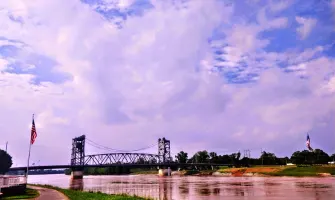
Kennett ranks among the cheapest places to live and has a compact city layout. It enhances accessibility, allowing short drives to most destinations despite limited public transport options like taxi services. Local parks such as Jones Park and Keenan Park offer green spaces with playgrounds and walking trails
- City Center: It features a rural-urban mix with older single-family homes and apartments built mostly from 1940-1969. Short commutes under 15 minutes for 61% of residents provide appeal, with proximity to Kennett Palace Theater downtown and nearby Kennett Middle School at 510 College Ave.
- Kennett East: This rural neighborhood consists mainly of medium-sized single-family homes from 1970-1999. Over half of residents enjoy commutes under 15 minutes, near South Elementary School and Jones Park’s walking trails and disc golf.
- Kennett West: The neighborhood presents a quiet suburban residential vibe with single-family homes. Families value access to H. Byron Masterson Elementary School and Mitchell Park’s playgrounds and picnic areas.
- Job Market: Key industries in Kennett include manufacturing, healthcare, education, and agriculture. Major employers feature Cim-Tek Filtration, which expanded in 2023 adding up to 77 jobs at above-county-average wages, alongside Rotech Healthcare and the City of Kennett.
- Recreation: Beyond local parks, visitors explore the Dunklin County Museum in the historic original City Hall, displaying Native American artifacts and local history collections. The renovated Kennett Palace Theater downtown screens family films. Nearby conservation area Little River offer fishing, hunting, and birdwatching
- High Crime rate: Kennett faces 41.61 incidents per 1,000 residents, exceeding national average, with 362 property crimes reported.
- Limited Job Diversity: Job opportunities are concentrated in manufacturing, healthcare, and agriculture; there are only 72-183 jobs across sectors for a 4,030-worker base.
- Natural Disaster Risks: Nearly 20% of properties face flood risk over 30 years. The area is prone to tornadoes as in recent severe weather events.
Jennings
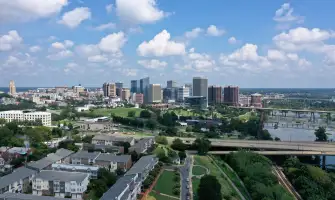
The community features well-connected public transport, numerous local parks, and a quiet suburban lifestyle ideal for families. With many homes for sale in Jennings, residents enjoy an affordable yet accessible place to live near urban conveniences.
- Jennings East: It features a quiet suburban vibe with a notable Jamaican community presence. It appeals to buyers due to proximity to Rose Mary Johnson Jennings Junior High School on Cozens Avenue and Koeneman Park, which hosts the Jennings Summer Concert Series.
- DeBaliviere Place: This neighborhood offers a dense urban residential feel near Forest Park. Buyers value its access to Washington University, MetroLink transit, and attractions like the St. Louis Zoo and Art Museum.
- Flordell Hills: It provides a small, residential village atmosphere adjacent to Jennings. It draws families for its location within the Jennings School District, including Northview Elementary and Jennings Senior High.
- Job Market: Key industries include retail, transportation, and education through the Jennings School District. With over 67,000 job listings nearby for roles in custodial work, order picking, and cashier positions.
- Recreation: Lions Park offers picnic pavilions, volleyball courts, a gazebo, and barbecue pits for community gatherings. River Roads Mall serves as a local shopping landmark reflecting everyday suburban life. Nearby Calvary Cemetery and Bellefontaine Cemetery provide historical walking areas.
- Limited Job Diversity: Employment in Jennings declined 3.13% from 2022-2023, with local opportunities concentrated in retail, transportation, and education rather than varied sectors.
- Low-performing Schools: Jennings School District schools, such as Jennings High School, face challenges with proficiency rates and higher violence incidents reported by students.
- Food Desert and Few Amenities: Residents note a lack of grocery stores and entertainment options, described as a food desert with limited places for genuine leisure activities.
Poplar Bluff
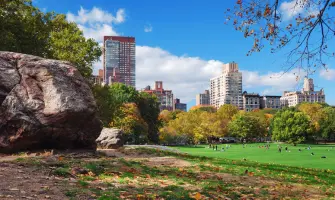
The city offers accessible local transport options like buses and an Amtrak station, alongside pedestrian-friendly sidewalks and trails. Parks such as Sportsman’s Park with boating access, a downtown skate plaza, and an 18-hole golf course enhance outdoor lifestyle appeal without high costs.
- Loma Linda: A suburban neighborhood with medium-sized single-family homes built mostly 1970-1999. It is appealing due to proximity to Poplar Bluff High School and Oak Grove Elementary, plus retiree-friendly low crime and quiet setting.
- Poplar Bluff Northwest: It is a quiet residential suburban area north of downtown with spacious yards and tree-lined streets. Families value access to Oak Grove Elementary School, Poplar Bluff High School, and nearby parks like Sportsman’s Park with boat launch.
- Cynthia-Kinzer Historic District: It’s predominantly a residential historic district with Colonial Revival and Bungalow homes from 1907-1961, near downtown. It offers walkable access to Poplar Bluff Municipal Library, Rodgers Theatre, and Iron Horse Festival events.
- Job Market: Key industries in Poplar Bluff include healthcare, manufacturing, and education. Major employers are Poplar Bluff Regional Medical Center, Briggs & Stratton, Poplar Bluff R-1 Schools, and John J. Pershing VA Medical Center.
- Recreation: Black River Coliseum hosts concerts, bull riding, and events with an indoor pool and rock climbing wall. Mo-Ark Regional Railroad Museum features a Sports Hall of Fame and historic displays. Allred Lake Natural Area offers swamp forest trails.
- Scarce Amenities and Entertainment: Residents note few shopping options beyond basic retail like Walmart, limited restaurants, and abandoned buildings downtown.
- Poor Infrastructure and Urban Decay: Reviews highlight widespread litter, beggars, high smoking rates, stray animals, and neglected areas like the boarded-up Doctors Hospital, contributing to a rundown appearance.
- High Natural Disaster Risks: Poplar Bluff faces severe tornado threats, including an EF3 tornado in March 2025 that damaged homes, businesses; Black River flooding reached major levels in April 2025.
Kirksville
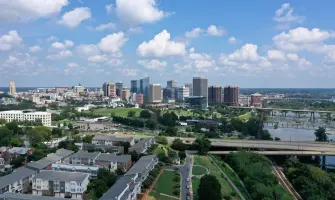
The city offers a quiet, family-oriented lifestyle with walkable areas, a tight-knit community, and affordable housing in Missouri. It also provides access to trails like the Forest Lake Area Trail System connecting to Thousand Hills State Park for hiking, biking, and outdoor recreation.
- Belaire Estates: It is a suburban residential neighborhood with established single-family homes near North New Street. It offers proximity to Kirksville Primary School, Kirksville High School’s Spainhower Field track, and shopping areas.
- Town and Country: Quiet suburban area featuring single-family residences and possibly mobile homes in a family-oriented setting. Residents value its location close to retail like Walmart and North Park Complex with skate park and sports fields.
- Hickory Ridge: This is a rural-suburban enclave with wooded lots and trails west of town center. Attracts families for nearness to Kirksville Primary School, Ray Miller Elementary School, William Matthew Middle School, and Thousand Hills State Park access.
- Job Market: Key industries in Kirksville include education, healthcare, manufacturing, and retail. Major employers are Kraft Heinz, Truman State University, AT Still University, Northeast Regional Medical Center.
- Recreation: Popular spots include Kirksville Rotary Park with disc golf, playgrounds, picnic shelters, and a snow sledding hill. The Kirksville Aquatic Center offers swimming, while the Del and Norma Robison Planetarium at Truman State University hosts stargazing events.
- Severe Weather Risks: Kirksville faces threats from tornadoes, floods, and winter storms; a 2023 event caused flash flooding with water rescues.
- Harsh Winters: Cold temperatures often drop below freezing, with averages around 13°F highs in January and risks of bitter cold snaps affecting daily travel and outdoor activities.
- Limited Amenities: Few entertainment options beyond local parks and a small aquatic center; major shopping, dining variety, and cultural venues require travel to larger cities like Columbia, 90 miles away.
Carthage
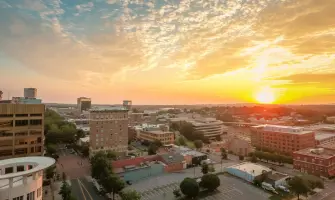
Residents in Carthage enjoy a relaxed small-town lifestyle with access to parks like Carthage Municipal Park, which includes playgrounds, fairgrounds, and an 18-hole golf course along Route 66. Local transportation options, such as city-subsidized taxis and proximity to regional services, enhance accessibility for daily needs.
- Silver Creek: It’s a residential suburban area with single-family homes on larger lots near wooded terrain. It offers proximity to Carthage R-IX schools like Mark Twain Elementary and access to Municipal Park playgrounds.
- Crestline: A quiet residential neighborhood with ongoing sidewalk improvements connecting local areas. Near schools including Steadley Elementary and a large community park with playground, plus the CORE building.
- Woodland Park: It’s an established residential zone in central Carthage focused on family housing. Convenient access to Carthage Junior High School and the annual Maple Leaf Festival events downtown.
- Job Market: Key industries in Carthage include manufacturing, logistics, healthcare, retail, and education. Major employers consist of Leggett & Platt, Schreiber Foods, Carthage R-9 Schools, Mercy Hospital, Butterball Foods, and H.E. Williams, Inc.
- Recreation: Popular attractions are Precious Moments Park with its 52 biblical murals, Red Oak II historic site, Jasper County Courthouse on the square, and 66 Drive-In Theatre along Route 66. The annual Maple Leaf Festival draws crowds with parades, vendors, and live music on Grand Avenue.
- Higher Crime Rates: Carthage has a higher-than-average crime rate, with a total of 15.62 crimes per 1,000 residents, exceeding 73% of Missouri communities.
- Limited Job Diversity: Jobs are concentrated in manufacturing (e.g., production occupations for 857 workers) and related sectors, potentially restricting opportunities outside these fields.
- Natural Disaster Risks: The area faces natural disaster risks from tornadoes and severe storms, as evidenced by a recent tornado-warned event causing damage and power outages.
Lebanon
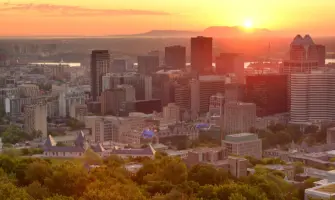
The city offers easy access to major highways, scenic parks, and nearby lakes that enhance outdoor living. With a variety of homes for sale in Lebanon, residents enjoy a comfortable lifestyle that balances small-town charm with modern convenience.
- Lebanon South: It’s a Rural residential area with single-family homes and short commutes under 15 minutes. Appeals to buyers near Gasconade Elementary School and manufacturing jobs.
- Evergreen: This is a quiet, low-density suburban neighborhood outside city center with spacious lots. Buyers value proximity to Gasconade Elementary School, about 3 miles away.
- City Center (Historic Downtown): It’s a urban historic district featuring shops, wide sidewalks, and brick buildings from the early 1900s. Attracts those close to Boswell Park, Route 66 Festival, and Lebanon’s Farmers Market.
- Job Market: Key industries in Lebanon include marine manufacturing and metal products. Major employers like White River Marine Group, Copeland, G3 Boats, Lowe Boats, and Missouri Cooperage employ 25% of the county’s labor force.
- Recreation: Atchley Park offers playgrounds, ball fields, disc golf, and a lighted walking trail as one of the city’s largest green spaces. Harke Park provides picnic shelters, disc golf, and trail connections to schools.
- High Crime Rates: Lebanon’s overall crime rate stands at 2,473 per 100,000 residents, 16.7% above the national average of 2,119. Buyers should research neighborhoods before moving.
- Limited Job Diversity: Employment centers on manufacturing like boats and metal products, with production occupations dominant at 3,223 workers. Limited sectors beyond marine and industry contribute to lower diversity, with year-over-year employment down 1.42%.
- Natural Disaster Risk: Laclede County faces tornado threats, as seen in past events causing tree uprooting and structural damage in Lebanon. High winds from severe storms have led to power outages affecting over 37,000 customers.
Hazelwood
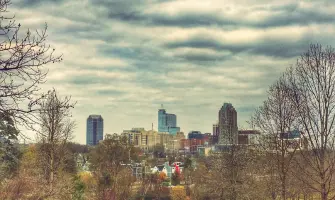
Hazelwood features abundant green spaces like White Birch Park and quick routes via I‑270 for smooth travel. With its balance of convenience and comfort, homes for sale in Hazelwood attract those seeking value without sacrificing quality of life.
- Riverwood Estates: The neighborhood presents a suburban residential vibe with single-family executive-style homes near Florissant boundaries. Proximity to Koch Park for recreation and Russell Elementary School appeals to families seeking local amenities.
- Fox Crest: It offers a quiet suburban setting in west Hazelwood, characterized by ranch-style homes from the 1960s. Access to McNair Elementary School (0.3 miles away), West Middle School, and Hazelwood West High School draws buyers.
- Village Square: The neighborhood features a wooded, residential neighborhood with apartments and single-family homes near shopping areas. Its location two blocks from the Hazelwood bus station and close to I-170/I-270 provides easy commuting access for residents.
- Job Market: Hazelwood’s economy centers on aerospace, manufacturing, and distribution. Major employers include Boeing, Amazon Services, bioMerieux, Concentrix, GKN Aerospace, and Mallinckrodt.
- Recreation: Harry S. Truman Park provides walking trails, a fishing lake, and playgrounds for family outings. The Hazelwood Sports Complex offers reservable athletic fields, while the BMX/Skate Park and 18-hole Disc Golf Course at White Birch Park support active pursuits.
- Limited Amenities: Hazelwood ranks low for amenities (F grade), with few entertainment options beyond parks and shopping centers, lacking places like Starbucks or study spots outside the library.
- Public Transit Challenges: Public transportation access is limited, leading to longer commute times; MetroBus routes suffer from low frequency (20-30+ minute waits) and frequent schedule changes.
- School District Concerns: Hazelwood School District receives a D- education grade, with resident reviews citing frequent fights, vaping, and threats at schools like North Middle.
Sikeston
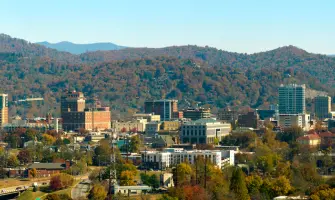
The city features peaceful neighborhoods, ample parks, and a relaxed small-town atmosphere that supports affordable lifestyles. Those exploring homes for sale in Sikeston will find a balance of accessibility, community amenities, and value rarely matched in the region.
- Historic Downtown Sikeston: It maintains a quaint, walkable urban vibe with restored brick streets and early 20th-century buildings like the Sikeston Depot Museum. Proximity to Malone Park, Lee Hunter Elementary School on Baker Lane, and events such as the annual Wine Festival appeals to buyers.
- Sikeston Northwest: The area offers a quiet, middle-income residential suburban feel with moderate-density housing. Residents value its position near Sikeston Recreation Complex parks, Sikeston Sr. High School, and short commutes along major highways to local amenities.
- Matthews/Morehouse: These areas provide a rural, family-oriented residential setting outside central Sikeston, within the Sikeston R-6 School District. Matthews Elementary School serves local students, with access to nearby parks like R.S. Matthews Park
- Job Market: Sikeston supports employment in manufacturing, healthcare, retail, and education. Major employers include Unilever, Missouri Delta Medical Center, Sikeston Public Schools, Food Giant, Alan Wire, and Wal-Mart.
- Recreation: Sikeston features 16 parks spanning nearly 285 acres, including American Legion Park, Veterans Park. The Recreation Complex offers 1.5-mile multi-use trail for walking, running, and cycling. Nearby Big Oak Tree State Park offers fishing, hiking, and primitive camping.
- Elevated Crime Rates: Sikeston’s total crime rate reaches 5,024 per 100,000 residents, 116% above the national average, yielding a 1 in 68 chance of violent victimization.
- Limited Amenities: The city has ew entertainment options beyond local parks and museums, with major shopping, dining, and cultural venues requiring drives to Cape Girardeau or larger cities.
- Wind Risk: The area faces moderate wind risk from tornadoes and severe storms, plus minor flooding affecting 19% of properties over 30 years
Joplin
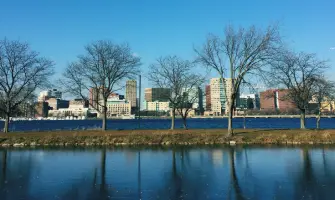
Joplin offers an affordable cost of living paired with a comfortable small‑city lifestyle. The city’s well‑connected transport links, scenic parks, and family‑friendly amenities make daily life accessible and relaxed.
- Silver Creek: It maintains a suburban country vibe with spacious lots and wooded areas on Joplin’s southern edge. It appeals to families due to proximity to well-regarded schools like those in Joplin School District and low crime rates.
- Downtown Joplin: The area features an urban, walkable vibe centered around Main Street with historic buildings and cultural spots. Buyers value its access to Third Thursday events, shops, dining, and nearby parks like Spiva Park.
- North Heights: It offers a quiet residential vibe with early 20th-century homes and tree-lined streets north of downtown. It draws families for its closeness to East Middle School and community events like North Heights Porchfest.
- Job Market: Joplin’s economy centers on manufacturing, trade, transportation, utilities, education, and health service. Major growth areas target distribution centers and commercial machinery repair, supported by a skilled workforce where 66% have some college education.
- Recreation: Grand Falls, Missouri’s largest continuously running waterfall, draws visitors for hiking and scenic views along Shoal Creek. The Frisco Greenway Trail offers a 3.5-mile gravel path for biking and walking, accessible near Oakland Park neighborhoods.
- High Crime Rates: Joplin’s total crime rate reaches 4,681 per 100,000 residents, 121% above the national average, driven by high property crime at 3,907 per 100,000.
- Limited Job Diversity: Employment concentrates in manufacturing (10.9%), trade/transportation, and health services, limiting options in tech or finance sectors.
- Natural Disaster Risk: Joplin lies in Tornado Alley; the 2011 EF-5 tornado killed 161, injured over 1,000, and caused $3 billion in damage. Ongoing risks include tornadoes and flash flooding
Neosho

The city features lush parks, family-friendly recreation areas, and a relaxed lifestyle ideal for budget-conscious residents. With its combination of affordability and accessibility, homes for sale in Neosho attract those seeking value without sacrificing comfort or community.
- Silver Creek: It provides a quiet, suburban residential vibe with single-family homes and low crime rates. It appeals to families due to proximity to Benton Elementary School and local parks like Big Spring Park.
- Oakland Park: The area offers a central suburban feel with varied housing options near city amenities. Buyers value its access to Neosho schools such as South Elementary and nearby Celebrate Neosho festival events.
- Iron Gates: This neighborhood features a more upscale suburban environment with modern homes and higher-income residents. Its appeal lies in closeness to Neosho Junior High School and recreational spots like Morse Park.
- Job Market: Neosho’s economy centers on manufacturing and food processing. Major employers include Schreiber Foods, Schaeffler Group, and Neosho National Fish Hatchery.
- Recreation: Neosho features the Neosho National Fish Hatchery, a historic site for fish viewing and education, alongside the World’s Largest Flower Box in Morse Park. Additional attractions include the Edward Haas Building’s stone frieze and Herman Jaeger plaque.
- Limited Healthcare Access: Rural location limits specialized medical care, with Freeman Hospital as the primary facility but longer travel times to advanced services in Joplin, 15 miles away.
- Fewer Amenities and Entertainment: Small-town setting offers limited shopping, dining, and cultural options beyond local spots, requiring commutes to Joplin for variety like major retailers or diverse restaurants.
- Car Dependency: No public transit system exists, making vehicle ownership essential for daily needs, work commutes, and accessing regional hubs.

Pro Tip Want Kansas City without premium prices? Neighborhoods like Independence, Raytown, and Northeast KC offer more affordable homes for sale in Kansas City while keeping you close to downtown jobs and entertainment.
St. Peters (safety score of 82) and Savannah (safety score of 81) are the cheapest and safest cities in Missouri. They offer low crime rates, family-friendly neighborhoods, and a lively, welcoming lifestyle.
Top 3 Cheapest Cities to Live in Missouri for Young Adults
Finding the cheapest city to live in Missouri isn’t just about low housing costs. You’re looking for good job opportunities, a vibrant lifestyle, and a place where you can truly thrive. These Missouri cities deliver all three, offering affordable homes alongside growing job markets.
| Rank | City | Why It’s Great for Young Adults |
|---|---|---|
| 1. | Carthage | Carthage’s closeness to Joplin broadens job opportunities in healthcare, manufacturing, and logistics while letting residents enjoy small-city affordability. Local small businesses add careers in production planning, accounting, and retail management, making homes for sale in Carthage attractive to professionals |
| 2. | Springfield | Homes for sale in Springfield are complemented by a strong job market in healthcare, education, and logistics. Young professionals are drawn to vibrant areas like downtown lofts and neighborhoods near Missouri State University, offering breweries, live music, and co-working spaces. |
| 3. | Columbia | The University of Missouri and nearby institutions create steady demand for early-career talent in education, research, healthcare, and media. This demand attracts young professionals seeking walkable amenities and a vibrant social scene without the high costs of a big city, making homes for sale in Columbia especially appealing for those starting their careers. |
Top 3 Inexpensive Places to Live in Missouri for Families
Missouri is a popular choice for families thanks to its affordable housing, family-friendly communities, and strong schools. These cities offer low living costs without sacrificing access to quality education and everyday conveniences.
| Rank | City | Why It’s Great for Families |
|---|---|---|
| 1. | Kirksville | Families in Kirksville have easy access to libraries, cultural events, farmers markets, and movie theaters, providing low-cost educational and entertainment options close to home. These amenities make homes for sale in Kirksville appealing for families seeking both convenience and a rich community experience. |
| 2. | Blue Springs | Blue Springs offers numerous parks and recreational facilities designed for kids and teens, supporting active play and everyday family routines. Year-round community events, youth sports leagues, and family programs give children regular chances to socialize, while homes for sale in Blue Springs appeal to parents seeking a connected, welcoming environment. |
| 3. | Ballwin | Ballwin’s highly rated public schools make it a top choice for families seeking quality education near St. Louis. With multiple parks, trails, and youth sports programs close to home, homes for sale in Ballwin appeal to parents who value strong schools and easy weekend recreation. |
3 Best Affordable Places to Live in Missouri for Retirees
Missouri is a welcoming choice for retirees. In these cities, you’ll find affordable homes, accessible healthcare, and quiet, safe communities. With parks, lakes, and scenic trails for walking, fishing, and picnicking, it’s easy to enjoy a comfortable, active lifestyle without high costs.
| Rank | City | Why It’s Great for Retirees |
|---|---|---|
| 1. | Joplin | Freeman Health System provides strong healthcare access, while assisted living costs average around $2,500 per month, below the state norm. Parks like Cunningham Park and Wildcat Glades, plus a revitalized, walkable downtown, make it appealing to retirees seeking care, convenience, and daily quality of life. |
| 2. | Kennett | Kennett offers a relaxed small-town lifestyle with community events and easy day trips to Memphis for major hospitals, shopping, and dining. Daily life favors porch-sitting, church gatherings, and local events over congestion or tourism, which makes homes for sale in Kennett appealing to buyers seeking calm living with big-city access nearby. |
| 3. | Sedalia | Sedalia delivers everyday recreation through the Missouri State Fairgrounds, local parks, and direct access to the Katy Trail for walking and biking. Convenient local clinics, supported by nearby regional healthcare, keep medical care accessible and affordable, adding appeal to homes for sale in Sedalia. |
3 Hidden Costs to Consider in Missouri
Even in the cheapest Missouri cities to live in, home prices are only part of the cost. So, factor in local sales tax and storm coverage along with property taxes when looking for the cheapest area to live in Missouri.
- Local Sales Tax: Missouri’s state sales tax is 4.23%, but local add-ons push combined rates to 8.41% or higher in cities like St. Louis
- Winter Vehicle Costs: Icy roads, road salt, and potholes necessitate battery replacements, rust-proofing, and winter tires, costing $500-$1,000+ annually beyond standard maintenance.
- Storm Insurance Deductibles: Wind/hail deductibles of 1-2% of home value (e.g., $3,000-$6,000 on $300,000 homes) apply only to storm claims, plus premiums averaging $3,290 yearly.
Quick Tip Seniors and individuals with disabilities qualify for a state Property Tax Credit that helps reduce part of their property tax burden. This benefit applies only to a primary residence and does not extend to second homes or investment properties.
Savings Breakdown: Cheapest Cities in Missouri to Live In
Housing costs vary dramatically across Missouri. Kennett residents save $1,542 monthly compared to Kansas City and $1,251 compared to St. Louis. The following table breaks down these savings by median home price, monthly mortgage, property tax, insurance, and total monthly costs.
| City | Median Home Price | Avg. Monthly Mortgage | Insurance/taxes | Estimated Monthly Cost for a Single Person | Monthly Savings vs. Kansas City |
|---|---|---|---|---|---|
| Kennett | $135,000 | $740 | $695 | $1,500 | $1,542 |
| St. Louis | $253,000 | $1,600 | $1,204 | $2,751 | $291 |
| Kansas City | $280,000 | $1,846 | $991 | $3,042 | – |
Affordable Living Beyond Missouri
Not sure if the cheapest places in Missouri to live will fit your budget? Here are a few surrounding states that offer affordable housing, plenty of job opportunities, and stellar education, just like Missouri.
Affordable Housing
Housing in Mississippi is about 28% below the national average, similar to Missouri. Here are the three cheapest places to live in Mississippi:
- Meridian: Median home price is $170,00, rent under $1,178, and is Frequently listed among the most affordable places in the state.
- Tupelo: Median home price is $244,000, rent under $1,235 with a cost‑of‑living index in the mid‑70s.
- Greenville: Median home price is $189,000, rent under $999, and combines very low home values with living costs more than a fifth under the national average.
Strong Job Opportunities
Oklahoma offers job opportunities comparable to Missouri, with strong growth in manufacturing, healthcare, energy, and trade sectors. These are the top 3 cheapest places to live in Oklahoma:
- Anadarko: Average home price is $62,500, rent under $900, and has over 2,000 job openings, primarily in healthcare.
- Altus: Average home price is $165,000, rent under $1,500, and the economy is, driven by Altus Air Force Base for defense, logistics, and support services
- Okmulgee: Average home price is $90,000, rent under $900, and regional jobs focus on healthcare, public safety, municipal services, and manufacturing/warehouse.
Stellar Education
Arkansas matches Missouri’s education profile with solid public schools, strong university systems like the University of Arkansas. Here are the cheapest places to live in Arkansas:
- Helena-West-Helena: Homes sell at a median price of $33,500, rent under $750, and the Helena-West Helena School District operates three main schools: J.F. Wahl Elementary, Eliza Miller Primary, and Central High School.
- Forrest City: Homes sell at a median price of $168,000, rent under $650, Forrest City School District includes Forrest City High School, offering 141 courses in college-prep and vocational tracks.
- Blytheville: Homes sell at a median price of $77,000, rent under $1,100, and Blytheville School District covers all grades with Blytheville High School, Middle School, Elementary, Primary, and Kindergarten Center.
Want to cast a wider net? Beyond Mississippi, Oklahoma, and Arkansas, explore the cheapest places to live in the US where your dollar stretches even further.
So, Where Is the Cheapest Place to Live in Missouri?
Kennett, Jennings, and Poplar Bluff are the most affordable cities to live in Missouri. These areas offer more than low prices; they also provide steady job markets, plenty of recreation, and a cost of living 10% lower than the state norm.
Moving to Missouri also offers valuable tax advantages, with property taxes averaging at 0.80%. Whether you’re relocating or buying your first home, you can browse listings, compare prices, and make offers online.
Frequently Asked Questions
What is the cheapest place to live in Missouri?
The cheapest place to live in Missouri is Kennett. It offers affordable housing at a median sale price of 135K.
» 10 Cheapest Places to Live in Missouri: Find out the other cheapest places to live in Missouri.
Where is the best place to live in Missouri?
The best place to live in Missouri is St. Joseph, followed by Florissant, Independence, Kennett, Joplin, Springfield, and St. Louis
What are the living expenses in Missouri?
The average cost to live in Missouri is 8% lower than the national average. Additionally, healthcare and transportation are 3% lower than the national average.
Where are the cheap places to retire in Missouri?
Joplin, Kennett, Sedalia are among the cheap places to retire in Missouri on a budget. They offer affordable housing, small-town comfort, and easy access to medical care.
Which cities have the cheapest cost of living in Missouri?


