


Still waiting for the right time to buy your dream home? Four in every five Americans consider buying a house a significant milestone in their lives. However, the median home price in the US is $364K, making it even more difficult to buy a house in 2026.
A foreclosed home offers a chance to buy a property at a 20-30% discount. Additionally, with 188,000 foreclosed homes across the US, you have plenty of options to choose from. Here’s a closer look at how to buy a foreclosed home in 2026!
Houzeo is America’s best home buying and selling platform.
For Home Sellers: List your home for a Flat Fee, and save 2.5% to 5.5% on the listing agent commission! That’s thousands of dollars extra in your pocket.
For Home Buyers: Houzeo has the most number of houses for sale. Start your dream home search now!
👉 Want to know more about us? Watch our “What is Houzeo” video to see the platform in action.
Yes! You can list your home for sale or search millions of homes on the Houzeo mobile app!
Download now on the Apple App Store or the Google Play Store.
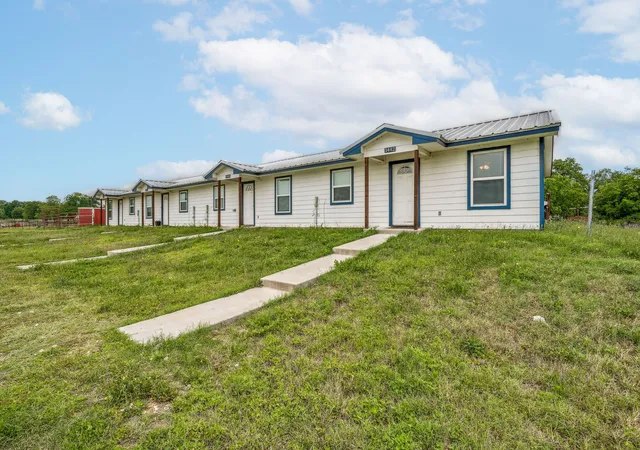


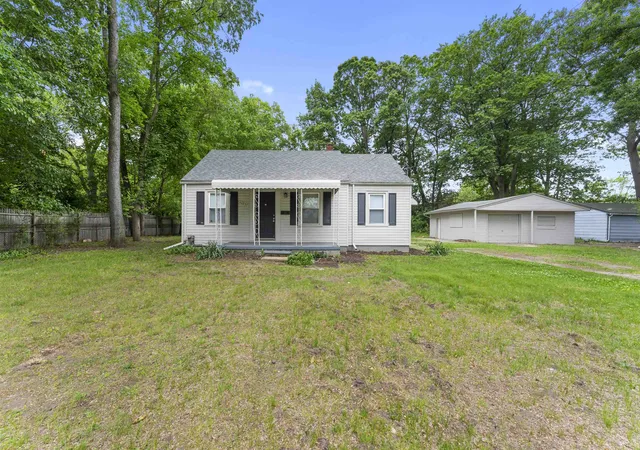


Key Takeaways
- Foreclosed homes are comparatively cheaper: You can typically purchase foreclosed homes at 10-20% below the market value. This makes them a cost-effective option for buyers.
- Associated Risks: Most foreclosures are sold “as-is” in their current condition. So you are responsible for all potential legal or lien issues, repairs, and maintenance.
- Multiple buying options: There are several ways to buy foreclosures. Such as REO (bank-owned), short sales, and auctions.
- Financing foreclosures can be challenging: Many lenders prefer homes in good condition that do not need major repairs, and foreclosure homes’ closing dates can be delayed.
- Pre-purchase check-up: Always check property condition, title history, neighborhood value, and repair costs before making an offer.
What Is Foreclosure?
Foreclosure is a process where a lender takes ownership of a property after the borrower fails to make mortgage payments. The lender then sells the foreclosed property to recoup the remaining loan amount.
Can I Buy a Foreclosed Home?
You can buy foreclosed homes typically 20-30% below the market value. This is largely due to the lenders wanting to avoid the costs associated with owning a property. However, foreclosed homes are often sold as-is, meaning buyers are responsible for all repairs.
Is Buying a Foreclosed Home Right for You?
Buying a foreclosed home can be a great opportunity, but it’s not for everyone. It’s best suited for you if you’re an investor, experienced buyer, or handy homeowner looking for a below-market deal.
Before deciding to buy a foreclosure, you should consider whether you’re prepared for:
- Pay in cash or secure suitable financing for the foreclosure
- Handle potential legal issues or liens
- Cover renovation costs and repairs
If you think you have the experience, risk tolerance, and resources, a foreclosed home may be your smart choice.
Pros and Cons of Buying a Foreclosed Home
| ✅ Pros | ❌ Cons |
|---|---|
| 1. Foreclosed homes offer a chance to buy your home at 20-30% below the market value. | 1. Most of the foreclosed homes are sold as-is, and buyers are solely responsible for any repairs. |
| 2. With some repairs and renovations, investors can easily sell it for a significant profit. | 2. Foreclosed homes may come with unpaid taxes, utilities, or HOA fees that you must cover after purchase. |
| 3. Buying below market value lets you build more equity, especially after upgrades. | 3. Lenders hesitate to fund homes needing major repairs, limiting your financing options. |
| 4. Fewer buyers bid on foreclosures, giving you more negotiating power. | 4. Buying a foreclosed home is a very complex process and can lead to long closing dates. |
Types of Foreclosed Homes
There are three main types of foreclosed homes, each with its own buying process and advantages:
- Short Sale: A short sale is where a lender allows homeowners to sell their property for less than the amount owed on the mortgage. This helps you buy a home below market value, but the process is slow, and the home often sells as-is.
- Foreclosure Auctions: It’s a public auction of foreclosed properties where properties are sold to the highest bidder. Foreclosure auctions offer lower prices, a chance to customize, and a quick and easy purchase compared to traditional sales.
- REO (Real Estate Owned): It is a property that has already gone through foreclosure and is now owned by the bank or lender. REO properties offer clear titles, affordable prices, and more equity gains.
Step-By-Step Guide on How to Buy a Foreclosed Home:
If you are still wondering how to buy a foreclosed home, here is a detailed step-by-step guide:
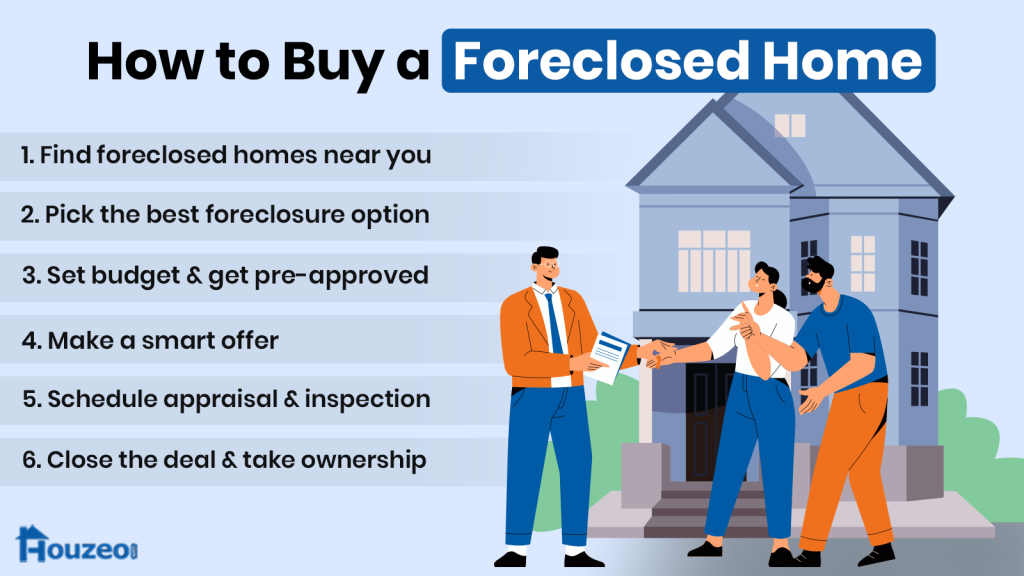
Step 1: Research and Find Foreclosed Homes Near Me
The first step in buying a foreclosure is researching where to find listings. Several government agencies and banks list these properties for sale online.
- Government Agencies: The government agencies, like the U.S. HUD, Fannie Mae, and Freddie Mac, offer foreclosed homes for sale through their website. Some sites, like the U.S. Treasury, sell via auctions, while others offer direct online purchase.
- Bank & Lender Websites: Banks like Bank of America often list their REO properties on their websites. Buying directly from a bank ensures transparency and fewer complications, as the bank already owns the property.
- Courthouse Auctions: Some foreclosed properties are auctioned at courthouses, where buyers can bid and buy properties. Plus, auction details are often available through county records, which can easily be accessed online or in person.
- Real Estate Agents: Many realtors have access to Multiple Listing Services (MLS) that include foreclosure listings. Plus, a real estate agent can help you navigate through the complex paperwork and negotiate better deals before making an offer.
- Local Newspapers: Public foreclosure notices are often posted in the legal section of newspapers. In it, you can find the details about upcoming property auctions, court sales, and contact information of sellers for inquiries.
A foreclosure auction is a public sale where foreclosed properties are sold to the highest bidder. The process typically works as follows:
- The lender or local authority schedules and announces the auction
- Interested buyers research properties and set a budget in advance
- Bidders compete by placing increasing bids during the auction
- The highest bidder wins the property, often with immediate or short-term payment requirements
- Most auction properties are sold “as-is,” with limited opportunity for inspection
This makes auctions fast-paced and potentially rewarding, but they also come with higher risk.
Step 2: Decide Which Foreclosure Option Is Best for You
Based on your purchase goal, different options can offer different benefits. You should go for a short sale if you want to negotiate the price. On the other hand, experienced investors can handle the risk involved with foreclosure auctions for a discounted price.
REO sales are a great option for buyers looking to minimize risk, as lenders typically clear all liens and taxes. They also offer below-market prices and a simpler process since the lender already owns the property
Step 3: Set Your Budget & Get Pre-Approved
A mortgage is a key part of buying a foreclosed home. Getting pre-approved helps you budget better and gives you a clear idea of how much you can afford to spend. Let’s see different mortgage alternatives for you:
- FHA Loans: These loans offer as low as 3.5% down payments for eligible home buyers. Additionally, the credit guidelines for FHA loans are typically more flexible. This makes it easy to buy a foreclosed home.
- VA Loans: Available for eligible veterans, VA loans often offer a no-down-payment option. However, the property should meet the VA’s minimum property standards to qualify for the purchase.
- FHA 203(k) Loans: The 203(k) loans help home buyers roll the costs of both purchasing a home and renovating it into one mortgage. Additionally, a 203(k) requires just a 3.5% down payment if you have a credit score of 580 or above.
- HomePath ReadyBuyer: HomePath is a Fannie Mae cost assistance program for repossessed properties. Specifically, first-time buyers can get up to 3% of the house price in assistance for a HomePath property.

Compare different mortgages instantly! You can use the mortgage calculator to compare financing costs, helping you determine the best option for you.
Step 4: Make a Smart Offer
An offer is a formal, legally binding contract that shows the seller what you are offering and the conditions of your purchase. Here is how to make a compelling offer to buy a foreclosed home:
- Make a Formal Purchase Offer: Submit your offer in writing using the state contract. Ask your real estate agent to help draft your offer. If you’re buying without an agent, consult an attorney to help you with the legal details.
- Price Competitively: Carefully study the current trends in the market to make a competitive offer. If it’s a short sale, factor in contingencies such as needed repairs or improvements.
- Offer More Earnest Money (EMD): Offer a large earnest money deposit, often more than the typical $1,000 minimum. This makes your proposal stand out and more attractive to the sellers.
- Set a Deadline for Sellers: Set a strict deadline to encourage a prompt reply from the seller. This helps you avoid unnecessary delays.
- Avoid Extra Asks: Don’t put overemphasis on the contingencies or ask for seller concessions, as this can lead to rejection. Focus on a clean, straightforward, and competitive offer.
Step 5: Schedule Appraisal and Home Inspection
Home inspection and appraisal are important when buying a foreclosed home. Home appraisals help you determine a property’s value. Additionally, it helps you understand whether the price is aligned with the fair market value, conditions, and local housing trends.
However, a home inspection is a comprehensive evaluation of the property’s physical condition. This includes its structural elements, electronic and plumbing systems, and other potential issues. It helps identify any repairs, defects, or safety issues with the property.
Estimate the Home’s Value! Estimate the value of any property with ease and make more informed buying decisions through the house value calculator.
Step 6: Close the Deal and Take Ownership
Check out your home appraisal and inspection report, then decide whether the home is the right fit for you. Next, reach out to your mortgage lender with documents such as income proof, identity proof, and credit history.
This step is especially important if you plan to carry out any necessary renovations after purchase. Lastly, consult your real estate agent for help. He will help you with the process of submitting an offer, closing, and taking ownership of the home.
How to Find Foreclosed Homes Near You
Finding the right foreclosed property for you can feel overwhelming, especially when you come across multiple platforms’ listings. However, if you know what and where to look, that can narrow down your search and help you uncover the best properties faster.
Some of the most effective ways to find foreclosed homes near you are mentioned below.
Government Foreclosure Listings
Government agencies typically offer some of the most reliable sources of foreclosed homes. The federal programs mainly back these properties, so they’re often priced competitively. Such as the HUD (U.S. Department of Housing and Urban Development) and U.S. Treasury & IRS Auctions.
Lender and Bank REO Listings
Lenders and banks usually maintain their own inventory of REO properties after foreclosure. There are certain advantages if you buy directly from the lender, such as:
- In most cases, they have clearer property titles
- Potential for negotiation, not like an auction
- A more structured and straightforward process of buying the foreclosures
However, there are some different challenges here, like each bank lists its properties separately. This makes it difficult and time-consuming. You would have to browse multiple bank websites to find the ideal property deal for you.
Online Real Estate Platforms
Online real estate platforms have made it easier for people to browse through foreclosed homes in one place alongside traditional foreclosure listings. Through these platforms, you can also compare prices across neighborhoods and find the best deal for you.
While this might be very convenient, many platforms still lack comprehensive coverage of foreclosures or real-time updates on their websites. This might limit your options or make things difficult for you.
Finding foreclosed homes in your area requires a mix of online research and local outreach. You can:
- Browse listings on government websites like HUD, Fannie Mae, and Freddie Mac
- Check bank and lender websites for REO (Real Estate Owned) properties
- Use trusted online real estate platforms to search foreclosure listings
- Work with a local real estate agent for expert guidance and off-market deals
- Attend foreclosure auctions or review public records in your area
- Network locally by connecting with homeowners, neighbors, or real estate investors for potential opportunities
Buying a Foreclosure With Cash
Paying in cash is one of the most efficient ways to buy a foreclosure, especially in competitive markets. As cash buying offers you a faster closing, no financing or loan approval delays, you get strong negotiation power. It is also very good for auctions.
However, this also comes with its own drawbacks. When buying with cash, you will tie up a larger sum of liquidity. This means you won’t be able to invest that money anywhere else, and you’ll also not be able to get any leverage compared to financing or taking loans to buy the home.
How Much Can You Save on a Foreclosed Home?
Buying a foreclosed home typically helps you save 10%-20% below market value. Because, as you know, the lender sells the property to recover the unpaid loan balance. While you can always hope for a discounted price when buying foreclosures, it usually depends on factors that may affect pricing.
Factors That Affect Foreclosure Pricing
Several factors affect the foreclosure pricing. Let’s look into them below:
- Property Condition: Lenders sell the foreclosures in the current condition that was kept by the owner. They don’t take any effort to repair or maintain them.
- Location and Market Demand: The desirability of people to live in a particular location dictates the competition for properties. High-demand locations may seem to have higher bids and vice versa.
- REO Status or Lender Urgency: Banks or any other lenders typically prefer to offload the REO properties quickly. Private lenders also prioritize cashing out the property first to recoup their lending amount. Hence, lowering the overall pricing.
- Competition in Auction: The number of bidders willing to get the same property also becomes a reason to influence the final price of foreclosures.
- Liens and Legal Issues: Outstanding property taxes, clouded titles, or HOA fees can also make a property less desirable and influence its price.
Foreclosed homes are often priced below market value, making them attractive to budget-conscious buyers. However, the final price depends on factors like the property’s condition, location, and competition from other buyers. While you may find a good deal, some homes may require repairs or be sold as-is, which can add to the overall cost.
What to Check Before Buying a Foreclosure
Buying a foreclosed home is very different from buying new properties. Since you’ll get most foreclosures “as is”, you won’t get the same benefits and protections you’ll get in any other traditional home buying.
This makes it even more important that you thoroughly evaluate everything about the property before making your offer. Let’s see what you should carefully check in any foreclosure to avoid any mistakes that can cost you later:
- Property Condition Checklist: Foreclosed homes may have been vacant for longer periods, and this may cause them to suffer from damage. A thorough inspection is essential to assess structural issues, plumbing and electrical systems, HVAC condition, etc.
- Ownership History and Title Search: One of the biggest and most risky things about foreclosures is having any hidden legal or financial liabilities tied to the house. It’s important to check the ownership history, and a title search can help you in that.
- Accurately Estimating Repair Costs: Underestimating or ignoring repair costs would be one of the most common mistakes people make when buying foreclosed homes. What now looks like a very small fix to you can turn into a major fix even before you knew.
- Market and Neighborhood Analysis: Even if the property you are looking at might seem a great deal for you, the surrounding neighborhood plays a pivotal role in its long-term value. A cheaper home in a declining neighborhood may not be a good investment for you.
Post-Purchase Tips: Protect Your Foreclosed Property
Immediately after the closing, you must take a few steps to secure the home and address any potential occupancy issues. The steps to protect your property are:
- Secure the Property Immediately: Change all locks after you take ownership. This includes locks on doors and windows. Then confirm vacancy, former owners require 20 days’ notice, while bona fide tenants must be given 60–90 days as required by law.
- Prioritize Repairs and Renovations: Plan and budget for the renovations by prioritizing structural repairs, updating kitchens, and bathrooms. Additionally, aligning renovations with neighborhood standards.
- Manage Utilities and Services: Contact local or state utility service providers to have the services transferred to your name and account. If the house has been vacant for a long time, you will have to apply for a reconnection.
- Get Home Insurance: Home insurance is essential after buying foreclosed homes, which are often vacant for long periods. Special insurance is required because standard policies are considered void if a house is vacant for an extended period.
Should I Buy a Foreclosed Home?
Yes, a foreclosed home is worthwhile if you want property at a discounted rate and are prepared for necessary repairs and maintenance. However, buying a foreclosed property isn’t easy. It takes time, planning, and effort to find the right property.
With Houzeo, America’s best home-buying website, buying a house is simple. You can browse through the latest listings, save your favorites, schedule showings, and submit offers, all at your fingertips.


