Now! Summer and early fall add thousands of homes to the market. This is also the season that’s got the most competition. A single-family home in Hawaii could cost $775,000 in April but just $749,500 in September.
Late fall and winter provide room for negotiation, but there will be limited homes for sale in Hawaii’s real estate market.
If you want to shop around before experiencing the Aloha State, now is the best time to look at chic condos for sale in Honolulu or charming 3-bed single-family homes in Hilo.
Houzeo is America’s best home buying and selling platform.
For Home Sellers: List your home for a Flat Fee, and save 2.5% to 5.5% on the listing agent commission! That’s thousands of dollars extra in your pocket.
For Home Buyers: Houzeo has the most number of houses for sale in the US. Start your dream home search now!
Yes! You can list your home for sale or search millions of homes on the Houzeo mobile app!
Download now on the Apple App Store or the Google Play Store.

Key Takeaways
- Competition peaks from June through July: Summer is Hawaii’s busiest buying window, especially in Honolulu, Kailua-Kona, and Kihei, as relocation and seasonal demand increase.
- Inventory builds from May through August: Listings typically rise into late summer, giving buyers more choices across Oahu, Maui, and the Big Island.
- Price cuts increase from September through November: Sellers become more flexible after the summer rush, particularly in Maui and higher-priced Oahu markets.
- Buyers gain the most leverage from October through December: Demand typically eases after summer, giving buyers more time to negotiate on price, repairs, and concessions.
Which Is the Best Season to Buy a House in Hawaii?
Fall is the best season to buy a house in Hawaii, due to past real estate seasonality. While spring offers peak inventory and selection, fall and winter bring better pricing and reduced competition. Here’s a season-wise breakdown of the best time to buy a house in Hawaii:
Summer (June to August) 🌞
With inventory rising through June and July, spring competition fades, giving buyers more negotiating power. Military demand around Pearl Harbor and Schofield Barracks and tourism-driven investment keep activity steady, but competition eases outside Oahu’s prime neighborhoods by August.
Hawaii has fewer weather-related closing disruptions, but Big Island buyers should still check volcanic risks. In lower Puna, areas such as Leilani Estates and Nanawale Estates can face lava, laze, and insurance concerns that vary by property.
- Offer Strategy: On homes listed for 45+ days, consider below-asking offers and seller credits for closing costs. Hawaii buyers typically pay $3,000 to $8,000 in title, escrow, and recording fees. Sellers pay the conveyance tax, so buyers can focus concession requests on their own closing costs.
- Pricing Approach: Target sellers accepting 3 to 5% below asking on stale listings. Condos listed 45 plus days on Oahu’s urban Honolulu core and Big Island’s Kona and Hilo markets are the most negotiable in summer.
- Timeline: Add time to your contingency period if buying in a lava zone on the Big Island, since title insurance exclusions for volcanic hazard areas require specific review and some lenders will not lend in designated lava flow zones without additional underwriting steps.
- Affordable Places to Buy a House: Pearl City, Ewa Beach, Kapolei, and Hilo.
- Expensive Places to Buy a House: Kailua (Oahu), Haleiwa, Wailea (Maui), and Hanalei (Kauai) are also some of the best places to live in Hawaii.
Fall (September to November) 🍂
Fall offers some of Hawaii’s most buyer-friendly conditions. Active listings rose 29.8% year over year, giving fall buyers more choice. On Oahu condos and Big Island single-family homes, buyers can potentially save $30,000 to $80,000 compared with spring peak pricing.
Some sellers temporarily remove listings around Thanksgiving, while title and escrow companies may have reduced staffing. If buying in late fall, aim to close before Thanksgiving to avoid holiday-related delays.
- Offer Strategy: Target homes with 60+ days on market. Request a full title report review, especially for Hawaiian homestead land, recorded access easements, or leasehold properties. Consider requesting a seller-paid home warranty for AC systems, which can be costly to replace.
- Pricing Approach: Submit offers 5 to 8% below asking on recently reduced listings, especially on Oahu’s urban condo segment, Big Island’s Kona and Hilo markets, and Maui’s upcountry communities like Kula and Makawao where seasonal softening is most pronounced.
- Timeline: Close before Thanksgiving to avoid holiday processing delays at the Bureau of Conveyances. Schedule inspections in early to mid-October for the smoothest transactions.
- Affordable Places to Buy a House: Hilo, Pahoa, Pearl City, and Wahiawa.
- Expensive Places to Buy a House: Kahala, Lanikai, Black Rock (Maui), and Hanalei Bay (Kauai).
Winter (December to February) ☃️
Winter is Hawaii’s calmest season for domestic buyers. With 104 days on market and 6 months of supply, patient buyers have more negotiating power. Bidding wars are less common, giving buyers room to request closing-cost assistance, repair credits, and flexible timelines.
However, the holiday season can limit showing and title company availability. Late December often sees modest activity as motivated sellers seek year-end closings and investors pursue tax benefits.
- Offer Strategy: On homes listed 60+ days, consider offers 5% to 8% below asking and request seller-paid closing costs or a home warranty. For condos, check for outstanding special assessments before closing.
- Pricing Approach: Focus on December listings from sellers seeking year-end closings. Oahu condos and the Kailua-Kona corridor offer strong negotiating opportunities.
- Timeline: File your county homestead exemption application by September 30 in Honolulu County for the following tax year. Avoid the last two weeks of December due to holiday closures at escrow companies and the Bureau of Conveyances.
- Affordable Places to Buy a House: Pahoa, Hilo, Waipahu, and Ewa Beach.
- Expensive Places to Buy a House: Kahala, Kailua (Oahu), Wailea (Maui), and Princeville (Kauai).
Spring (March to May) 🦋
Spring is Hawaii’s most competitive home-buying season, with the most new listings and strongest buyer activity. In May 2026, 17.3% of homes sold above list price, while single-family homes reached $1.079 million in June, up 8% year over year. This creates the strongest seller advantage of the year across Hawaii’s major islands.
Increased competition lets sellers hold firm on price and contingencies, leaving buyers with less negotiating power. Price reductions are least common in spring, while multiple offers are common in Oahu’s Kailua, Lanikai, and Aina Haina, as well as Maui’s Kihei and Wailea.
- Offer Strategy: Before signing Hawaii’s DROA, confirm whether the property is fee simple or leasehold and review the lease term. Include a title contingency and expect earnest money of 5% to 10%, held in escrow.
- Pricing Approach: Expect to pay at or above the asking price in Oahu.
- Timeline: Plan 30 to 60 days from offer to close. Hawaii uses escrow-based closings, with recording through the Bureau of Conveyances. Engage your title company within 48 hours, especially for properties with complex ownership histories.
- Affordable Places to Buy a House: Hilo, Kailua-Kona, Pearl City, Ewa Beach, and Kapolei are some of the cheapest places to live in Hawaii.
- Expensive Places to Buy a House: Kahala (Honolulu), Kailua (Oahu), Lanikai, Kaanapali (Maui), and Princeville (Kauai).
Yes. Hawaii Home Exemptions can reduce the taxable value of an owner-occupied principal residence. The amount, eligibility rules, and filing deadlines vary by county, so buyers should check the requirements for Honolulu, Maui, Hawaii, or Kauai County.
Yes, Hawaii builders commonly offer year-end seasonal incentives. Common incentives include:
- Mortgage Rate Buydowns: Temporary reductions in mortgage rates for the first few years.
- Closing Cost Assistance: Credits toward closing costs, lowering upfront cash needed.
- Price reductions: Discounts on homes ready to move in, or funds for upgrades.
- Upgrade Allowances: Builders may include interior upgrades at no extra cost.
Why do these incentives exist?
- Seasonal slowdown: Winter months see fewer buyers, prompting builders to sweeten deals.
- Sales targets: Year-end pushes help builders meet annual goals.
- High inventory: More homes on the market create competition, increasing buyer benefits.
When is the Best Time of Year to Buy a House in Hawaii?
If you’re wondering when to buy a home in Hawaii, November through January is the best time to buy a house in Hawaii for lower prices and less competition. But the “best” month really depends on what you’re looking for. Let’s look at Hawaii home sale price trends:
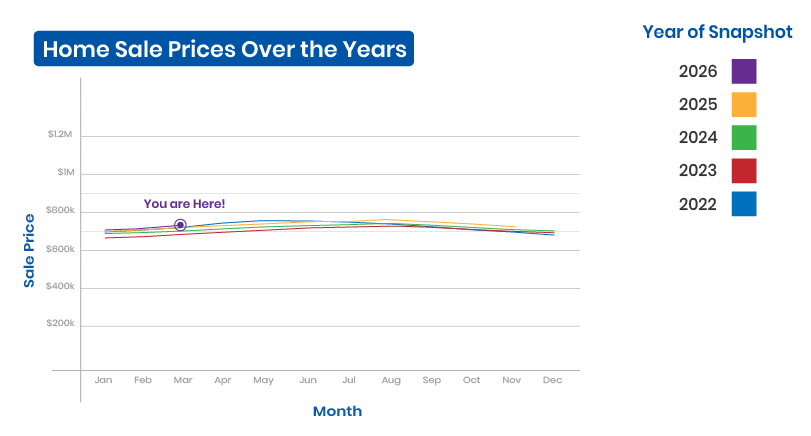
Hawaii home sale prices have remained relatively stable year over year, with 2026 tracking close to recent years. Let’s look at inventory trends to see how buyer options have changed.
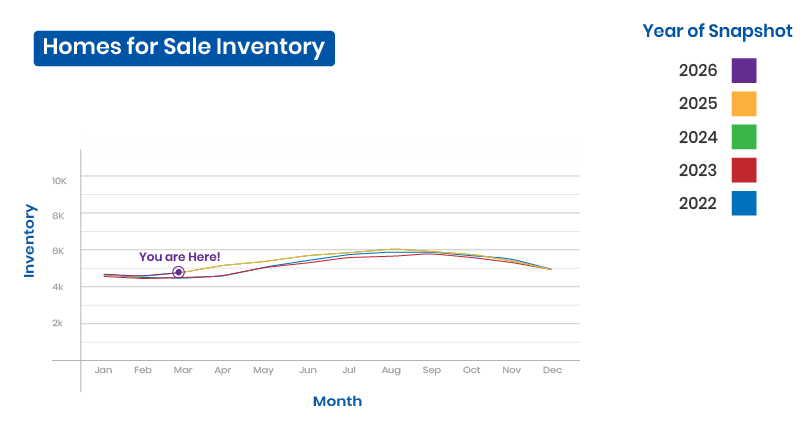
Best Time to Buy a House in Hawaii Based on Buyer Type
Every buyer’s situation is different. Whether you’re buying your first home, investing, or planning to retire in Hawaii, the best time to buy can vary. Here’s a quick look at what tends to work best for each type of buyer.
First-Time Homebuyers
If you are buying a home in Hawaii for the first time, October is your best month.
- You can potentially save $30,000 to $50,000 compared to the spring peak by targeting Oahu condos and Big Island single-family homes, when 14.3% of sellers are cutting prices and homes average 90 to 104 days on the market statewide.
- On Oahu, 47% of all condo sales closed below $500,000, and 35% of single-family home sales closed below $1 million, showing that accessible entry points exist across the state for buyers who know where to look.
- The post-summer market means you’re competing with far fewer buyers than at peak spring, when 17.3% of Hawaii homes sold above list price statewide.
- Sellers who didn’t close before the holidays are genuinely motivated. You can request repairs, condo association special assessment disclosures, and closing cost credits without losing the deal.
Buyer closing costs in Hawaii can range from $14,953 to $37,383, with the final amount heavily dependent on loan type and location.


Real Estate Investors
Investors earn more during fall and winter in Hawaii than at the spring peak. So, target October through December for Oahu condo and Big Island acquisitions and maximum annual deduction benefits.
- Kailua-Kona can offer meaningful savings compared with spring. Homes were selling around $675,000 with 127 days on market, giving buyers more room to negotiate.
- Oahu rents average about $2,664 per month, up 4.6% year over year. Strong demand from military communities around Pearl Harbor, Schofield Barracks, and Hickam Field supports year-round rental demand in well-located areas.
- You will have fewer competing buyers in the fall-to-winter window, particularly for investment-grade condos in Waikiki and Downtown Honolulu where short-term rental regulations have reduced competition from STR investors.
- December closings let you claim rental property deductions for the full year. Consult your tax advisor.

New to Real Estate Investing? Understand what is an investment property and the steps involved in buying one before timing the market.
Retirees and Vacation-Home Buyers
For retirees and vacation-home and second-home buyers, September through November can be a good window, before winter visitor demand picks up.
- If you buy in October, you capture pricing below the June and July peak while inventory is still available before December’s lean market begins across all four islands.
- Fewer buyers in fall means more negotiating power with motivated sellers, particularly in Hawaii’s top retirement and lifestyle markets of Kailua-Kona on the Big Island, Kauai’s North Shore communities of Princeville and Hanalei, and Maui’s upcountry communities of Kula and Makawao.
- You can get settled before the holiday season and enjoy Hawaii’s zero state income tax on all income, including Social Security, pensions, and investment gains, one of only nine states with no income tax, combined with a year-round tropical lifestyle.
- For relocators from California, Washington, and New York, Oahu’s leeward communities of Kapolei and Ewa Beach offer condos and townhomes below $600,000, making fall the practical window to enter before the next spring surge of mainland buyers raises prices further.
Mortgage rates are expected to gradually decline in 2026 as inflation cools. Freddie Mac and NAR forecast that mortgage rates will stabilize near 6%, which will increase affordability and buyer confidence.
Know How Much Home Can You Afford in Hawaii Get an instant monthly payment estimate with Houzeo’s free Hawaii mortgage calculator.
Best Time to Buy a Home by Hawaii City: Quick Snapshot
Hawaii doesn’t move as one housing market. If you’re buying on Oahu, Maui, or the Big Island, the best time to make a move depends on local demand cycles. Here’s a look at the best real estate markets in Hawaii and how to time your offer accordingly.
| City | Best Months to Buy | Why It’s the Best | Buyer Advantage |
|---|---|---|---|
| 1. Honolulu | August to October | Mainland demand eases after summer, while condo inventory builds in Kakaʻako. | Buyers get more condo choices with less competition. |
| 2. Kailua-Kona | October to February | Tourism slows after summer from Kailua Village through Keauhou. | Buyers have more room to negotiate on condos and homes. |
| 3. Maui | September to December | Post-summer demand softens in Kihei and Kahului. | Buyers can negotiate on price and request seller credits. |
| 4. Hilo | July to September | Demand softens after summer while inventory builds across Hilo and Puna. | Buyers get more affordable choices with less competition. |
| 5. Lihue | October to January | Visitor and second-home demand eases along Kauai’s east coast after summer. | Buyers get more time to compare homes and negotiate. |
When Is the Best Time to Buy a House in the US?
The best time to buy a house in the US depends on what matters most to you, from finding more choices to getting a better price. Spring typically brings more listings and buyer activity, while fall and winter often offer less competition and more negotiating room.
No single month works equally well across the country, as housing markets vary by state and even by city within the same state. Tracking local inventory, days on market, and price cuts offers a more reliable basis for timing an offer.
Is the Hawaii Housing Market Crashing in 2026?
No, the Hawaii housing market seasonality in 2026 presents an excellent opportunity for those looking for the best time to move to Hawaii. Single-family prices hit records on Oahu while the condo segment and Big Island markets have softened, creating a split market where patient buyers in the right segments can find real value.
- Stabilized Home Prices: Homes are selling at a median price of $747,660. Hawaii home prices remain elevated, but buyers can find more flexibility in markets such as Kailua-Kona, Hilo, and parts of Maui.
- Higher Housing Supply: With an average of 7 months of supply, inventory is building across Oahu condos, Big Island communities, and Maui, giving buyers more properties to compare.
- More Time to Decide: Homes are now spending about 90 days on the market, so you don’t have to rush into a decision.
- Buyers Hold Negotiating Power: Around 14.8% of listings had price cuts, especially in slower-moving areas such as Kailua-Kona, Maui, and parts of the Big Island, giving buyers more room to negotiate.
7 Hawaii Home Buying Tips
Navigating the Hawaii real estate market requires smart planning and local insight. These top 7 home buying tips will help you navigate buying property in Hawaii confidently and secure the best possible deal.
- Research Local Markets: The Hawaii housing market varies widely between islands like Oahu, Maui, and the Big Island. Research local trends, including median home prices, inventory levels, and property taxes, to make an informed decision.
- Property Taxes: Hawaii’s effective property tax rate is among the lowest in the country, averaging 0.28% to 0.37% depending on the island. Each county sets its own exemption. File your homestead exemption application with your county before the local deadline.
- Get Pre-Approved for a Mortgage: Mortgage rates are projected to remain high but stable in 2026. Get a mortgage pre-approval to determine your budget and monthly payments.
- Work with a Local Real Estate Agent: A local agent can guide you through buying a house in Hawaii. They know how to evaluate leasehold terms, identify lava zone risk on the Big Island, navigate condo association financials and pending special assessments, and how escrow timelines differ from mainland closings.
- Inspect the Property Thoroughly: Hawaii’s climate, including salt air corrosion on coastal properties, volcanic sulfur dioxide exposure in Ka’u and Puna, and aging building systems in older Honolulu, leads to maintenance issues. Hire a Hawaii home inspector who knows what to look for in state-specific conditions.
- Factor in Living Expenses: Don’t forget to account for the cost of living in Hawaii, such as utilities, insurance, and transportation. These costs vary by area.
- Leverage First-Time Buyer Programs: Explore Hawaii first time homebuyer programs, which offer financial assistance for down payments or closing costs.
Ready to learn how to buy a home in Hawaii? Access our Hawaii First Time Home Buyer Guide and avoid costly mistakes.
Is It a Good Time to Buy a House in Hawaii?
So, is now a good time to buy a home in Hawaii? If you’re asking us, the answer is pretty clear: yes, right now, or at least very soon. The market has finally found its balance after the 2025–2026 price trends, making now an ideal time to buy a house. Hawaii isn’t getting any less popular, and homes aren’t getting cheaper long-term.
| Year | Est. Median Home Price | Annual Change vs. 2026 |
|---|---|---|
| 2026 | $741,300 | – |
| 2027 | $765,455 | +$24,155 |
| 2030 | $842,746 | +$101,446 |
Whether you’re a first-timer finding your footing in Ewa Beach or Hilo in October, an investor hunting December deals in Kailua-Kona, or a retiree moving to Hawaii, each season brings unique advantages. You can browse listings, compare prices, and make offers online with ease.