Buying a home without a Realtor is becoming a more appealing option for buyers. 13% of U.S. home sales were FSBO or without a realtor, saving buyers an average of $12,000 in commissions.
Buying a property without a realtor also puts you in greater control of the process. With today’s high-tech real estate platforms, you can explore homes for sale, compare properties, and schedule showings on your own terms.
If you’re planning to buy in 2026, going without a realtor may be one of the smartest moves you can make.
Houzeo is America’s best home buying and selling platform.
For Home Sellers: List your home for a Flat Fee, and save 2.5% to 5.5% on the listing agent commission! That’s thousands of dollars extra in your pocket.
For Home Buyers: Houzeo has the largest number of houses for sale in the US. Start your dream home search now!
Yes! You can list your home for sale or search millions of homes on the Houzeo mobile app!
Download now on the Apple App Store or the Google Play Store.
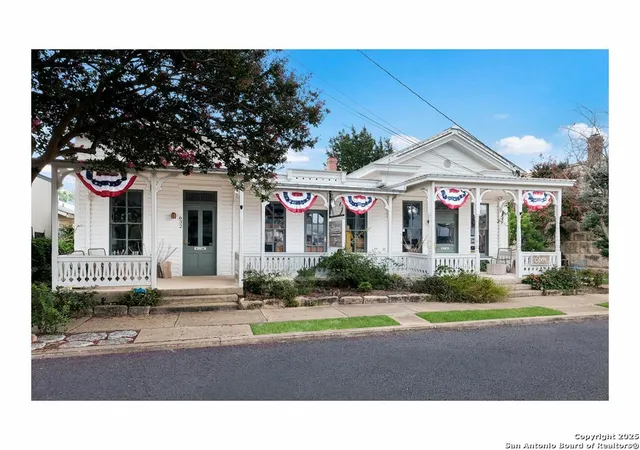


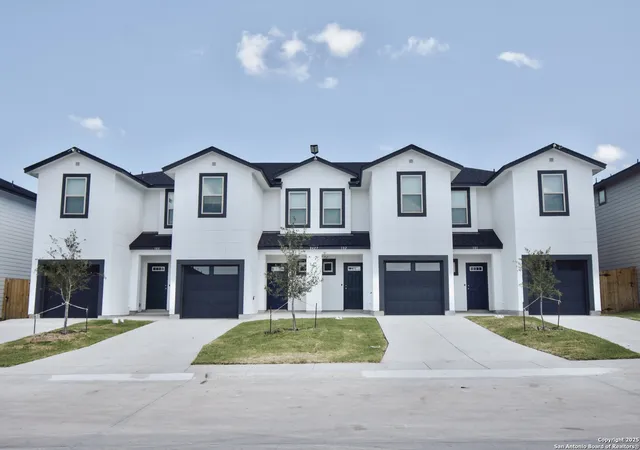

Key Takeaways
- FSBO saves significantly: Avoid 2.5-3% buyer commissions (average $12K savings) through direct seller deals.
- Research comps easily: Use Houzeo, so that no separate MLS access is required.
- Get pre-approved early: Know your budget, loan terms, and closing costs to strengthen offers.
- Stay organized on listings: Search multiple platforms, set alerts, and track showings/photos independently.
- Hire key professionals: Use a real estate attorney ($500-$1,500) and home inspector for protection.
- Submit clear offers: Include price, contingencies, and dates—use free templates.
Can You Buy a House Without a Realtor?
Yes, you can buy a house without a Realtor. Many buyers do this by searching for homes online, contacting sellers directly, and using other professionals such as a mortgage lender, home inspector, or real estate attorney when needed.
That said, buying a house without a real estate agent means you’ll be responsible for managing the process yourself. You’ll need to research the housing market, handle MLS access, comps, showings, negotiations, and paperwork yourself.
No, you do not need a realtor to buy a house. You can buy directly from the seller and handle the process on your own, although many buyers still choose to use an agent for support.
Step-by-Step: How to Buy a Home Without a Realtor
Buying a house without a realtor takes more planning, but the process is straightforward if you follow each step in order. Start with financing, then search for homes, make an offer, complete inspections, and finish with closing.
Step 1: Get Pre-Approved for a Mortgage
Before you start looking at homes, get pre approved so you know your budget. This tells you how much you can borrow and helps you focus on homes you can realistically afford. It also makes you look more serious to sellers when it is time to make an offer.
Additionally, getting pre-approved helps you identify potential issues early such as credit score gaps or high debt-to-income ratios, so you can fix them before making an offer.
Key Benefits of Getting Pre-Approved:
Pre-approval provides important advantages for home buyers. Here are the key benefits:
- Determine your budget clearly. You will know your price range and monthly payments in advance.
- Understand loan terms fully. You will receive estimates for interest rates and closing costs.
- Show sellers you are qualified. The pre-approval letter proves you are a serious buyer.
- Submit offers quickly. You can move forward without delay when you find a suitable home.
- Focus on affordable homes. You will avoid considering properties beyond your budget.
Step 2: Search for Homes Without a Realtor
When buying a house without a realtor, you’ll need to take a more hands-on approach to finding properties.
Start by using online listing websites, For Sale By Owner (FSBO) platforms, and local property search tools like Houzeo to explore available homes. These platforms allow you to browse listings, view photos, and filter homes based on your preferences.
Since you won’t have an agent sending you curated listings, it’s important to manage your search actively. Track the homes you’re interested in, schedule showings directly with sellers or listing agents, and follow up promptly to avoid missing out on good opportunities.
Buying a FSBO home is mostly about direct communication and careful verification. Since you are dealing with the seller yourself, ask the right questions early, review the disclosures closely, and make sure the asking price fits the local market.
Once the basics check out, move forward with a written offer and keep the terms clear. The goal is to stay organized and avoid misunderstandings since there is no agent handling the back-and-forth for you.
Step 3: Research the Market and Property Prices
Once you find a home you’re interested in, it’s important to compare it with similar properties in the area. Look at recently sold homes, active listings, and overall pricing trends on Flat Fee MLS platforms to understand whether the asking price is reasonable.
Consider factors such as location, square footage, condition, and upgrades, as these can significantly impact value. Research about the best places to live in the US, which offer a better quality of life, before you make a choice.
Taking the time to research the market not only helps you avoid overpaying but also gives you solid data to support your offer during negotiations.
Step 4: Contact the Seller Directly
If the property is listed as FSBO, you’ll need to reach out to the seller yourself. Attend open houses to explore options and gather information firsthand. Use this opportunity to ask detailed questions about the home, including its condition, any recent repairs or upgrades, and the reason for selling.
You can also discuss the seller’s timeline and flexibility on price. Direct communication helps you gather important information, build rapport with the seller, and potentially move the process forward more quickly without relying on an agent.
Step 5: Make an Offer Without a Realtor
Once you’ve decided on buying a home without realtor, you’ll need to prepare and submit a written offer directly to the seller. Since you’re not working with an agent, your offer should be detailed, structured, and easy to understand.
A strong, well-presented offer can make a big difference, especially if the seller is considering multiple buyers and you are buying a house without an agent.
- State Your Offer Price: Base your offer on comparable sales, market trends, and the home’s condition to avoid overpaying or underbidding.
- Include an earnest money deposit: This shows the seller you’re serious and financially committed to the purchase.
- Add Key Contingencies: Protect yourself with contingencies like home inspection, financing approval, and appraisal. These allow you to back out or renegotiate if issues arise.
- Define the Closing Timeline: Set a realistic closing date based on lender timelines, inspections, and paperwork requirements.
- Outline Additional Terms Clearly: Mention what’s included in the sale (appliances, fixtures, etc.) and any special requests to avoid disputes later.
An earnest money deposit is a “good-faith” payment that shows you are a serious buyer. This money is held in escrow and applied towards your down payment at closing.

Need help finding a real estate attorney? Search for real estate attorneys near you to locate licensed pros in your area quickly.
Step 6: Schedule Home Inspection and Appraisal
At this stage, you’ll deal with all the legal documents required to finalize the transaction. This includes the purchase agreement, seller disclosures, title reports, and other closing paperwork.
After your offer is accepted, schedule a home inspection to evaluate the property’s condition. A licensed home inspector will check for structural issues, safety concerns, and necessary repairs that may not be visible during a walkthrough.
This step is crucial to avoid unexpected costs after purchase and gives you the option to negotiate or request repairs if major problems are found. If you’re using a mortgage, your lender will typically require a home appraisal to confirm that the property’s value matches the loan amount.
If the appraisal comes in lower or the inspection uncovers serious issues, you may be able to renegotiate the price, ask for repairs, or walk away, depending on the terms of your agreement.
Hire a qualified home inspector and review the report carefully to understand any risks.
Pay close attention to major repair issues or safety concerns that could affect your decision. Complete the lender’s appraisal process on time to avoid delays and ensure your financing stays on track.
Step 7: Handle Paperwork and Disclosures
Since you’re not working with a Realtor, it’s essential to review every document carefully to fully understand your rights, obligations, and any potential risks. Missing details here can lead to costly issues later.
- Get Professional Help if Needed: Consult a real estate attorney or qualified expert if anything is unclear or legally complex. This step is important because it includes the legal documents that finalize the deal.
- Review All Contracts and Disclosures: Go through the purchase agreement, seller disclosures, and any addendums to understand the full terms of the deal.
- Check Deadlines and Contingencies: Make sure you’re aware of key dates for inspections, financing, and closing to avoid breaching the contract.
- Verify Accuracy of Details: Confirm names, property details, pricing, and included items are correct across all documents.
- Understand Title and Ownership Records: Review the title report to ensure there are no liens, disputes, or ownership issues. It is better if you take the help of a title company.
Step 8: Close the Deal Without a Realtor
Closing is the final step in the home buying process where ownership of the property is officially transferred to you. During this stage, you’ll review and sign the final documents, pay the remaining balance, and complete all legal and financial requirements.
Since you’re handling the transaction for buying a house without realtor, it’s important to carefully go through the closing statement in advance to understand all costs involved and avoid any last-minute surprises.
Once everything is signed and the funds are successfully transferred through escrow, the ownership is recorded, and you receive the keys to your new home.
Congratulations, you are officially a homeowner! 🎉
Buying a house without a realtor follows proven steps, but you take charge. From pre-approval to closing, stay organized with free tools and direct seller contact.
Here’s how:
1. Get pre-approved. Secure a mortgage letter first.
2. Set your budget. Use affordability calculators for clarity.
3. Compare homes and prices. Research comps on public sites.
4. Make a written offer. Include price and terms clearly.
5. Review disclosures and contingencies. Check seller documents carefully.
6. Schedule inspection and appraisal. Hire pros independently.
7. Complete closing paperwork. Work with an attorney.
8. Do a final walkthrough. Confirm condition before signing
Pros and Cons of Buying a House Without a Realtor
Buying a house without a realtor has clear advantages, but it also comes with real responsibilities. There are some risks of buying a house without a realtor.
It can help you save on commission costs, communicate directly with the seller, and control the buying process on your own timeline. At the same time, you’ll need to handle the research, paperwork, negotiations, and deadlines carefully to avoid costly mistakes.
| Pros | Cons |
|---|---|
| You may save on commission costs, which can reduce your total buying expense. | You have to manage every step yourself, including search, offers, paperwork, and closing. |
| You can communicate directly with the seller, which may make negotiations faster and more flexible. | You may miss important disclosures, contract terms, or deadlines if you’re not careful. |
| You control the pace of the process and can move on your own timeline. | You may not know how to value the home correctly, which can lead to overpaying. |
| You can use online listings and digital tools to search, compare, and track homes more efficiently. | You may have less experience negotiating repairs, contingencies, or final terms. |
| You choose which professionals to hire, such as a lender, inspector, or attorney, instead of working through an agent. | You may face more stress because you are responsible for coordination and follow-up. |
| You may feel more involved in the purchase because you are making all the decisions yourself. | A small mistake in the process can delay closing or even put the deal at risk. |
Pro Tip The best time to buy a house is when your finances are ready, your target area is clear, and you’re prepared to act when the right home comes along. Timing the market is hard, but being financially prepared gives buyers the biggest advantage.
Mistakes to Avoid When Buying Without a Realtor
Buying a house without a realtor can be a smart move, but it requires careful planning and attention to detail. The most common mistakes happen when buyers rush the process, skip key checks, or underestimate how much responsibility they are taking on, which include:
- Starting the search without mortgage pre-approval.
- Failing to compare similar homes before making an offer.
- Ignoring disclosures, contract terms, or important deadlines.
- Skipping the home inspection or appraisal.
- Making an offer without understanding current market conditions.
- Not getting professional help when legal or financial questions come up.
- Rushing to close without reviewing the final numbers carefully.
Tools That Help You Buy a Home Without a Realtor
Buying a home without a realtor is easier when you use the right tools at each stage of the process. Home search platforms, affordability calculators, and market research tools can help you find homes, compare prices, and make a smarter offer.
- Home search platforms: Houzeo can help you browse listings and compare properties in one place. Sites like Houzeo are commonly used for home purchase without a realtor.
- Mortgage calculator: It can help you calculate your mortgage to know what you can comfortably spend before you start. They make it easier to stay within budget.
- Market research tools: they help you review comparable sales and understand whether a home is priced fairly. This is especially useful when you do not have an agent guiding you.
- FSBO listings and search resources: They help you find homes being sold directly by owners. These are useful if you want to contact the seller and manage the process yourself.
- Disclosure review resources: They help you check for known issues with the property before you make an offer. This can reduce the risk of surprises later.
- Offer and negotiation help: It can come from educational guides, templates, or professional support if you need help structuring a strong offer to buy a house without a realtor.
Top 5 States for Buying Without a Realtor
Buying without a realtor works best in states that support high FSBO activity, minimal attorney requirements, and strong public listing platforms. These states allow buyers to save 2.5-3% commissions while completing transactions smoothly using digital tools and affordable professionals.
- Florida:
Florida does not require buyers to hire an attorney. In 2025, 12% of home sales happened as FSBO transactions. Houzeo provides comprehensive listings, and simple disclosure rules help transactions close quickly. - Texas:
Sellers in Texas typically pay all commissions. Buyers can hire transaction coordinators for $300-800 to manage paperwork efficiently. The state has high FSBO volume because of its flat-fee service culture. - Georgia:
Georgia makes attorneys optional for residential deals under $250K. Flat-fee attorneys operate throughout the state to assist independent buyers. Digital platforms cover most available listings effectively. Macon stands out as one of the cheapest places to live in Georgia for value-driven FSBO purchases. - Colorado:
Colorado maintains over 10% FSBO market share. The state offers eClosing tools and virtual notarization services that make DIY transactions fast and paperless for buyers. - Arizona:
Arizona requires only basic disclosures from sellers. Escrow companies efficiently handle funds and title work during transactions. Low regulations create an environment that favors independent buyers. Gilbert and Oro Valley appear in safest cities in Arizona while remaining affordable for FSBO deals.
Bottom Line: Buying a Home Without an Agent
Buying a house without a realtor can be a smart move if you want more control and potentially lower costs, but it also means you need to be extra careful at every step.
From checking the price and reviewing disclosures to handling negotiations and closing documents, success depends on being prepared and staying organized.