Want to live in Los Angeles without paying the city’s premium prices? The dream is still within reach. Several LA neighborhoods offer median home prices well below $1M, with real transit access, employment corridors, and everyday conveniences built in.
Homes for sale in North Hollywood start well below comparable West Side prices, making it a practical entry point into one of the city’s most connected neighborhoods.
We analyzed affordability data across LA’s neighborhoods and ranked the 7 most affordable places to live in Los Angeles in 2026 to help you find a home that fits your budget.
Houzeo is America’s best home buying and selling platform.
For Home Sellers: List your home for a Flat Fee, and save 2.5% to 5.5% on the listing agent commission! That’s thousands of dollars extra in your pocket.
For Home Buyers: Houzeo has the largest number of houses for sale in Los Angeles. Start your dream home search now!
Yes! You can list your home for sale or search millions of homes on the Houzeo mobile app!
Download now on the Apple App Store or the Google Play Store.


Key Takeaways
- Panorama City is the most affordable for families: Median home price of $684,745, with the Sepulveda Recreation Center, larger lots, and a quieter Valley pace.
- Pico-Union is best for young professionals: Walk Score of 80, Metro access to DTLA in under 20 minutes, and proximity to USC’s employment corridor.
- Florence is the top pick for retirees: It has the lowest ownership entry point in South LA at $644,760, with direct Metro A Line access to medical facilities.
- Pacoima offers the best freeway access: 13 miles from Burbank’s entertainment corridor with direct I-5 access at a median of $676,748.
- Watch out for wildfire and earthquake costs: Hillside neighborhoods like Glassell Park can see wildfire premiums of $3,000–$5,000+ annually, and earthquakes aren’t covered under standard policies.
Cheapest Places to Live in Los Angeles in 2026
| Neighborhood | Median Home Value | Median House Rent | Cost of Living Compared to the City Average | Affordability Score (out of 10) |
|---|---|---|---|---|
| 1. Panorama City | $684,745 | $1,580 | 144 | 7.7 |
| 2. Van Nuys | $812,198 | $1,650 | 159 | 6.9 |
| 3. Montecito Heights | $734,727 | $1,902 | 178 | 6.6 |
| 4. North Hollywood | $884,671 | $1,916 | 170 | 6.1 |
| 5. Glassell Park | $884,671 | $2,210 | 178 | 5.6 |
| 6. Highland Park | $1,199,554 | $1,648 | 175 | 5.2 |
| 7. Sherman Oaks | $1,284,523 | $2,159 | 152 | 4.5 |
How We Ranked the Most Affordable Places to Live in Los Angeles
To identify the cheap places to live in Los Angeles, we carried out an in-depth analysis using multiple reliable data sources and indicators of affordability.
Data Sources:
- Median Home Prices: We used Houzeo’s California Housing Market report and double-checked the numbers with the California Association of Realtors (C.A.R.).
- Median Rent: We sourced rent data from HUD Fair Market Rents, verified at the county level. This was verified every few months to make sure it’s accurate.
- Overall Cost of Living: Our Houzeo Cost of Living Index blends median rent, home value, rent burden, and price parity data from the U.S. Census Bureau, BEA, and HUD. We benchmark each city against Los Angeles’s city median of 165.1, measured at the county level.
We studied housing data from 2022 to 2025 to identify cities that remained affordable over time, rather than only during short price dips. Furthermore, each city’s data was also cross-checked with HUD and state economic reports.
All our information is up to date as of 2025, ensuring you receive the most current insights.
Affordability Scoring:
We built a simple scoring system that focuses on what really matters:
- Median Home Price (40%)
- Median Rent (35%)
- Cost of Living (25%)
This way, we can clearly show which Los Angeles neighborhoods give you the best value for your money. You can also check out our score breakdown to see how each city was ranked.
Image credits: All blog images are sourced from Freepik.
7 Most Affordable Places to Live in Los Angeles
Panaroma City

Located in the eastern San Fernando Valley, Panorama City offers convenient access to other parts of Los Angeles. Developed in 1947 as the West Coast’s first planned community, it retains a layout of residential streets, parks, and commercial areas. Homes for sale in Panorama City offer ample options to choose from.
Job Market: Kaiser Permanente Panorama City Medical Center is the neighborhood’s largest employer. Van Nuys Boulevard is the main commercial corridor, and the planned Panorama City Center redevelopment is expected to create additional jobs.
Sepulveda and Panorama Recreation Centers offer sports courts, fields for basketball and tennis, and seasonal aquatic facilities. The Los Angeles Kings Valley Ice Center provides public skating and training programs. Plaza del Valle serves as a community gathering place with public mural art and local events.
- Poor School Performance: Panorama High School’s test scores and proficiency rates remain below California averages, which may be a concern for families relying on local public schools.
- Construction Fatigue: Light rail construction along Van Nuys Boulevard is expected to continue for several years, causing traffic delays, parking reductions, and periodic access disruptions.
- Extreme Summer Heat: Panorama City experiences some of the San Fernando Valley’s highest summer temperatures, while the limited tree canopy can reduce shade in parts of the neighborhood.
Van Nuys
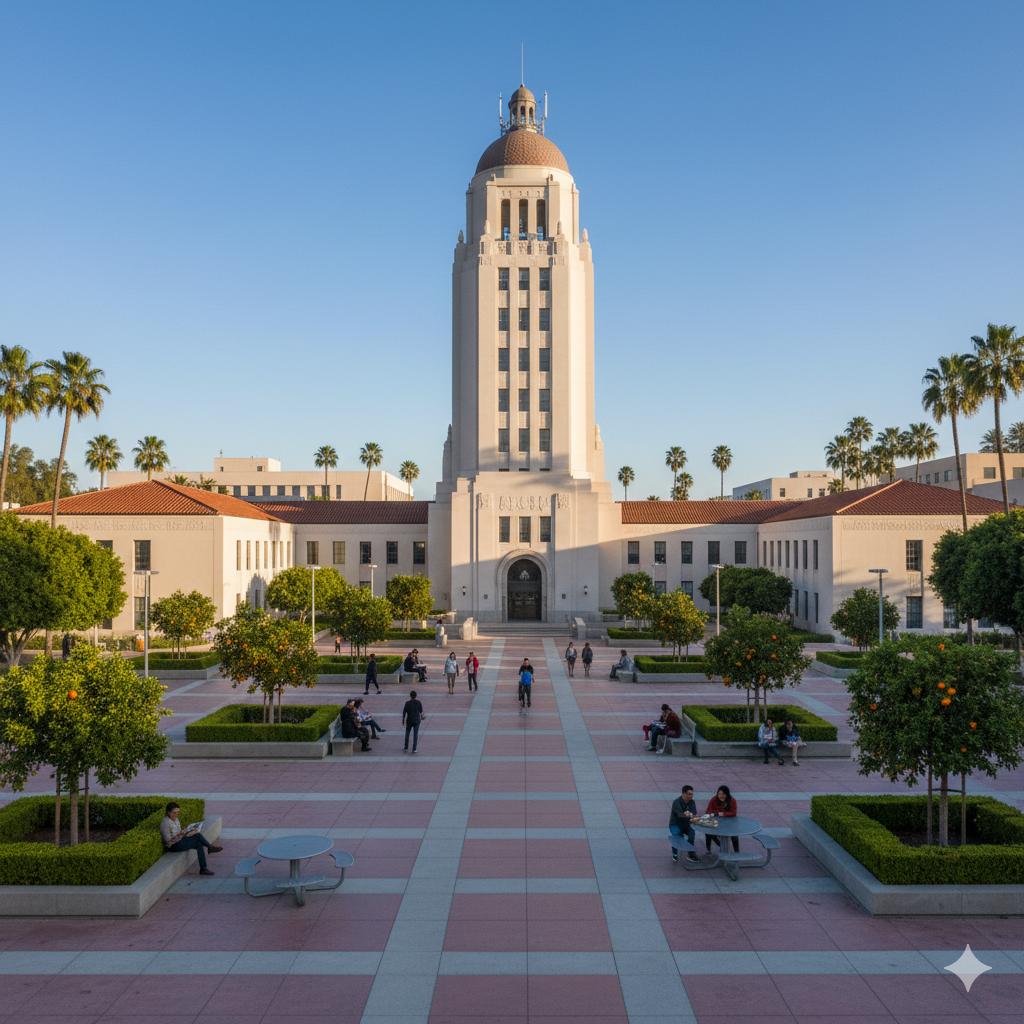
Van Nuys serves as a major civic and commercial center in the San Fernando Valley, anchored by government offices, Van Nuys Airport, and established business districts. The neighborhood also benefits from Metrolink and Amtrak rail service, giving residents access to regional transit in addition to its central Valley location.
Job Market: The Van Nuys Government Center anchors public-sector employment, housing numerous city, county, state, and federal offices. Retail, automotive businesses, and light manufacturing remain important parts of the local economy, while Van Nuys Airport supports aviation and airport-related jobs.
Delano and Van Nuys Recreation Centers provide sports facilities and community programs. The Japanese Garden in the Sepulveda Basin is a notable local attraction, while the historic Van Nuys City Hall anchors the Government Center civic district. Van Nuys Boulevard also remains a focal point for community events and local car culture.
- High Violent Crimes: The cases of rape, homicide, and aggravated assault have seen a rising trend in the neighborhood. This raises concern for resident families, visitors, and those who want to move into the neighborhood.
- Aircraft Noise and Pollution: Van Nuys Airport is one of the busiest general aviation airports globally, generating aircraft noise and air pollution for nearby residents and passersby.
- Wildfire Risk: Significant smoke impacts and regional fire concerns can be problematic for many buyers interested in Van Nuys. It is safer than the Westside, but the risk of serious structural damage remains.
Montecito Heights

Montecito Heights is one of the cheapest Los Angeles neighborhoods. It offers Metro A Line access and nearby freeway connections, though most daily errands require a car. If you’re considering homes for sale in Montecito Heights, factor in wildfire risk and hillside conditions.
- Job Market: Montecito Heights is primarily residential, with few major employers located within the neighborhood. Most residents commute to nearby employment centers in Downtown Los Angeles, Highland Park, and surrounding areas, with Metro A Line access supporting regional connectivity.
Heritage Square Museum preserves historic Los Angeles architecture and remains one of the neighborhood’s best-known attractions. Ernest E. Debs Regional Park offers hiking trails, open space, and views of Downtown Los Angeles, and the Audubon Center at Debs Park hosts nature and community programs.
- Wildfire Risk: Montecito Heights lies within a Very High Fire Hazard Severity Zone. This can potentially affect the increase in insurance costs, building requirements, and long-term ownership.
- Steep Terrain: The neighborhood’s hillside streets can make driving, parking, and property maintenance more challenging than in flatter parts of Los Angeles.
- Limited Local Amenities: Montecito Heights has few retail or dining options, so residents often rely on nearby communities for everyday services and restaurants.
North Hollywood

North Hollywood is anchored by the NoHo Arts District and the Metro B Line/G Line transit hub. Commercial activity along Lankershim Boulevard and established residential areas create a denser, more mixed-use environment than many nearby Valley neighborhoods.
Job Market: North Hollywood is a major entertainment employment center anchored by the Academy of Television Arts & Sciences and the NoHo Arts District, which supports jobs in theater, acting, and production services. Lankershim Boulevard provides additional retail, restaurant, and service-sector employment.
The NoHo Arts District is the neighborhood’s main attraction, known for its theaters, galleries, performing arts venues, and creative spaces. Other popular destinations include the historic Lankershim Depot, North Hollywood Recreation Center, and local cafes, restaurants, and entertainment venues along Lankershim Boulevard.
- High Crime Rate: Crime rates in North Hollywood remain higher than in many Los Angeles neighborhoods, particularly for violent and property crimes. Frequent burglaries, break-ins, and drug use can dismay buyers from the area and lower the property value for current residents.
- Increased Homelessness: Parts of North Hollywood, particularly near major transit corridors and commercial areas, face ongoing challenges related to homelessness and insufficient support services.
- Traffic and Noise Concern: Major arterials, Metro transit facilities, and proximity to several freeways contribute to traffic congestion and elevated noise levels, especially near the NoHo Arts District and transit hub.
Glassell Park

Glassell Park is a Northeast Los Angeles neighborhood with hillside residential areas and convenient access to Downtown Los Angeles and Glendale. Housing includes a mix of single-family homes and smaller multifamily properties, reflected in homes for sale in Glassell Park.
Job Market: Glassell Park’s jobs cluster along the San Fernando Road industrial corridor with light manufacturing, logistics, and auto uses. Construction trades and small workshops also operate locally. Many residents commute to Downtown Los Angeles and Glendale employment centers.
Glassell Park Recreation Center on Verdugo Road offers sports fields, gym facilities, and programs. Rio de Los Angeles State Park provides large open space and trails at Taylor Yard. The Van de Kamp Bakery Building is a Historic-Cultural Monument. The Los Angeles River bike path runs along the edge of the neighborhood.
- Noise Pollution: Glassell Park is bordered and cut through by major transportation infrastructure, including the I-5 and SR-2 corridors and active freight rail lines along the Los Angeles River. These contribute to elevated noise levels and reduced air quality in nearby residential zones.
- Industrial Edge Conditions: The San Fernando Road corridor includes ongoing light industrial and logistics uses close to housing areas. This mix can result in truck traffic, loading activity, and localized noise impacts near residential streets adjacent to the corridor.
- Limited Walkability: Glassell Park lacks a single dense commercial or pedestrian hub. Daily errands are spread across corridors like San Fernando Road, which forces residents to be more car-dependent.
Highland Park

Glassell Park sits at the convergence of the San Rafael Hills and the Los Angeles River corridor. In this area, there is a 247-acre Rio de Los Angeles State Park that anchors the former Taylor Yard rail site. Homes for sale in Glassell Park are predominantly older single-family houses or small multifamily buildings.
Job Market: Highland Park’s employment is centered along Figueroa Street and York Boulevard, which host restaurants, retail, galleries, and service businesses. Light industrial uses appear near the Arroyo Seco Parkway. Many residents commute to Downtown LA and Pasadena via the Metro A Line and the 110 freeway.
Highland Park Bowl is a restored historic bowling venue on Figueroa Street. Sycamore Grove Park is a 15-acre park along the Arroyo Seco with sports facilities and trails. The Los Angeles Police Museum on York Boulevard is a historic former station. York Boulevard and Figueroa Street form the main cultural corridors.
- Freeway Exposure: The SR-110 (Arroyo Seco Parkway) runs along the western edge of Highland Park, creating persistent traffic noise and localized air quality impacts in nearby residential areas.
- Parking Pressure: Older street layouts and high commercial activity along Figueroa and York contribute to limited on-street parking availability in core areas.
- Development Intensity: Ongoing infill and redevelopment along major corridors have increased construction activity, traffic congestion, and short-term neighborhood disruption in central areas.
Sherman Oaks

Sherman Oaks is a San Fernando Valley neighborhood centered around Ventura Boulevard with strong access to the 101 and 405 freeway interchange. It combines residential streets with nearby office, retail, and medical services, supporting a largely car-oriented but highly connected daily lifestyle.
Job Market: Sherman Oaks’ employment is centered along Ventura Boulevard, with offices, retail, restaurants, and medical services. The Sherman Oaks Galleria adds significant office employment within a mixed-use complex. The 101/405 interchange supports commuting to nearby major job centers.
Sherman Oaks Galleria and Westfield Fashion Square are the main retail and entertainment destinations. Sherman Oaks Castle Park and Van Nuys-Sherman Oaks Recreation Center provide local recreation facilities. Sepulveda Basin offers large-scale parkland and trails adjacent to the neighborhood.
- High Wildfire Risk: Sherman Oaks is one of the heavily affected areas of LA by wildfire. This poses a serious threat to the property and life of the residents and potential buyers.
- Freeway Interchange Congestion: The 101/405 interchange in Sherman Oaks carries over hundreds of thousands of vehicles daily, making it one of the most congested highway intersections in the country.
- Airport Noise: Proximity to major freeways and flight paths from nearby Van Nuys Airport contributes to intermittent noise exposure, particularly in areas closer to the 101 corridor and valley floor.

Pro Tip If you’re looking for something else on the West Coast, San Francisco could be a great option. From the Mission District to the Sunset District, you’ll find a wide range of affordable houses in San Francisco with strong rental potential.
Lincoln (safety score of 92) and Clovis (safety score of 76) are the cheapest and safest cities in California. They offer low crime rates and family-friendly neighborhoods and are among the most affordable places to live on the West Coast.
Top 3 Cheapest Neighborhoods to Live in Los Angeles for Young Adults
When searching for the most affordable Los Angeles neighborhoods, low home prices are only part of the equation. Strong job access, transit connectivity, and everyday livability matter just as much. These neighborhoods deliver on all fronts.
| Rank | Neighborhood | Why It’s Great for Young Adults |
|---|---|---|
| 1. | Pico-Union | Walk to USC’s University Park campus and its affiliated healthcare and research employers. This neighborhood borders one of LA’s densest job corridors without the Silver Lake price tag. Homes for sale in Pico-Union also provide metro access that connects to DTLA in under 20 minutes. |
| 2. | Pacoima | Pacoima puts you 13 miles from Burbank’s entertainment corridor; Warner Bros., Disney, and over 1,000 media-linked companies are a straight shot down I-5. Homes for sale in Pacoima carry a median price of $676,748, one of the lowest entry points among comparable LA city neighborhoods with freeway access. |
| 3. | Boyle Heights | The Gold Line puts DTLA’s financial and tech district within four stops, and the 10 and 60 freeways open the entire basin for car commuters. Mariachi Plaza anchors a walkable retail strip that keeps daily errands from a car. Homes for sale in Boyle Heights will run you an average amount of $674,749. |
Top 3 Inexpensive Places to Live in Los Angeles for Families
Los Angeles draws families with its 284 days of sunshine annually, access to beaches, mountains, and urban parks within a single metro area. Property taxes are relatively predictable. Several Los Angeles neighborhoods still have median home prices below the city’s ~$1M benchmark.
| Rank | Neighborhood | Why It’s Great for Families |
|---|---|---|
| 1. | Panorama City | The Sepulveda Recreation Center on Kester Avenue runs youth baseball, soccer, basketball, and a summer day camp with a seasonal pool. San Fernando Valley’s quieter pace gives kids room to move without the density of central LA. Homes for sale in Panorama City have a median price tag of $684,745. |
| 2. | Arleta | Branford Park anchors the neighborhood with open green space and sports courts. The surrounding streets are lined with larger lots and single-family homes built for families, not investors. Many homes for sale in Arleta also come with a yard space, which costs on average $761,717. |
| 3. | El Sereno | This area sits directly beside the Arroyo Seco natural corridor, giving families trail access and open parkland without leaving the neighborhood. Homes for sale in El Sereno skew toward detached single-family homes with yards, a rarity at this price ($873,425) range in eastern LA. |
3 Best Affordable Places to Live in Los Angeles for Retirees
These neighborhoods offer some of the most accessible home prices in Los Angeles. They are close to healthcare facilities and everyday conveniences. Parks, bike paths, and recreation centers support an active, low-maintenance lifestyle well into retirement.
| Rank | Neighborhood | Why It’s Great for Retirees |
|---|---|---|
| 1. | Florence | The Metro A Line station on Graham Avenue connects directly to DTLA medical corridors. And MLK Community Hospital’s surrounding network without needing a car. At a median price of $644,760, homes for sale in Florence represent the lowest ownership entry point among comparable transit-connected South LA neighborhoods. |
| 2. | Glassell Park | Nestled along the Arroyo Seco, the neighborhood gives retirees immediate access to the Arroyo Seco Bike Path and Ernest E. Debs Regional Park for low-impact outdoor activity. Priced at approximately $884,671, homes for sale in Glassell Park come in significantly below what equivalent hillside access commands elsewhere in Northeast LA. |
| 3. | Lincoln Heights | The Lincoln Heights Senior Citizen Center on N. Figueroa Street runs daily programs for adults 50+, including hot lunch service and caregiver referrals. With flat residential streets and an average home price of $855,682, homes for sale in Lincoln Heights offer a practical, low-maintenance option for retirees staying in the city. |
3 Hidden Costs to Consider in Los Angeles
Even in the most affordable Los Angeles neighborhoods, the purchase price is only part of what you’ll pay. Factor in these ongoing costs before committing to a home.
- Homeowners Insurance in LA: Average homeowners insurance in LA typically runs around $2,364. Standard policies do not cover earthquakes or floods, both relevant risks in the region.
- Earthquake and Wildfire Insurance: Earthquake insurance through the California Earthquake Authority averages $800 to $1,500 annually. In hillside or brush-adjacent neighborhoods, wildfire premiums can climb to $3,000–$5,000+ per year, sometimes pushing homeowners onto the FAIR Plan.
- Property Taxes: Los Angeles has an effective property tax rate of approximately 1.1% to 1.4% of assessed value. In affordable neighborhoods with significant condo inventory, like Koreatown or Pico-Union, HOA fees of $300–$600 per month can add meaningfully to monthly ownership costs.
Affordable Living Beyond Los Angeles
Not sure if the cheapest places to live in LA fit your budget? Here are a few cities that offer low living costs, strong job markets, and plenty of outdoor activities—just like LA.
Entertainment & Live Performance Industry
Like LA, New York is a major entertainment hub. While LA leads film and television, New York dominates theater, live performance, and broadcast media. With a median home sale price of about $813,000, some of the cheapest places to live in New York include the following:
- Jackson Heights: Home to a strong performing arts community and diverse dining along Roosevelt Avenue. The median home price is around $454,931, and the average rent costs nearly $2,018.
- Bay Ridge: Suburban-feel neighborhood with R train access to Manhattan and proximity to Brooklyn’s growing film and production scene. The median price is about $584,783, and the median rent is $1,977.
- Woodside: Home to a diverse mix of residents and local businesses, Woodside combines a strong neighborhood atmosphere with easy access to Manhattan via the N, W, and 7 trains. The median asking price is about $393,854, and the median rent is around $2,316.
Beach Lifestyle and Outdoor Living
Like LA, Miami is defined by its coastal lifestyle, warm weather, and outdoor culture. With a median home sale price of about $689,644, some of the cheapest places to live in Miami include the following:
- Little Havana: Walkable, culturally vibrant neighborhood along Calle Ocho with easy access to Bayfront Park and downtown Miami’s waterfront. This residential area has an average home price of approximately $659,755 and a median rent of $2,594.
- Allapattah: Located directly beside Wynwood’s arts district and the Jackson Memorial Hospital complex, with the Miami River greenway running along its southern edge. Median home price is approximately $567,289, and the rent is $2,052.
- Little Haiti: Borders the Design District to the south, with bus routes connecting to Biscayne Bay and Virginia Key Beach Park for waterfront access. The median home price is approximately $519,807, one of the lowest entry points within Miami city limits. Average rent is $2,225.
Tech and Creative Economy
Like LA, San Francisco is a major hub for technology, innovation, and creative industries. With a median home sale price of about $1.5 million, some of the cheapest places to live in San Francisco include:
- Excelsior: One of San Francisco’s sunnier neighborhoods, Excelsior is located above much of the city’s fog belt. Residents benefit from direct transit connections to downtown and easy access to the 317-acre McLaren Park. The median home price is about $1.3 million, while the median rent is around $2,598 per month.
- Visitacion Valley: Located on San Francisco’s southern edge, Visitacion Valley combines outdoor recreation with convenient access to Peninsula employment centers. The median home price is approximately $1.09 million, and the median rent is around $2,002 per month.
- Bayview: Located on San Francisco’s southeastern waterfront, Bayview offers bay views and access to the redeveloping India Basin Shoreline Park. The median home price is approximately $889,669, among the lowest in San Francisco, while median rent is around $1,440 per month.
Want to cast a wider net? Beyond New York, Miami, and San Francisco, explore the cheapest places to live in the US where your dollar stretches even further.
Where Is the Cheapest Place to Live in Los Angeles?
Panorama City, Florence, and Pacoima are among the most affordable neighborhoods in Los Angeles. These areas offer more than just low home prices; they sit within reach of major employment corridors, public transit, and everyday conveniences.
Browse cheap homes for sale in Los Angeles to compare neighborhoods and find listings that fit your budget. If you’re considering other options, moving to California opens the door to a wide range of housing markets across the state.