


Want Washington D.C’s urban lifestyle without NoVa’s sky-high prices? Don’t give up on the dream. You can afford a house in the Capital region if you know where to look.
Your perfect home could be a family-friendly house in Foggy Bottom or a starter home in Mount Vernon Square, DC’s fastest-growing tech hub. If you’re retiring, look at homes for sale in Chinatown to enjoy a low-cost neighborhood lifestyle, with median home prices under $485,000.
After assessing hundreds of neighborhoods, we’ve ranked the 10 most affordable places to live in Washington D.C to help you find a home that fits your budget.
Houzeo is America’s best home buying and selling platform.
For Home Sellers: List your home for a Flat Fee, and save 2.5% to 5.5% on the listing agent commission! That’s thousands of dollars extra in your pocket.
For Home Buyers: Houzeo has the most number of houses for sale in Washington DC. Start your dream home search now!
Yes! You can list your home for sale or search millions of homes on the Houzeo mobile app!
Download now on the Apple App Store or the Google Play Store.


Key Takeaways
- Foggy Bottom is the most affordable neighborhood: Housing costs are 2.2% lower than the DC average, with comparatively cheaper condos and slightly lower living costs.
- Columbia Heights is the best neighborhood for young professionals: With rents below central DC levels and easy access to federal job hubs, Columbia Heights offers strong career opportunities without downtown pricing.
- For families, Foggy Bottom is a great choice: With walkable parks, access to top universities, and strong transit connectivity, Foggy Bottom offers a balanced urban lifestyle for families.
- Retirees should consider Dupont Circle: Dupont Circle provides walkability, cultural attractions, and reliable healthcare access, making it ideal for retirees who want an active city lifestyle.
- Don’t forget DC’s “urban cost premium”: Even in cheaper neighborhoods, high property taxes, condo fees, and everyday living expenses can add up quickly — meaning a “moderately priced” home in DC may still carry a high total cost of living.
Most Affordable Places to Live in Washington DC
| City | Median Home Value | Median Home Rent | Cost of Living compared to state average | Affordability Score (out of 10) |
|---|---|---|---|---|
| 1. Foggy Bottom | $510,000 | $2,586 | 2.2% ⬇️ | 5.2 |
| 2. Mount Vernon Square | $575,000 | $2,452 | 4% ⬇️ | 5.0 |
| 3. Chinatown | $485,000 | $2,700 | 10.8% ⬆️ | 4.8 |
| 4. Judiciary Square | $540,000 | $2,672 | 0.7% ⬇️ | 4.8 |
| 5. Dupont Circle | $550,000 | $2,472 | 12.2% ⬆️ | 4.7 |
| 6. Petworth | $766,000 | $1,707 | 24.5% ⬆️ | 4.2 |
| 7. Columbia Heights | $722,000 | $2,650 | 1.5% ⬇️ | 3.8 |
| 8. Logan Circle | $725,000 | $2,498 | 10.8% ⬆️ | 3.7 |
| 9. Adams Morgan | $724,500 | $2,550 | 10.8% ⬆️ | 3.6 |
| 10. Brookland | $892,500 | $2,227 | 10.8% ⬆️ | 3.0 |
How We Ranked the Most Affordable Places to Live in Washington DC
To identify the cheap places to live in Washington DC, we carried out an in-depth analysis using multiple reliable data sources and indicators of affordability.
Data Sources:
- Median Home Prices: We used Houzeo’s Washington DC Housing Market report and double-checked the numbers with the Urban Institute’s Housing Affordability Index.
- Median Rent: We got the rent data from C2ER, which publishes the national Cost of Living Index. This was verified every few months to make sure it’s accurate.
- Overall Cost of Living: We covered 6 big spending categories—housing, groceries, utilities, transportation, healthcare, and miscellaneous goods—from C2ER and Houzeo’s Cost of Living in Washington DC Calculator. We then compared everything to the U.S. average of 100.
We studied housing data from 2022 to 2026 to identify affordable DC neighborhoods that remained affordable over time, not just during short dips in prices. Furthermore, each neighborhood’s data was also cross-checked with HUD and DC government economic reports.
All our information is up to date as of early 2026, ensuring you receive the most current insights.
Affordability Scoring:
We built a simple scoring system that focuses on what really matters:
- Median Home Price (40%)
- Median Rent (35%)
- Cost of Living (25%)
This way, we can clearly show which DC neighborhoods give you the best value for your money. You can also check out our score breakdown to see how each neighborhood was ranked.
Image credits: All blog images are sourced from Freepik.
10 Cheapest Places to Live in the District of Columbia
Foggy Bottom

Foggy Bottom is a centrally located DC neighborhood known for its student-heavy vibe and strong access to federal institutions. It sits just west of the White House and offers walkable access to the National Mall and Potomac River. The area blends university energy, international organizations, and cultural landmarks.
- West End District: A modern section near George Washington University Hospital and the Kennedy Center with newer apartments and condos. Popular with medical professionals and young professionals due to proximity to healthcare jobs and luxury rentals.
- GWU Campus Area: The student-dominated core surrounding George Washington University with dense apartments and shared housing. Affordable relative to nearby areas and ideal for students or early-career professionals needing transit access.
- Watergate Complex Area: A prestigious riverside enclave anchored by the historic Watergate complex and luxury condos. Known for diplomats and professionals seeking upscale living near federal agencies and waterfront views.
- Job Market: Foggy Bottom’s economy revolves around government, education, and international organizations. Major employers include George Washington University, the U.S. State Department, World Bank, and IMF, along with nearby federal agencies and healthcare roles at GWU Hospital.
- Recreation: The neighborhood is anchored by the Kennedy Center for performing arts and easy walking access to the National Mall’s museums and monuments. Residents enjoy Rock Creek Park trails, Potomac River waterfront walks, and rooftop views at the Watergate Hotel and the Heurich House.
- Student Population Density: GWU campus housing and off-campus rentals bring constant student turnover, weekend parties, and short-term leases dominating buildings.
- Limited Grocery Options: Few full-size supermarkets nearby; residents rely on small urban stores or travel to Georgetown/West End for larger shopping.
- Traffic Bottlenecks: Proximity to State Dept. and Kennedy Center events creates peak-hour congestion and road closures.
Mount Vernon Square

Mount Vernon Square is a fast-evolving downtown-adjacent neighborhood in Washington, D.C. known for modern development. Anchored by convention activity and new residential towers, it offers a highly urban lifestyle close to offices and transit. It’s ideal for professionals who want downtown convenience.
- Mount Vernon Square Proper: Centered around Mount Vernon Square and the convention center, this area features modern apartments and condos. It’s dense, highly walkable, and close to restaurants and Metro access.
- Shaw (border area): Just north, Shaw offers more historic character with rowhouses and trendy nightlife. It’s popular with younger residents who want culture and slightly more personality.
- Penn Quarter (nearby): A short walk south, Penn Quarter adds more retail and dining density. It attracts buyers who want a true downtown living experience.
- Job Market: Mount Vernon Square benefits from proximity to downtown D.C.’s largest job clusters, including government, consulting, hospitality, and tech. The Walter E. Washington Convention Center supports event-driven employment, while nearby offices house law firms, nonprofits, and corporate HQs.
- Recreation: The neighborhood offers a very urban lifestyle with walkable dining, rooftop bars, and quick access to cultural venues. CityCenterDC shopping, Capital One Arena events, and museums are within walking distance. While green space is limited, nearby parks and the National Mall are easy to reach.
- Convention Center Crowds: Walter E. Washington Convention Center events bring periodic surges of tourists, rideshares, and noise spikes.
- Sparse Residential Feel: Large office buildings and hotels create a business-district vibe with limited neighborhood identity.
- Higher Theft Risk: Busy event traffic correlates with higher petty theft and package theft reports.
Chinatown

Chinatown is a compact downtown neighborhood known for its entertainment venues and central location. Sitting near Penn Quarter and the National Mall, it offers strong transit access and walkability to major DC attractions. While its historic Chinese identity has faded over time, it remains a lively urban hub.
- Gallery Place Area: The entertainment core surrounding Capital One Arena and the Gallery Place Metro station. Popular with young professionals who want walkable access to sports events, nightlife, and downtown offices.
- Penn Quarter Corridor: A cultural stretch with theaters, museums, and upscale dining near Pennsylvania Avenue. Appeals to professionals and arts lovers seeking walkable cultural amenities and mixed-use living.
- Historic H Street Core: The traditional Chinatown area centered around the Friendship Archway and long-standing Asian restaurants. Offers smaller residential options and retains traces of the neighborhood’s original cultural roots.
- Job Market: Chinatown’s economy is heavily driven by hospitality, entertainment, and nearby federal employment. Capital One Arena provides jobs tied to sports and events, while restaurants, retail, and hotels dominate local employment. Its biggest advantage is proximity to downtown offices, federal agencies.
- Recreation: The area revolves around Capital One Arena events, museums like the National Portrait Gallery, and historic sites like Ford’s Theatre. Residents enjoy walkable dining, festivals like Lunar New Year celebrations, and quick access to the National Mall as well as The Friendship Archway.
- Arena Event Disruptions: Capitals/Wizards games and concerts flood streets with crowds, traffic, and late-night noise.
- Tourist-Dominated Retail: Chain restaurants and souvenir shops reduce local neighborhood feel.
- Limited Schools/Parks: Few nearby green spaces and schools compared to family-friendly DC neighborhoods.
Judiciary Square

Judiciary Square is a government-centered neighborhood known for its institutional feel. Located between Capitol Hill and Chinatown, it offers excellent transit access and proximity to federal employment. It’s quieter than surrounding areas and appeals mostly to professionals working in law, government, or public safety.
- Judiciary Square Core: The courthouse district anchored by federal and municipal buildings with limited residential housing. Popular among legal professionals seeking short commutes and quiet weekday environments.
- NoMa Edge: A transitional zone bordering NoMa with newer apartments and mixed-use developments. Attracts young professionals looking for slightly more modern housing while staying close to downtown.
- Chinatown Border Area: A livelier section near entertainment and dining options around Gallery Place. Offers better walkability and nightlife access compared to the quieter courthouse core.
- Job Market: The neighborhood’s economy is dominated by government and legal employment. Major employers include federal courts, the DC Superior Court, law enforcement agencies, and nearby Capitol Hill offices. Its location near Union Station and multiple Metro lines makes it ideal for workforce.
- Recreation: Recreation options are limited but centrally located. Residents enjoy proximity to the National Building Museum, easy access to the National Mall, and food markets in nearby NoMa. Union Station shopping and events add some vibrancy, while nearby Capitol Hill parks provide recreation.
- Quiet After Hours: Government offices empty at night, leaving deserted streets and limited nightlife.
- Minimal Dining Variety: Heavy reliance on weekday lunch spots; fewer dinner and weekend options.
- Perceived Safety at Night: Low foot traffic after dark can feel isolating compared to livelier areas.
Dupont Circle
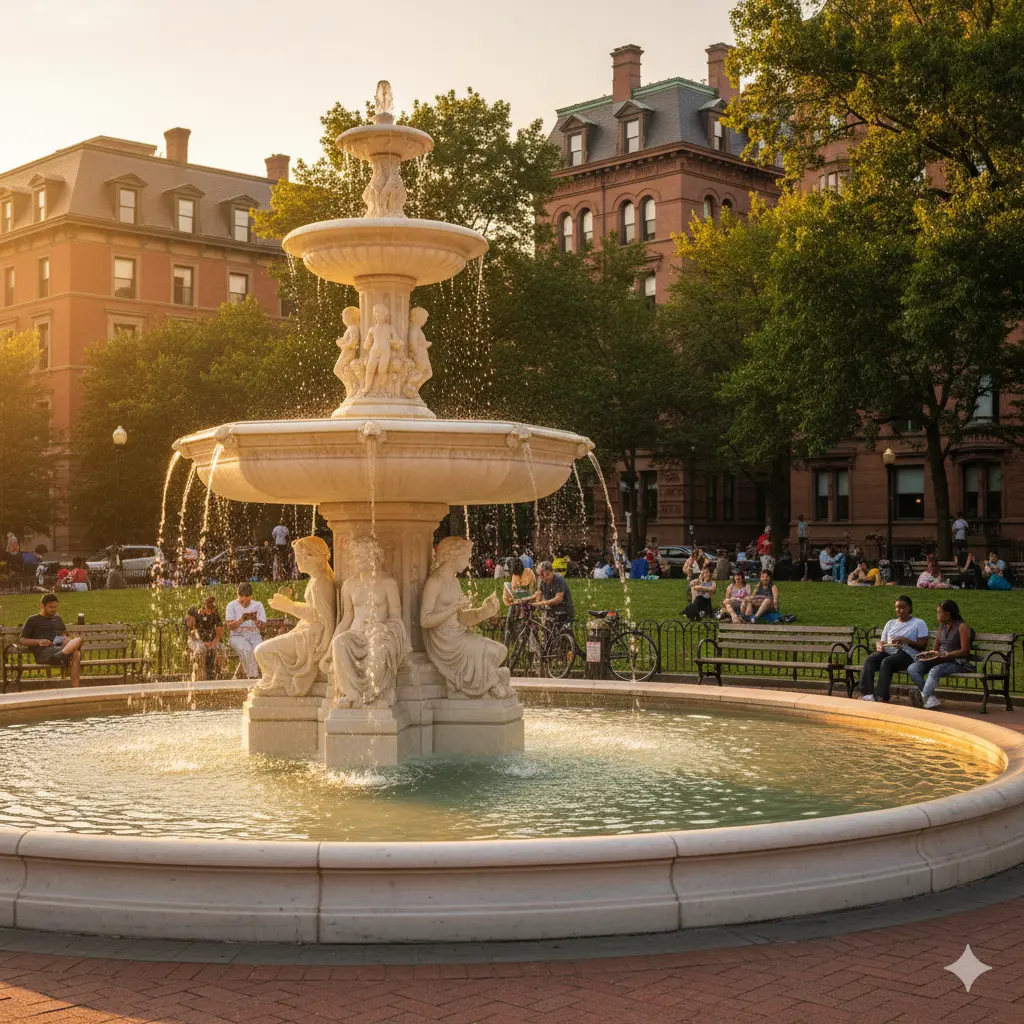
Dupont Circle is one of DC’s most vibrant and culturally rich neighborhoods, known for its historic charm and cosmopolitan energy. Located just north of downtown, it offers walkable access to embassies, think tanks, and major job centers. The area blends classic architecture, nightlife, and arts culture.
- Embassy Row (Massachusetts Avenue): A prestigious corridor lined with embassies, historic mansions, and international institutions. Popular with diplomats and high-income residents seeking elegant architecture and proximity to global organizations.
- Dupont East (Connecticut Avenue Corridor): The commercial heart of the neighborhood featuring apartments, cafes, and nightlife. Known for walkability, Metro access, and strong appeal among young professionals and renters.
- Kalorama Triangle: A quieter historic enclave with tree-lined streets and preserved rowhouses. Attracts families and established professionals looking for charm and a more residential feel within central DC.
- Job Market: Dupont Circle’s economy is driven by embassies, nonprofits, think tanks, and advocacy organizations. Major employers include diplomatic missions along Embassy Row and research institutions like policy think tanks and NGOs.
- Recreation: The neighborhood is known for the Phillips Collection art museum, the Dupont Circle fountain gathering space, and its Sunday farmers market. Residents enjoy global dining, historic cafes, and vibrant nightlife along 17th Street and Connecticut Avenue. Rock Creek Park is nearby for outdoor fun.
- Historic Housing Constraints: Older rowhouses often lack elevators, central HVAC, or modern layouts.
- Parking Scarcity: Residential permits are competitive; garages are expensive or unavailable.
- Nightlife Spillover: Bars along 18th/19th Streets create weekend noise and congestion.
Petworth
Petworth is a balanced neighborhood in Washington, D.C. that mixes affordability with strong community vibes. Known for its rowhouses and local pride, it offers a residential feel while staying connected via Metro. It’s a favorite for buyers wanting space, culture, and value inside the city.
- Petworth Proper: Centered around the Petworth station, this area has classic rowhouses and a lively local scene. Residents enjoy walkability and a strong neighborhood identity.
- Park View (border area): Park View offers slightly more affordable housing and a mix of historic homes and rentals. It’s popular with younger buyers and first-time homeowners.
- 16th Street Heights (nearby): A quieter, more residential pocket with larger homes and leafy streets. It attracts families wanting more space while staying close to Petworth amenities.
- Job Market: Petworth residents typically work in downtown sectors like government, nonprofits, and education. Metro access makes commuting to federal offices and private employers easy, including agencies along the Red and Green Lines. The area draws teachers, public sector workers, and job seekers.
- Recreation: The neighborhood has a strong community-driven lifestyle with farmers markets, local coffee shops, and neighborhood events. Grant Circle Park and nearby Rock Creek Park provide green space and trails. Georgia Avenue adds dining, bars, and live music spots that reflect the area’s diversity.
- Limited Metro Coverage: Mostly dependent on Georgia Ave–Petworth station; longer walks from outer blocks.
- Uneven Block Quality: Some streets are fully revitalized while others still feel transitional.
- Fewer High-End Amenities: Less dining and boutique retail than Northwest DC hotspots.
Columbia Heights
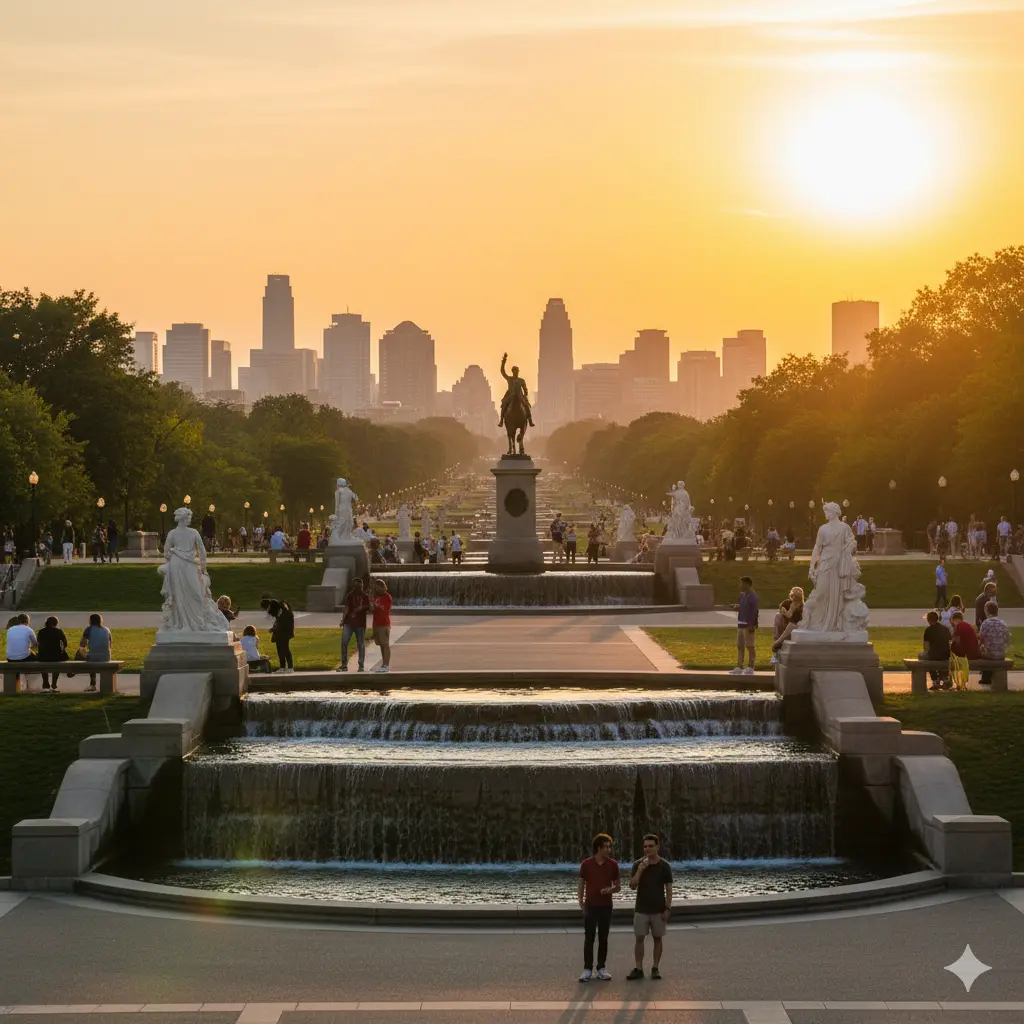
Columbia Heights is one of the most vibrant and diverse neighborhoods in Washington, D.C.. It offers urban energy, strong transit access, and some of the best walkability outside downtown. With dense housing and nonstop activity, it appeals to renters and buyers who want a lively, city-first lifestyle.
- Columbia Heights Proper: The area around Columbia Heights station is packed with apartments, condos, and retail. It’s highly walkable and filled with shops, restaurants, and nightlife.
- Mount Pleasant (nearby): A quieter adjacent area with historic homes and a strong community feel. It offers charm and slightly calmer streets while staying close to Columbia Heights amenities.
- Park View (border area): Park View provides more affordable rowhouses and a residential vibe. It attracts first-time buyers and people seeking value near central D.C.
- Job Market: Columbia Heights residents often work in nearby downtown sectors like government, hospitality, and nonprofits. Metro access makes commuting to federal offices and major employers easy. Retail and service jobs are also common locally due to the neighborhood’s commercial density.
- Recreation: The area is known for its urban lifestyle and diversity. Residents enjoy shopping at DC USA mall, exploring international restaurants, and nightlife along 14th Street. Meridian Hill Park nearby adds green space with drum circles and city views.
- Busy Metro Hub: One of DC’s most crowded Metro stations, especially during rush hour and weekends.
- Retail Congestion: DC USA mall area sees heavy foot traffic and street congestion.
- Safety Perception: Higher reports of petty crime and loitering compared to quieter NW neighborhoods.
Logan Circle

Logan Circle blends historic charm with modern city living in central Washington, D.C.. Known for its beautiful Victorian rowhomes and walkability, it offers easy access to downtown offices, restaurants, and nightlife without feeling overly chaotic. It’s ideal for professionals, is convenient and has a strong identity.
- Logan Circle Proper: The area around Logan Circle features historic homes and upscale condos. It’s walkable, lively, and close to 14th Street dining and nightlife.
- Shaw (border area): Shaw offers slightly more affordable apartments with a trendy, urban feel. It’s popular with young renters and has growing food and nightlife scenes.
- Mount Vernon Triangle: This nearby area has newer buildings and more modern condos. Residents like the newer amenities and proximity to downtown offices.
- Job Market: Logan Circle benefits from its proximity to downtown employment hubs, with strong opportunities in government, consulting, nonprofits, and tech. Major employers nearby include federal agencies, think tanks, and firms like Deloitte and Fannie Mae. The area attracts policy professionals mainly.
- Recreation: The neighborhood revolves around Logan Circle Park, a popular green space for dog walking and weekend lounging. Residents enjoy 14th Street’s restaurant row, boutique fitness studios, and art galleries. Walkability is a major lifestyle perk, with cafes, Whole Foods, and nightlife.
- Premium Cost per Sq Ft: High condo prices for relatively compact units.
- Limited Green Space: Small parks only; no large recreational areas nearby.
- Parking Challenges: Tight streets and permit competition make car ownership difficult.
Adams Morgan

Adams Morgan is one of the most eclectic and nightlife-driven neighborhoods in Washington, D.C.. Known for its historic rowhomes and international vibe, it blends culture, dining, and entertainment in one compact area. It’s best suited for people who enjoy lively streets and a strong urban personality.
- Adams Morgan Proper: Centered around 18th Street NW, this area has historic buildings and a buzzing social scene. It’s popular with renters and buyers who want nightlife at their doorstep.
- Kalorama Triangle: A quieter pocket bordering Adams Morgan with elegant rowhouses and embassies nearby. It offers a more residential feel while staying close to the action.
- Lanier Heights: This small, residential section features charming historic homes and tree-lined streets. It attracts buyers wanting Adams Morgan character with slightly less noise.
- Job Market: Residents typically work in nearby professional hubs like Dupont Circle and downtown D.C., with jobs in government, nonprofits, hospitality, and international organizations. The area also has a strong local service economy tied to restaurants and nightlife.
- Recreation: Adams Morgan is famous for nightlife, global dining, and street festivals. Rock Creek Park is just steps away, offering trails and green space. The neighborhood’s murals, music venues, and late-night food spots create a lively, culture-heavy lifestyle.
- Late-Night Noise: Bars and clubs on 18th Street generate 2–3 AM weekend noise.
- Parking Frustration: Extremely limited street parking; towing and ticketing common.
- Weekend Crowds: Sidewalks and rideshare traffic get heavily congested on weekends.
Brookland

Brookland offers a quieter, more residential side of Washington, D.C. with a strong neighborhood feel. Known for tree-lined streets and a slower pace, it’s popular with families and buyers seeking space while staying connected to Metro access. It blends suburban calm with development and a, community-driven vibe.
- Brookland Proper: The core area near Brookland–CUA station features single-family homes and classic rowhouses. It’s loved for its peaceful streets and easy Red Line commute.
- Michigan Park: A quieter residential pocket with larger homes and more greenery. It attracts families looking for space and a suburban feel within city limits.
- Edgewood (Brookland border): Edgewood offers slightly more affordable options and a mix of older homes and new development. It’s becoming popular with first-time buyers and young families.
- Job Market: Brookland residents often commute to downtown D.C. jobs in government, education, and healthcare. Major nearby employers include Catholic University, MedStar Washington Hospital Center, and federal agencies across the city. The neighborhood attracts educators, healthcare workers etc.
- Recreation: Brookland has a relaxed lifestyle centered on community spaces and arts. The Monroe Street Market area offers local shops and studios, while nearby parks provide green space for families. Residents enjoy neighborhood events, farmers markets, and easy access to trails and museums.
- Longer Downtown Commutes: Red Line reliance and fewer direct routes to job centers.
- Limited Nightlife: Quiet after dark with fewer entertainment options.
- Car Dependency for Errands: Grocery stores and big-box retail often require driving.

Pro Tip If you’re looking for something on the southern side of DC, Anacostia could be a great option. From Anacostia to Congress Heights, you’ll find a wide range of affordable houses in Washington DC with strong rental potential.
Anacostia (safety score of 58) and Congress Heights (safety score of 51) are the cheapest and safest neighborhoods in Washington DC. They offer low crime rates, family-friendly neighborhoods, and a lively, welcoming lifestyle.
Top 3 Cheapest Neighborhoods to Live in Washington DC for Young Adults
When looking for the least expensive neighborhood to live in Washington DC, you want more than just cheap rent. You want good jobs, a fun lifestyle, and a neighborhood where you can thrive. These DC neighborhoods deliver all three, with affordable homes in Washington DC.
| Rank | City | Why It’s Great for Young Adults |
|---|---|---|
| 1. | Columbia Heights | Columbia Heights offers big-city opportunities across government contractors, tech startups, and nonprofits. Young professionals can also engage in community work through groups like the U Street Network. Strong job growth and affordable homes make it easier to build wealth here. |
| 2. | Petworth | Home to a thriving arts scene and proximity to federal job hubs, the neighborhood combines cultural opportunities with a lively vibe. There’s also an increase in homes for sale in Petworth, and rental rates are 22% below the DC average. |
| 3. | Brookland | Brookland’s growing education, service, and creative sectors create strong career options, while local networks like Brookland Young Professionals support networking. Affordable houses for sale in Brookland also ensure that you don’t spend all your hard-earned money on housing. |
Top 3 Inexpensive Neighborhoods to Live in Washington DC for Families
Washington DC is a favorite among families for its world-class amenities, strong schools, and urban parks. These three neighborhoods offer low living costs, top-notch family resources and affordable housing in Washington DC.
| Rank | City | Why It’s Great for Families |
|---|---|---|
| 1. | Foggy Bottom | Families enjoy community parks like Foggy Bottom Park and educational spots near George Washington University. Outdoor recreation and pocket-friendly homes for sale in Foggy Bottom make this neighborhood a great place for families. |
| 2. | Adams Morgan | Adams Morgan offers strong public schools, family events at Marie Reed Park, and community programs. This significantly reduces child-rearing costs. Similar social programs and cheap homes for sale in Adams Morgan make this neighborhood family-friendly. |
| 3. | Logan Circle | Home to vibrant community centers and parks like Logan Circle, families enjoy year-round entertainment. If you’re looking for rowhouse properties and playgrounds, cheap homes for sale in Logan Circle are your best bet. |
3 Best Affordable Neighborhoods to Live in Washington DC for Retirees
Washington DC is a retiree’s haven. In these affordable places to live in DC, you can find affordable homes, accessible healthcare, and safe communities. There are also plenty of outdoor activities like walking trails, parks, and cultural events to enjoy a comfortable, active lifestyle.
| Rank | City | Why It’s Great for Retirees |
|---|---|---|
| 1. | Dupont Circle | Retirees in Dupont Circle enjoy programs at senior centers like dance nights, fitness sessions, and social hours. George Washington University Hospital offers trusted senior care services, and the affordable homes for sale in Dupont Circle make it easy to maintain a comfortable lifestyle. |
| 2. | Mount Vernon Square | In Mount Vernon Square, retirees have access to dependable care at nearby MedStar, known for rehabilitation services. The peaceful paths and picnic spots at Mount Vernon Place make it ideal for nature-loving retirees. With affordable homes for sale in Mount Vernon Square, it’s easy to enjoy a quiet, low-cost retirement. |
| 3. | Judiciary Square | Judiciary Square offers an urban lifestyle with access to Howard University Hospital for reliable medical care. Senior communities host wellness and social programs. You can find homes for sale in Judiciary Square and enjoy a relaxed lifestyle close to monuments and parks. |
3 Hidden Costs to Consider in Washington DC
Even in affordable neighborhoods in DC, home prices are only part of the cost. After recent storms and urban risks, insurance premiums have risen. So, factor in homeowners and flood coverage along with property taxes when looking for the affordable Washington DC suburbs.
- Homeowners Insurance: Many homeowners now pay around $1,500 yearly, with dense urban areas exceeding $2,000 due to fire and theft risks. Neighborhoods like Foggy Bottom and Dupont Circle generally have moderate rates for living in DC on a budget.
- Flood Insurance: Standard homeowners insurance doesn’t include flood damage. Policies from FEMA’s NFIP or private insurers average $1,500–$2,500 per year near the Potomac, with rates climbing under updated risk models.
- Property Taxes: DC property taxes are typically $0.85 per $100 of assessed value (~0.85% effective rate), varying by homestead status and adding $4,000–$6,000 yearly for median homes.
Quick Tip Washington DC’s Homestead Exemption allows up to $91,950 off the taxable value of your primary residence (as of tax year 2026), which can help reduce costs. However, it does not apply to second homes or investment properties.
Affordable Living Beyond Washington DC
Not sure if the affordable neighborhoods in Washington DC fit your budget? Here are three surrounding affordable places to live near DC that offer top-notch healthcare, abundant jobs, and excellent education systems, just like DC.
Top-Notch Healthcare
Maryland leads with Johns Hopkins Medicine and NIH proximity, providing world-class medical facilities. Here are the top 3 cheapest places to live in Maryland:
- Cumberland: It offers homes around $130,000 with rent under $1,000, featuring a strong community and access to regional medical centers.
- Hagerstown: It provides homes around $280,000 with rent from $1,500, serving as a healthcare hub with growing medical services.
- Dundalk: It delivers homes around $228,000 with rent near $1,300, offering proximity to Baltimore’s top hospitals.
Jobs
Virginia ranks top for job growth with NoVA’s tech corridor and federal contracting opportunities. Here are the top three cheapest places to live in Virginia:
- Martinsville: It features homes around $140,000 with rent near $900, supported by manufacturing and healthcare employment.
- Danville: It offers homes around $155,000 with rent near $850, driven by logistics and service industry jobs.
- Petersburg: It provides homes from $180,000 with rent $950–$1,300, ideal for commuters accessing DC federal positions.
Excellent Education System
Delaware offers quality schools and university access with low tuition at state institutions. Here are the cheapest places to live in Delaware:
- Dover: It boasts median homes at $290,000 with rent from $1,400, anchored by state capital jobs and strong public schools.
- Seaford: It features median homes at $245,000 with rent from $1,200, providing coastal access and excellent education ratings.
- Millsboro: It offers homes around $320,000 with rent from $1,500, popular among retirees with family-friendly school districts.
Where Is the Cheapest Place to Live in Washington DC?
Columbia Heights, Petworth, and Brookland are the cheapest neighborhoods in Washington DC. These areas offer more than low prices; they also provide steady job markets, plenty of recreation, and a cost of living 12% lower than Georgetown’s norm.
Moving to Washington DC also offers valuable tax advantages, with property taxes averaging at 0.85%. Whether you’re relocating or buying your first home, you can browse listings, compare prices, and make offers online.
Frequently Asked Questions
What is the cheapest place to live in Washington D.C.?
The cheapest place to live in Washington D.C. is Foggy Bottom. It offers affordable housing at a median sale price of 510K.
» 10 Cheapest Places to Live in Washington D.C.: Find out the other cheapest places to live in Washington D.C.
Where is the best place to live in D.C.?
The best place to live in Washington D.C. is Georgetown, followed by Petworth, Adams Morgan, Tacoma, Capitol Hill, Columbia Heights, and Dupont Circle.
What are the living expenses in D.C,?
The average cost to live in D.C. is 39% higher than the national average.
Where is the best place to retire in D.C. on a budget?
Dupont Circle, Mount Vernon Square, and Judiciary Square are among the best places to retire in D.C. on a budget. They offer affordable housing, small-town comfort, and easy access to medical care.
Which areas have the cheapest cost of living in Washington DC?
Mount Vernon Square (133.44) and Foggy Bottom (136) have the cheapest cost of living in D.C. Mount Vernon Square's cost of living is 4% below the average, while Foggy Bottom's is 2.2% lower.


