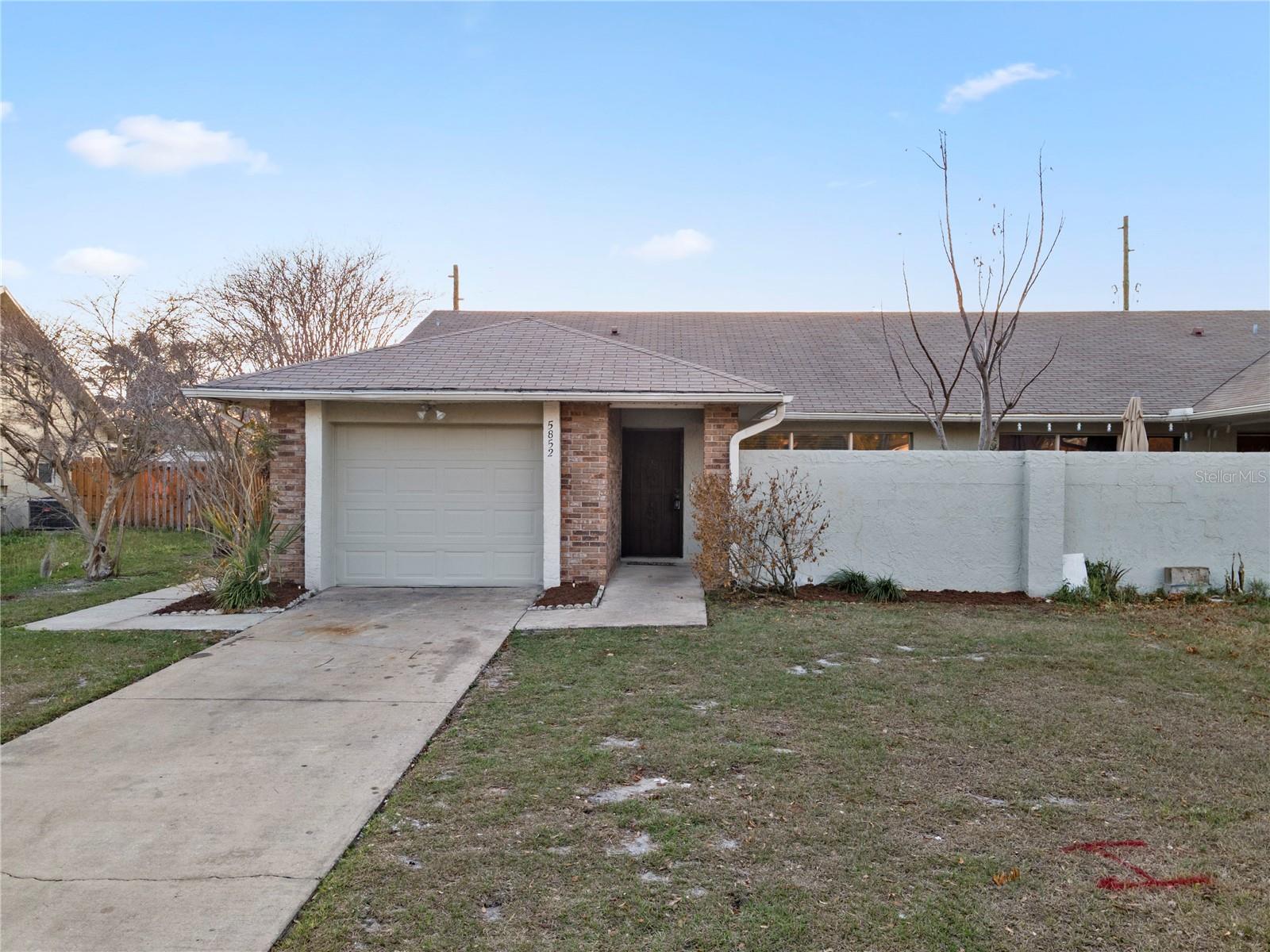
Feeling priced out of today’s housing market? You’re not alone. With the median US home price over $321k in 2026, buying a home can feel impossible. That’s why many buyers ask, “What is a short sale?” It’s a real estate opportunity to buy a home below market value.
Short sale houses are often 10%–30% cheaper than traditional listings. Though they’re less common, which makes up just 0.5% of local sales, short sales can be a smart way to score a deal if you’re patient and know the short sale process.
Key Takeaways
- A short sale happens when a home sells for less than the remaining mortgage balance.
- It can be a chance for buyers to get properties below market value.
- The process takes longer and requires lender approval before closing.
- Sellers avoid foreclosure, while buyers often gain instant equity.
- Patience and expert guidance are key to a successful short sale deal.
What Is a Short Sale?
A short sale happens when a homeowner sells their house for less than the amount they owe on their mortgage. This occurs when homeowners face financial difficulties. In some cases, the difference is forgiven by the banks, but in others, homeowners have to make ends meet.
In a short sale, the three main parties involved are the lender, the homeowner, and the buyer. A short sale requires the lender’s approval, as they have to accept the proceeds as full payment on the outstanding loan. This allows the borrowers to avoid foreclosure.
When Does a Home Qualify for a Short Sale?
A home qualifies for a short sale when the homeowner is financially unable to continue making mortgage payments and the property’s market value is lower than the remaining loan balance.
In this situation, the homeowner asks the lender to approve selling the home for less than what’s owed on the mortgage. To qualify, the homeowner usually must:
- Prove a financial hardship, such as job loss, medical bills, or divorce.
- Show no significant assets or savings that could cover the debt.
- Have the home’s value confirmed by the lender as being lower than the mortgage balance.
If these conditions are met, the lender may allow a short sale to avoid foreclosure and recover part of the loan.
What Is a Short Sale vs Foreclosure
People often confuse these two, but they are slightly different. Let’s dive deeper into the core differences between short sale and foreclosure.
| Short Sale | Foreclosure |
|---|---|
| Home is sold for less than the mortgage balance with lender approval. | Lender repossesses the property after homeowner fails to pay mortgage. |
| Initiated by the homeowner requesting to sell. | Initiated by the lender filing for foreclosure. |
| Homeowner has some control over the sale process. | Homeowner loses control; property is taken by lender. |
| Less severe impact on credit; may stay on credit report for 2–3 years. | More severe impact on credit; it can stay on the credit report for 7 years. |
| Can take several months due to lender approval. | Typically faster once the process starts, but varies by state. |
| Usually 10%–30% below market value. | Sold at auction or by lender, often below market value. |
| Potentially lower financial and emotional cost for the homeowner. | Higher financial and emotional cost due to loss of home. |
How Does a Short Sale Work in Real Estate?
Buying a short-sale home is different from a traditional real estate purchase. Here are the 5 steps on what a short sale is and how a short sale works for a home buyer:
1. Get Pre-Approved for a Mortgage: Getting pre-approved for a mortgage is the first step you should take. This shows the seller that you are financially ready and serious. Additionally, it gives you a clear idea of your budget for the purchase.
2. Find a Suitable Property: Work with a short sale real estate agent. They will help you with the properties listed as short sales or pre-foreclosures. Always research the home’s fair market value and condition to avoid overpaying or missing hidden issues.
3. Submit an Offer: Once you find your home, you can proceed to submit your offer to the seller’s agent. The seller may accept, reject, or make a counteroffer. In case the offer is accepted, it goes to the lender for approval, since the final decision rests with the lender.
4. Wait for the Lender’s Approval: After receiving your offer lender initiates a home appraisal or broker price opinion. It usually takes a few weeks, but it can take months as well. While you wait, conduct a home inspection and review any seller disclosures.
5. Complete the Purchase: Once the lender approves your offer, you can move forward with closing the deal. Secure financing, finalize the purchase agreement, and complete any necessary contingencies. After closing, you can take possession of the property.
How Long Does a Short Sale Take to Close?
Unlike a traditional home sale, short sales can take longer to close. Short sales typically take 3–6 months to close. Here are the two major reasons for the longer timeline:
1. Lender Approval: The lender’s approval is crucial for a short sale. The process behind the approval involves negotiating with the seller and reviewing their financials. This can take weeks or even months in some cases due to the complexities of the paperwork required.
2. Property Appraisal: The lender typically orders an home appraisal to ensure the sale price is fair. This adds extra time to the process, as the appraisal must be completed and reviewed, which ultimately extends the entire foreclosure timeline.
3. Multiple Offers and Negotiations: Short sales attract multiple buyers looking for a deal. The lender may need to evaluate and negotiate with several buyers before approving an offer, which can extend the time.
Once the bank approves your offer, closing can happen relatively quickly. Getting a mortgage pre-approval and completing inspections in advance can significantly speed up the closing process.
Pros and Cons of Buying a Short Sale Home
A short sale offers several lucrative benefits, but it has some drawbacks too. Let’s break down both the benefits and risks in detail.
✅ Benefits of Buying a Short Sale House
1. Discounted Price: The short sale properties are usually sold significantly below the market value. This provides you the opportunity to buy your dream home at 10% to 30% discounted prices, making housing more accessible.
2. Potential for Investment: Due to discounted rates, a short-sale house is often a great opportunity to invest. By making repairs and renovations, you could resell the property later for a profit or simply enjoy greater equity share on your purchase.
3. Less Competition: A short sale often attracts fewer buyers due to the lengthy process and complexity of paperwork involved. This means less competition, which can increase your chances of having your offer accepted.
4. Motivated Sellers: Short-sale homeowners are often facing financial hardship and are eager to avoid foreclosure, which means they’re highly motivated to sell quickly. This can mean easier negotiations, flexible terms, and a better chance your offer gets accepted.
❌ Risks of Buying a Short Sale Home
1. Lengthy Process: The biggest downside of short sales is a longer timeline. A normal short sale can take anywhere between 3 to 6 months. This can sometimes be a little frustrating for buyers who want a quick deal.
2. As-Is Condition: These are the properties usually sold in “as-is” condition to escape the foreclosure. Often these properties are occupied by the homeowners, who may have neglected the maintenance due to financial hardship.
3. Limited Disclosures: You may not get all the details about the home’s condition upfront, as the seller may not have the resources to provide a full disclosure. Thorough inspections are essential, but there’s still the potential for surprises.
Should I Buy a Short Sale House?
Purchasing a short sale house offers an opportunity to buy a house well below market value—often by 10% to 30%. But a short sale can take 3-6 months to close. If you have the patience, they can be a smart option to buy a house.
Start by getting pre-approved for a mortgage to show your readiness. Now, start searching with the help of a real estate agent. After you submit your offer, stay patient and work with your lender to get your short sale approved by the banks to secure your dream home.
Start your search today on Houzeo.com, America’s best home buying website.