Cheap homes to buy in 2026 may seem hard at first. However, with the right strategies, you can improve your chances. Start by exploring the most affordable states to live in, since they often have lower living costs and growing housing markets that make buying easier.
With nearly 57% of U.S. households unable to afford a $300,000 home and about 49% saying homeownership feels out of reach, finding affordable housing options has become more important than ever.


KEY TAKEAWAYS
- West Virginia is the cheapest state in which to buy a house in 2026.
- Alabama has the lowest property tax rate of the top 10 cheapest states to buy a home.
- Look for homes that have been on the market for more than 30 days when sellers are open to negotiations. You might get 10-20% off the price of a cheap house to buy in NY or other markets.
- Skip turnkey homes and major fixer-uppers. Instead, go for houses needing light updates.
- Consider condos, townhouses, duplexes, or even manufactured homes.
- Backup offers on contingent homes, stay alert for these hidden gems in hot markets.
- Foreclosures and bank-owned homes are another true bargains.
US Housing Market 2026: Finding Affordable Homes
Home prices are no longer rising as fast as they did a few years ago, but they are still increasing. Affordability remains a challenge, even as the monthly housing affordability index from the National Association of Realtors has improved since November 2024. This makes finding states with the cheapest homes more important than ever.
What Makes a Home Affordable?
In 2026, cheap homes to buy are still available, but not everywhere in the US and not without trade-offs. For buyers shifting their focus in markets with lower demand, higher inventory, or slower economic growth. This shift is driving raising common questions like where are the cheapest homes in the US.
Affordable Options Still Exist Across Multiple Tiers
This year, affordability looks different depending on your budget and where you are willing to buy. Lower price points are still concentrated in smaller towns, rural areas, or cheap old houses that may need repairs. These options often require trade-offs, but they remain one of the most accessible ways to enter the market.
As budgets increase, buyers gain access to better-maintained homes in suburban or secondary housing markets where growth is steady but prices are not as inflated as major metros. These areas often strike a balance in homeprices and cost of living, making them attractive for both first-time buyers and investors.
For those not ready to buy, rental options in less competitive neighborhoods or cities can still offer relative affordability, though costs vary widely by location. Overall, the key in 2026 is not just finding the lowest price, but identifying places where home values are more aligned with local incomes and long-term potential.
Entry-level buyers often target houses for sale under 100k or houses for sale under 300k, which are typically found in smaller cities, rural areas, or older housing stock that may need updates. Moving up, houses for sale under 400k and houses for sale under 500k open up more options in growing suburbs and secondary markets, offering better condition homes and stronger long-term value.
8 Ways to Find Cheap Homes to Buy 🔎
Even though finding cheap homes to buy may seem difficult, there are simple steps that can help you improve your chances of finding your dream home.
1. Look for Homes That Have Been on the Market Longer
Search for homes that have been on the market for more than 30, 60, or even 90 days. This filter helps you spot houses that may have price cuts. A home listed for a long time often means the seller is motivated to sell quickly.
2. Search for “As-Is” Properties
You can often find cheaper homes if you’re open to buying ones that need some repairs. Fixing them up lets you make the home your own and can increase its value over time.
If you don’t mind doing a bit of work, buying a home sold as-is can be a smart way to save money and build value. However, homes that need repairs often get lower offers, which can reduce their value by 30% to 70%.
An “As-Is” property is a home sold just the way it is, without any repairs or upgrades from the seller. The buyer agrees to buy the house in its current condition, even if there are problems or damage.
These homes are often cheaper than others, but it’s smart to get a home inspection first. This helps you know what fixes or costs you might face after buying.
3. Look for Abandoned or Historic Homes
Abandoned or historic homes can sometimes be among the cheapest homes on the market. These properties may have been left vacant for years, inherited but not maintained, or simply overlooked due to their age and condition.
Some states actively promote the restoration of older properties. For example, buyers searching for historic homes for sale in California or historic houses for sale in Georgia may come across older properties listed at lower prices, especially in small towns or historic districts where communities encourage preservation.
4. Check Out Foreclosured Homes For Sale
You can also consider cheap foreclosed homes if you’re on a tight budget. These are repossessed by banks or lenders when homeowners fail to make their mortgage payments. These properties are usually auctioned by banks and often sold at discounted prices.
However, one drawback is that these homes cannot be inspected before the auction. This means you could end up with a house that needs significant repairs. If you’re willing to take that risk, foreclosed properties can save you a lot of money.
5. Check FSBO (For Sale By Owner) Homes
FSBO (For Sale By Owner) homes are sold directly by the owner without a real estate agent. Because sellers avoid paying the usual 5–6% commission, they can price their homes lower and still earn a fair profit. Buyers can find cheap homes for sale below market value and negotiate directly with the seller for better deals, faster communication, and flexible terms.
6. Look for Vacant or Inherited Homes
You can find cheap homes to buy by looking for vacant or inherited houses. Owners often sell these homes fast and for less money because no one lives there. With a bit of research, you can discover great deals that other buyers might miss.
1. Methods to Find a Vacant Home
To find vacant homes for sale, drive through neighborhoods and look for signs like overgrown grass, piled-up mail, or no lights on. You can also check public records on your county’s website to spot foreclosed or pre-foreclosed properties.
Property auctions are another way to find deals. Government sites like the Bureau of Land Management also list low-cost land and properties.

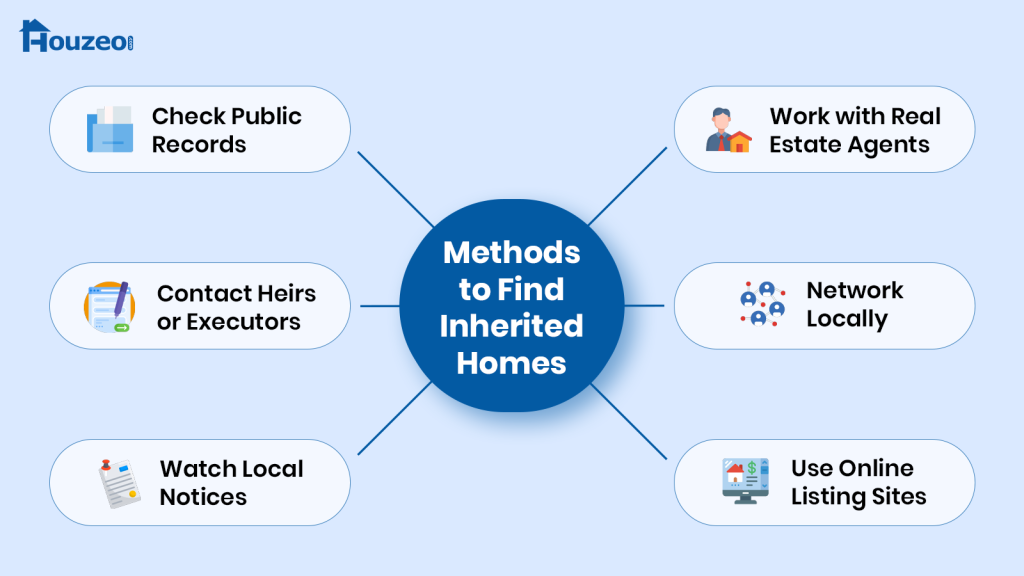
2. Methods to Find Inherited Homes
To find inherited or estate-sale cheap homes for sale, check probate or inheritance records at your local courthouse or online. Work with real estate agents who specialize in estate properties, as they often have early access to listings. Networking locally with estate lawyers or investors can also uncover opportunities before they hit the market.
6. Consider Different Property Types
When you’re searching for a cheap home, it’s smart to stay open to different property types. Instead of only looking single-family houses, you can also explore condos, townhomes, manufactured homes, or fixer-uppers. These options often cost less but still give you the space and comfort you need.
Why it Matters?
Different property types let you stretch your budget further. For instance, condos and manufactured homes usually have lower prices and fewer upkeep costs. On the other hand, fixer-uppers may need some repairs, but they do become investments if fixed.
How to Find Them?
You can easily search for these homes through several real estate platforms like Houzeo. Simply use filters to sort by property price or price range. In addition, you can check your local listings for foreclosures, short sales, or auction homes.
These often include a mix of properties that are priced below market value, helping you find an affordable option faster.
Best Time to buy
The best time to find cheap homes in USA is usually from late fall to winter. During this time, fewer people are looking to buy, and sellers are more open to making deals. This means you can often get lower prices and better terms.

Pro Tip: The best time to buy a house is late fall to winter (October to February), when demand drops and sellers are more open to negotiation—giving buyers a better chance to secure lower prices.
7. Use Government and Local Housing Programs
You can save money with government and local housing programs. These programs make buying a home much easier. They are great for first-time buyers and anyone on a tight budget.
For example, federal programs like FHA, VA, and USDA loans let you buy a home with a small down payment and simple credit rules. Also, many states and cities offer grants to help pay for your down payment or closing costs. This can make your home even more affordable.
8. Buy in the Off-Season
The off-season for buying a home runs from fall to late February. Fewer buyers shop during this time since most prefer to move in warmer months or outside the school year.
However, buying in the off-season can mean lower prices and less competition. If you don’t mind the cold, it’s a great time to find a good deal. Here are a few tips to help you make the most of it.
#1 Less Competition
Fewer people buy homes in the off-season. With less competition, you have a better chance to get the home you want.
#2 Easier Negotiations
Home prices are often lower in the off-season putting some of the cheapest homes in USA up for sale . You can ask for better deals and fewer conditions when you buy.
#3 Better Service
Agents have more free time during the off-season. They can help you faster and give you more attention.
#4 Show Up
Don’t let cold weather stop you from seeing homes. Going to open houses helps you find the right home sooner.
How to Finance a Cheap Home?
Buying a cheap home is exciting. But you still need a plan to pay for it. The good news is there are many simple ways to finance your home. You can choose from loans with low down payments or programs made for first-time buyers. With the right option, owning a home can be easy and affordable.
Government-insured home loans
Government-backed home loans make it easier to buy a home. Because the government supports them, lenders take less risk. You can qualify with a smaller down payment or lower credit score, making them ideal for first-time buyers.
- FHA Loans are backed by the Federal Housing Administration. You can qualify with a credit score of 580 or higher and only 3.5% down. These loans make it easier for buyers with limited savings or lower credit to buy a home.
- VA Loans are for military members, veterans, and eligible spouses. They need no down payment and come from private lenders. This program helps military families buy homes more easily and save money.
- USDA Loan help low- and middle-income buyers in rural areas. They often have no down payment and low interest rates. These loans make it easier to buy an affordable home in small towns and countryside areas.
Estimate Your Monthly Payment with a Mortgage Calculator Before you start house hunting, use a mortgage calculator to understand what you can afford.
The most common loan for first time homebuyers in the US is the FHA loan.
- FHA loans are backed by the Federal Housing Administration. They’re popular because they allow a low down payment (as little as 3.5%) and have flexible credit requirements.
- Conventional loans, VA loans, and USDA loans are also good options. However, FHA loans are often the top choice for first-time buyers who have limited savings or lower credit scores.
Are Cheap Homes Worth Buying?
Buying cheap apartments can be a smart move if you plan carefully. These homes often cost much less than typical listings, which makes them great for first-time buyers or investors. However, low price doesn’t always mean low cost, it’s important to look deeper before you buy.
Benefits of Buying a Cheap Home
- Lower cost: You need less money upfront, so cheap homes to buy are easier to afford.
- More profit: Simple upgrades can increase the value of cheap homes to buy and grow your savings.
- Less competition: Fewer people look for cheap homes to buy, so you can negotiate better deals.
- Easy loans: Programs like FHA and USDA loans make it easier to get cheap homes to buy with a small down payment.
Things to Watch Out For
- Hidden repair costs: Some older or “as-is” homes may need costly repairs, so always get a home inspection first.
- Slower value growth: Cheap homes in certain areas might not increase in value quickly, so plan for the long term.
- Higher costs: Depending on where the home is, insurance or property taxes could be higher, so check these before buying.
Pro Tip Before making an offer, use a home worth calculator to answer “what’s my house worth?” and check if the price is fair. This helps you see whether the property ranks among the cheapest houses in the USA and if it’s a smart deal for your budget.
Should You Buy a Cheap Home in 2026?
Finding cheap homes to buy in the US takes planning, patience, and smart research. Start by exploring affordable states and looking at options like foreclosures, FSBOs, and government-backed listings.