


Want the American dream of homeownership without the sky-high prices of major cities like New York or San Francisco? Don’t give up just yet. You can still find affordable places to live in the U.S. if you know where to look.
Your perfect home could be a family-friendly house in Midwest towns like Wichita, Kansas, or a starter home in Fort Wayne, Indiana. If you’re retiring, consider riverside homes for sale in Decatur, Alabama, where you can enjoy a relaxed lifestyle with median home prices still under $300,000.
After assessing hundreds of U.S. cities, we’ve ranked the top 10 cheapest places to live in America to help you find a home that fits your budget and lifestyle.
Houzeo is America’s best home buying and selling platform.
For Home Sellers: List your home for a Flat Fee, and save 2.5% to 5.5% on the listing agent commission! That’s thousands of dollars extra in your pocket.
For Home Buyers: Houzeo has the most number of houses for sale in US. Start your dream home search now!
Yes! You can list your home for sale or search millions of homes on the Houzeo mobile app!
Download now on the Apple App Store or the Google Play Store.


Key Takeaways
- Fort Smith is the most affordable city: Fort Smith’s cost of living is 25% lower than the national average. With a median home price of $200,500, it is the cheapest place to live in the USA.
- Wichita is the best city for young professionals: Ranked among the top emerging job market in the Midwest, Wichita is a prime spot to build a career.
- For families, Conway is a great choice: With excellent schools, safe neighborhoods, and affordable homes, Conway is an ideal place to raise a family on a budget.
- Retirees should consider Decatur: Retirees can enjoy a scenic riverfront lifestyle, with homes typically priced around $200,000.
- Don’t forget hidden costs: While housing is affordable, remember to factor in property taxes, insurance, and utilities. These costs can vary widely by state.
What Are The Cheapest Places to Live in the USA?
| City | Median Home Price | Median House Rent | Cost of Living Compared to National Average | Affordability Score* (out of 10) |
|---|---|---|---|---|
| 1. Fort Smith | $200,500 | $830 | 25% ⬇️ | 8.8 |
| 2. Rockford | $171,500 | $875 | 11% ⬇️ | 8.4 |
| 3. Wichita | $244,100 | $941 | 11% ⬇️ | 8.1 |
| 4. Conway | $270,800 | $969 | 16% ⬇️ | 8.1 |
| 5. Decatur | $250,000 | $943 | 16% ⬇️ | 8.1 |
| 6. Abilene | $235,000 | $1,033 | 9% ⬇️ | 7.9 |
| 7. Memphis | $186,250 | $1,135 | 10% ⬇️ | 7.9 |
| 8. Springfield | $224,900 | $1,127 | 13% ⬇️ | 7.9 |
| 9. Brownsville | $254,990 | $1,025 | 16% ⬇️ | 7.9 |
| 10. Fort Wayne | $229,238 | $1,143 | 10% ⬇️ | 7.8 |
How We Ranked the Most Affordable Cities in the US
To identify the cheap places to live in US, we carried out an in-depth analysis using multiple reliable data sources and indicators of affordability.
Data Sources:
- Median Home Prices: We used Houzeo’s US Housing Market report and double-checked the numbers with the American Housing Survey (AHS).
- Median Rent: We got the rent data from C2ER, which publishes the national Cost of Living Index. This was verified every few months to make sure it’s accurate.
- Overall Cost of Living: We covered 6 big spending categories— housing, groceries, utilities, transportation, healthcare, and miscellaneous goods— from C2ER. We then compared everything to the U.S. average of 100.
We studied housing data from 2022 to 2025 to identify cities that remained affordable over time, not just during short dips in prices. Furthermore, each city’s data was also cross-checked with HUD and state economic reports.
All our information is up to date as of 2025, ensuring you receive the most current insights.
Affordability Scoring:
We built a simple scoring system that focuses on what really matters:
- Median Home Price (40%)
- Median Rent (35%)
- Cost of Living (25%)
This way, we can clearly show which US cities give you the best value for your money. You can also check out our score breakdown to see how each city was ranked.
Image credits: All blog images are sourced from Freepik.
10 Most Affordable Places to Live in the US
Fort Smith, Arkansas
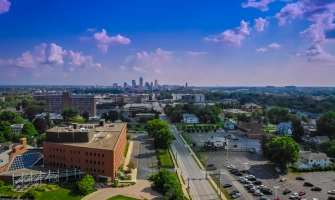
Set along the Arkansas–Oklahoma border, Fort Smith offers a relaxed pace of life and friendly neighborhoods. The city’s Greg Smith River Trail and green spaces add to its charm. Housing costs for cheap homes for sale in Fort Smith run 54% below the national average.
- Cavanaugh: This affordable residential neighborhood offers traditional single-family homes in a quiet suburban setting. The streets here are named after Ivy League universities. Most first time home buyers are attracted to Cavanaugh’s median sale price of $178,500, making Fort Smith’s most accessible areas.
- Mill Creek: This neighborhood is located 3 miles from downtown Fort Smith and features medium single-family homes. Mill Creek residents enjoy educational exhibits and outdoor spaces at the Fort Smith National Historic Site.
- South Fort Smith: This suburban neighborhoods consists of older, well-built homes constructed between 1940 and 1969. Cheap homes for sale in South Fort Smith have a median price of $119,14 and provides walkable access to local businesses.
- Job Market: The city’s economy is driven by manufacturing, healthcare, education, and food processing. Major employers include Baldor Electric (ABB), Mercy Hospital, and the Fort Smith School District. The average salary is around $50,722, and the unemployment rate stays 3.7%.
- Recreation: Residents can enjoy fishing at Carol Ann Cross Park, explore the Fort Smith National Historic Site, or catch local music at The Majestic. The city also hosts the annual Peacemaker Festival, celebrating country and folk music along the riverfront.
- High Crime Rate: Fort Smith experiences a high crime rate, with 53 crimes per 1,000 residents. Residents face 1 in 19 chance of becoming a victim.
- Limited Job Diversity: Residents face limited career opportunities beyond nursing and production roles.
- Severe Weather Vulnerability: Fort Smith faces frequent severe weather, including tornadoes, thunderstorms, and flooding. Residents need to stay prepared for dangerous storms—especially in spring and early summer
Rockford, Illinois

Rockford is Illinois’s third-largest city and is one of the most affordable places in the state. Just 85 miles northwest of Chicago, the city offers metro-level access without high housing costs, making homes for sale in Rockford attractive. Rockford blends its manufacturing roots with natural beauty and family-friendly outdoor spaces.
- Old Towne: This historic neighborhood in the heart of Rockford offers distinctive architectural character and proximity to the Midtown. The housing stock here tends to be older, homes built before 1940 and a mix of small single‑family houses and small apartment buildings.
- Prairie Hill: Prairie Hill sits along the Rock River and delivers suburban character at prices that defy expectations. The neighborhood features Sinnissippi Park within walking distance of the riverfront.
- Midtown: Rockford’s Midtown district provides urban amenities at just $65,859 median value. With emerging arts venues like 317 Art Collaborative and local businesses, Midtown has seen 13% growth since 2020 as buyers rediscover historic urban neighborhoods.
- Job Market: Rockford’s economy is powered by a workforce of 168,000+, with over 18% employed in advanced manufacturing. Major employers include MercyHealth, OSF Healthcare, UPS Rockford Air Hub.
- Recreation: Rockford lives up to its “City of Gardens” nickname with Anderson Japanese Gardens, ranked as one of the highest quality Japanese gardens in North America. Outdoor enthusiasts can kayak or canoe on the Rock River, boat at Rock Cut State Park, or wakeboard at West Rock Wake Park on Levings Lake.
- High Crime Rates: Rockford ranks as less safe than approximately 95% of similar-sized U.S. cities, with high rates of both violent and property crimes driven by poverty and gang activity.
- Limited Public Transportation: The city lacks adequate public transit options, making car ownership essential for commuting and daily activities.
- High Property Taxes: Despite affordable housing, Rockford residents face high quarterly or annual property tax payments that can reduce disposable income.
- Harsh Winters: Rockford experiences extreme weather conditions during winter months with heavy snow and cold temperatures.
- Limited Job Diversity: Outside of manufacturing, healthcare, and logistics, high-paying career opportunities in tech, finance, or creative industries are scarce.
Wichita, Kansas
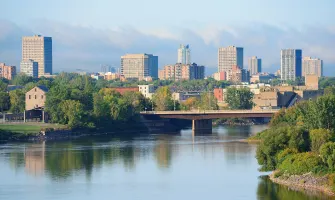
Wichita is one of the cheapest cities to live in the US. The offers plenty of parks, easy transit like the free Q-LINE, and affordable homes for sale in Wichita, giving residents a comfortable lifestyle with strong purchasing power.
- College Hill: This is a walkable downtown neighborhood with tree-lined streets and early 20th century architecture. It appeals to families and young adults, with proximity to the 22-acre College Hill Park, cafes, and restaurants.
- Crown Heights: A quiet, residential neighborhood with well-maintained lawns and family-friendly environment. Buyers are drawn to the area for its excellent public schools and convenient location near cultural amenities including the Wichita Art Museum and Botanica Gardens.
- Riverside: It is an eclectic neighborhood with an artistic vibe and a mix of older and newer housing developments. It is adjacent to the Arkansas River, providing easy access to outdoor recreation. Due its proximity to downtown Wichita and Riverside Park, the crowd is usually young adults and nature enthusiasts.
- Job Market: The economy is anchored by aerospace manufacturing, advanced manufacturing, healthcare, energy, and IT systems. Major employers include Spirit AeroSystems, Textron Aviation, McConnell Air Force Base, and Ascension Via Christi Health.
- Recreation: The Arkansas River offers miles of paved paths for biking, running, and kayaking, while All Star Adventures features go-karts, laser tag, and rock climbing. Cultural activities include exploring public art at downtown’s Gallery Alley and watching films at the historic Starlite Drive-In.
- Higher Crime Rates: Residents face a 1 in 88 chance of becoming a victim to a crime. The total crime rate is 34% higher than the national figure.
- Weather Risks: The city’s location in Tornado Valley brings severe weather risks like violent tornadoes, hail. and wind gusts reaching 80mph.
- Poor Air Quality: Wichita struggles with poor air quality, which can affect respiratory health and overall quality of life.
Conway, Arkansas
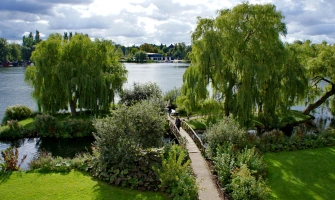
Conway is one of the cheap places to live in Arkansas and home to University of Central Arkansas. The city combines college-town vibrancy and small-town charm. It also features park systems managed by Conway Parks and Recreation and bicycle-friendly areas for an active lifestyle.
- The Meadows: This suburban neighborhood features single-family homes with manicured lawns and an active community. This neighborhood maintains low crime rates through an organized watch program. Its access to Conway’s school system make it very appealing to families seeking residential neighborhood.
- West Conway: The neighborhood boasts quiet tree-lined streets and abundant green spaces. The Westin Park, near the Arkansas River, includes amenities such as a swimming pool, playground, and running track.
- Hendrix Village: The neighborhood near the Hendrix College offers walkable access to campus facilities, cultural events, and educational programs, including chapel services, fellowship opportunities, and study-abroad initiatives.
- Job Market: Conway’s economy is anchored in healthcare, education, data services, and manufacturing sectors. Major employers include Acxicom Corporation, Conway Regional Health Systems, and University of Central Arkansas. Recent facility expansion added over 1,000 new jobs.
- Recreation: The Beaverfork Lake Park, a 1,200-acre facility, provides recreation like swimming, boat launches, and fishing. Downtown Conway, along Front Street, hosts over 30 independent shops like antique dealers, boutiques, and home stores.
- Limited Public Transportation Infrastructure: Conway relies on METRO Connect, a tiny microtransit system with only two vehicles citywide, so having your own transportation is essentially a must.
- Severe Weather and Natural Disaster Risk: The region faces high-risk severe weather in spring, with tornado warnings affecting Conway County. Flash flooding is also a major concern, as central Arkansas frequently reaches the highest level-4 rainfall flood alerts.
Decatur, Alabama
- Old Decatur Historic District: This riverfront are offers walkable access to Bank Street’s shops, the Cook Museum of Natural Science, and Rhodes Ferry Park along the Tennessee River. Families are attracted by its Victorian-era architecture and close proximity to downtown.
- Albany Historic District: Centered on Delano Park, the neighborhood features a rose garden, splash pad, and the Playground for All Children, surrounded by 19th-century homes. Its walkable location near Second Avenue’s shops and the Princess Theatre makes it especially appealing to families.
- Pointe Mallard Estates: This suburban neighborhood offers quiet living close to Point Mallard Park’s wave pool, ice rink, and the Tennessee River Trail. Families value the newer homes, nearby year-round recreation, and access to Eastwood Elementary School and Decatur Middle School.
- Job Market: As of August 2025, Decatur’s metropolitan area recorded 62,700 total nonfarm jobs. The city’s economy centers on manufacturing and aerospace industries. Major employers include GE Appliances, United Launch Alliance, and Nucor Steel.
- Recreation: The Tennessee River waterfront offers access to Rhodes Ferry Park and the Wheeler National Wildlife Refuge. Downtown attractions include Cook Museum of National Sciences, Princess Theatre for live performances, and Delano Park for rose garden and splash pad.
- Natural Disaster Vulnerability: Decatur faces moderate natural disaster risk, mostly from tornadoes, a common threat in Alabama. Proximity to Tennessee River also poses flood risk during extreme weather.
- Manufacturing Dependent Economy: The job market is heavily dependent on the manufacturing and industrial sectors. This creates vulnerability to economic downturns and limits career diversity as well.
- Limited Public Transportation: Decatur lacks fixed-route bus routes and becomes car-dependent.
Abilene, Texas
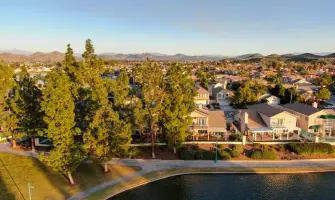
Abilene is one of the cheapest places to live in America. The city offers a relaxed pace, welcoming neighborhoods, and a growing downtown with coffee shops, local restaurants, and cultural events. Cheap homes for sale in Abilene start around $160K, giving you a full-sized single-family house for far less than in most major U.S. cities.
- Chimney Rock: This is a suburban neighborhood featuring single-family homes with large lots. It is perfect for families because of its proximity to Abilene Mall, Wylie ISD schools including Ward Elementary and Madison Middle School, and a commercial street.
- Lytle: It is a suburban neighborhood known for its spacious single-family home and easy access to Lytle Lake’s 160-acre reservoir. Buyers looking for recreational opportunities like swimming and boating, will find Lytle very suitable.
- Elmwood: This is an established residential area featuring tree-lined streets and mid-century homes. You will have walkable access to Elmwood Memorial Park, giving you a green space within a quiet suburban setting.
- Job Market: Abilene has a steady job market focused on education, healthcare, and the military. Major employers include Dyess Air Force Base, Abilene Independent School District, Hendrick Health System, and Abilene Christian University.
- Recreation: Outdoor enthusiasts can enjoy the Abilene Zoo, Abilene State Park, and local trails. The city also hosts cultural events, festivals, and live music at downtown venues.
- Limited Public Transit: Abilene relies heavily on cars, as public transportation options are minimal.
- Job Limitations: While there are stable roles, high-paying corporate positions are limited compared to other Texas cities.
- Extreme Weather: Hot summers and occasional severe storms may be challenging for those not accustomed to Texas climate extremes.
Memphis, Tennessee
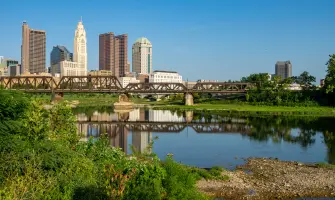
Memphis offers a vibrant lifestyle along the Mississippi River, featuring an extensive network of parks and green spaces. It also boasts a rich musical heritage, diverse job opportunities, and low housing costs. This combination of cheap homes for sale in Memphis, recreational amenities, and cultural attraction makes it an appealing option.
- Midtown: This urban, eclectic neighborhood features historic architecture and has a strong arts scene. It provides you easy access to Overton Park, Memphis Zoo, and cultural venues with live music and festivals.
- Central Gardens: This is a residential area registered on the National Register of Historic Places. It features Victorian mansions and Craftsman bungalows from the 19th and 20th centuries.
- Cooper-Young: An artsy, vibrant urban neighborhood with an mix of shops, restaurants, galleries, and entertainment venues along Cooper Street. It offers a walkable lifestyle, diverse community, and proximity to the Cooper-Young Historic District.
- Job Market: Memphis’s economy is anchored by logistics, healthcare, and manufacturing industries. FedEx’s headquarters employs approximately 30,000 people locally and generates over $75 billion in annual revenue. Other major employers are St. Jude Children’s Research Hospital and Smith & Nephew.
- Recreation: Memphis’s Overton Park features the Memphis Zoo, walking trails, and green spaces. Beale Street is known for live music venues and entertainment.
- Crime Rates: The overall crime rate stands at approximately 98 incidents per 1,000 residents. Murder rates decreased to six-year low with 149 homicides through September 2025.
- Limited Public Transportation: Memphis has limited public transportation. It has a transit score of 22 and the city lacks extensive infrastructure for pedestrians and cyclists.
- Natural Disaster and Weather risks: Flooding, tornadoes, winter storms, extreme temperature, and thunderstorms are identified as the top five risks for Shelby County. The drainage systems can overflow during heavy rainfall and hurricanes, leading to waterlogged streets and communities.
Springfield
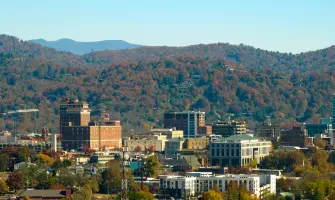
Nestled in the scenic Ozark Mountains, the city offers recreational opportunities through its parks, hiking trails, and lakes. The city’s central location along the iconic Route 66 provides connectivity for daily commuting. With cheap homes for sale in Springfield, the city stands out as one of the cheapest places in USA to live.
- Rountree: This neighborhood features a mix of American Foursquare and Craftsman-style homes in a family-friendly setting. It is just east of Missouri State University and is close to downtown Springfield.
- Downtown Springfield: This urban neighborhood is very popular with young professionals and college students because of its short commute to Missouri State University. The neighborhood offers walkable access to restaurants, bars, and businesses.
- Phelps Grove: Located just south of Missouri State University, this neighborhood features a public park with walking trails. It has a diverse housing stock and is close to the Springfield Art Museum and university campus.
- Job Market: The city’s economy is centered on healthcare and social assistance, employing over 41,000 individuals and contributing $3.8 billion to the regional GDP. Major employers are CoxHealth and Mercy Springfield Communities.
- Recreation: Outdoor enthusiasts enjoy 112-acre Springfield Botanical Gardens and Mizumoto Japanese Stroll Garden. Popular family destinations include Dickerson Park Zoo and Fantastic Caverns.
- Hot and Humid Summers: Springfield experiences hot, muggy summers with temperatures reaching 89-90°F in July and August.
- Limited Cultural and Entertainment Options: While the city has developed its food and cultural scene, it offers fewer nightlife venues, concert venues, or art scenes.
- Wage Levels and Economic Mobility: There is moderate income inequality and limited higher-wage job in industries like tech and finance.
Brownsville, Texas
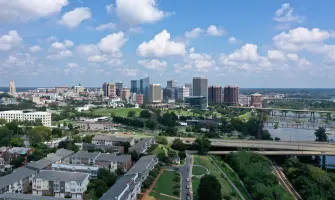
Brownsville, Texas stands one of the most affordable places to live in the US. Those exploring homes for sale in Brownsville gain access to a Gulf Coast lifestyle with housing costs nearly 45% below the national norm. The city features 40 parks, nearly 38 miles of trails and proximity to beaches like Boca Chica and South Padre Island.
- Rancho Viejo: This master-planned suburban community features gated sections, golf courses, and extensive green spaces. The neighborhood appeals to families and retirees seeking a well-maintained residential setting.
- Los Ebanos: A quiet suburban enclave characterized by tree-lined streets and upscale single-family homes that create a family-oriented residential environment. Buyers are drawn to its proximity to top-rated schools like Sharp Elementary School, shopping centers, and public parks.
- East Brownsville: This neighborhood is situated near natural estuaries and resacas. The neighborhood provides convenient access to the Golf Center, shopping malls, bike trails, and Veterans Memorial Early College High School.
- Job Market: Brownsville’s economy centers on aerospace, manufacturing, healthcare, logistics, and education. SpaceX’s Starbase operations have established the city as an aerospace hub, while major employers include Bechtel, Seatrium AmFELS, and Rich Products Corporation.
- Recreation: Brownsville manages 46 parks across 1,000+ acres with 47 miles of hike and bike trails. Boca Chica Beach provides coastal access 20 miles east of the city for fishing, surfing, and bird-watching.
- High Crime Rates: Brownsville’s violent crime rate stands at 432 incidents per 100,000 residents.
- Natural Disaster Vulnerability: The city faces significant hurricane and flooding risks due to its Gulf Coast location and low elevation. Approximately 86% of Brownsville’s extraterritorial jurisdiction lies within hurricane risk zones.
- Economic Limitation: The region’s high poverty rate and limited job diversity present economic challenges for residents. The city faces lower per capita income levels and deficient public service levels.
Fort Wayne, Indiana
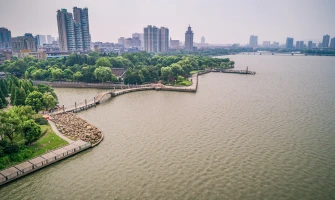
Fort Wayne features over 80 well-maintained parks and a vibrant riverfront district, making Fort Wayne one of the least expensive places to live in the US. Fort Wayne celebrates major festivals like the Three Rivers Festival, Gearfest, and Middle Waves Music Festival.
- Aboite Township: This suburban neighborhood offers a family-friendly environment with single family homes on large lots. Many features custom construction and gold course views. It boasts high-rated Northwest Allen County schools like Carroll High School, along with safe streets.
- Historic Northeast: This is a walkable, urban village with early 20th century architecture and established residential blocks. Buyers are drawn to the legacy parks like the Lawton Park and Lakeside Park, and the neighborhood’s pedestrian-friendly design.
- Waynedale: Located on Fort Wayne’s south side, the neighborhood has a small-town character with a rural community feel. Residents practice community-focused living with quiet residential environment and community institutions like the Waynedale News that reinforce local connections and engagement.
- Job Market: The city’s economy is rooted in healthcare, with Parkview Health and Lutheran Health Network employing the most. Another major sector is manufacturing with General Motors, Steel Dynamics, and Fort Wayne Metals being the leading employers.
- Recreation: The Fort Wayne Children’s Zoo ranks 7th best in the United States and features giraffe feeding and canoe rides. Lakeside Park, founded in 1908, features the nation’s largest rose gardens. Promenade Park offers interactive waterfront recreation like kayak rentals and outdoor musical instruments.
- High Crime Rates: Fort Wayne’s crime rate is 14% higher than the national average. Property crime is still a concern, with a 1 in 42 chance that a resident could become a victim.
- Limited Public Transportation: Citilink (Fort Wayne’s public transit system) operates with limited coverage, with transit score of just 22. Residents without personal vehicle will face challenges in commuting to certain neighborhoods.
- Weather Extremes: Fort Wayne has a humid climate with snowy winters and hot, muggy summers. The city sees frequent storms and precipitation that cause temperature swings and material strain.
Broadview Heights, OH (safety score of 94) and Birmingham, AL (safety score of 55) are the cheapest and safest cities in US. They offer low crime rates, rich job market, and a lively, welcoming lifestyle.
Top 3 Cheapest Places to Live in the U.S. for Young Adults
When looking for the least expensive place to live in USA, you want more than just cheap rent. You want good jobs, a fun lifestyle, and a city where you can thrive. These US cities deliver all three, with affordable housing and growing job markets.
| Rank | City | Why It’s Great for Young Adults |
|---|---|---|
| 1. | Fort Smith, AR | Fort Smith offers entry-level accessibility with lower rent and a living wage of $15.52 per hour. The city’s proximity to University of Arkansas creates a younger population base. Growing job market with employers like ABB Motors provides career advancement even for entry level employees. |
| 2. | Rockford, IL | Rockford is perfect for career starters and recent graduates. The city is only 90 minutes from Chicago, allowing access to big city jobs, concerts, and nightlife. Cultural amenities like Anderson Japanese Gardens and Rock Cut State Park provide you with date spots without a huge price tag. |
| 3. | Wichita, KS | Wichita is among the top 20 cities with the largest Gen Z workforce, almost 16.39% of the total workforce. It offers high-paying technical and engineering careers with clear advancement paths. At $941 rent, young adults can live independently and still have savings. |
Top 3 Best Affordable Places to Live in the U.S. for Families
The U.S. offers plenty of family-friendly places with affordable housing, strong school systems, and a comfortable quality of life. These cities stand out for combining low living costs with great amenities for parents and kids alike.
| Rank | City | Why It’s Great for Families |
|---|---|---|
| 1. | Conway, AR | The city offers family-friendly neighborhoods with top-rated school districts such as Conway School District. The city is also known for its Conway Downtown Farmers Market, Cadron Settlement Park, and Conway Community Center. Excellent schools, recreation, and pocket-friendly homes for sale in Conway make this city a great place for families. |
| 2. | Tulsa, OK | Tulsa stands out for families because Jenks Public Schools ranks as the top district in the state. The city offers plenty of recreation, including art programs, playgrounds, and an aquatic garden at The Gathering Place, a 100-acre riverfront park. Strong schools, abundant green space, and homes for sale in Tulsa make this city family-friendly. |
| 3. | Fort Wayne, IN | Fort Wayne is home to the Fort Wayne Zoo, one of the top 10 zoos in the nation. Its school districts offer strong options, including Cedarville Elementary School (4.8 rating) and Carroll High School (ranked #1). If you’re looking for Tudor-style historic homes and community playgrounds, homes for sale in Fort Wayne are your best bet. |
3 Least Expensive Places to Live for Retirees
The U.S. offers many retiree-friendly cities where you can find affordable homes, reliable healthcare, and safe, welcoming communities.
| Rank | City | Why It’s Great for Retirees |
|---|---|---|
| 1. | El Paso, TX | Retirees in El Paso enjoy the no state income tax, making retirement budgets stretch further. Seniors can access Eastside Senior Citizens Center for Zumba classes, table games, and arts and craft classes. Outdoor recreation at Franklin Mountains State Park along with the affordable homes for sale in El Paso make it easy to maintain a comfortable lifestyle. |
| 2. | Brownsville, TX | In Brownsville, the brand new Brownsville Senior Center offers line dancing, cooking classes, arts and crafts. The peaceful trails and picnic spots at Resaca de la Palma State Park is ideal for nature-loving retirees. With affordable homes for sale in Brownsville and no state income tax, it’s easy to enjoy a quiet, low-cost retirement. |
| 3. | Decatur, AL | Decatur offers a scenic riverfront lifestyle. The Turner-Surles Community Resource Center hosts computer classes, Bible study, bingo, and line dancing. Point Mallard Park is a massive 700 acre park with an 18-hole golf course for recreation. You can find homes for sale in Decatur and enjoy a relaxed outdoorsy lifestyle. |
3 Hidden Costs to Consider in US
Even in the cheapest US cities to live in, home prices are just one part of the equation. Insurance premiums, flood risks, and local tax rates can vary widely across states. When evaluating the most affordable places to live in U.S. make sure to factor in these additional costs:
- Homeowners Insurance: Premiums have risen by 10.4% in 2024 nationwide due to higher rebuilding costs and severe weather events. In some regions, annual rates can reach several thousand dollars, especially in areas prone to storms, wildfires, or hail.
- Flood Insurance: Standard homeowners insurance doesn’t cover flood damage. Policies through FEMA’s NFIP or private insurers often range from $1,000 to $3,000 per year, depending on your flood zone and property elevation.
- Property Taxes: Property tax rates vary dramatically by state and county. Some low-cost states offer rates under 0.5%, while others exceed 1.5%, adding a significant amount to your yearly housing expenses.
Savings Breakdown: Cheapest Cities to Live in the USA
Housing costs vary dramatically across US. Fort Smith residents save $3,770 monthly compared to San Francisco and $1,391 compared to Denver. The following table breaks down these savings by median home price, monthly mortgage, property tax, insurance, and total monthly costs.
| City | Median Home Price | Avg. Monthly Mortgage | Insurance/taxes | Estimated Monthly Cost for a Single Person | Monthly Savings vs. Miami |
|---|---|---|---|---|---|
| Fort Smith | $200,500 | $1,300 | $847 | $2,133 | $3,770 |
| Denver | $614,000 | $2,946 | $1,397 | $3,524 | $2,379 |
| San Francisco | $1,483,000 | $8,275 | $2,037 | $5,903 | – |
Cheapest Places to Live Near You
| Region | Cheapest Places to Live Near Me |
|---|---|
| Northeast | Connecticut | Maine | Massachusetts | New Hampshire | New Jersey | New York | Pennsylvania | Rhode Island | Vermont | |
| Midwest | Illinois | Indiana | Iowa | Kansas | Michigan | Minnesota | Missouri | Nebraska | North Carolina | Ohio | South Dakota | Wisconsin | |
| South | Alabama | Arkansas | Delaware | Florida | Georgia | Kentucky | Louisiana | Maryland | North Carolina | Oklahoma | South Carolina | Tennessee | Texas | Virginia | District of Columbia | West Virginia |
| West | Alaska | Arizona | California | Colorado | Hawaii | Idaho | Montana | Nevada | New Mexico | Oregon | Utah | Washington State | Wyoming |
Where’s the Cheapest Place to Live in America?
Fort Smith, Rockford, and Wichita are the most affordable places to live in America. These areas offer more than low prices; they provide robust job markets, outdoor recreation, and cost of living nearly 15% lower than the national average.
Whether you’re relocating or buying your first home, you can browse listings, compare prices, and make offers online.


