28% of home buyers find hidden issues in properties after closing. A third of them blame sellers for not being upfront about them. The last thing you want is to be sued for undisclosed defects. An Indiana seller’s disclosure form can be your best defense.
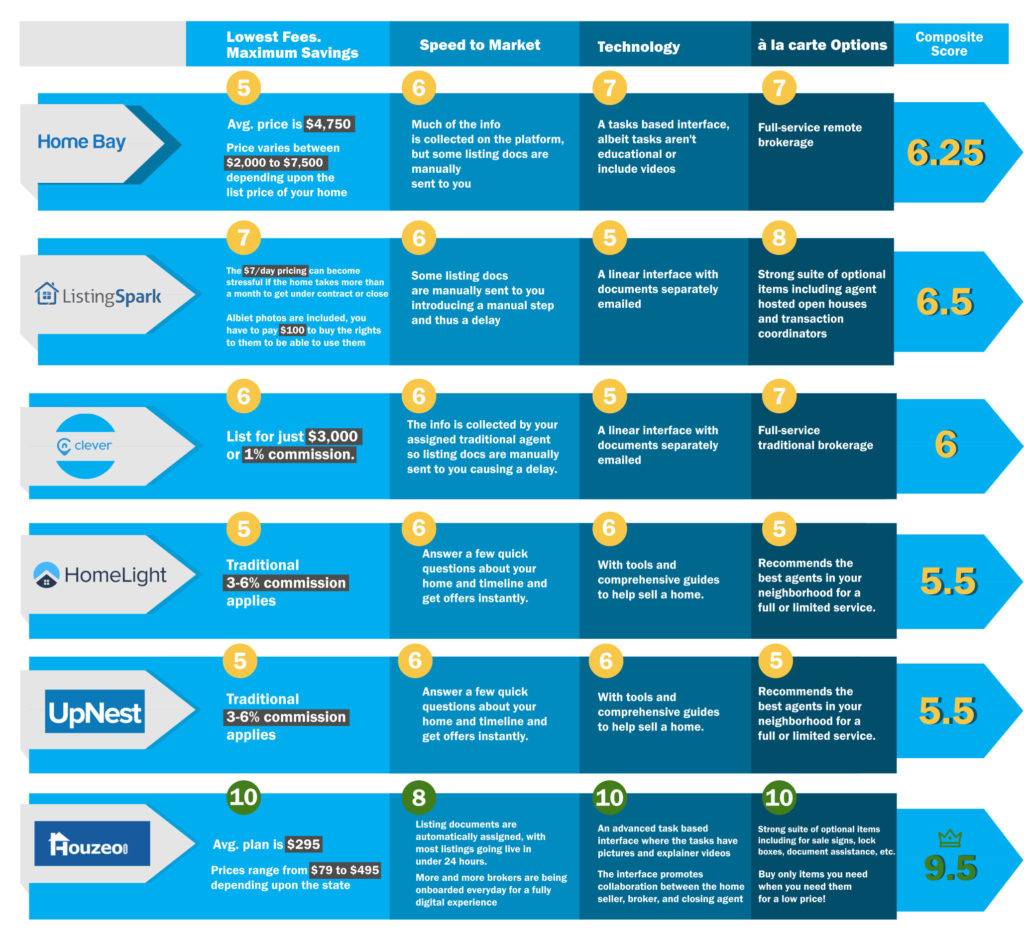
But finding the right disclosure can be tricky, and just one missed issue could cost you a fortune! Houzeo, Indiana’s best home-selling website, removes this risk by automatically assigning the right forms for your sale. You can complete them online in just a few steps.
KEY TAKEAWAYS
- When to Disclose: Share your Indiana seller disclosure form with buyers early on, ideally before offers come in. This builds trust and helps avoid deal delays.
- What to Disclose: List down defects like roof leaks, mold, electrical issues, or legal disputes that impact home value.
- Hidden Problems Count Too: Even if a defect isn’t easy to see, like foundation cracks or water damage, you still have to report it.
- Disclosures Can Save You Thousands: Around 77% of real estate lawsuits are linked to disclosure issues. Being upfront helps you avoid costly legal battles.
What Do You Have to Disclose When Selling a House in Indiana?
- Federal Disclosure of Information on Lead-Based Paint and/or Lead-Based Paint Hazards
- General Seller Disclosure Requirements in Indiana
Federal Disclosure of Information on Lead-Based Paint and/or Lead-Based Paint Hazards
Lead paint can cause serious major health risks. The Residential Lead-Based Paint Hazard Reduction Act requires sellers to provide details about lead paint (lead from paint, dust, and soil, or lead poisoning) before selling the property. Moreover, if you want to know more about the harmful effects of lead, you can read the Indiana Lead and Healthy Homes Program (rules and federal regulations). You can also review and read about the Lead-Based Paint: The Law in Indiana to know more about issues concerning lead hazards in Indiana.
The seller should inform the buyer about the lead-based paint hazards and provide 10 days for the buyer to do a risk assessment or paint inspection for lead-based paint or lead-based paint hazards. For safety purposes, the homebuyers may look for a lead hazard inspection firm by following this link.
» Sell My House For Cash Now: Check out the best options to sell your Indiana home fast for cash

Pro Tip: If your home has several issues and you’d rather not spend money on repairs, you can sell your house for cash in Indiana. You’ll still need to disclose known material defects, but you’ll save thousands in repair costs.
Seller’s Residential Real Estate Disclosure
Further Indiana’s Residential Real Estate Disclosure Law says, Ind. Code §32-21-5-2 sellers are obligated to comply with the standard disclosure form. In this form, sellers need to disclose any known material defects in the house—structure and other systems that could affect the buyer’s decision. Also, the form must be based on the seller’s current actual knowledge about the property’s condition such as lead-based paint, flooding, cracked floors, damaged ceiling, and even appliances.
The disclosure form must not be treated as a contract deal, but simply a document to protect the buyer from any fraud, and must disclose major defects that could change the property’s value. The form has included different conditions that the seller should answer honestly, whether it’s “None/Not Included/Rented, Defective, Not Defective, or Do Not Know”.
Here, it is clearly stated in the form that the “Defect means a condition that would have a significant adverse effect on the value of the property, that would significantly impair the health or safety of future occupants of the property, or that if not repaired, removed or replaced would significantly shorten or adversely affect the expected normal life of the premises.” Nonetheless, the buyer has the right to perform an inspection of the property to verify the form and the home’s condition.
In the state of Indiana, however, sellers aren’t required to disclose paranormal, suicide, natural death and such about the property. For example, it’s unnecessary to notify the new homeowner about previous occupants who have suffered from HIV or AIDS. Indiana’s Residential Real Estate Disclosure Law, Ind. Code §32-21-5-2 only requires sellers to complete the form which contains property condition defects. It clearly does not mention any statements about the supernatural of that sort.
As a seller and as the only source of all the information in this form, here are the statutory seller disclosure requirements in Indiana you are obliged to state:
- Appliances
- Electrical System
- Water and Sewer System
- Heating and Cooling System
- Roof leak
- Hazardous Conditions
- Methane gas, lead paint, radon gas, radioactive material, and other biological contaminants
- Manufacture of methamphetamine in a residential property
Other Disclosures:
- Encroachments
- Structural Foundation
- Zoning violations, building codes, or restrictive use
- Water problems in the basement
- Wood destroying insects
- Furnace/Woodstove/Chimney/Flue issues
- Threatened or existing litigation

» How To Sell My House Faster Indiana: Read our blog if you’re in dire need to sell your house fast in Indiana.
What Is the Penalty for an Incorrect Indiana Home Disclosure?
In case such as failure to truthfully completing the Seller’s Residential Real Estate Disclosure Form, the buyer could take legal action against the seller for committing fraud or to liability for misrepresentation. For instance, the seller intentionally hides the sewer system defects and did not tell the agent or the buyer. The seller, in the said circumstance, must pay actual damages and attorney’s fees hired by a buyer in pursuing a lawsuit against the seller.
👉 Get All Required Disclosures Assigned Automatically – List Now!
» Can I Sell My House By Myself Indiana: Are you considering selling you house without a realtor? Here are our tips for a smooth selling process.
Note: All the information mentioned above is just a guide for real estate sellers in Indiana. It is still best to seek legal advice from experts if you have any clarifications.


Tips to Minimize Issues in Indiana Disclosure Documents
The number of homes for sale in Indiana is rising, buyers may choose to look for a more suitable house if they find inconsistencies with your disclosure. Here are the tips to save you from any such issues:
| Review And Verify | There’s a time allowance (some permit 10 days) to review and verify everything about your Purchase and Sales Agreement—also the square footage, home usage, and marketing. |
| Ask Questions | Ask questions when in doubt. This would help you in avoiding future troubles. |
| Hire A Professional Inspector | A professional inspector can help you gather backup information about the property’s condition. You can also opt for a pre-inspection before listing. » Find out the best home inspectors in Indiana. |
| Review the Disclosure Carefully | You can compare your forms with the ones offered by top For Sale By Owner site to make sure you didn’t forget anything important. |
| Get A Licensed Agent Involved | The best way to avoid disclosure issues is to get a licensed a real estate agent. Agents can help you manage and assist you in the process along the way. |
Indiana Seller’s Disclosures are a little complicated. Selling your house FSBO is usually good, but then you would have to deal with all the disclosures on your own. This demands that you be aware of all the seller disclosure requirements in Indiana and that any mistake can cost you dearly. Houzeo can help you with this.
- ✍️ Editor’s Note: Though selling your home yourself on a For Sale By Owner website can save you thousands in commission, we highly recommend you add a Flat Fee MLS listing to your marketing strategy. Check out the best Indiana Flat Fee MLS.
» IN Flat Fee MLS – Discover The Best Flat Fee MLS Service in Indiana
Conclusion
By listing your property with Houzeo, you get access to all forms in electronic format. And that too, for FREE! Houzeo has segregated all the disclosures state-wise so that you don’t have to hunt for seller disclosure requirements in Indiana separately.
Check out some of the Houzeo reviews and how it has helped customers around the US.